September 2026
30th. Two blackcap (male and female) in the Bristol garden.
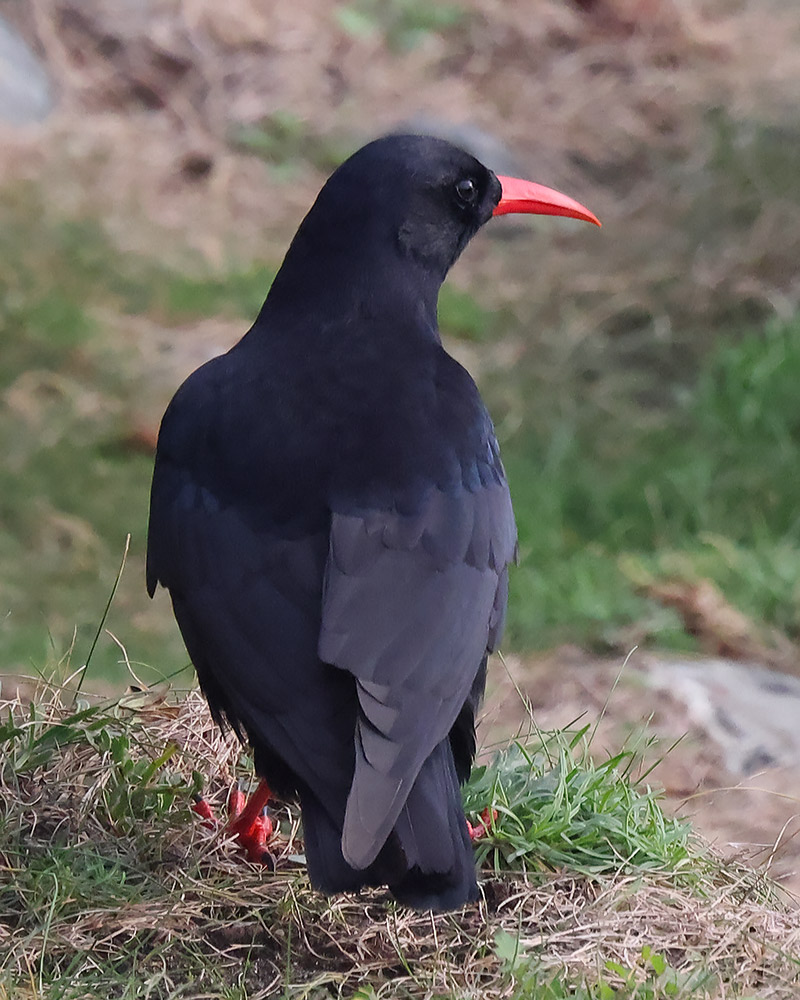
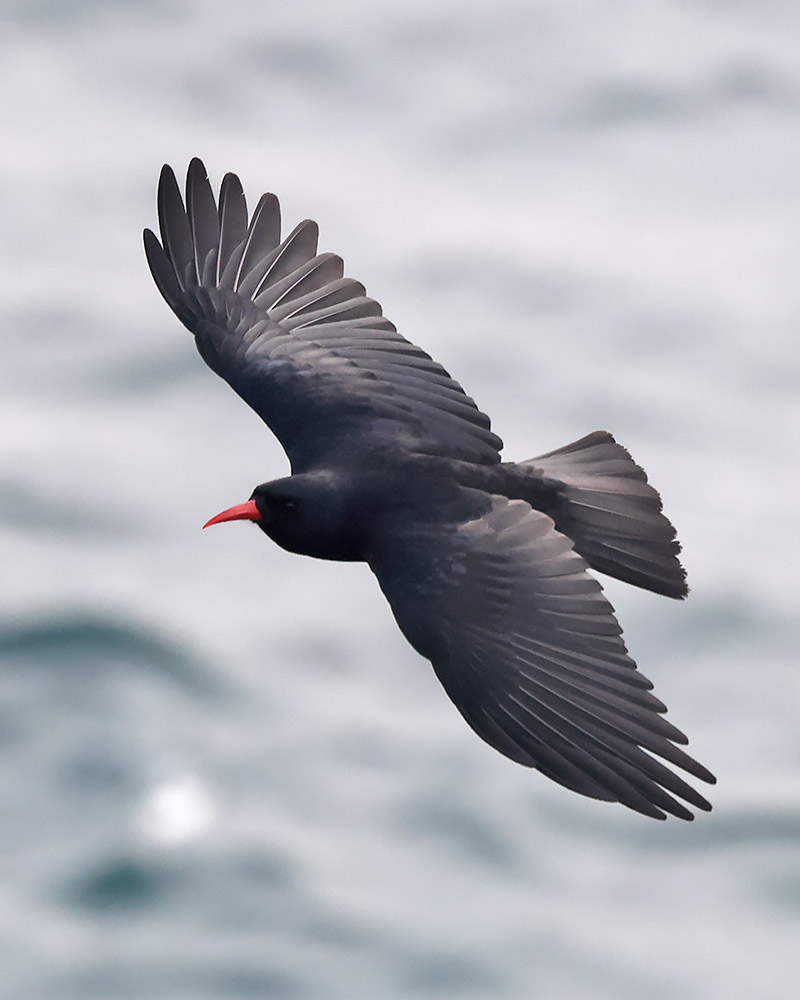
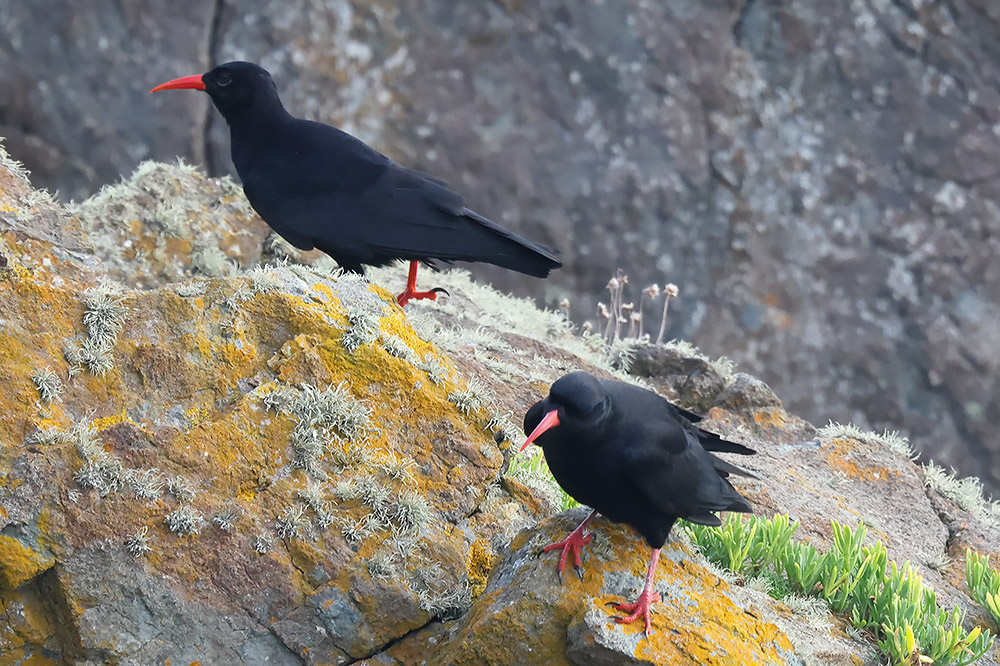
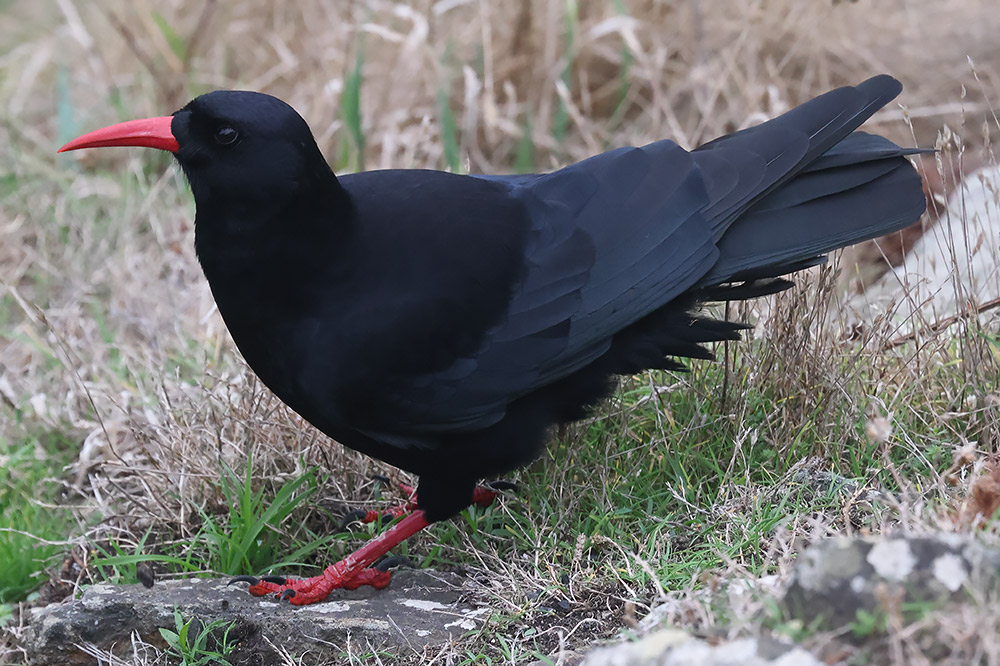
28th. Three chough on The Island. A magpie too!
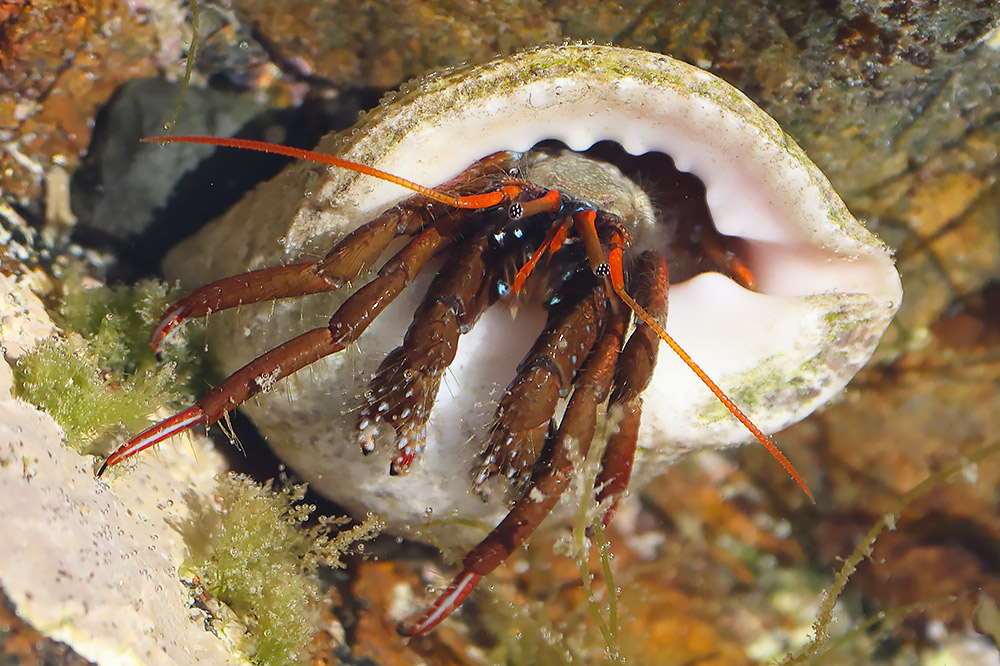
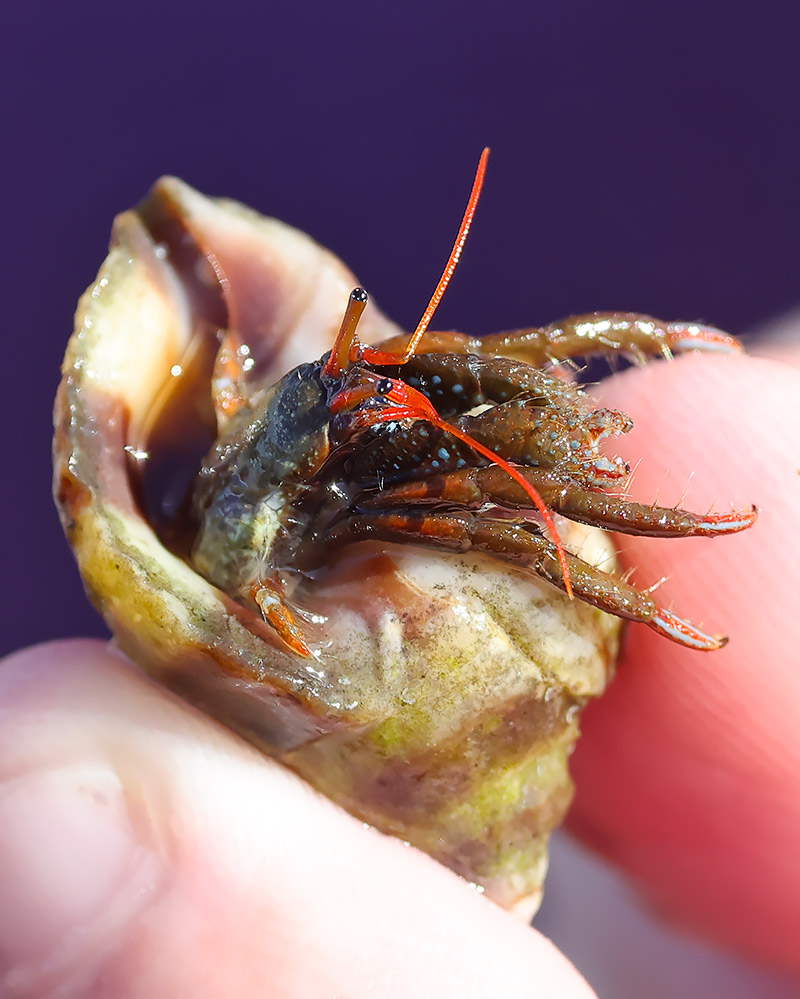
We went rockpooling at Mousehole. It was great to find three St Piran's hermit crabs. The species was discovered in Britain (at Mousehole) by Nick Tregenza and a colleague in 1960 (they published a paper in Nature about it!), thought to have arrived from the Bay of Biscay. The crabs was virtually wiped out by the Torrey Canyon oil spill in 1967, and was rediscovered at Falmouth in 2016. Springwatch conducted a poll to name it, and St Piran's hermit crab won. Chris Packham said "St Piran is the patron saint of Cornwall. And the legend has it that the Irish heathens threw him into the sea wearing a millstone round his neck. (Bit like the crab’s shell). And then he crawled out on to a Cornish beach. (Bit like the crab has done now.) And he became a hermit. (A bit like the habit of the crab here.”
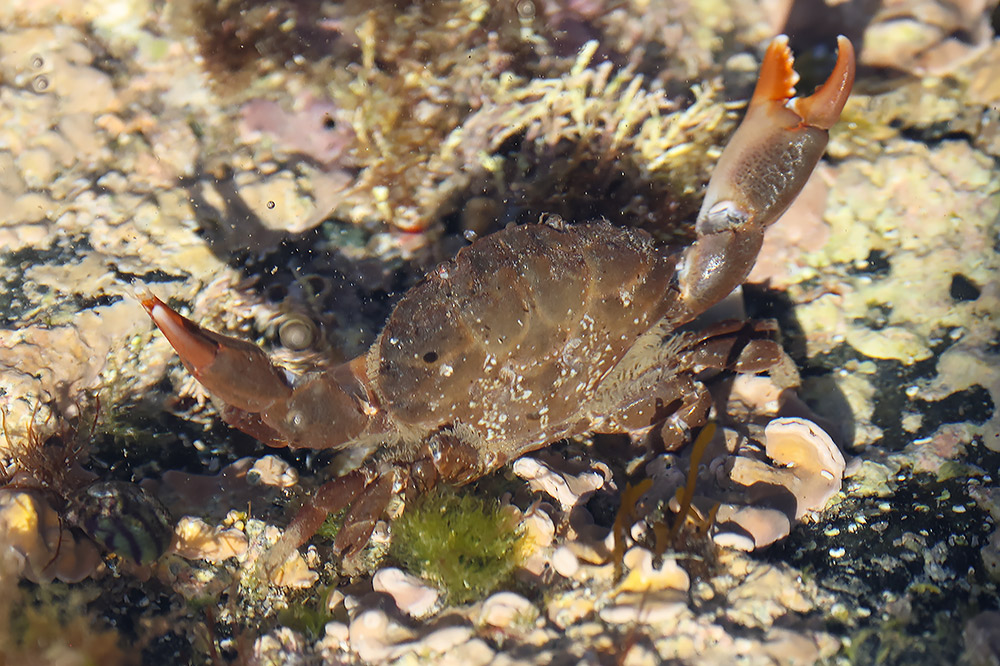
Other warm water species included giant goby and Montagu's (furrow) crab and giant goby.
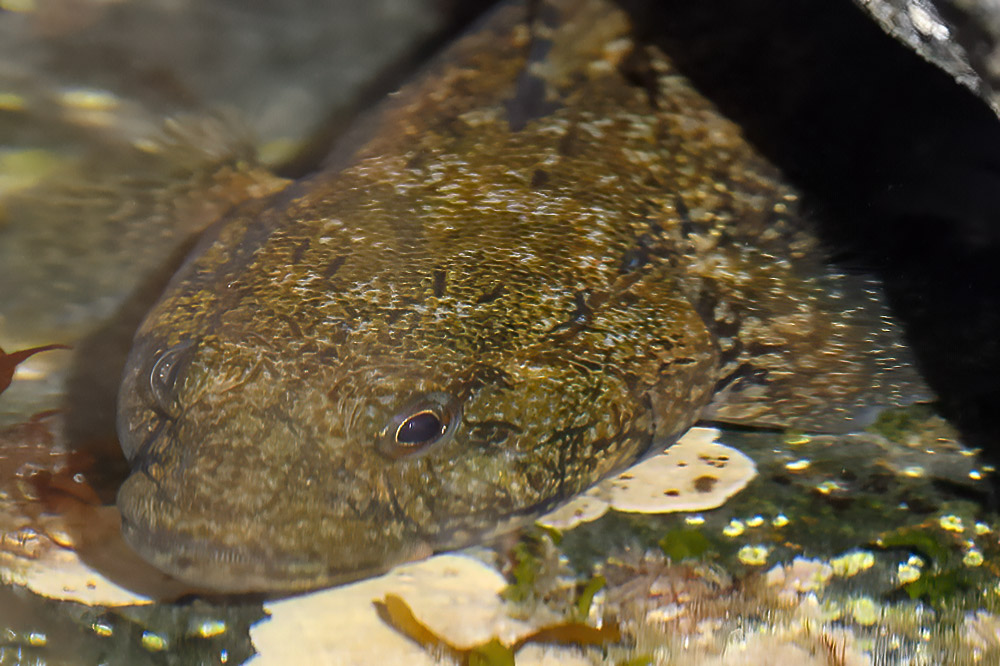
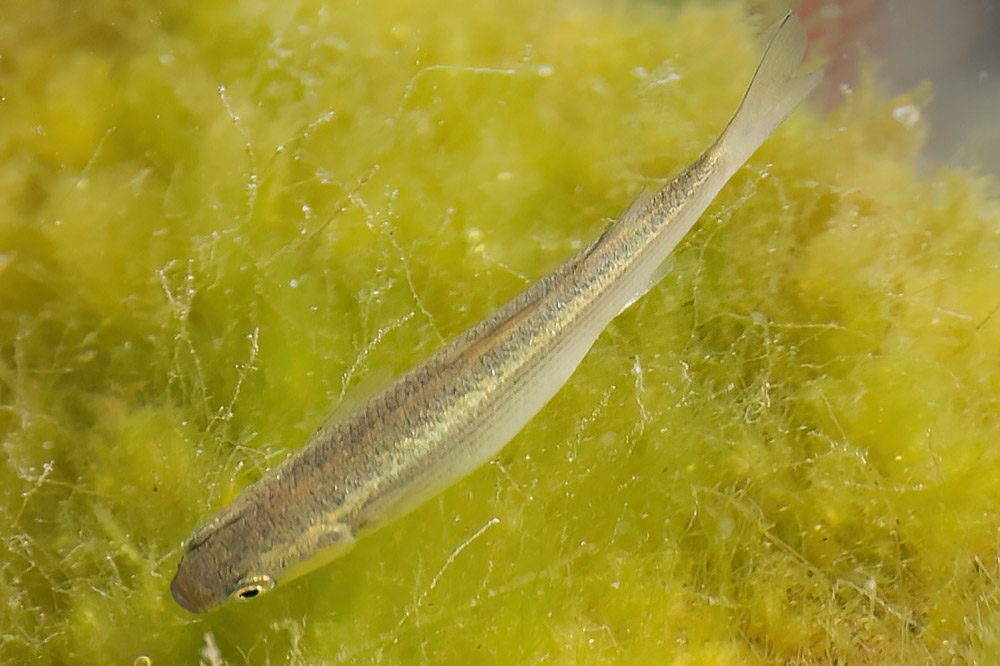
There were quite a lot of these fish in the pools - I think they are juvenile thick-lipped grey mullet.
27th. One fewer turnstone in St Ives.
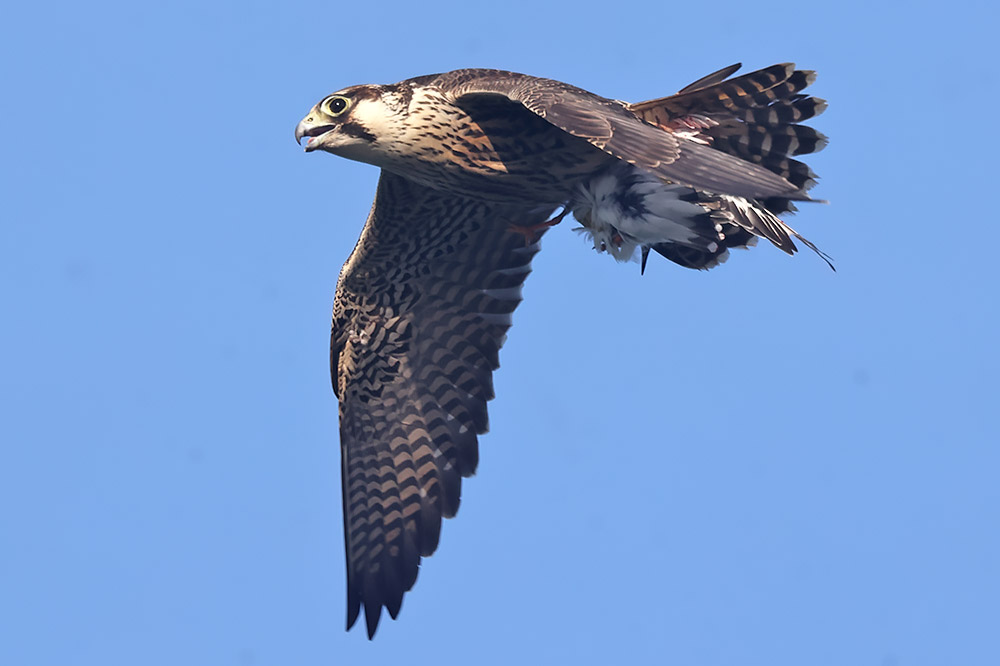
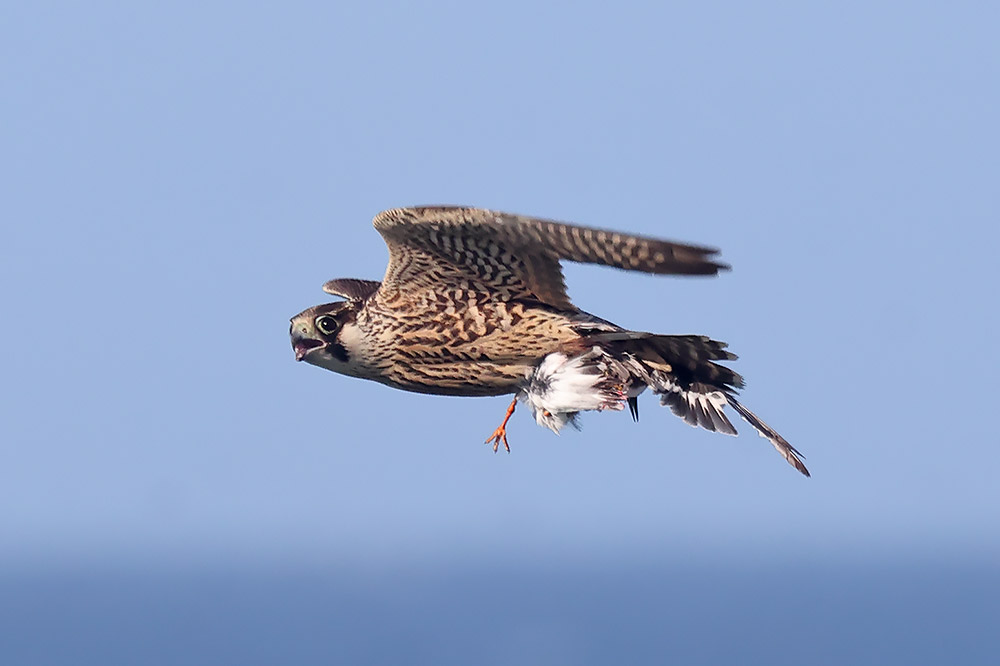
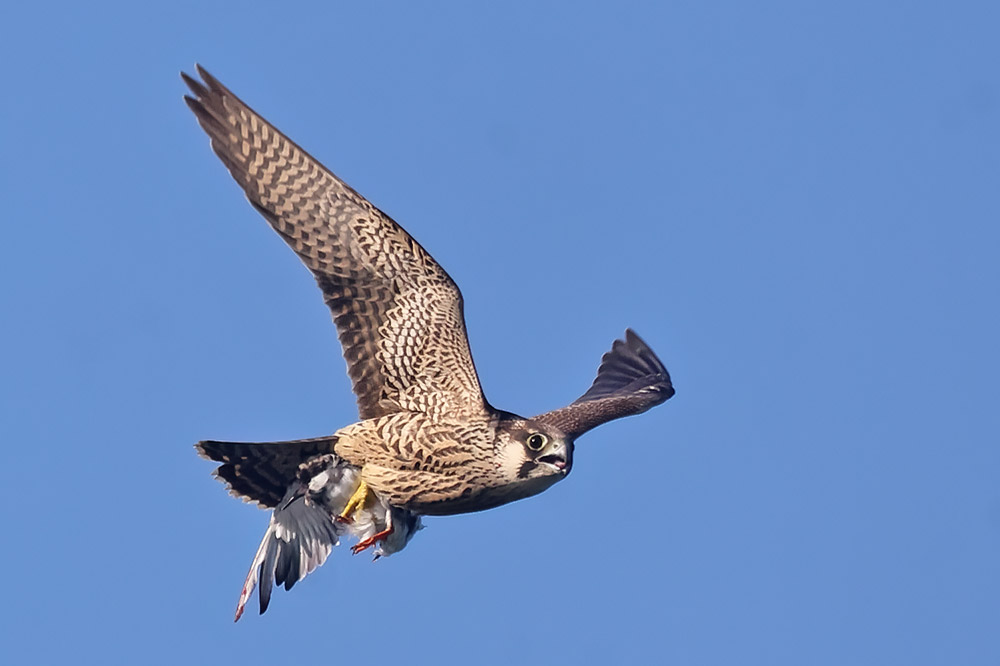
Immature pomarine skua in the bay.
26th. About 5 chiffchaff and 2 chough on Rosewall Hill.
25th. Two chough on The Island.
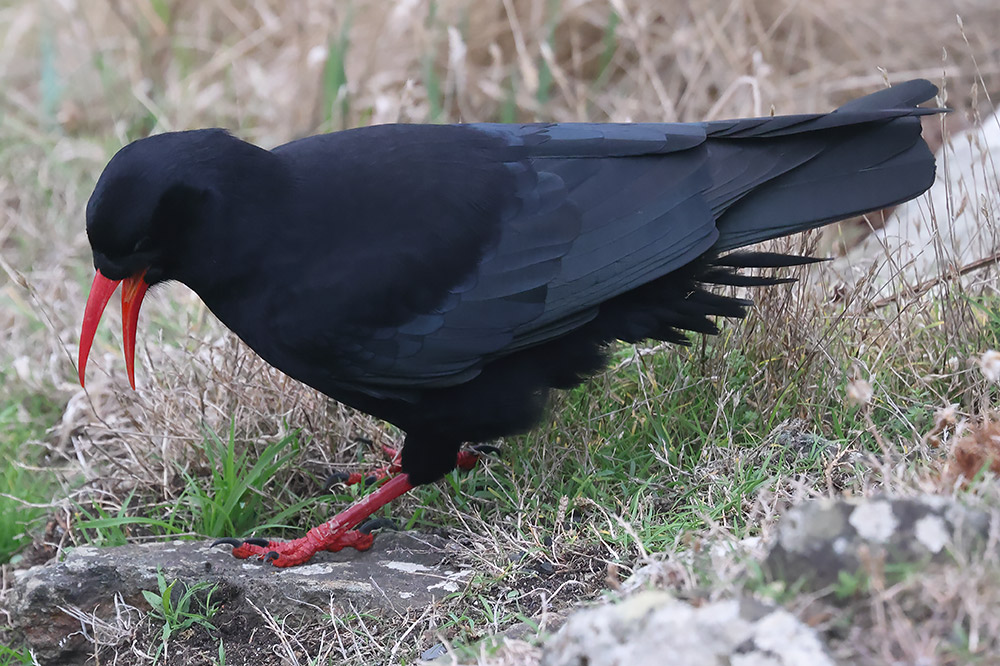
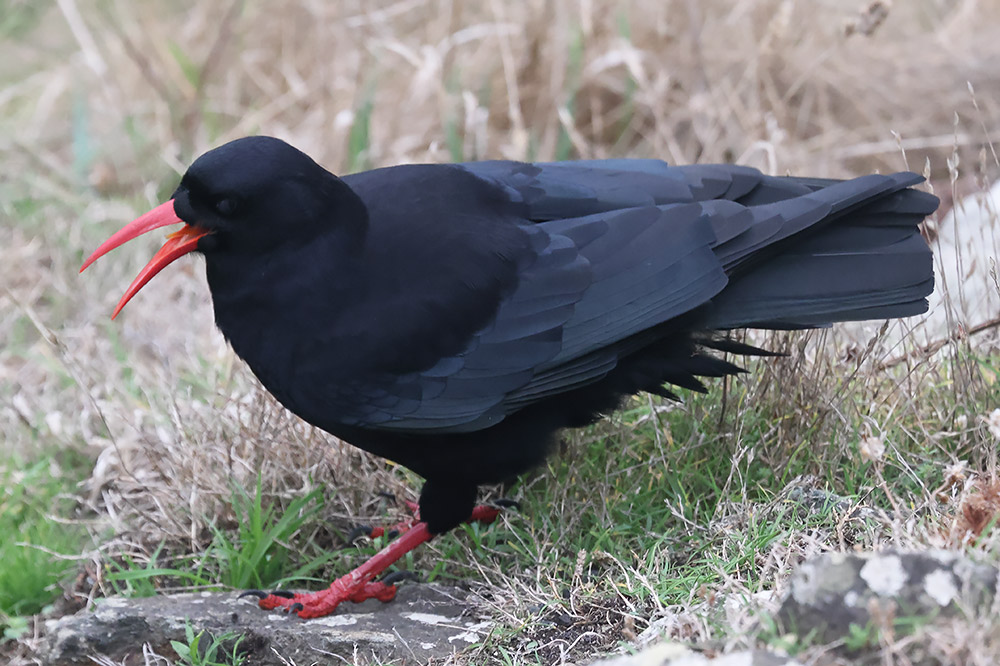
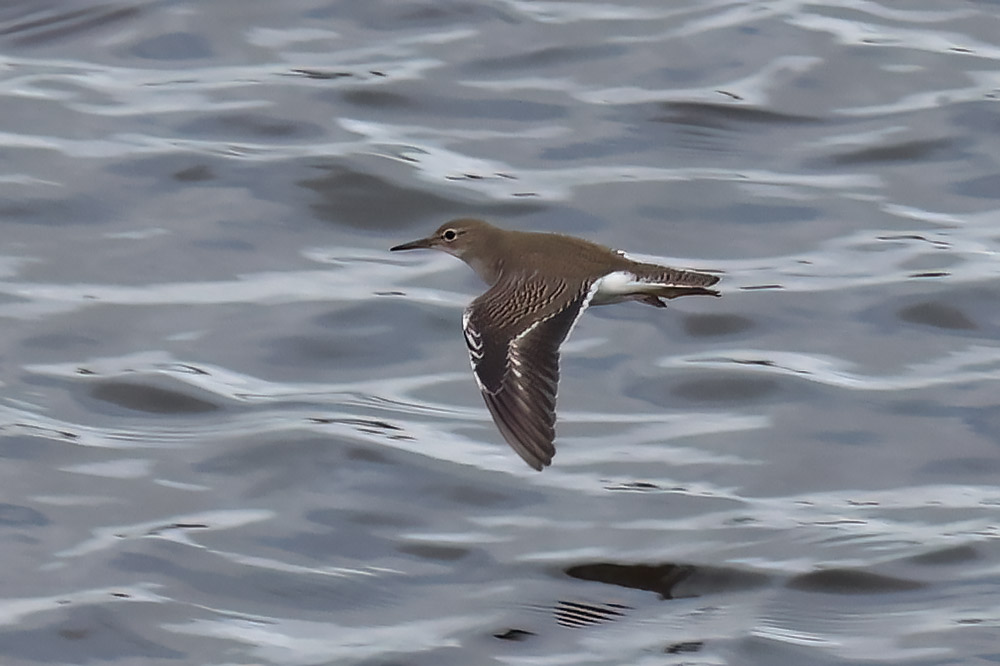
The juvenile spotted sandpiper showed well at Drift Reservoir.
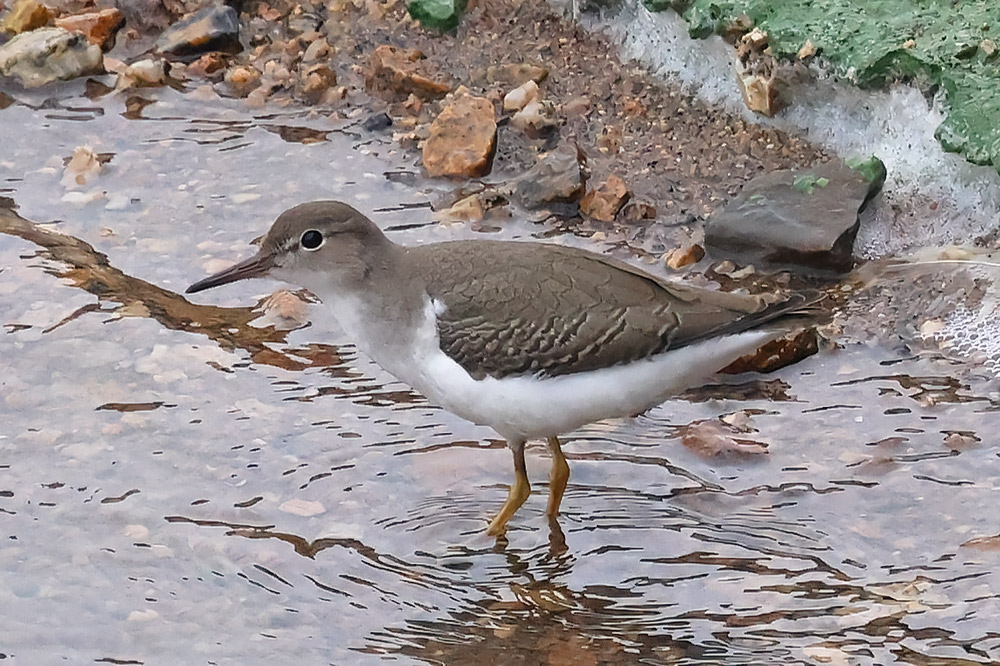
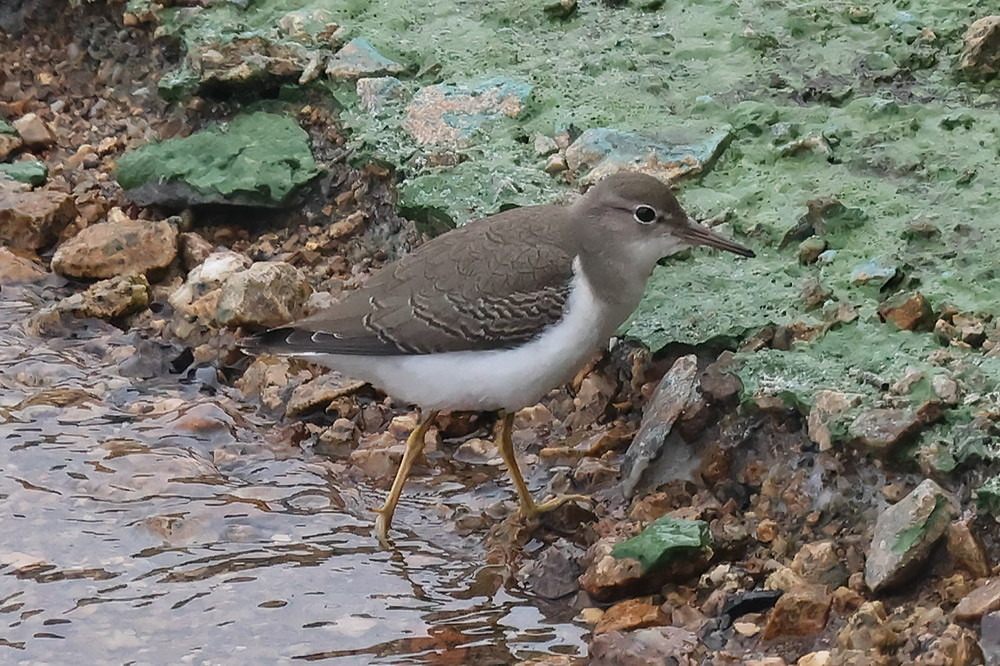
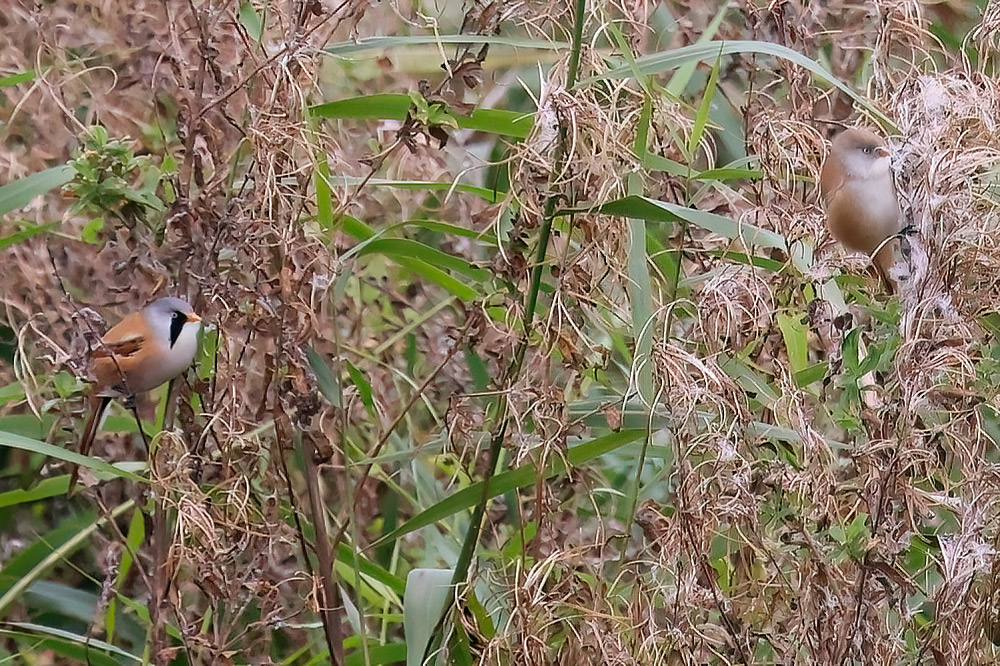
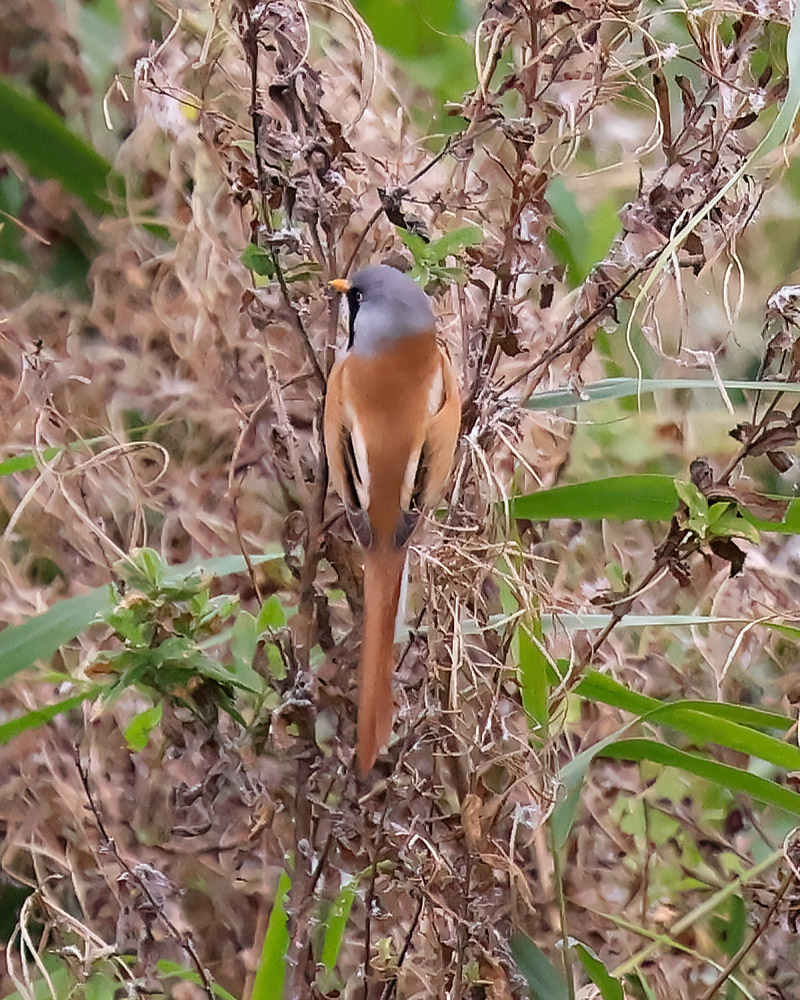
Two bearded reedlings (male and female) and Longrock Pool.
23rd. James found a booted warbler late evening at Zennor! I went at the same time on 24th, but there were no reliable records all day. I did hear a Cetti's warbler and a water rail, and a ringtail hen harrier flew over the ridge behind the reed bed.
22nd. Chew Valley Lake - 5 spoonbills (2 adults), 15 cattle egrets ca. 30 great egrets, pectoral sandpiper, lesser yellowlegs 2 ruff and a spotted redshank.
18th. A ridiculously tame bar-tailed godwit on The Island. Juvenile Sabine's gull offshore.
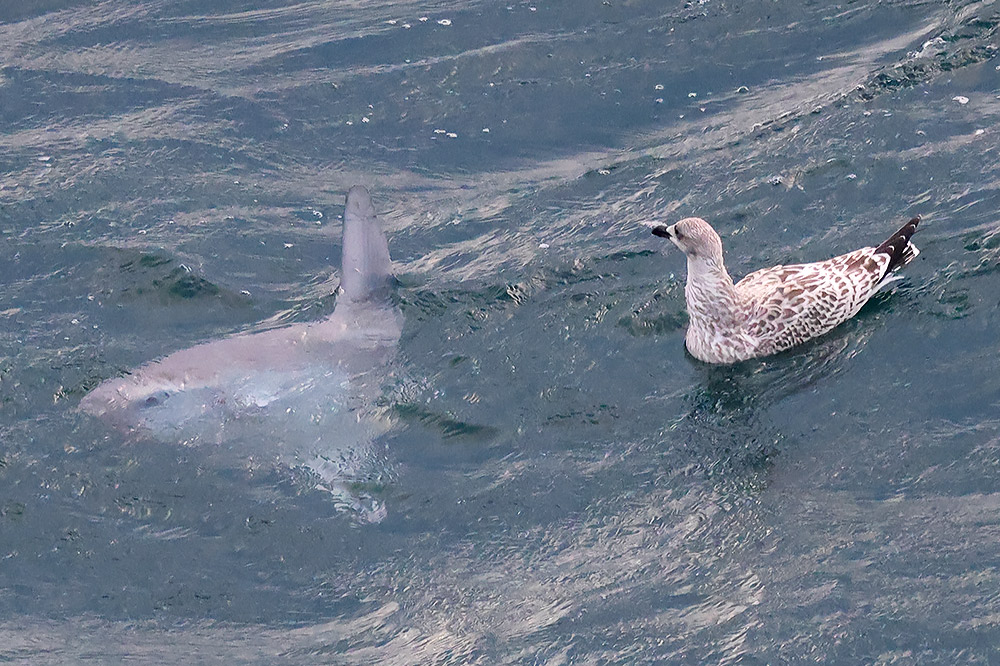
17th. Ocean sunfish being cleaned by a herring gull again off The Island. Four ravens over. A Leach's petrel, 6 sooty shearwater, a Cory's shearwater, 4 Arctic skua, 4 bonxies, 10 Arctic tern, 5 common scoter, kestrel, 11 grey phalarope and a whimbrel from The Island.
16th. Ocean sunfish being cleaned by a herring gull off The Island.
We visited Cot Valley to see the Queen of Spain fritillary, which is a little tatty now. The spotting pattern is different from that on the recent Kenidjack individual.
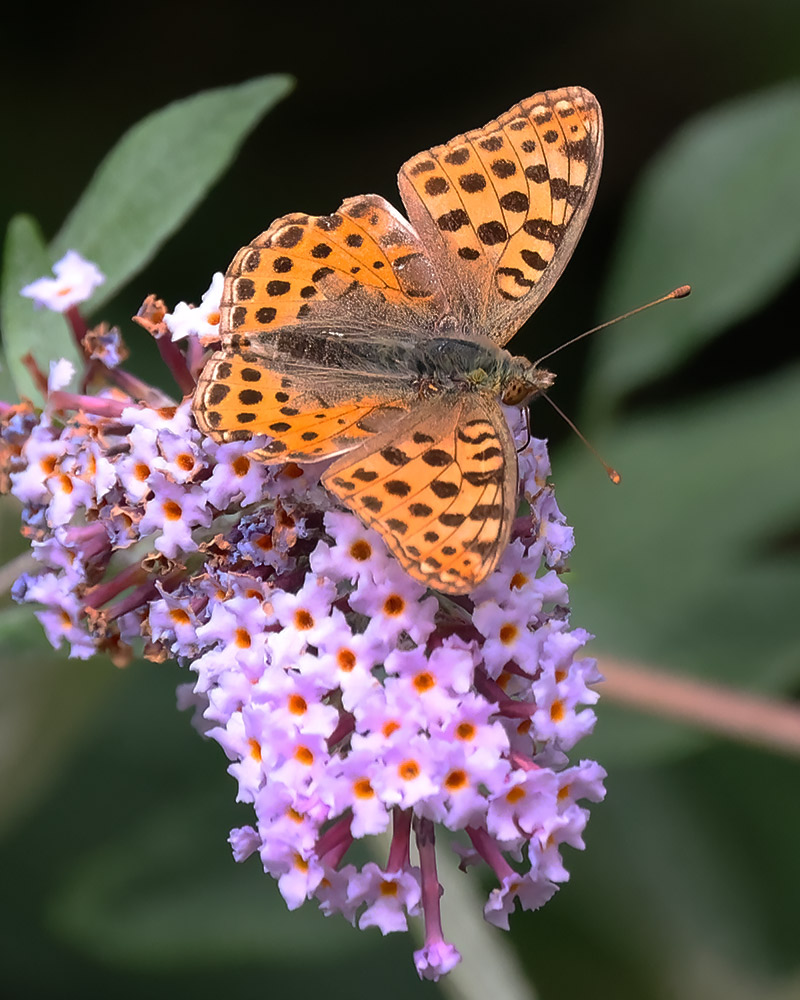
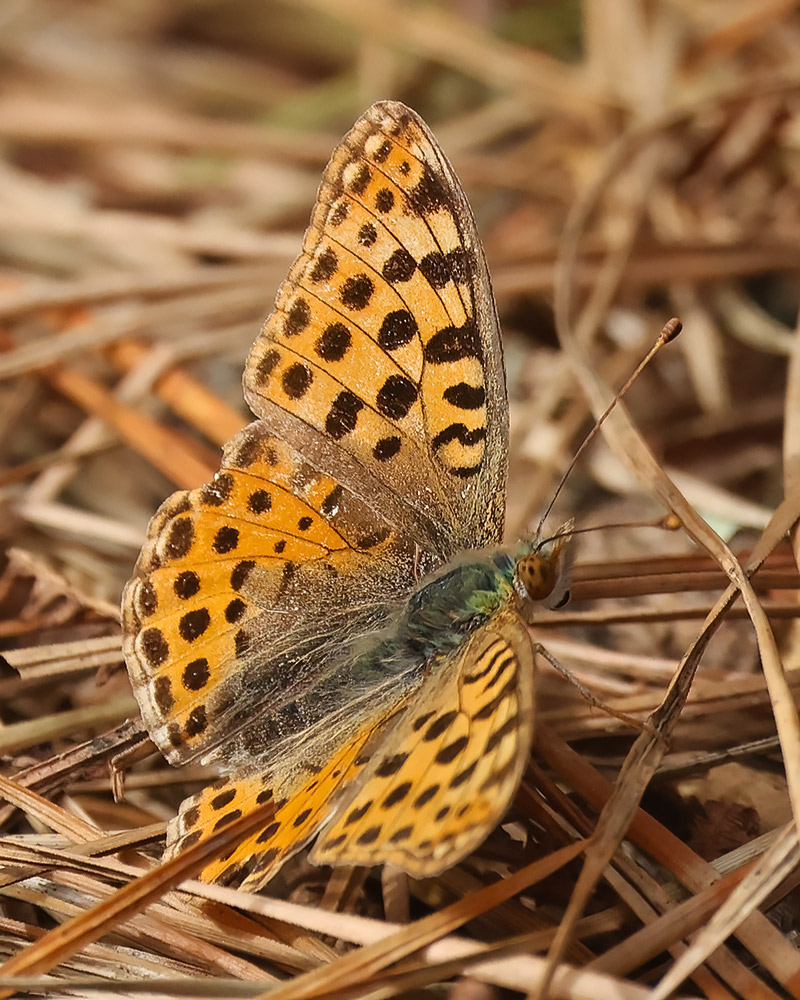
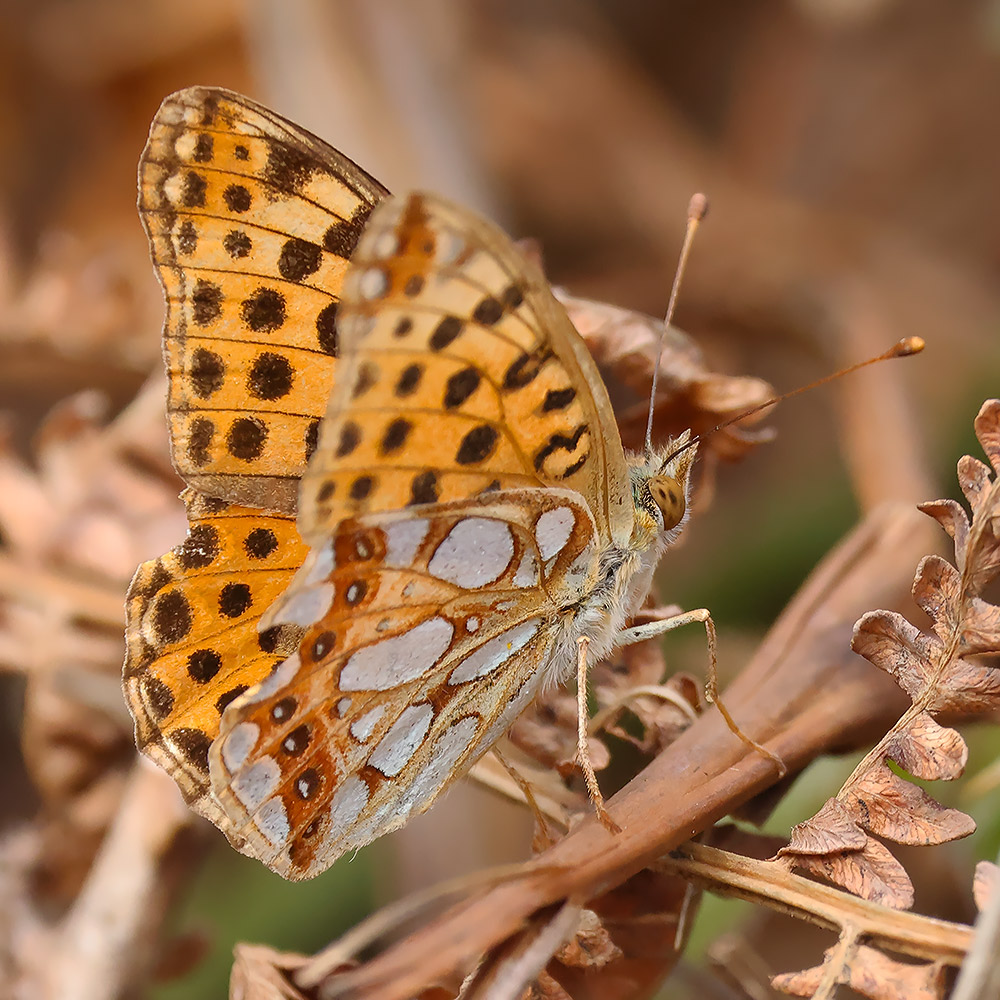
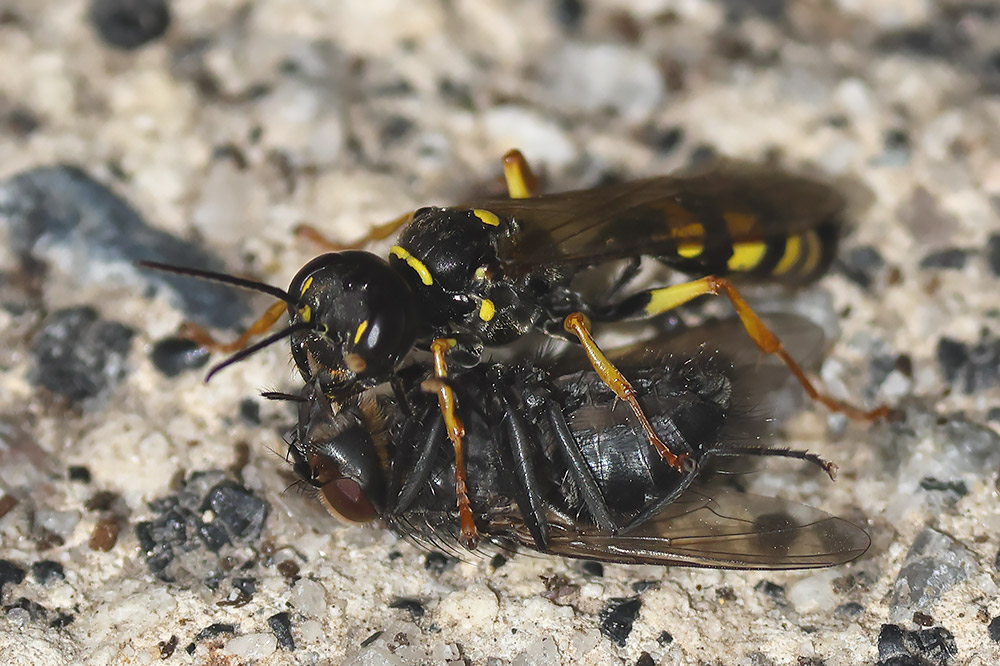
Field digger wasp with dipteran prey.
We also saw a keeled skimmer, hornet hover fly and a Cheilosia species of hoverfly.
15th. Two bonxies, 19 common scoter and ca.5 common dolphins from The Island in the morning. A curlew flew over. In the early evening I saw a Leach's petrel, a Balearic shearwater, about 20 Manx shearwaters/minute, 4 common scoter, 1000+ auks, mainly guillemots, 3 grey phalarope,a whimbrel, 2 bonxies, 2 Arctic tern and about 50 Sandwich tern.
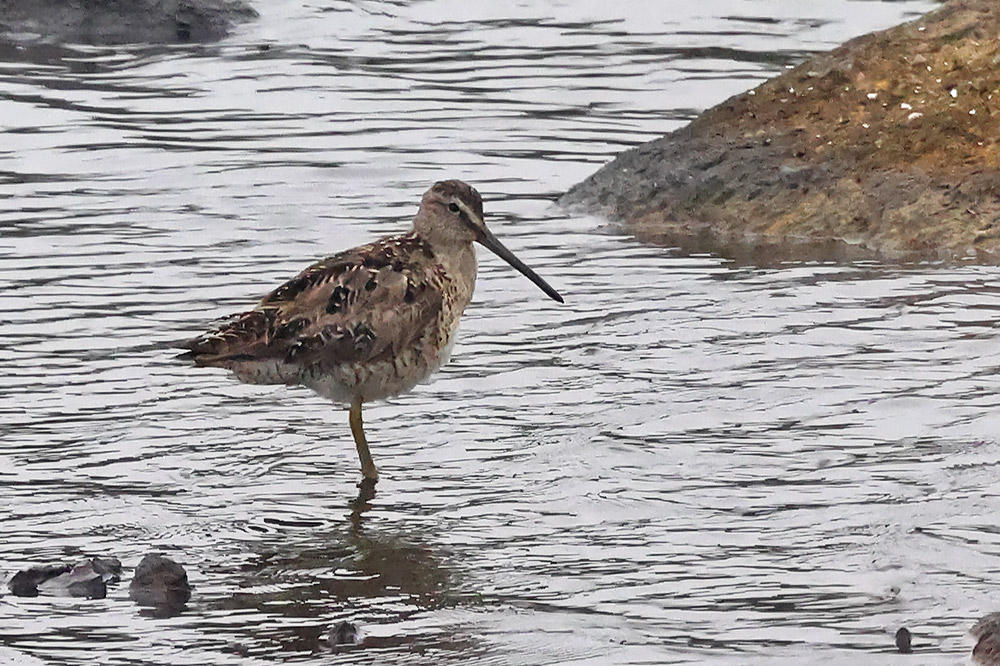
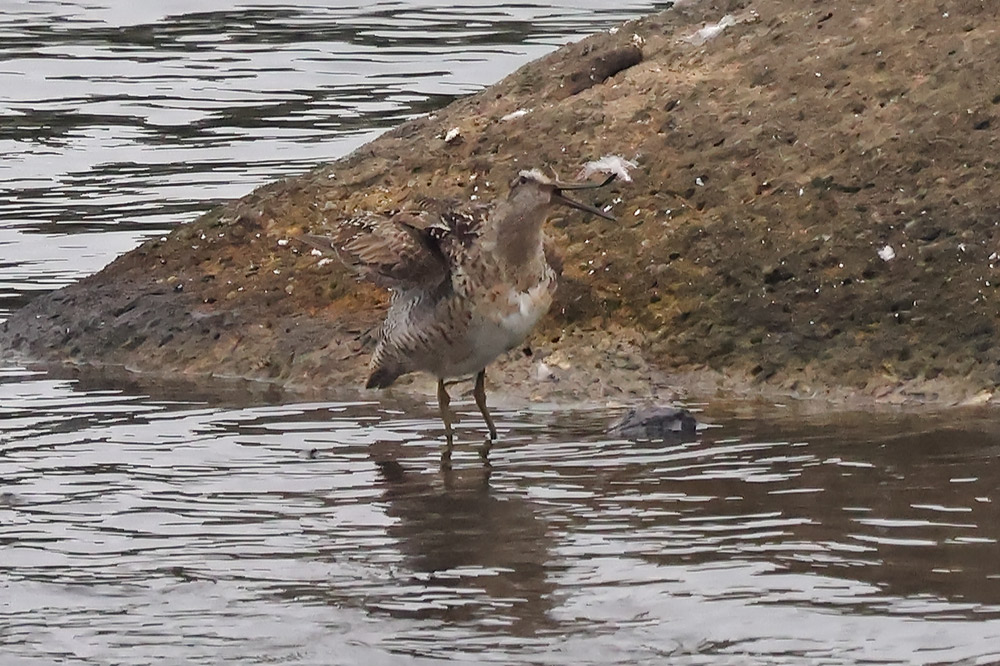
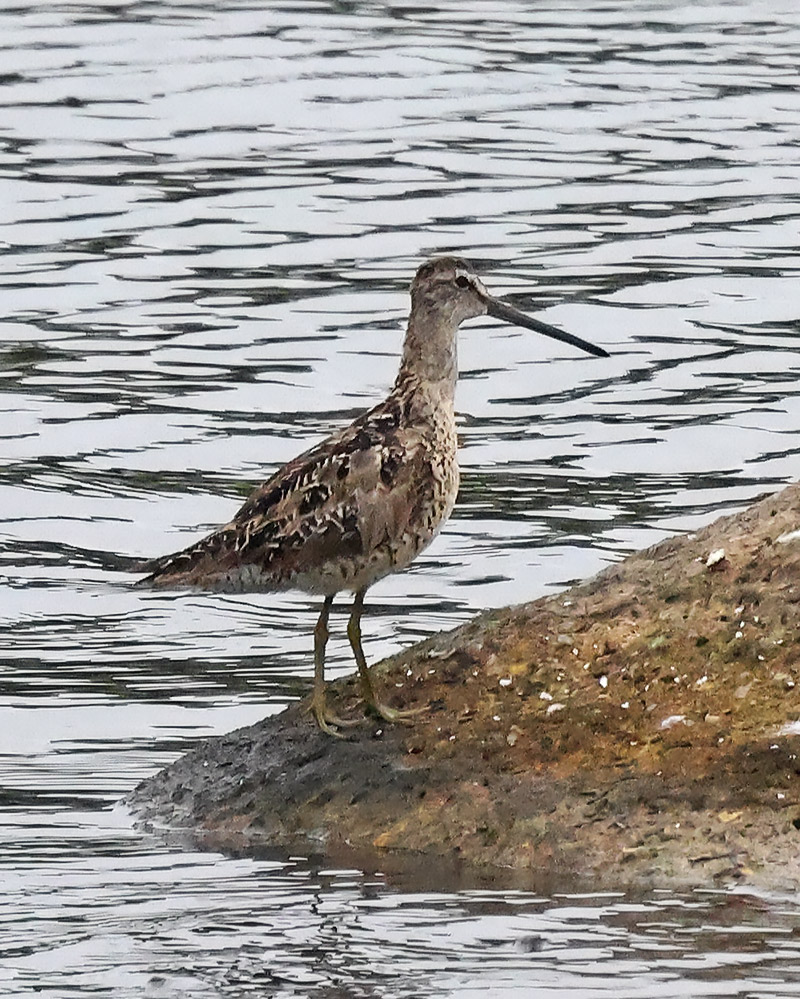
14th. A dowitcher appeared at Drift Reservoir and created a fascinating discussion about its identification. The bird seems to be a moulting adult (first adult in Britain?), so lacked the characteristic notched tertials of a juvenile short-tailed. The fine barring on the underwing with regular striping on the axillaries, the turnstone-like call, together with a slight kink in the bill, narrower black than white tail bars and extensive barring on the flanks proved that it was Britain's fifth short-billed dowitcher. The species has declined substantially in America and is likely to become increasingly rare as a vagrant. It fed on dragonfly nymphs until it was almost taken by a juvenile peregrine and flew off. I managed to spend 10 minutes watching it before it disappeared.
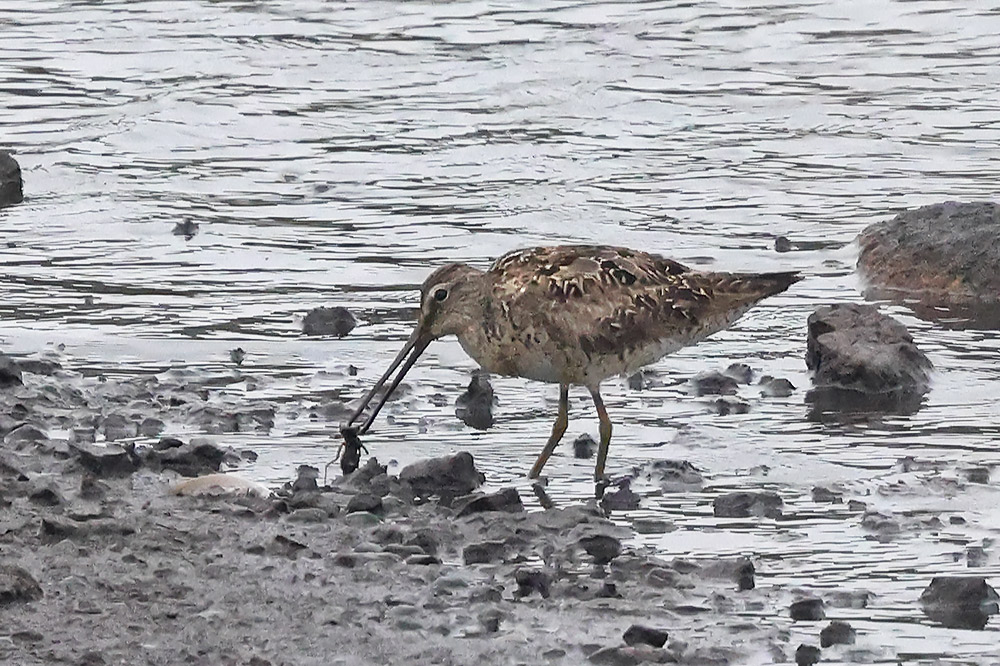
Some distal rhynchokinesis!
11th. Juvenile peregrine, Botallack.
10th. Return trip on the Scillonian III during its last summer. Fairly quiet - a bonxie with some red string tangled around its legs, and the a sooty shearwater and two Balearic shearwaters between Porthgwarra and Tater Du Lighthouse. On the two-week trip I saw 97 species, some good scarcities and rarities, though no new birds.

9th. Bryher - few birds, though a great walk and we saw some heather colletes bees and a probable helice clouded yellow.
8th. I stayed on St Mary's and walked around the north part of the island. I had decent views of the wryneck at Buzza Quarry.


I found 2 prickly stick insects at Farmer Brown's cottage.


Better views of the red-backed shrike at Carn Friars


7th. St Agnes. The Devil's Punch Bowl.

The Nag's Head
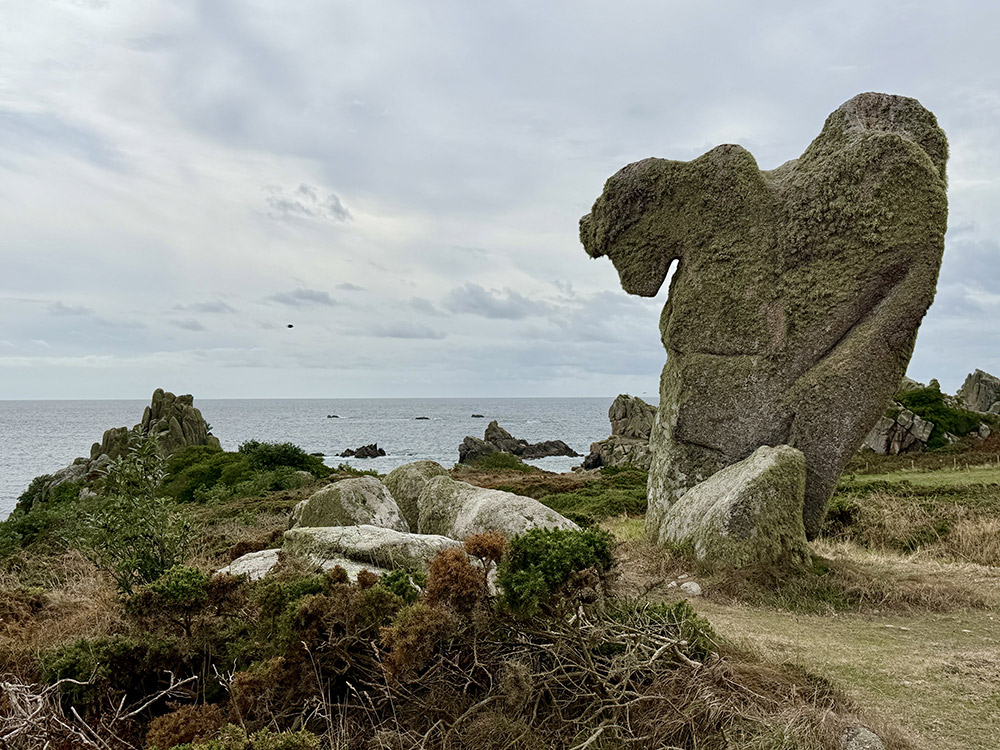
Curlew over Wingletang Down and little ringed plover on the Big Pool.

Lesser white-toothed shrew (Scilly shrew) at Per Askin.

Form helice of the clouded yellow on Wingletang Down.

We visited the Hilda Quick exhibition in the Village Hall. Among the images below is a portrait of Bernard Leach, and a depiction of a trip to Annet to record Manx shearwaters with the pioneering sound recordist Ludwig Koch.

Hilda Quick also sketched kelp harvesters, a tradition kept alive today by artist Peter Macdonald Smith at Porthloo.
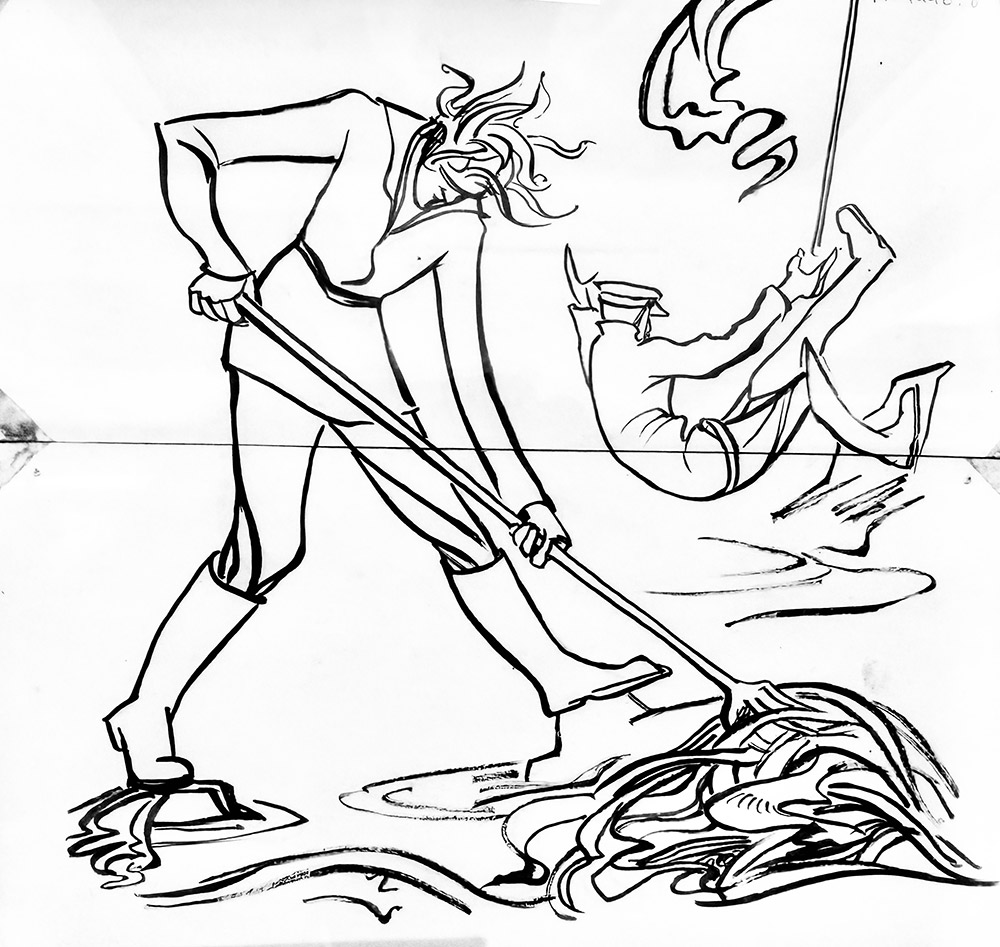
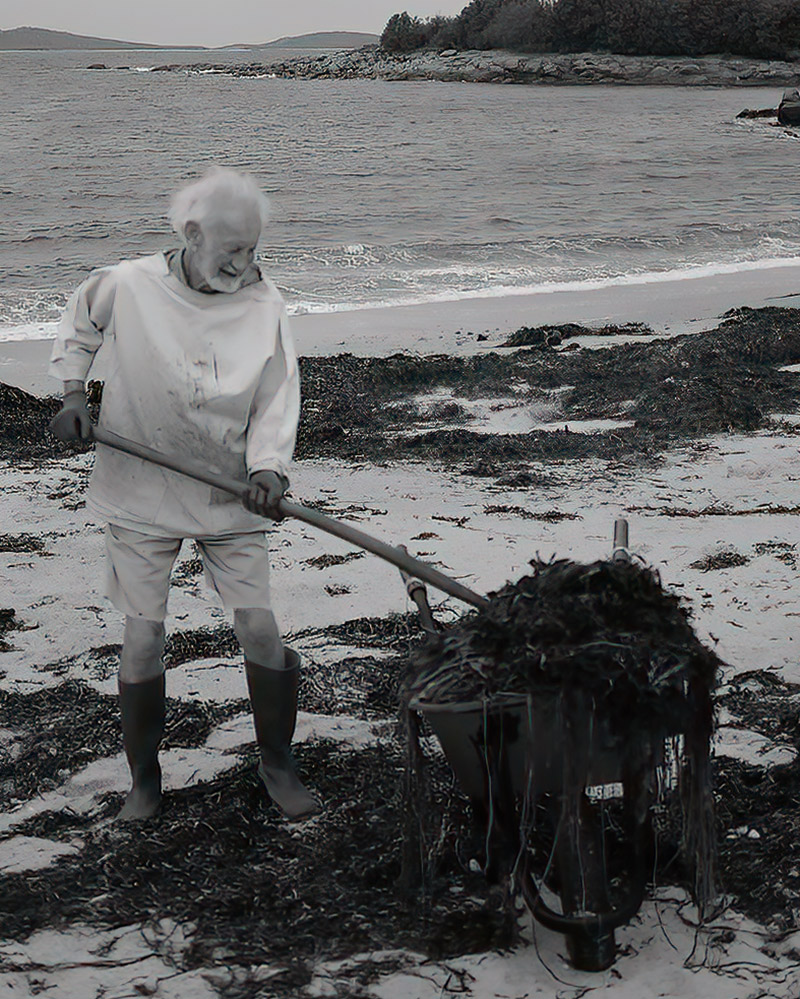
In the evening I caught up with the juvenile red-backed shrike near Porth Hellick in the Carn Friars orchard area. It was elusive, and fed on a Scilly shrew in a bush.
6th. A day spent hunting for stick insects - I couldn't find any in the Old Town churchyard, but eventually found one outside Farmer Brown's cottage at Four Lanes End. It is the prickly stick insect Acanthoxyla geisovii from New Zealand. It was first recorded near Paignton in 1903 then on Scilly at Tresco Abbey Gardens in 1943 though it probably arrived before then as no plants had been imported from New Zealand since the start of World War II.


Ivy bees are abundant at present.

The fleshy yellow sorrel Oxalis mirbelii is established on Scilly as it is frost sensitive. It is native to Chile and Peru, and was first recorded in Tresco Abbey Gardens in 1940 and is now widespread.

5th. An early morning walk to the scrub on the east side of the airfield. The melodious warbler showed well. The 'Scilly 60' run around the islands takes place tomorrow, so I tried to see 60 bird species in a day. I managed 64.


Sedge warbler and whinchat were also present.
On Tresco I caught up with the citrine wagtail (seen for the last time), ruff, solitary sandpiper, common sandpiper, green sandpiper, wood sandpiper, buff-breasted sandpiper on Great Pool. The pectoral sandpiper showed well.

There was a water rail, curlew sandpiper and a grey wagtail on the Abbey pool, and a goldcrest in the Abbey Gardens.
Lots of red squirrel activity around the feeding station.


4th. I walked towards Porth Hellick from Old Town as a melodious warbler had been seen near the airfield. Another birder saw it briefly, but I didn't. I did see about 10 wheatear.


Whinchat

A kestrel and a wryneck were also present.
Heather colletes bees Colletes succinctus are still on the wing and feeding on heather Calluna vulgaris, though looking tatty.


Kangaroo apple Solanum lactinatum, native to Australia and New Zealand, is established on the islands. This plant was in the Standing Stones Field near Old Town.

3rd. I spent some time at Shooter's Pool trying to locate the greenish warbler, but it appears to have moved on. A spotted flycatcher showed nicely, and willow warbler, chiffchaff and blackcap were also present.

I returned to see the buff-bellied sandpiper, now back at the riding stables.

2nd. I cycled to see the buff-bellied sandpiper at the riding stables. I caught up with it briefly at some nearby fields the night before.
Some great birds on Tresco, including spotted crake, 2 green sandpiper, pectoral sandpiper, little stint and black-tailed godwit.
Curlew sandpiper 3 present.

Solitary sandpiper - found while I was there.


Female citrine wagtail


A red squirrel eating a leatherjacket.


On my return I went food shopping and missed what would have been the only new bird for me - a greenish warbler at Shooter's Pool, close to where we were staying. Hetty managed to get a good photo of it!
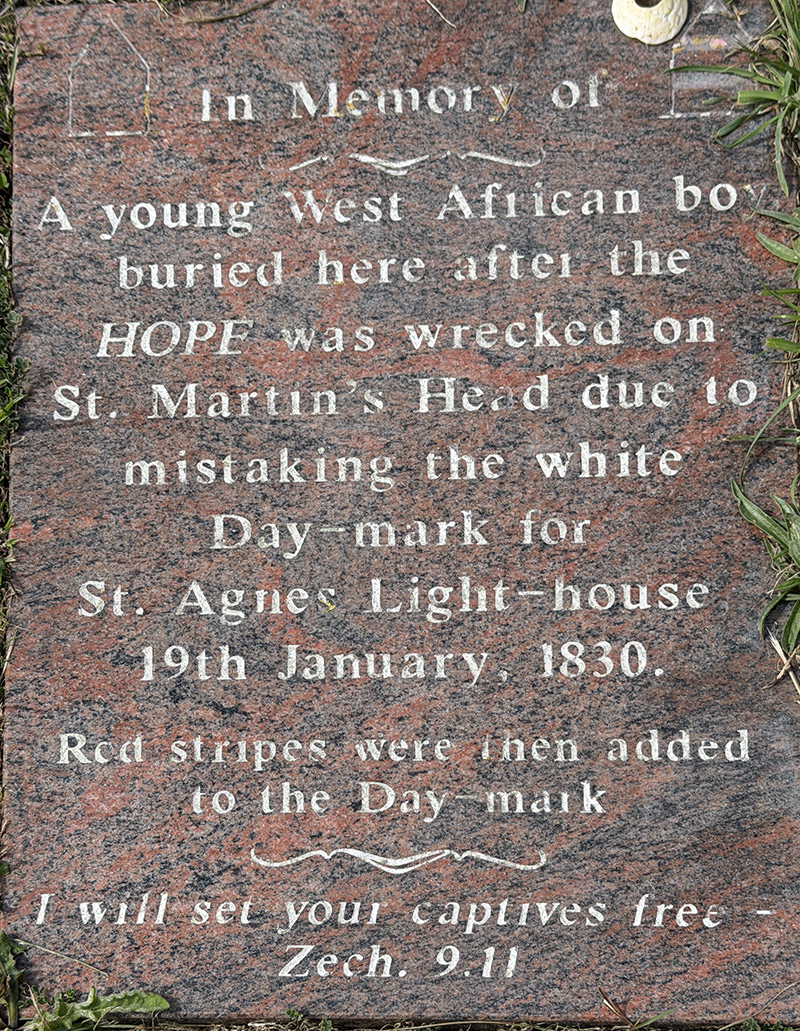
1st. We went to St Martin's though it was quiet on the bird front.
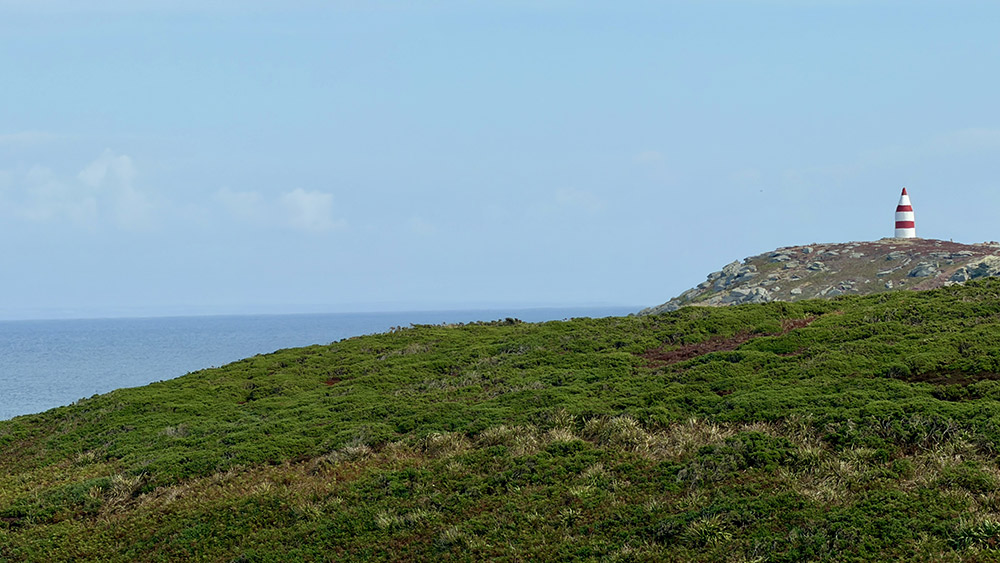
The poignant memorial in the church.
In the evening I eventually saw the buff-breasted sandpiper near Mount Todden Farm around dusk.