July 2026
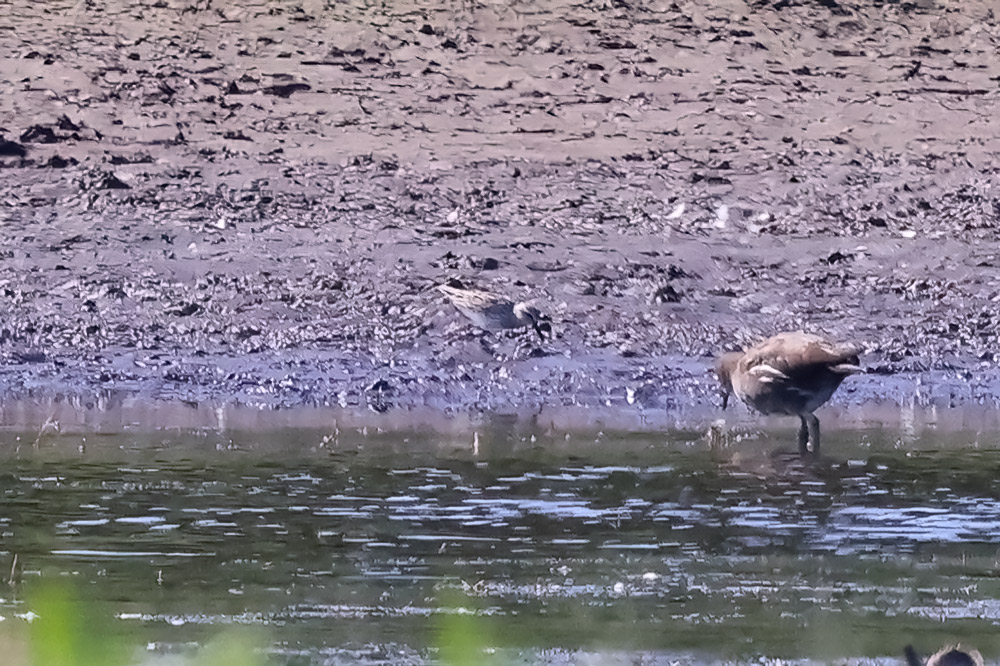
31st. Drift Reservoir with Liam to see the adult white-rumped sandpiper. We also saw about 5 green sandpiper, 2 redshank, a ringed plover and a juvenile yellow-legged gull. Record shot of the white-rumped sandpiper below.
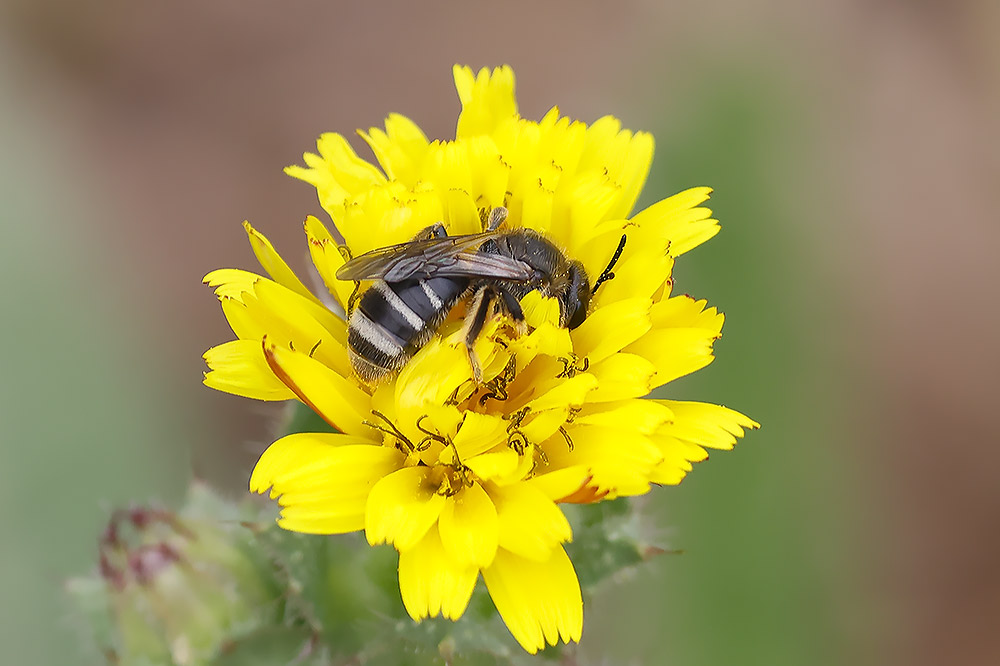
29th. Perranuthnoe. White-banded sweat bee Lasioglossum leucozonium.
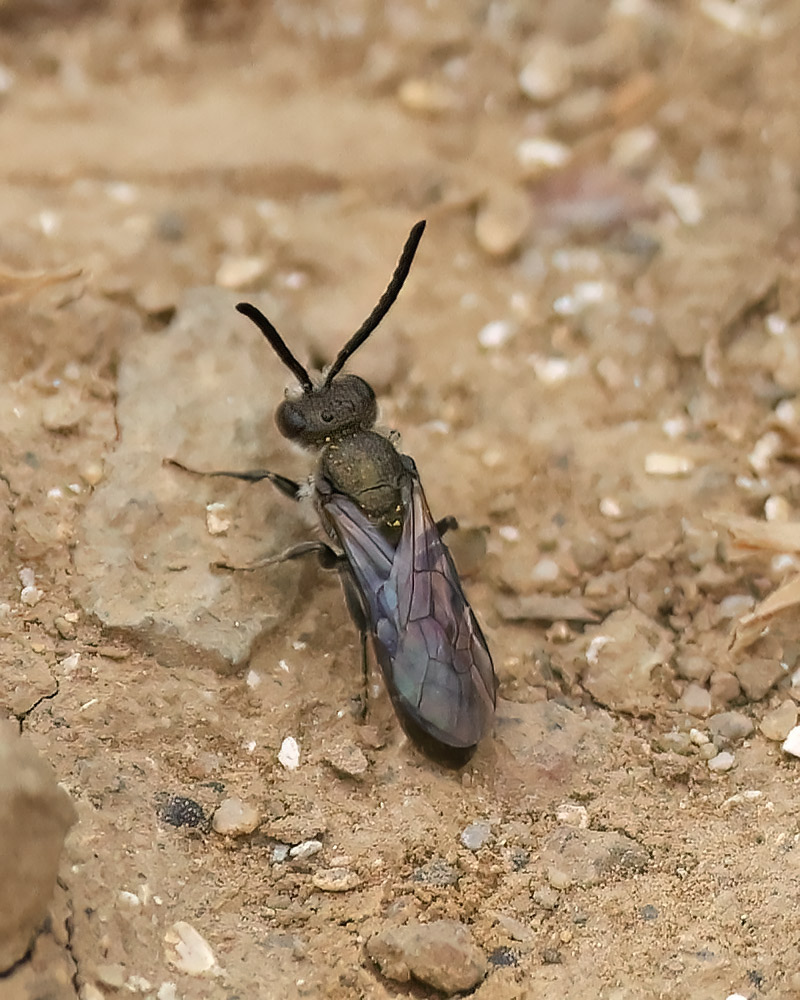
Probable green furrow bee Lasioglossum morio.
We also saw lots of clouded yellows and a yellow-winged blacklet Cheilosia impressa.
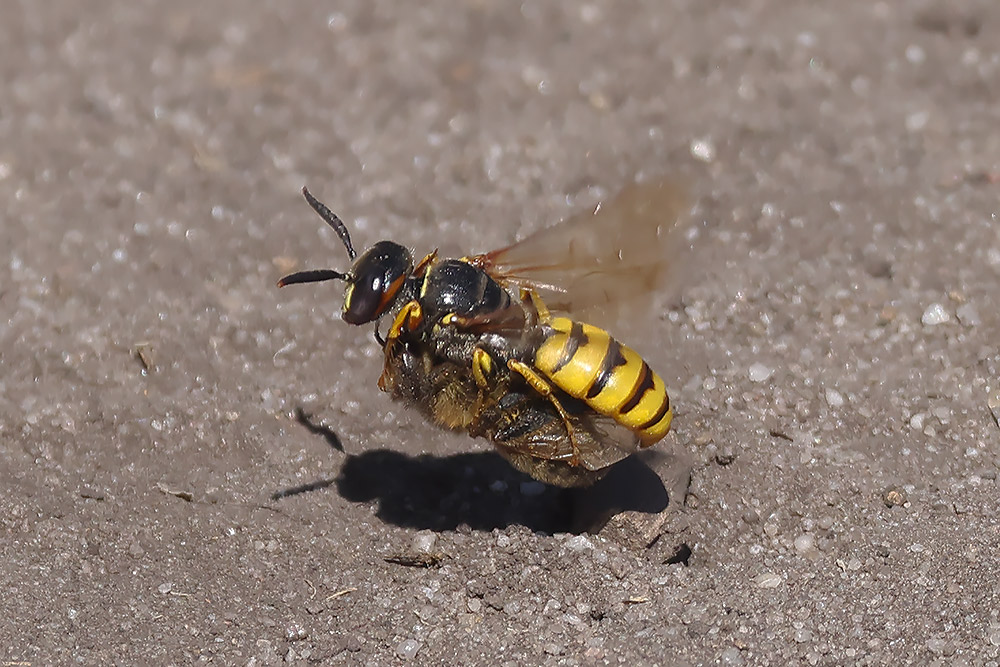
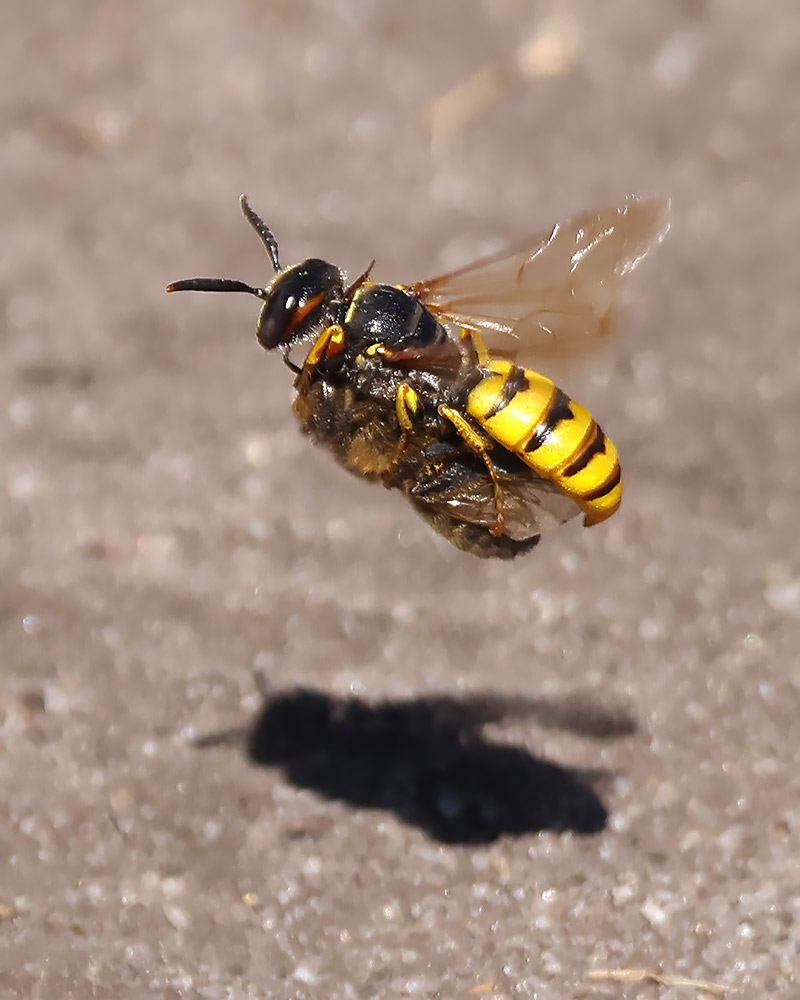
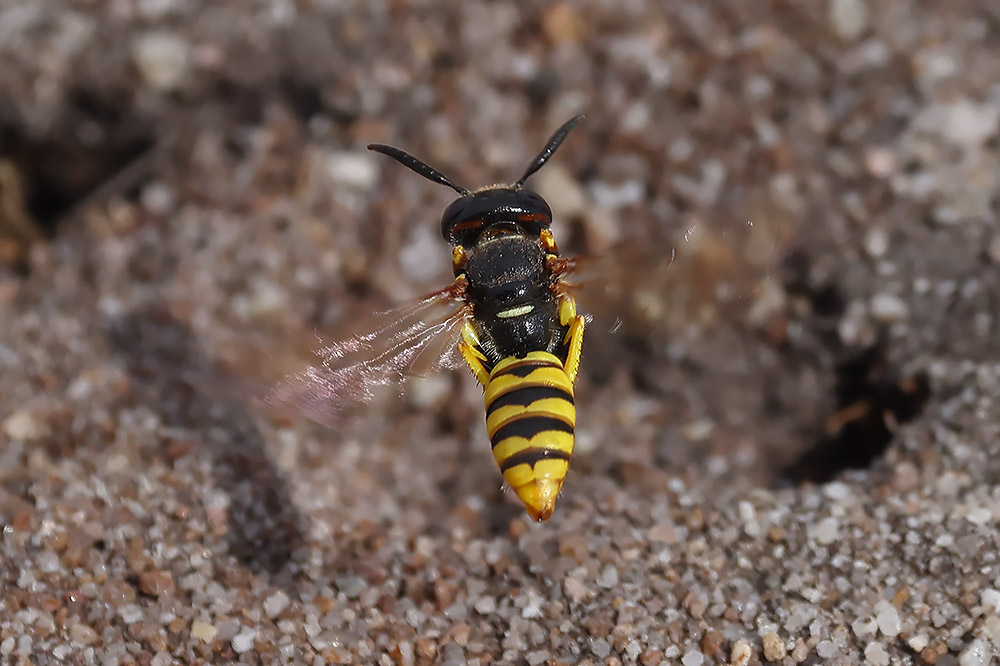
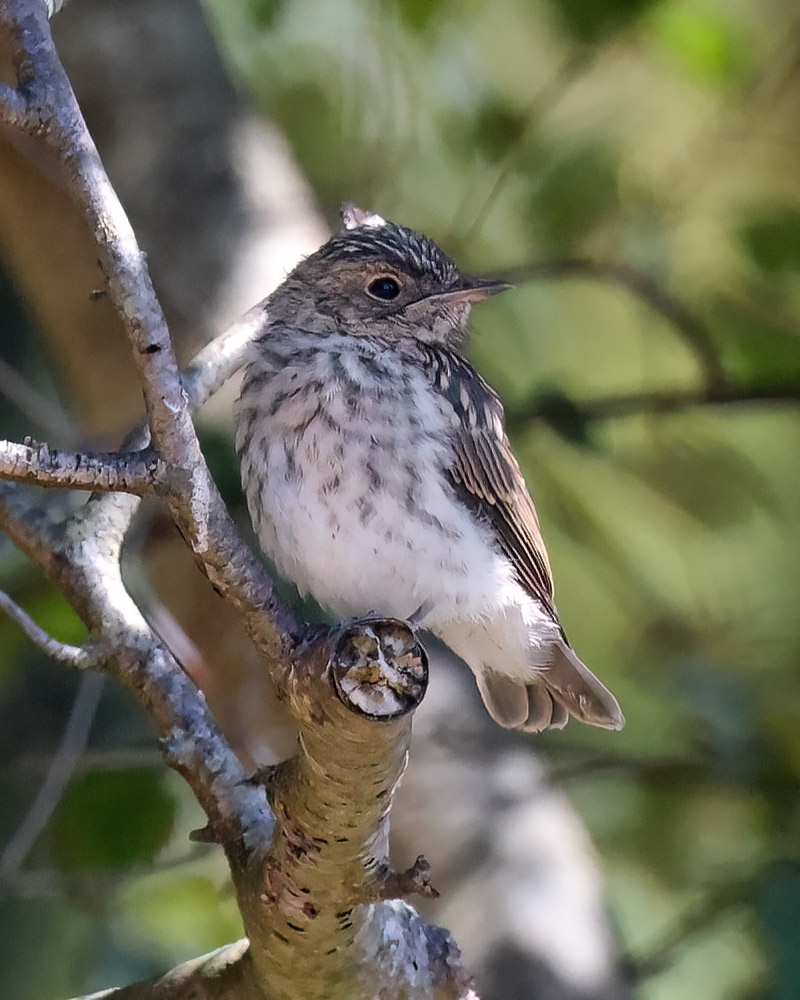
27th. The Isle of Purbeck, Dorset, staying overnight in Kingston Country Courtyard. We walked on Middlebere Heath looking for Purbeck mason wasps, though they seem to have stopped flying now. There were lots of bee wolves present, and Hetty photographed a green-eyed flower bee. At RSPB Arne, we walked Hyde's Heath Trail, which was quiet, though we did see a heath potter wasp Eumenes coarctatus gathering mud. We also saw a family of spotted flycatchers and a tree creeper.
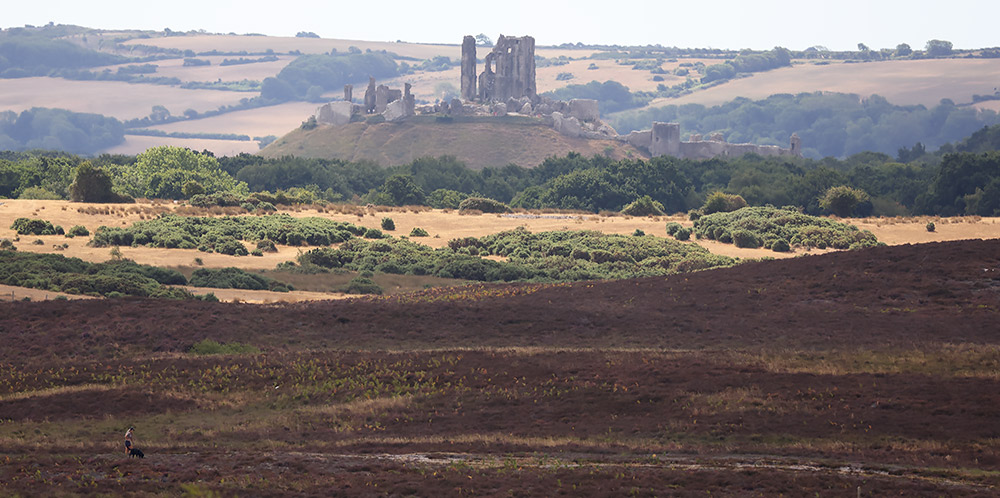
Middlebere Heath
Heath potter wasp, Arne
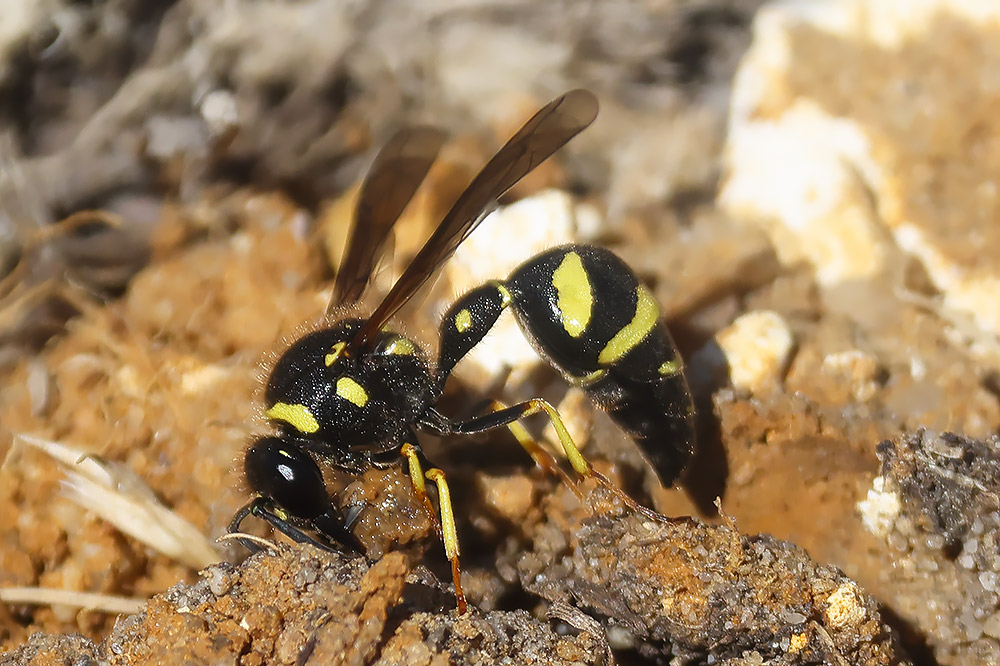
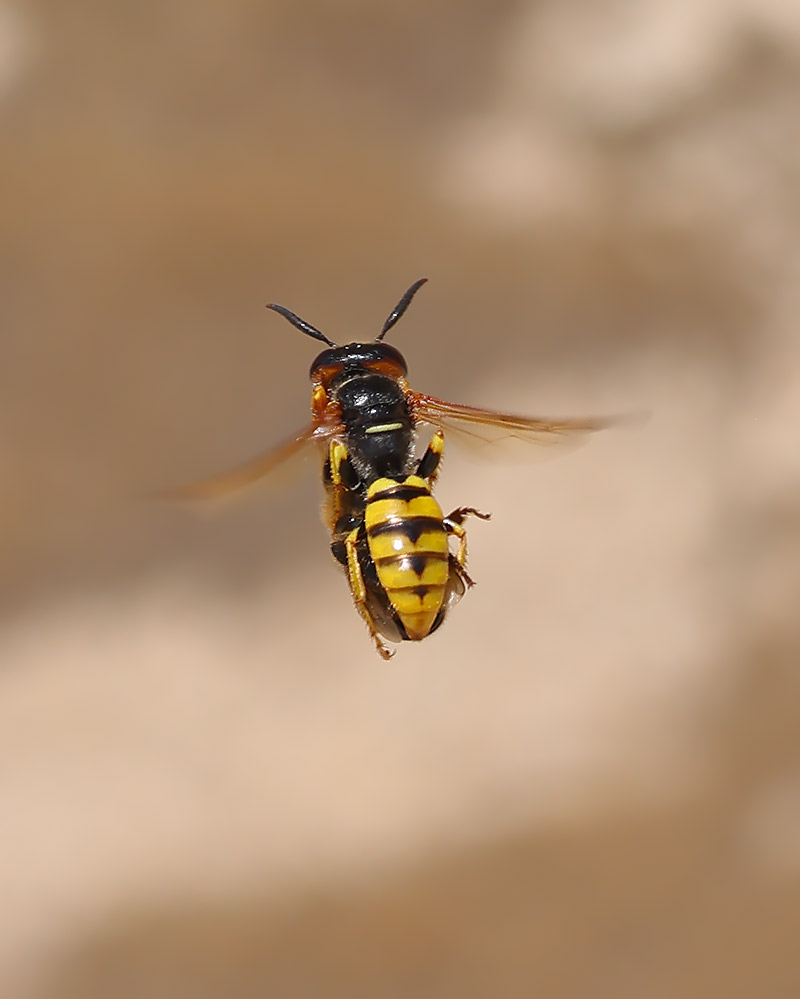
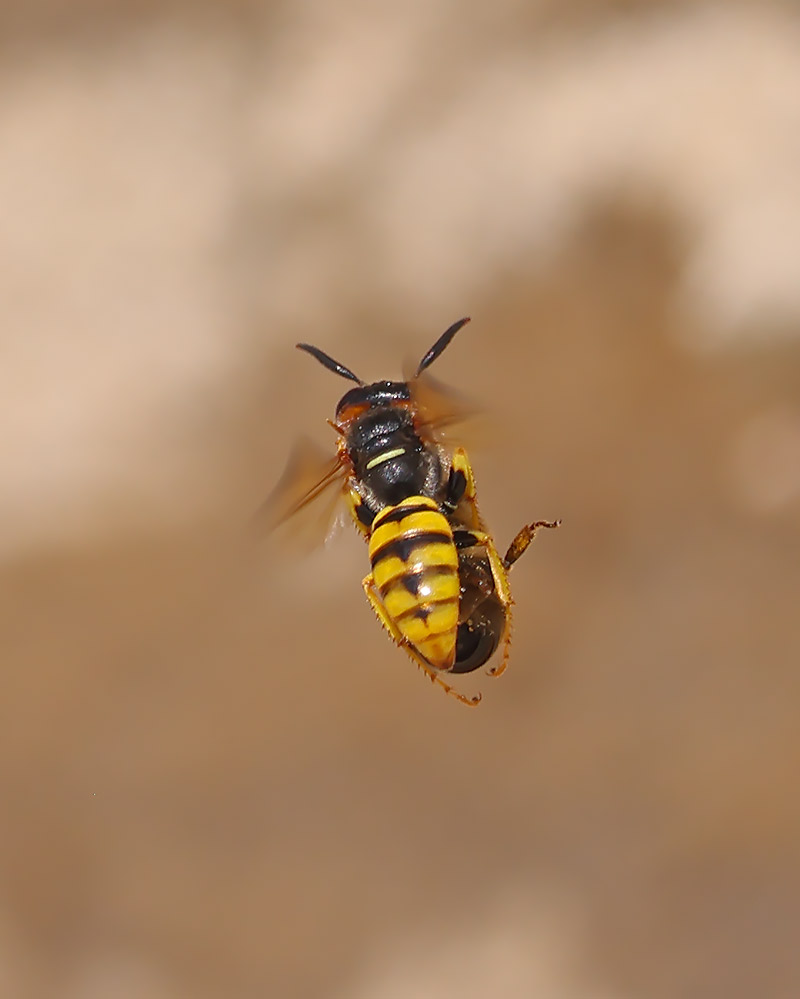
Bee wolves carrying honey bees
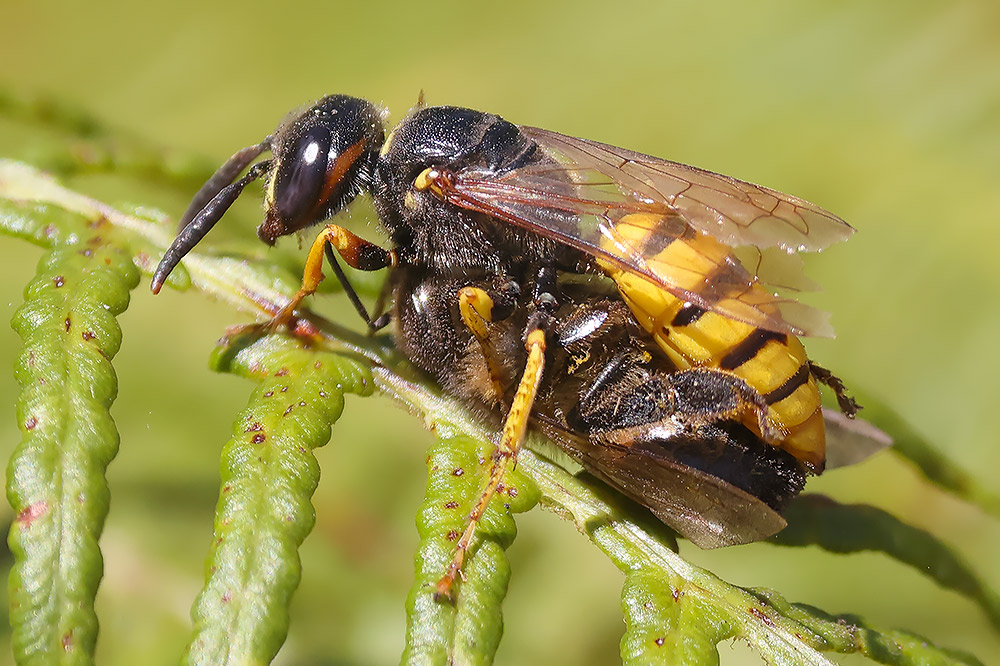
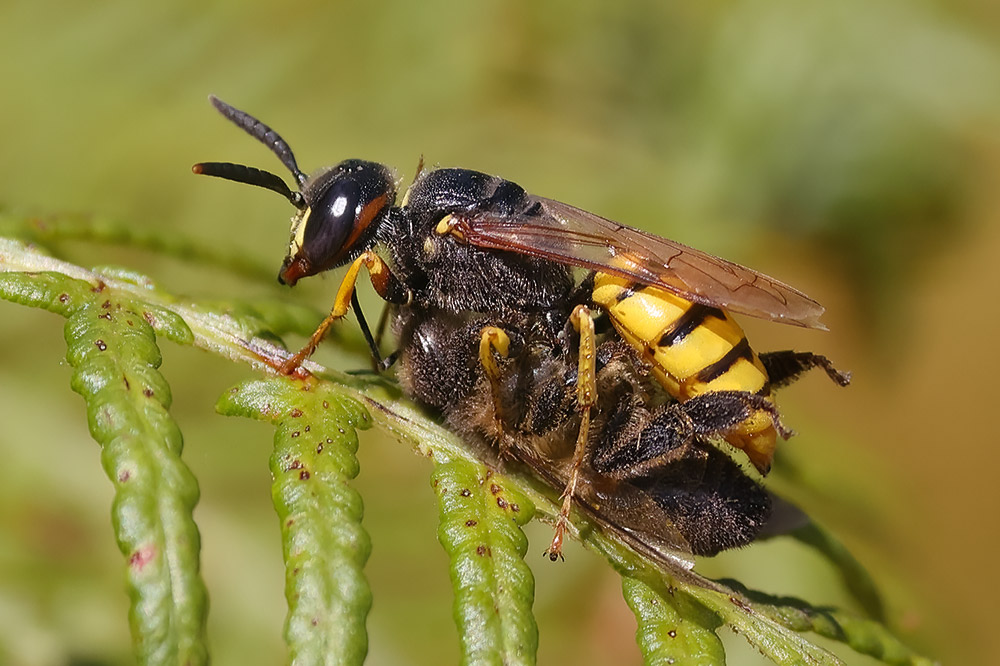
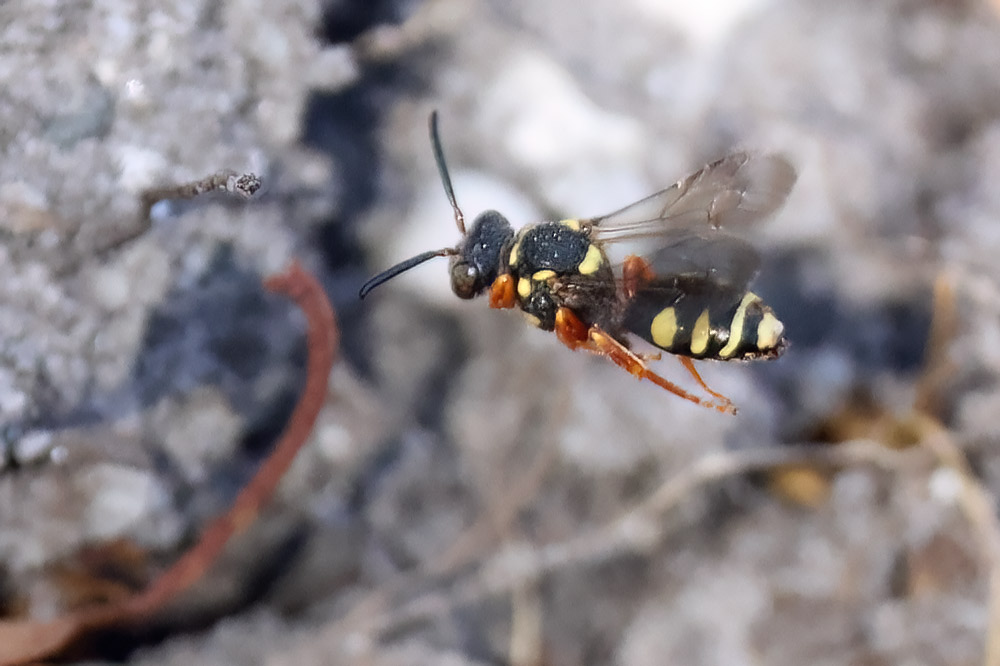
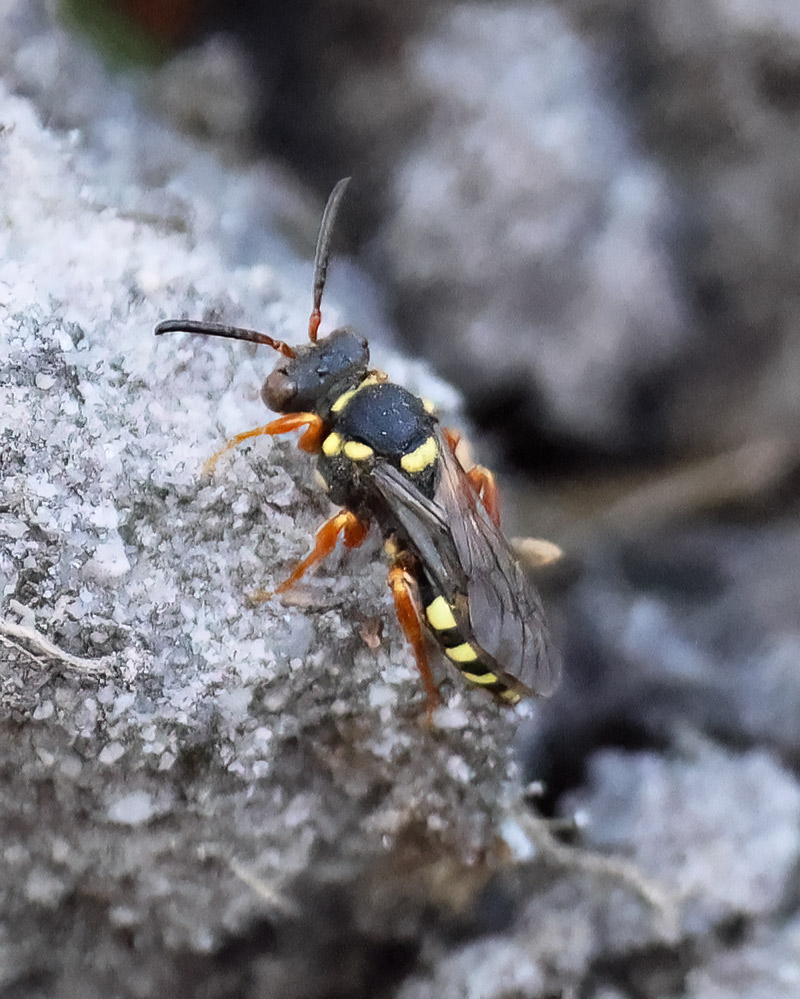
Black-horned nomad bee Nomada rufipes, which parasitises the heather mining bee Andrena fuscipes (which I didn't notice).
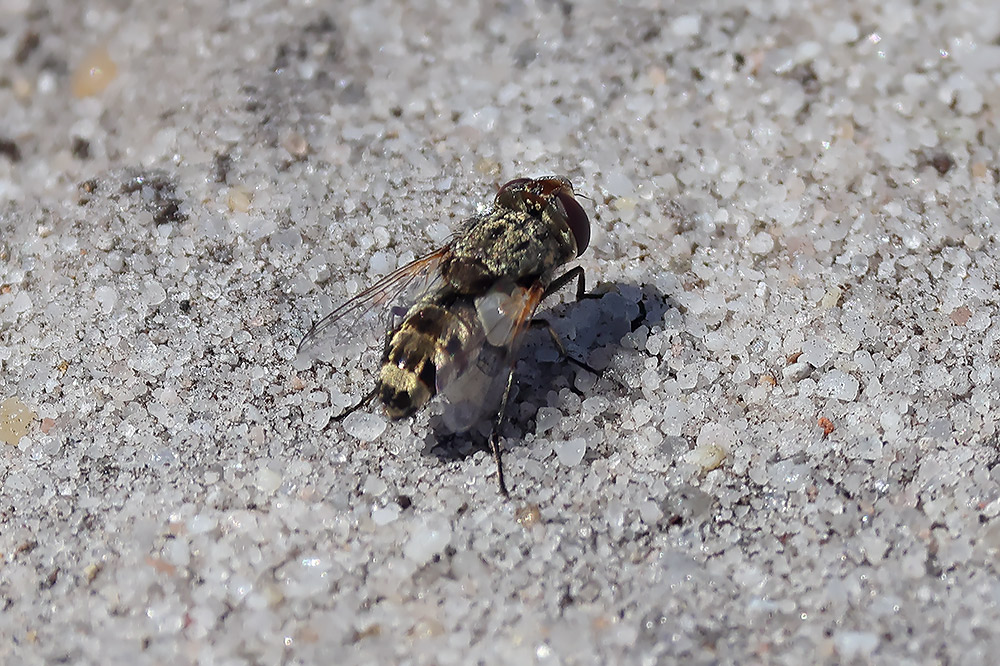
Miltogramma punctata for comparison with presumed M. germari below.
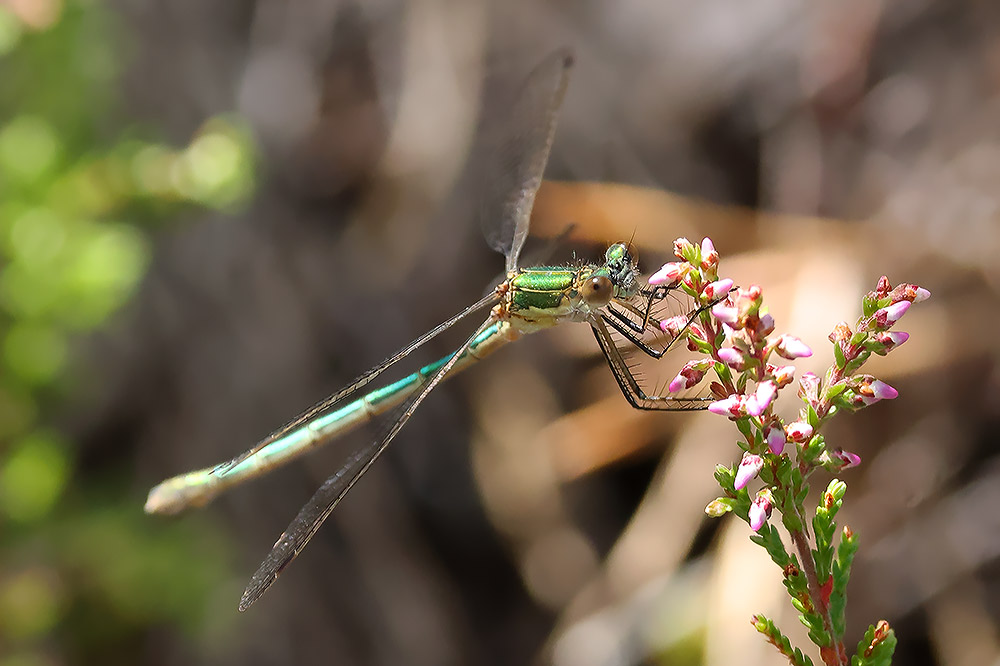
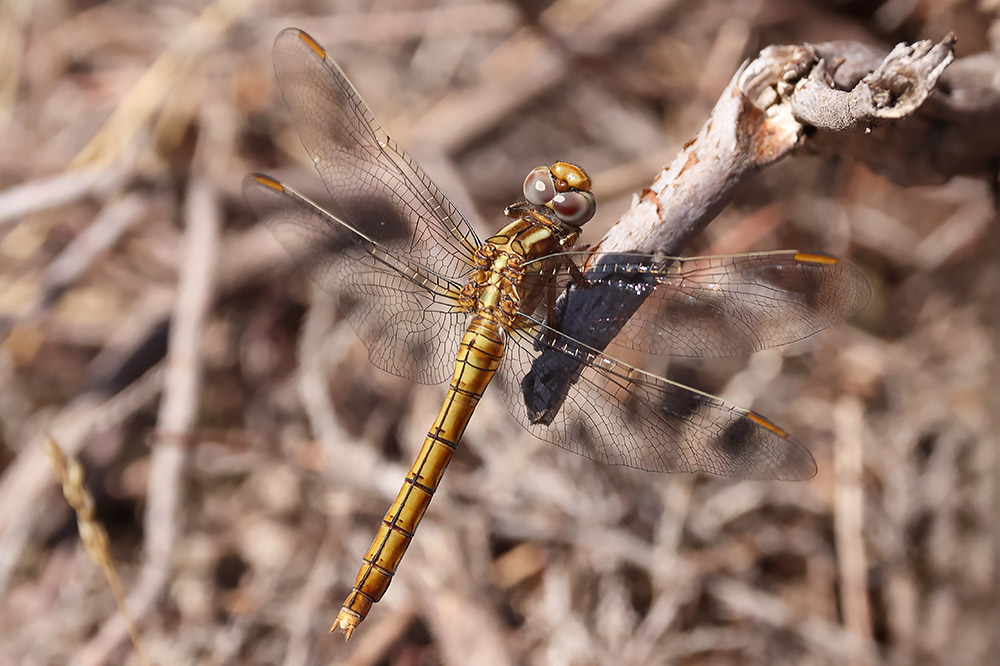
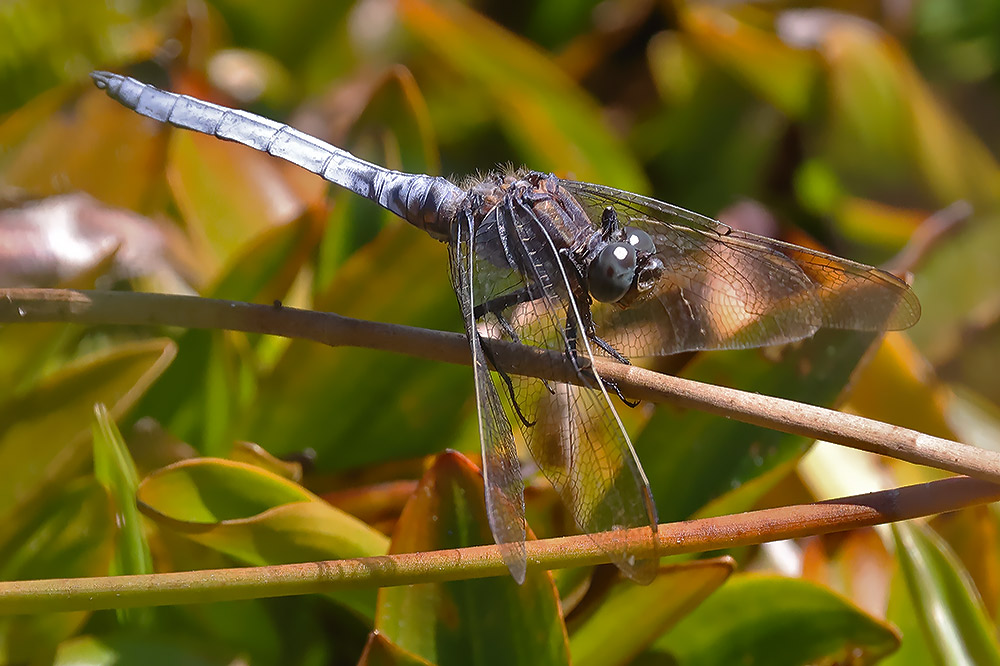
Odonata included emerald damselfly Lestes sponsa and keeled skimmer.
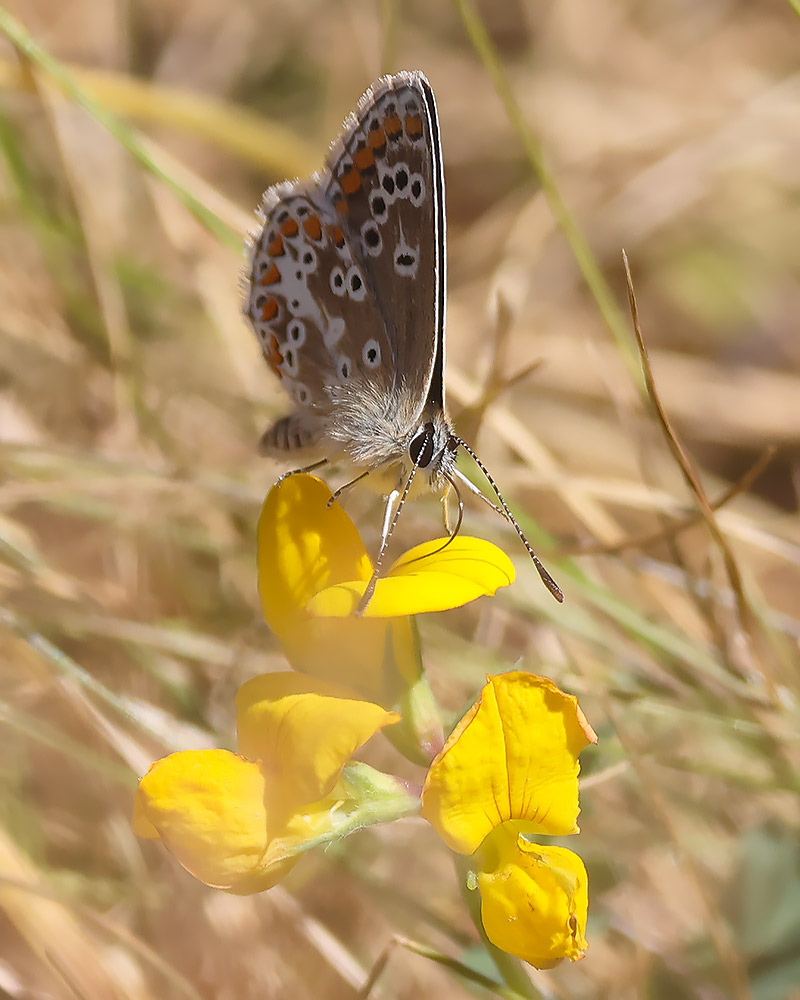
Several graylings were flying on Hyde's Heath, and there were brown argus butterflies (below) around the cafe area.
We also saw a family of spotted flycatchers and a tree creeper.
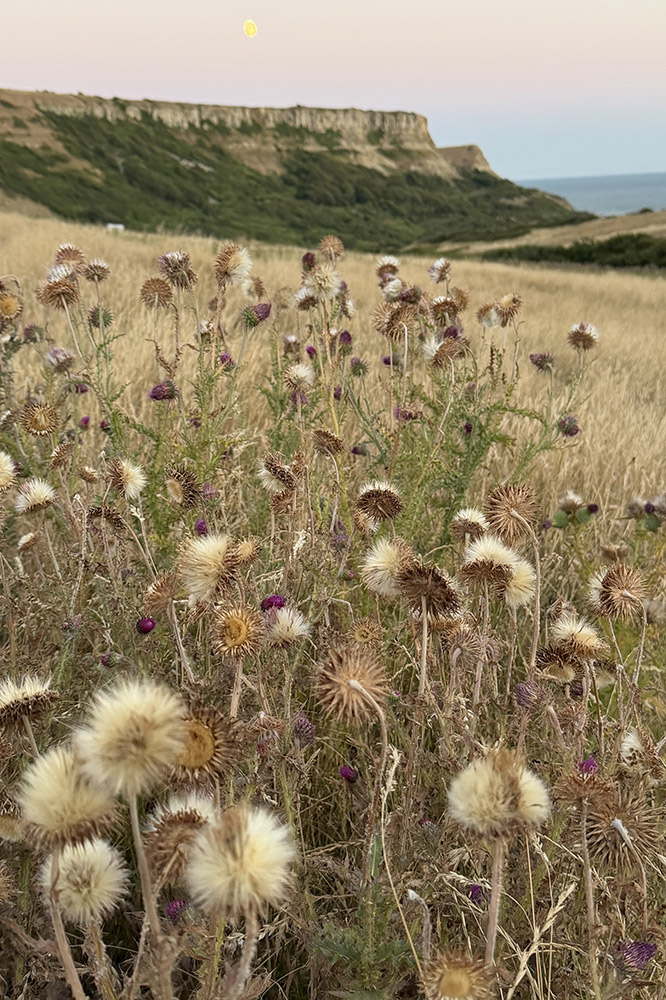
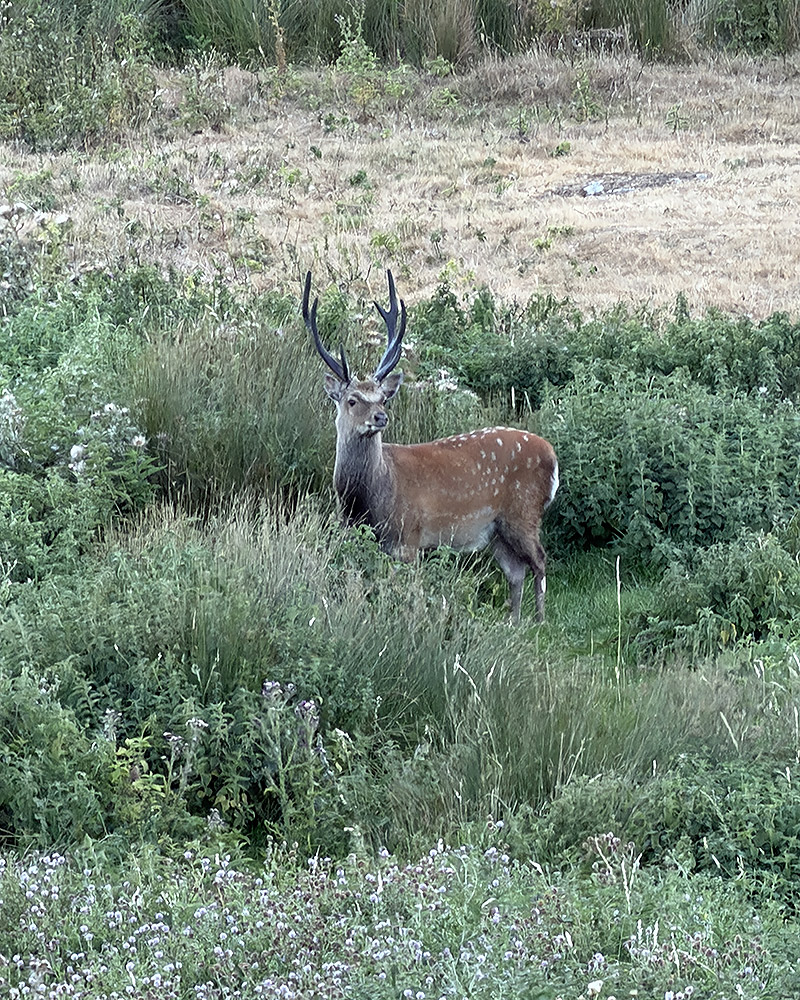
26th. We stayed at Kingston Country Courtyard on the Isle of Purbeck and had a great walk to Houns Tout/ Chapman's Pool area. We heard a little owl, and saw ca. 10 brown hares and 2 stag sika deer (iPhone photo below).
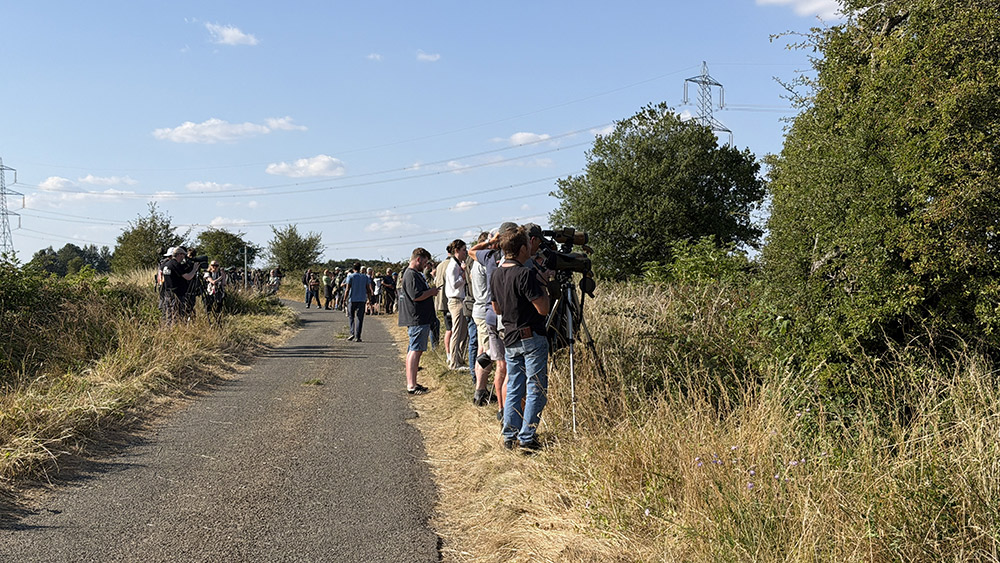
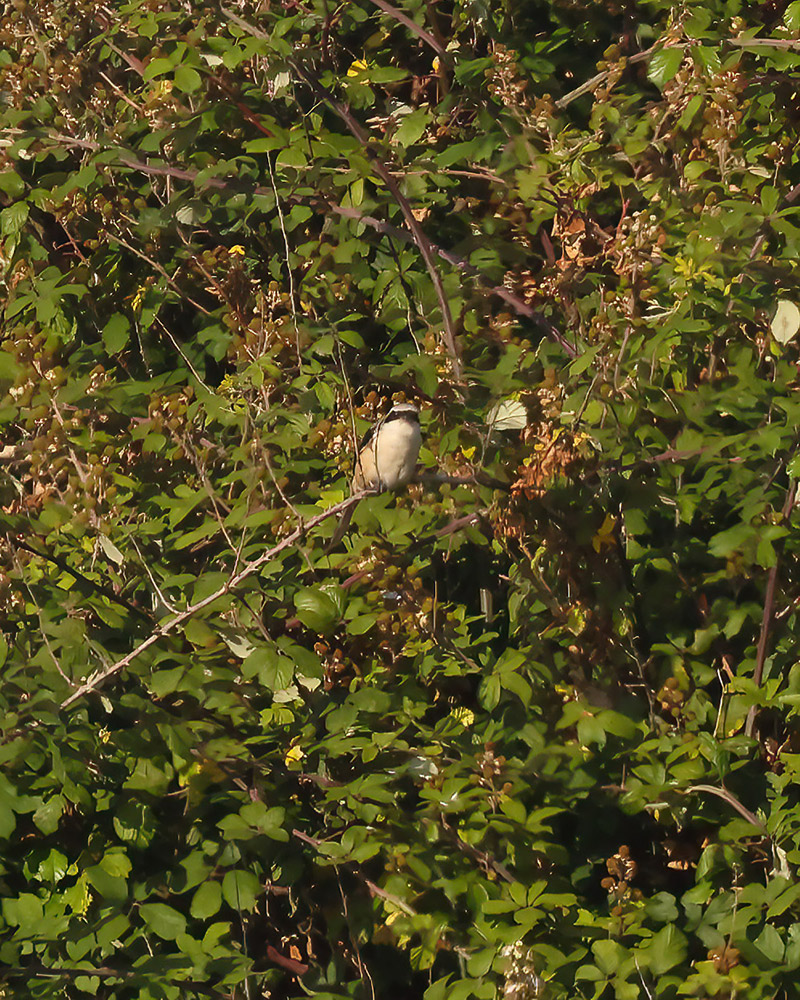
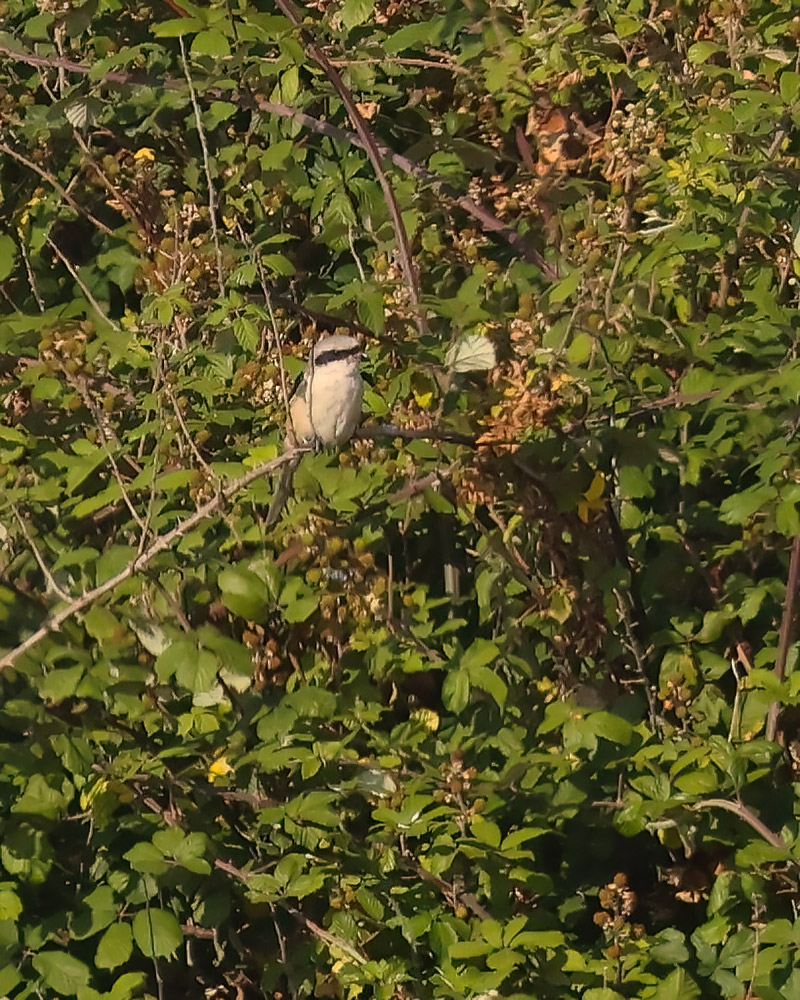
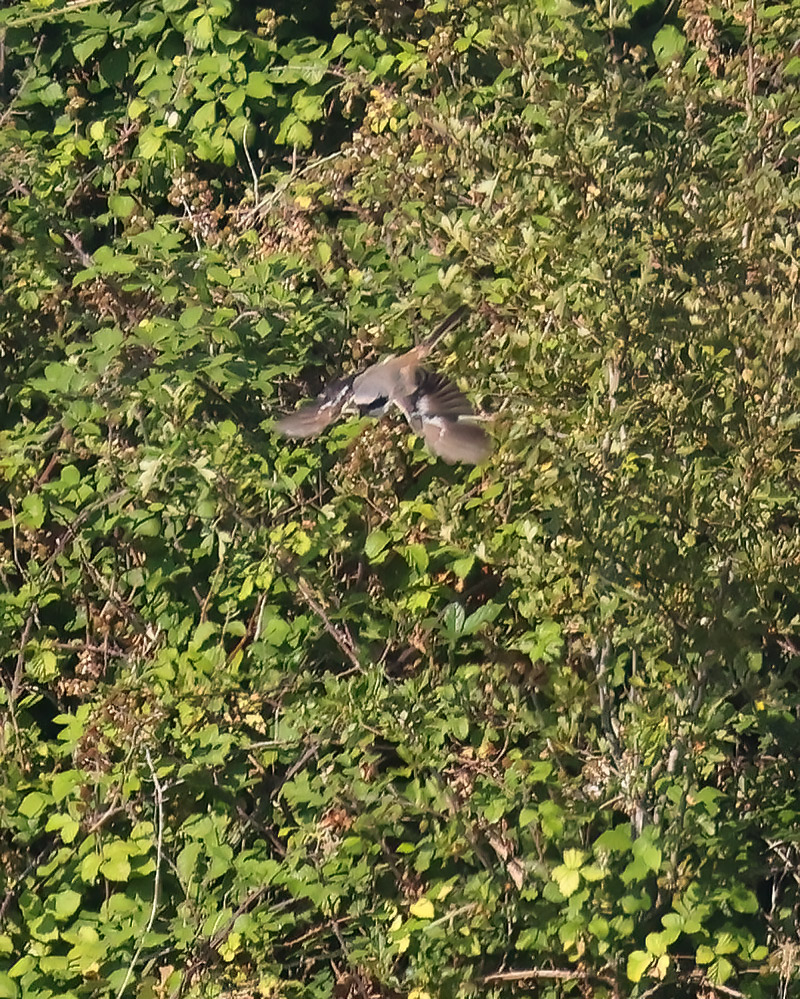
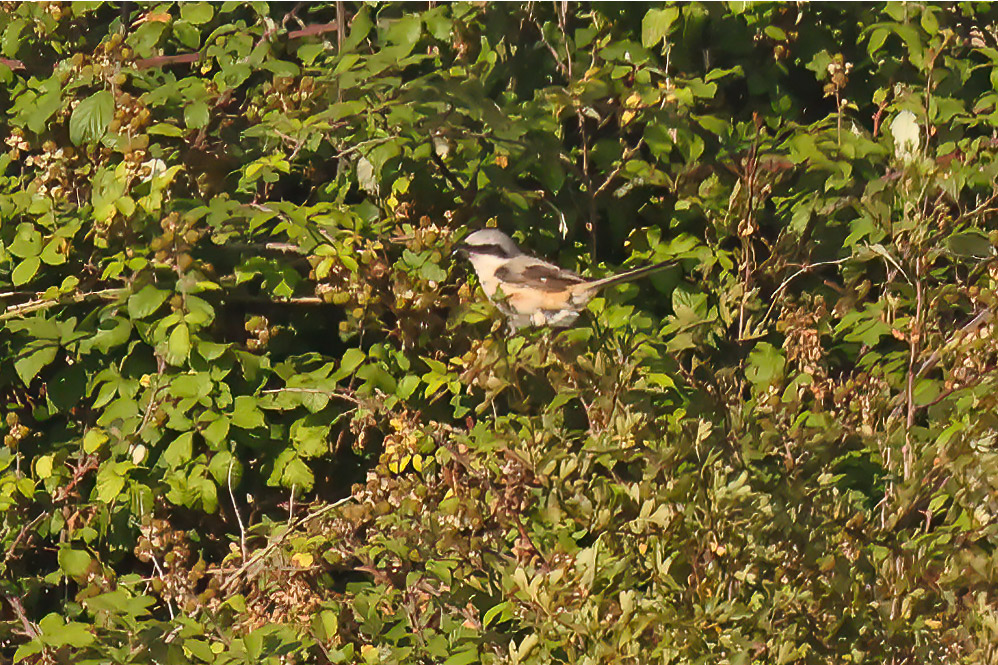
19th. I drove to Eastleach Turville in far east Gloucestershire past a still-present US B-1 bomber used in the war between the US and Iran at Fairford to see the first-summer LONG-TAILED SHRIKE that had been present in the area since at least 8 July. News was understandably suppressed initially as the farmers were harvesting and the roads narrow. The farmer has now opened a field as a car par for the mass twitch. The bird showed reasonably well, though the heat haze was intense. It's the third for Britain after one appeared in Crail on July 5th, the first for 26 years. This bird is different.
A few record shots below.
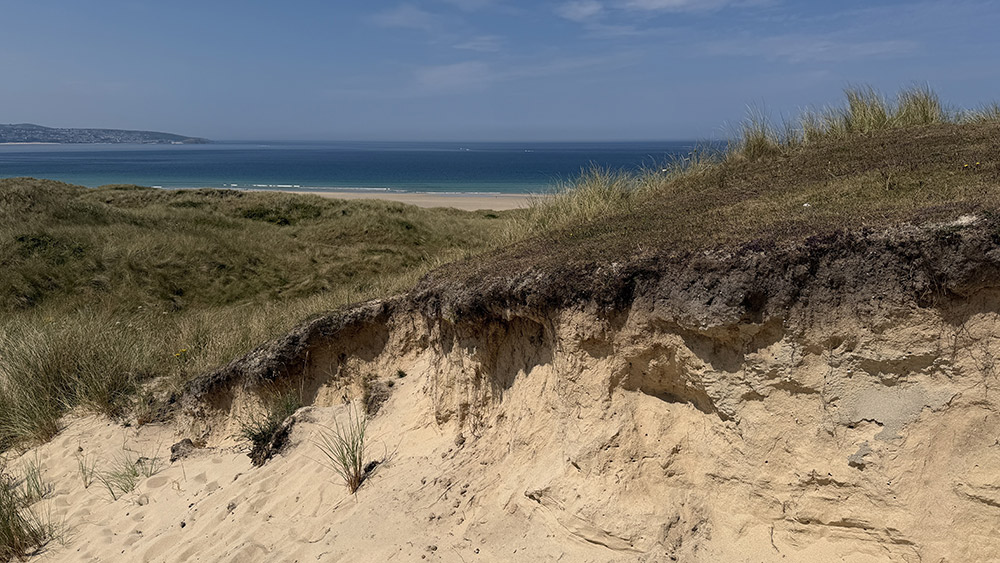
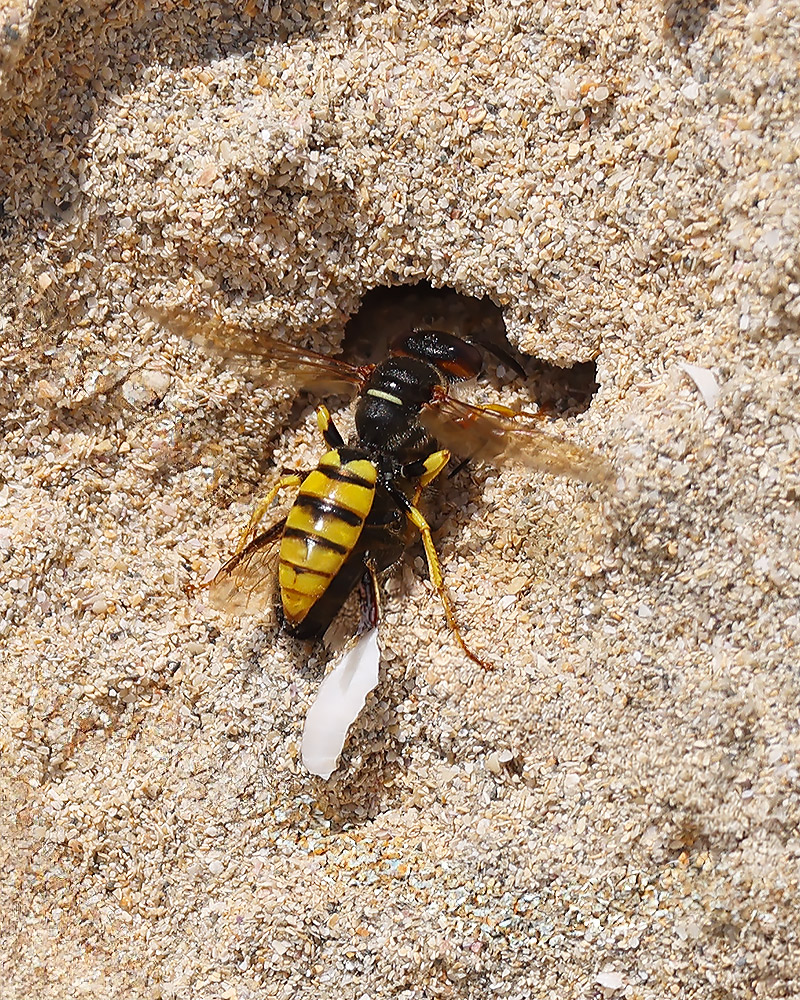
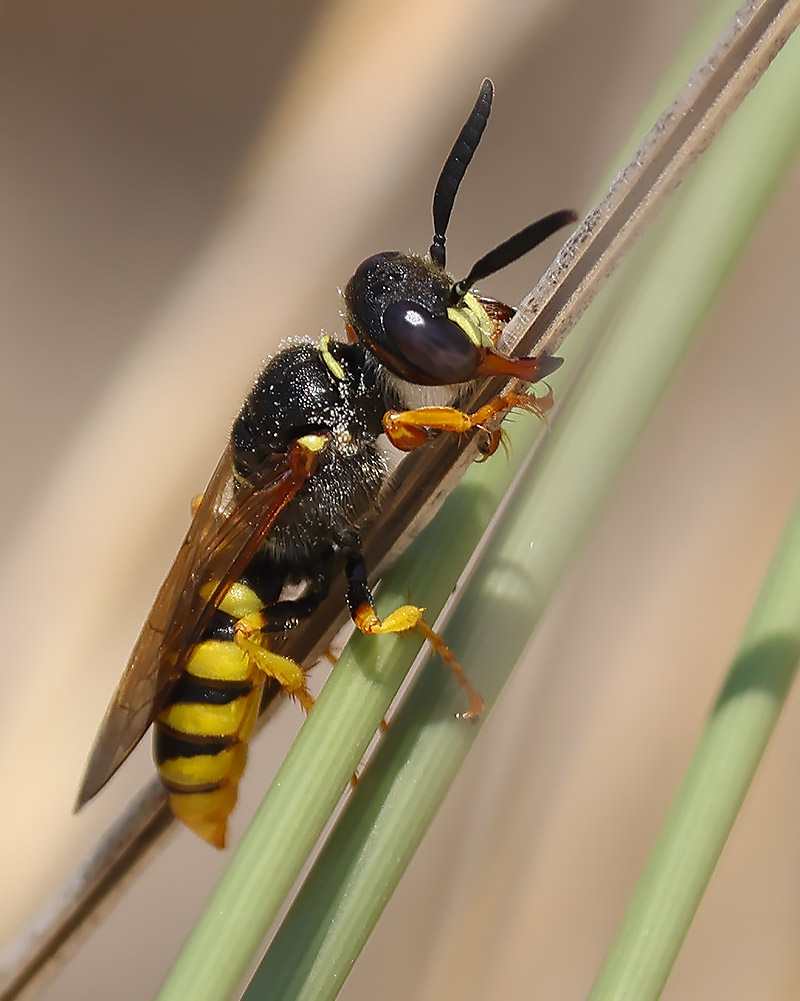
15th-16th. Gwithian Towans. After finding a colony of bee wolves Philanthus triangulum on 15th, I returned for more the following day.
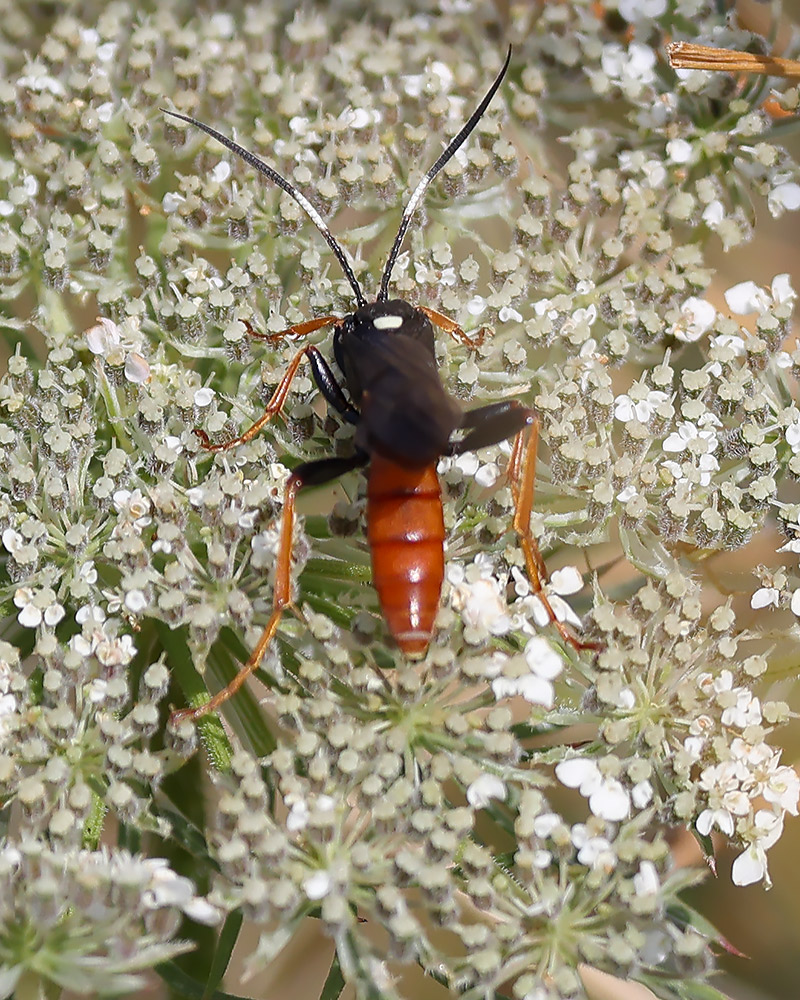
Small elephant botherer (named as it parasitises small elephant hawk moths) Amblyjoppa fuscipennis
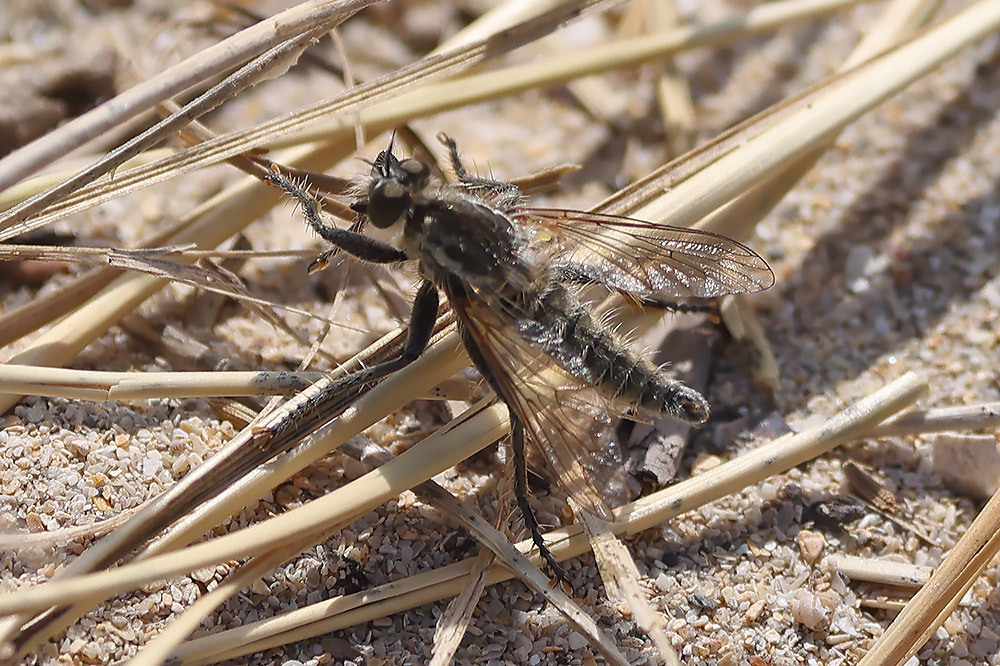
Fan-bristled robberfly Dysmachus triganus, a mainly coastal species
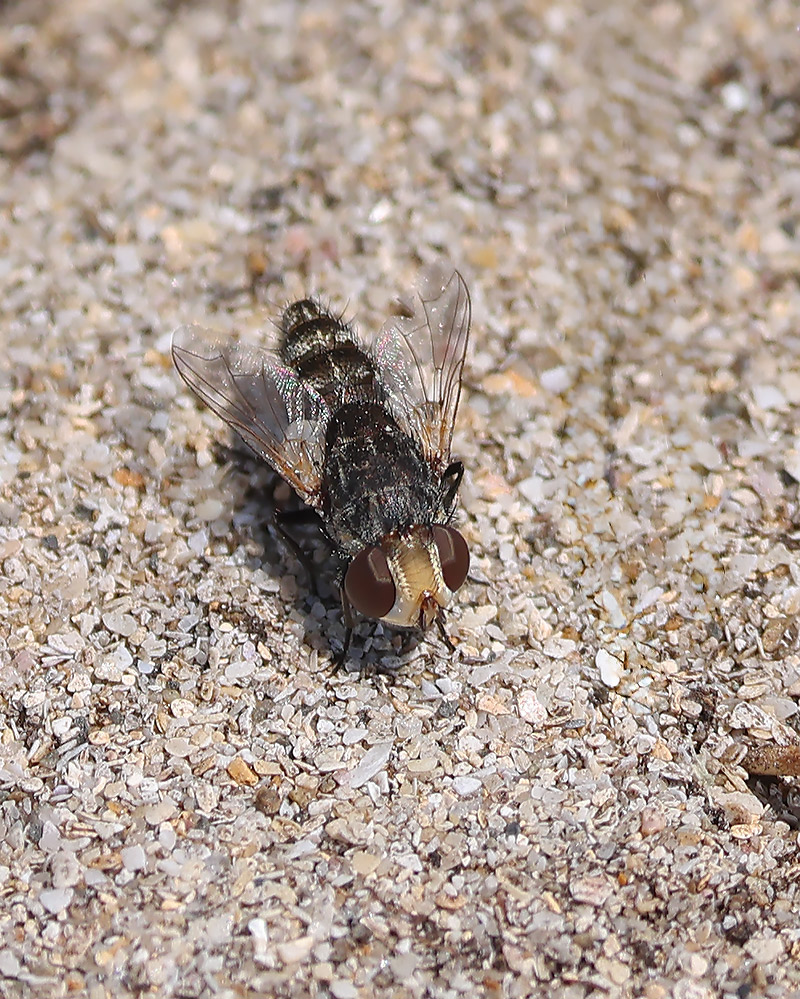
A presumed bee-burgler Miltogramma sp. The ID apps thought it was the scarcer species M. germari, which parasitises pantaloon bees and leafcutter bees..
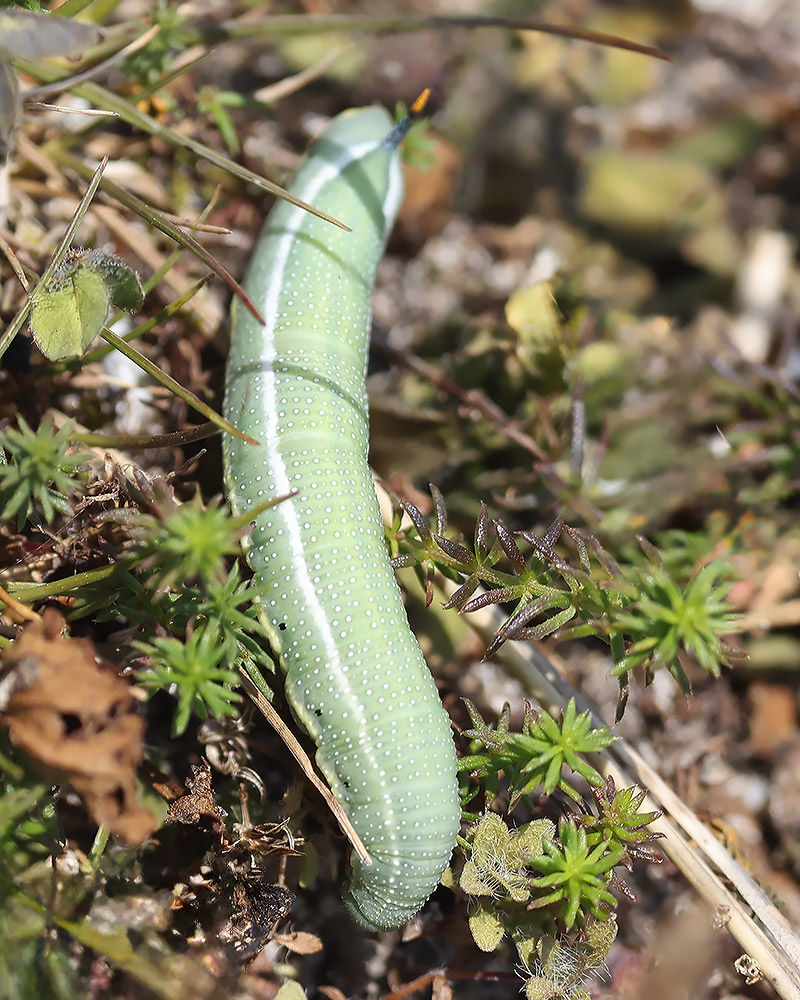
Hummingbird hawkmoth larva. An adult patrolled the dune edge where the wasps were nesting.
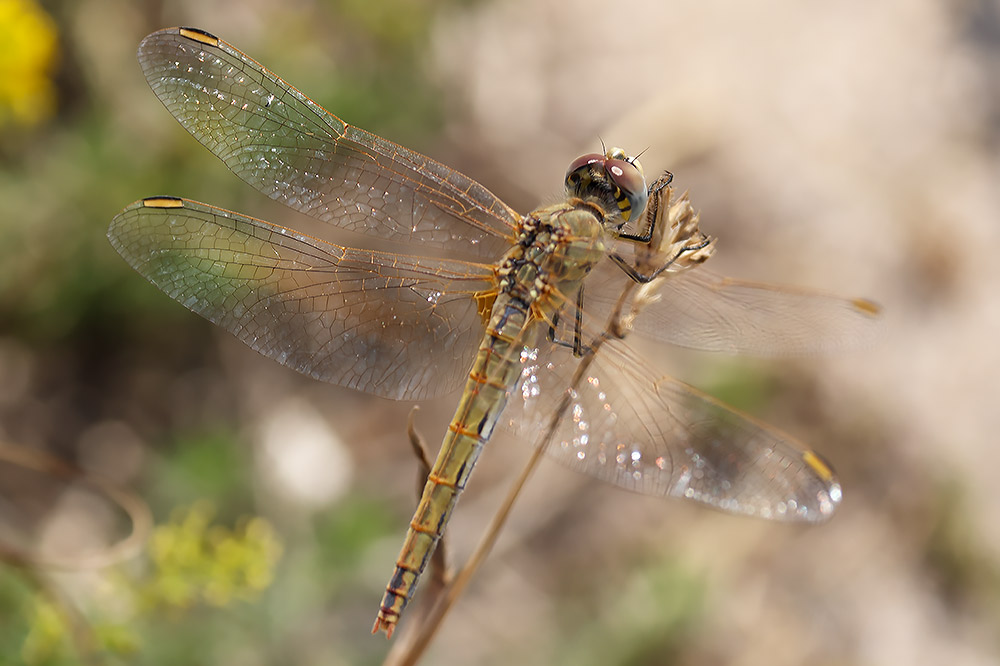
Red-veined darter
Pantaloon bee Dasypoda hirtipes
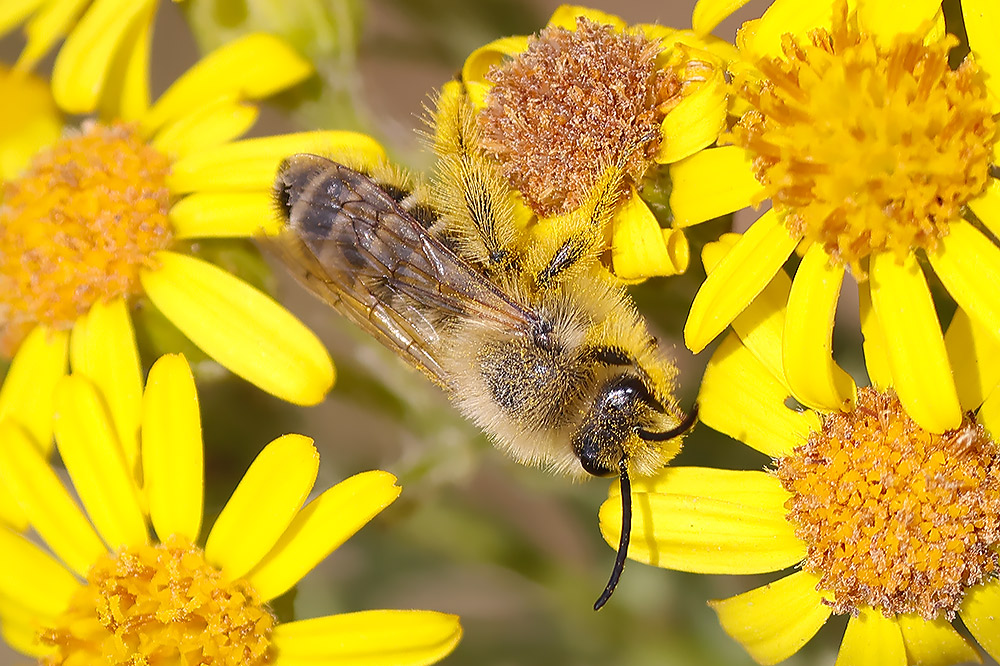
An unidentified plasterer bee Colletes sp.
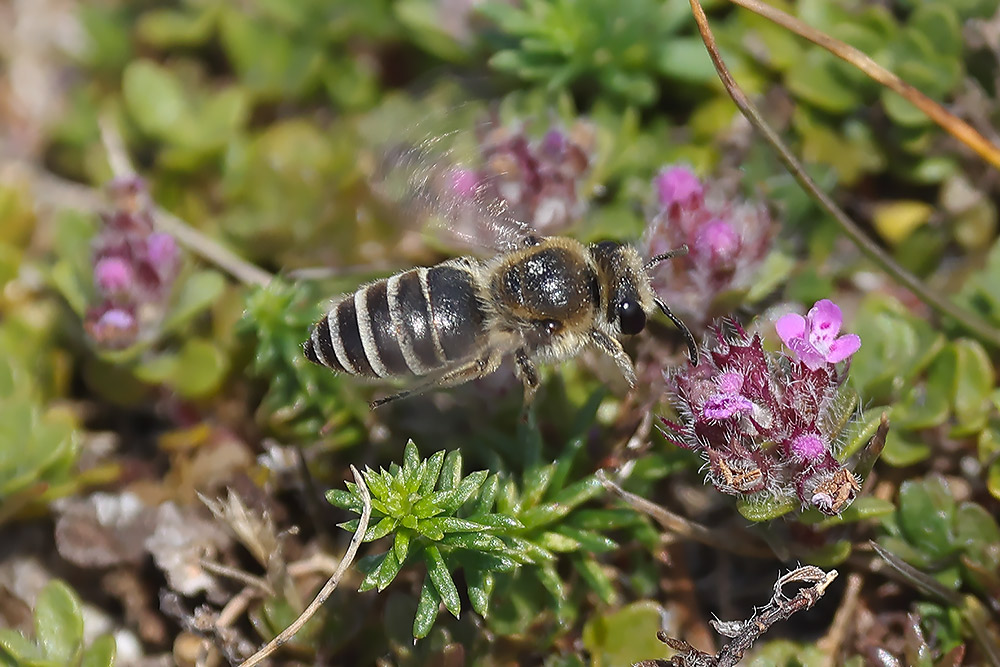
The crabonid wasp Oxybelus uniglumis with dipteran prey.
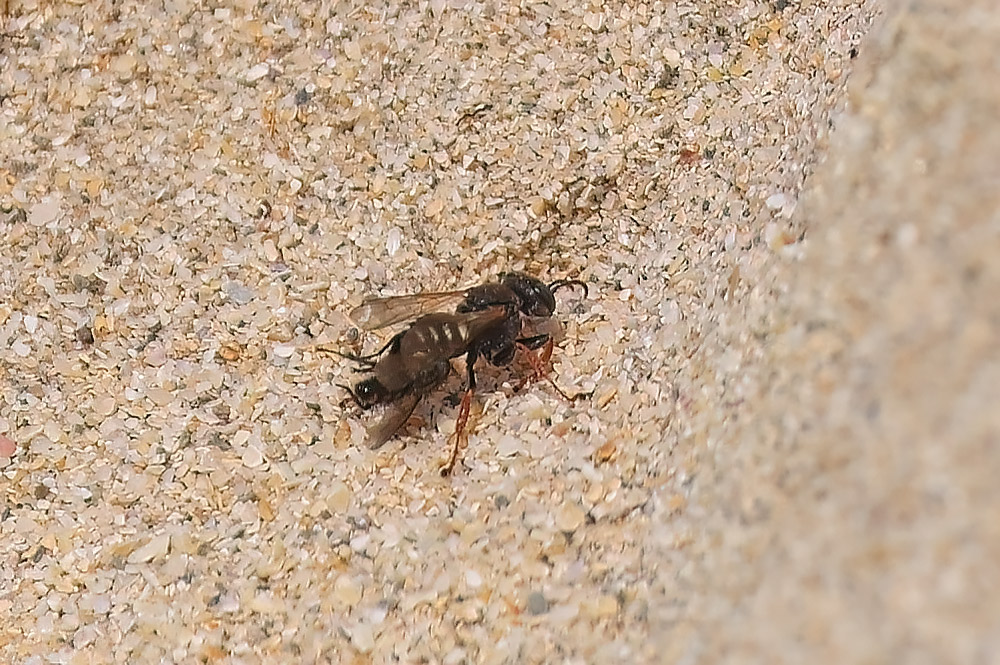
A red-legged spider wasp Episyron rufipes subduing a spider.
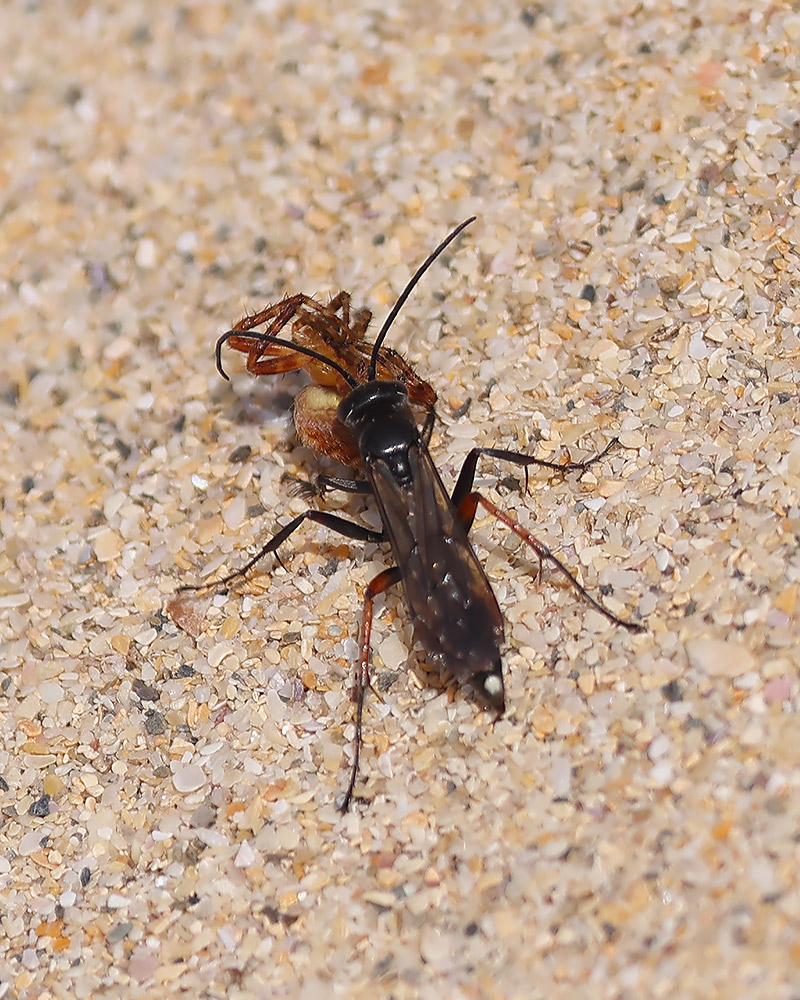
Sand tailed digger wasps Cerceris arenaria nested in the dune cliff.
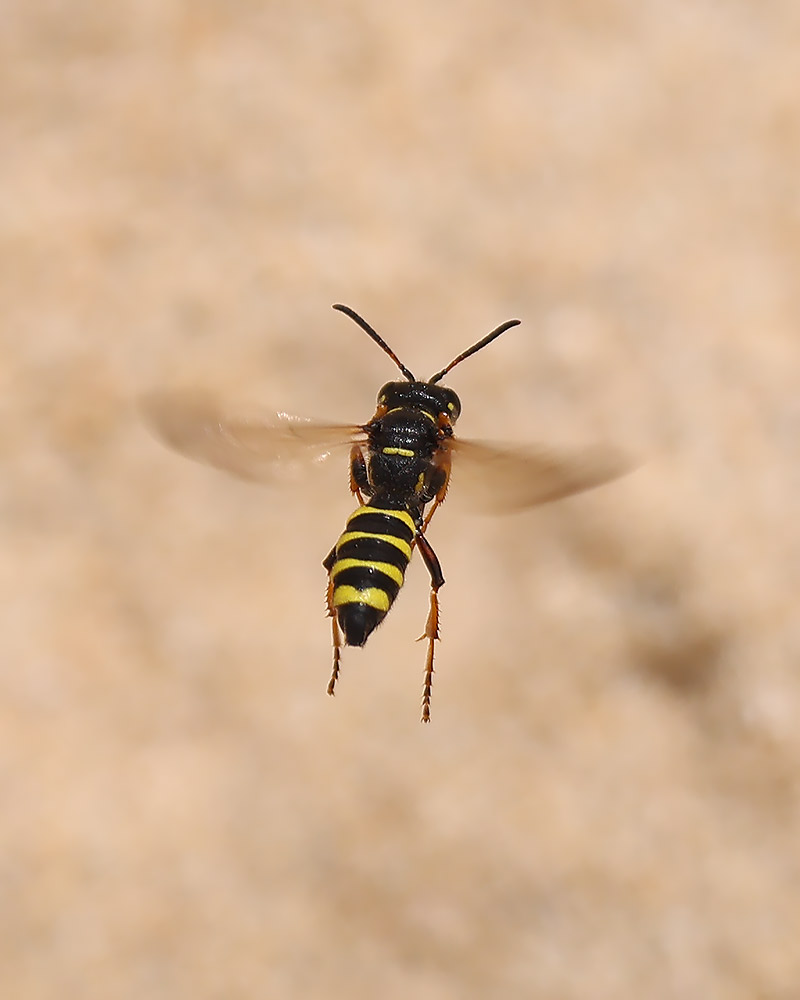
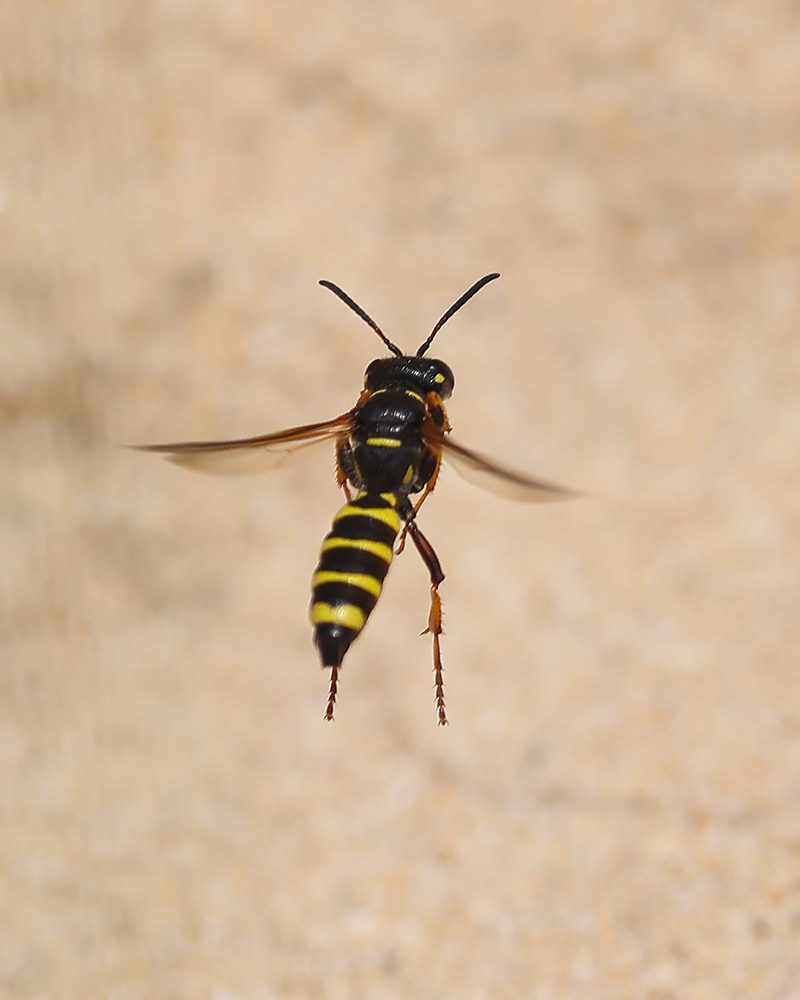
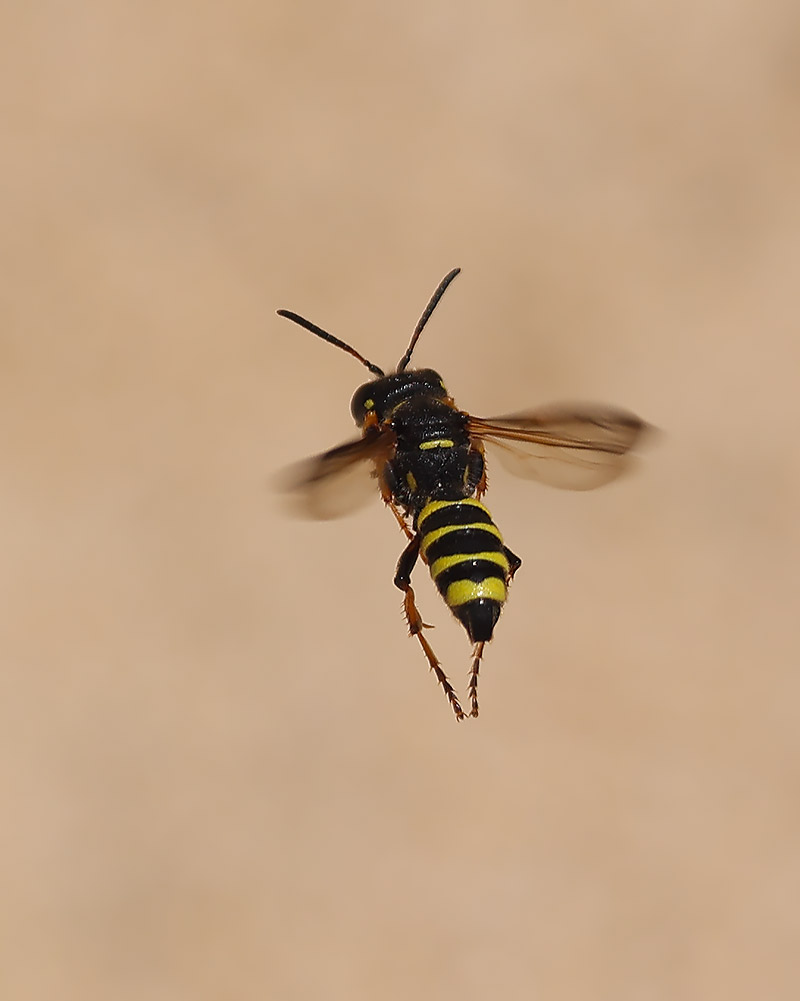
Carrying weevils to the nest burrow
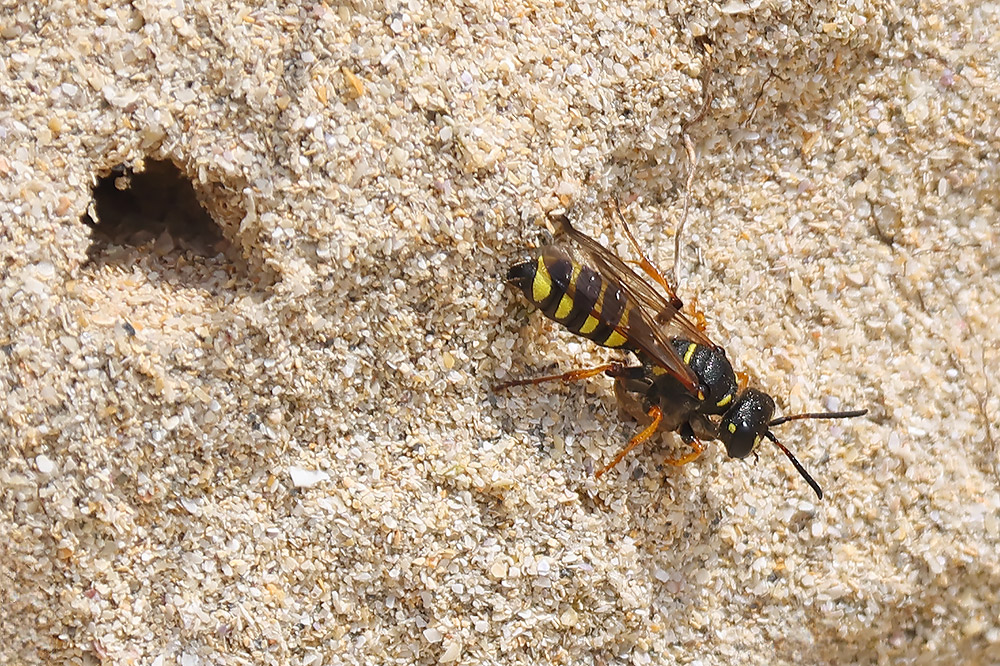
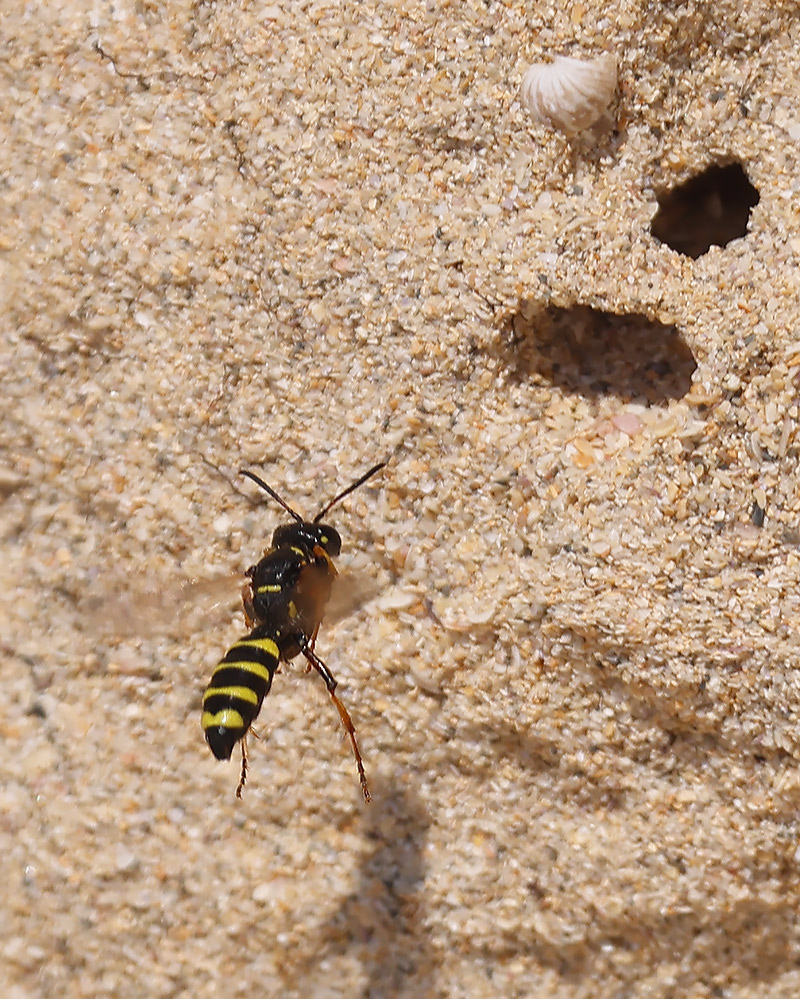
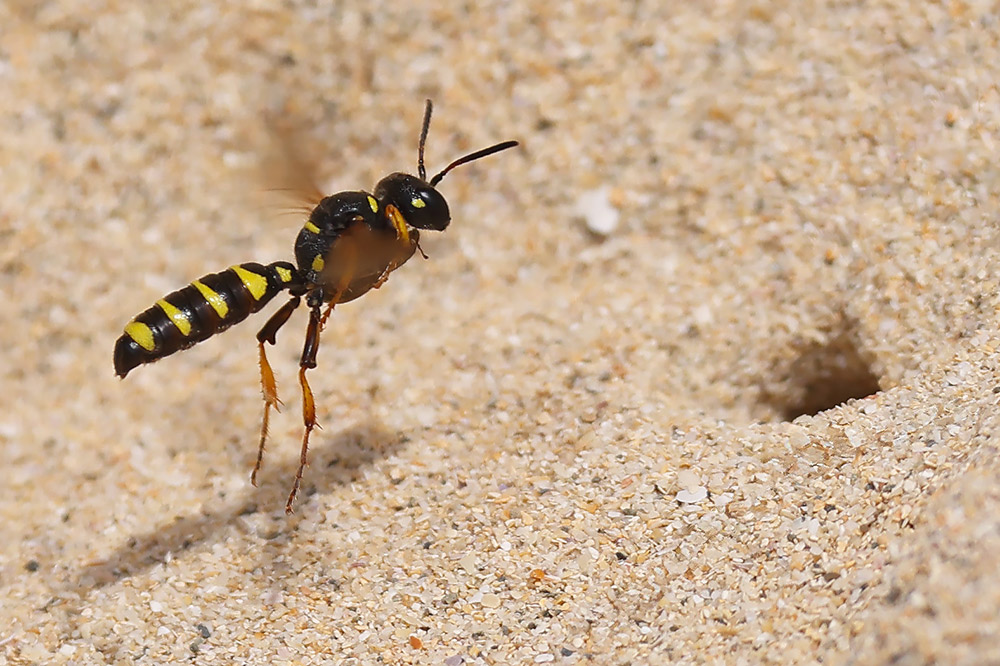
Bee wolves - none in Cornwall in 1980, but a significant range expansion since. The females detect honey bees by olfaction, and carry them back to provision their nests. Great article here
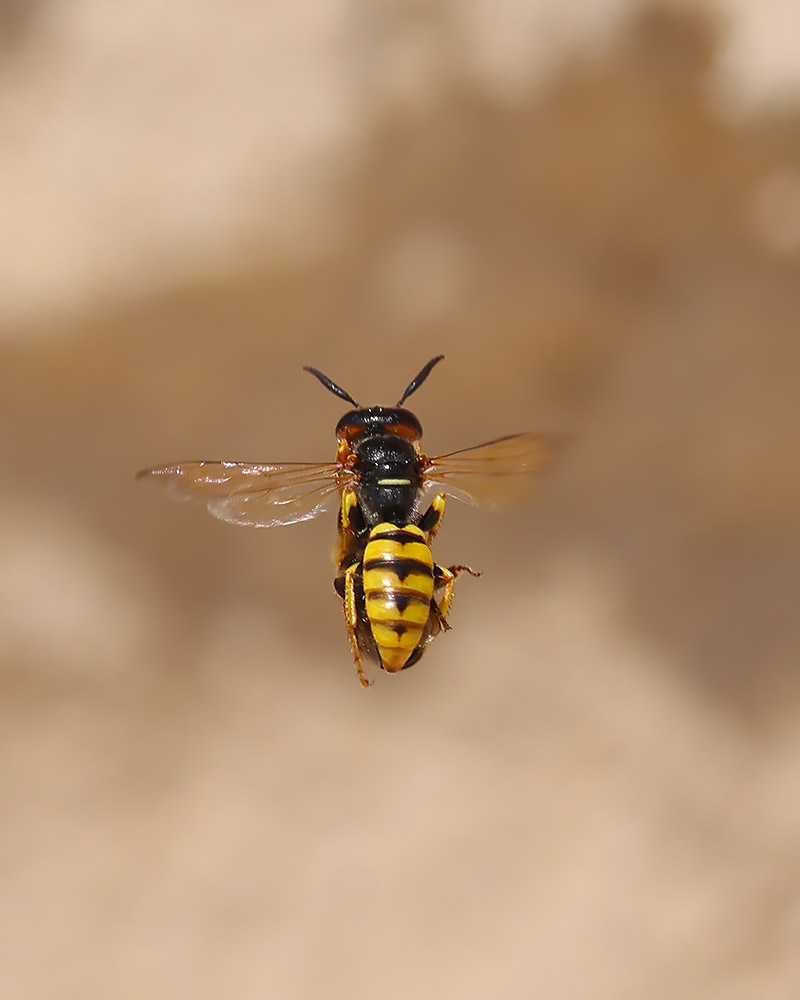
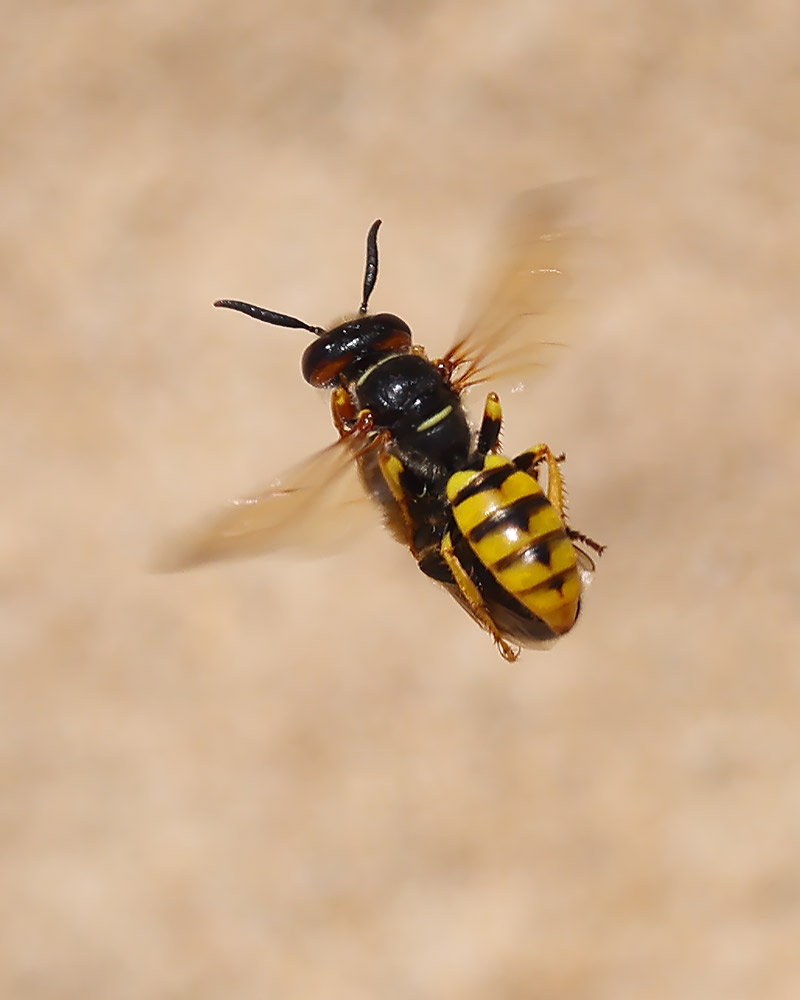
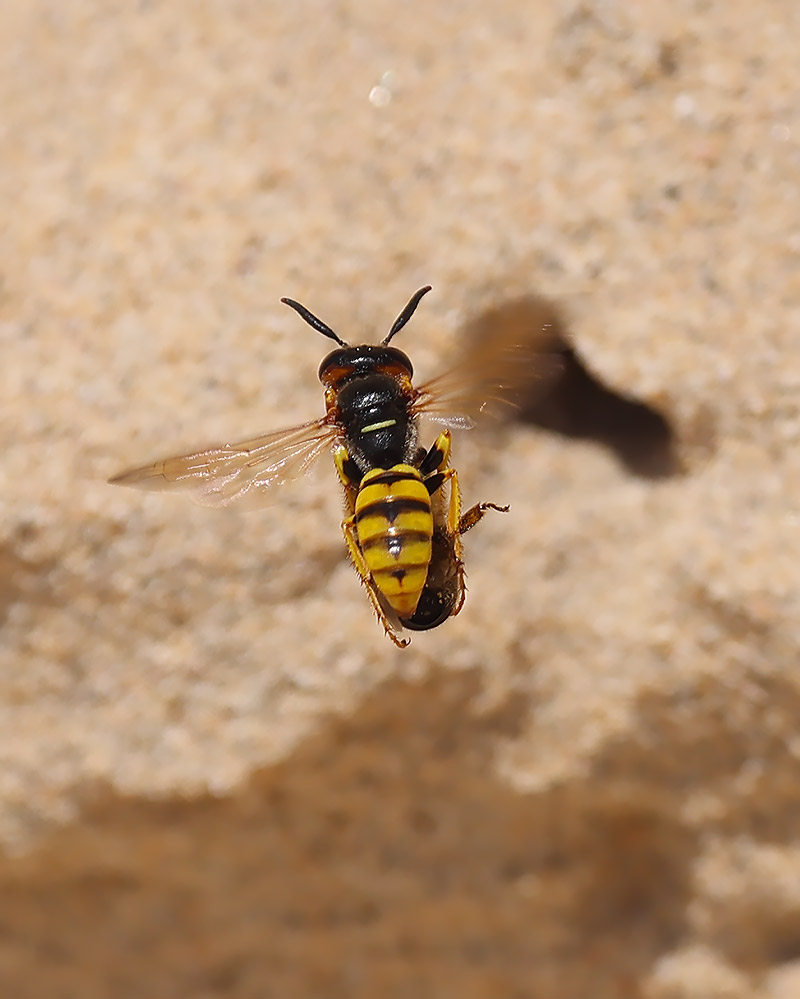
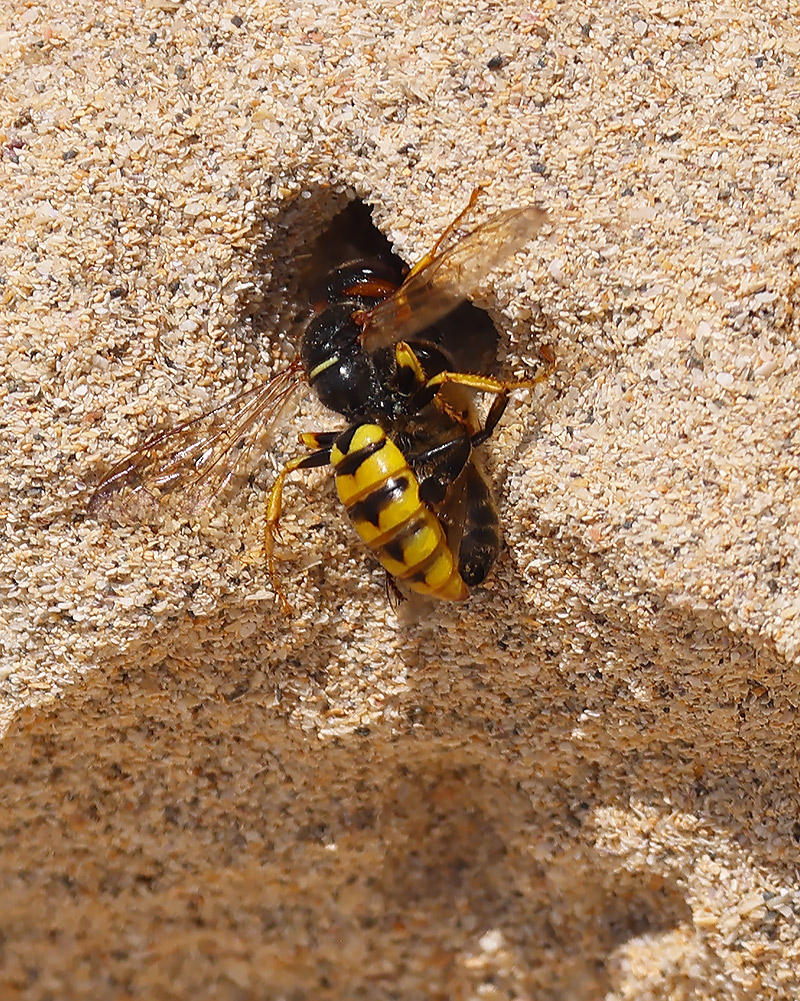
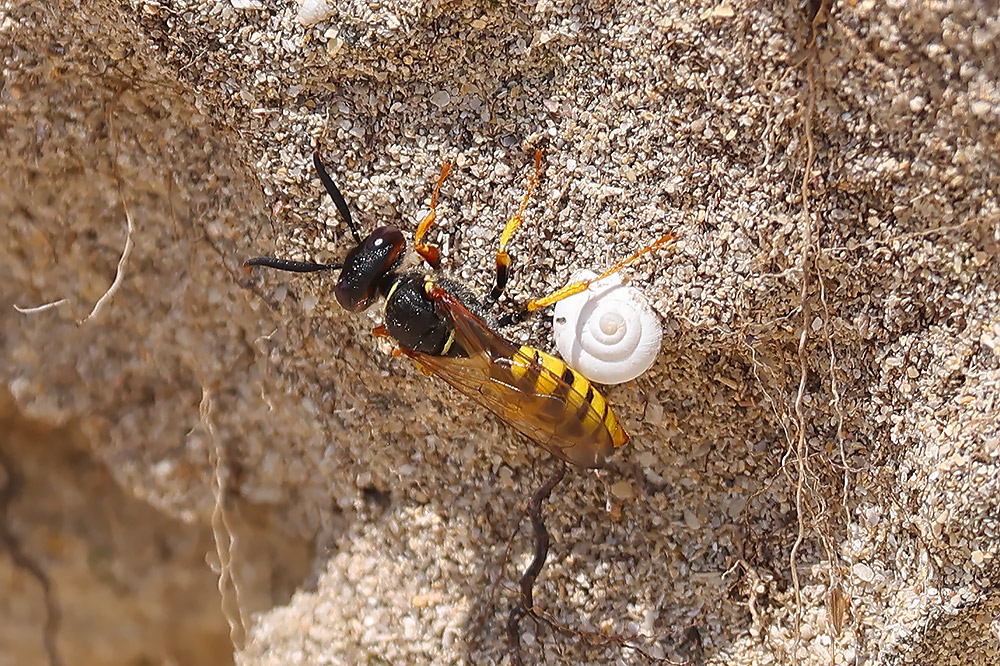
The markings on the face resemble a bee emblem!
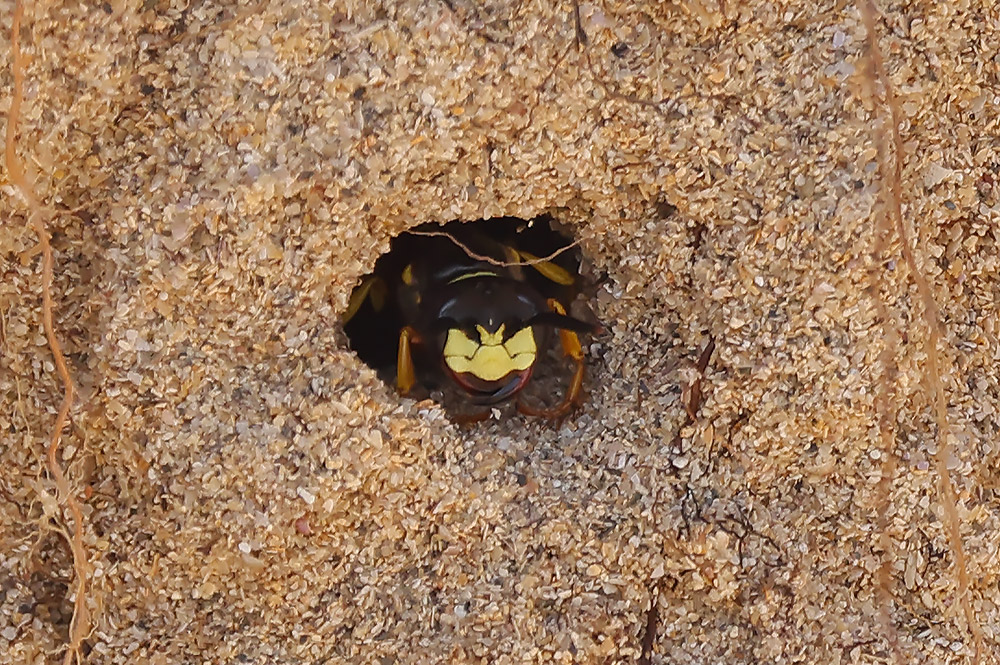
This individual is clamped to a grass stem by its mandibles.
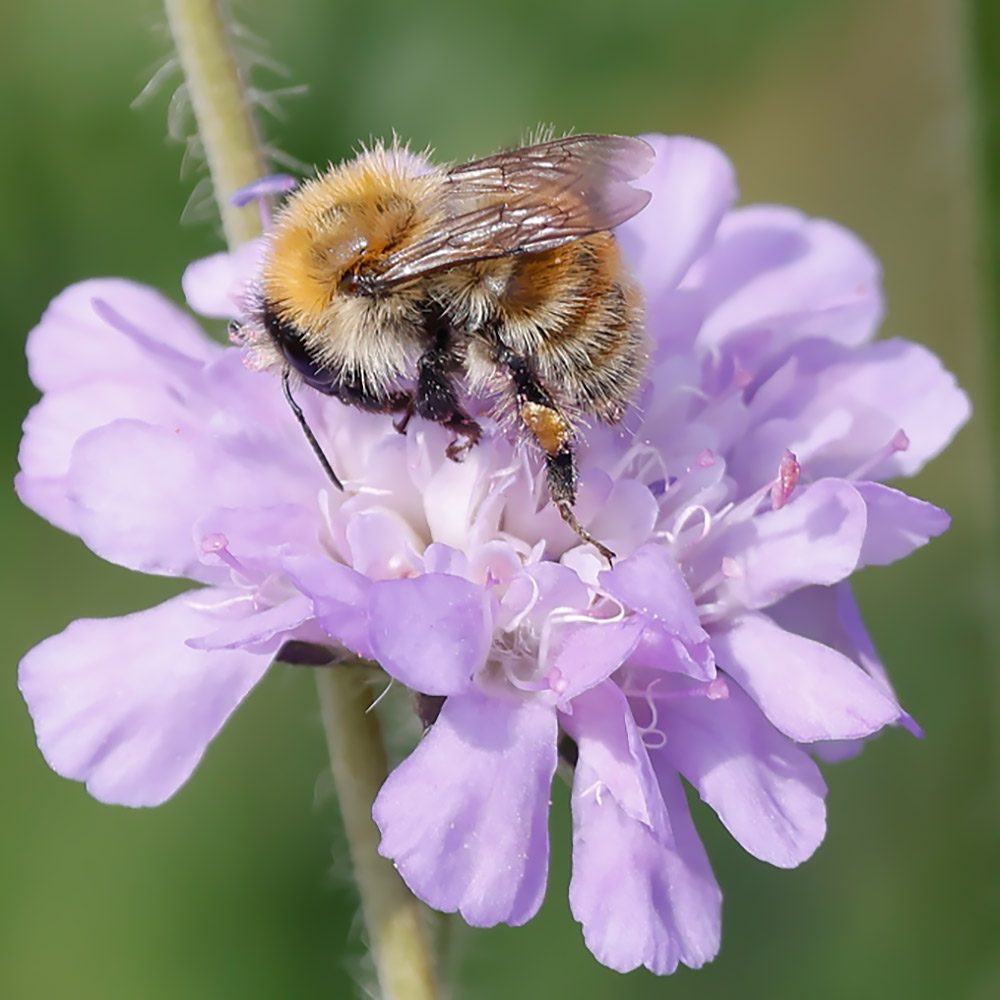
12th. St Uny's Churchyard, Lelant to photograph the large scabious mining bees. There is a lot of field scabious in flower now.
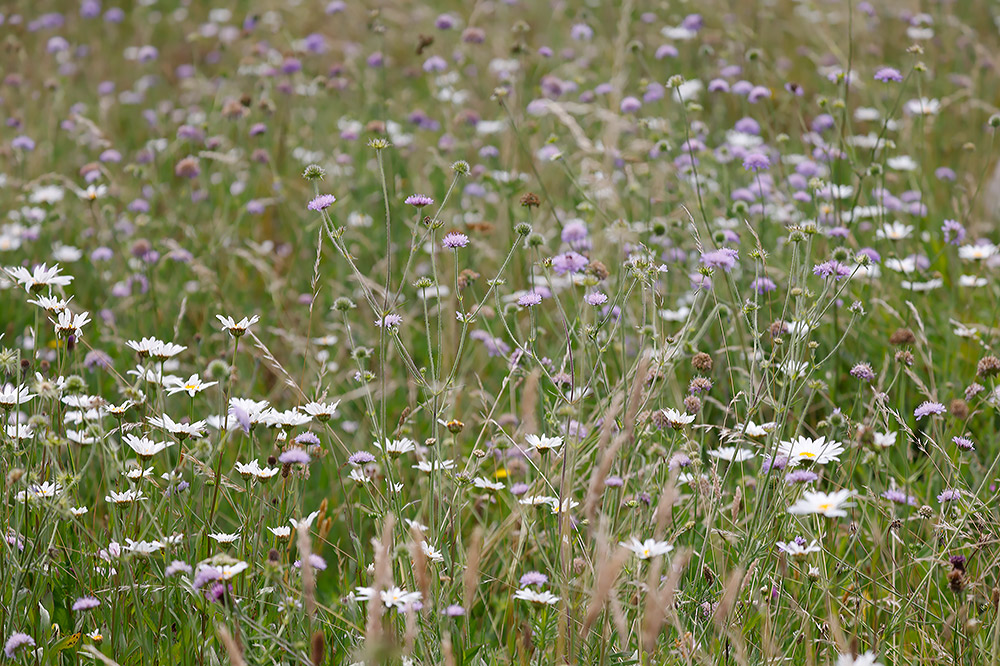
I returned on 14th, and on both days saw at least 5 bees, and most (or all) pollen-laden females.
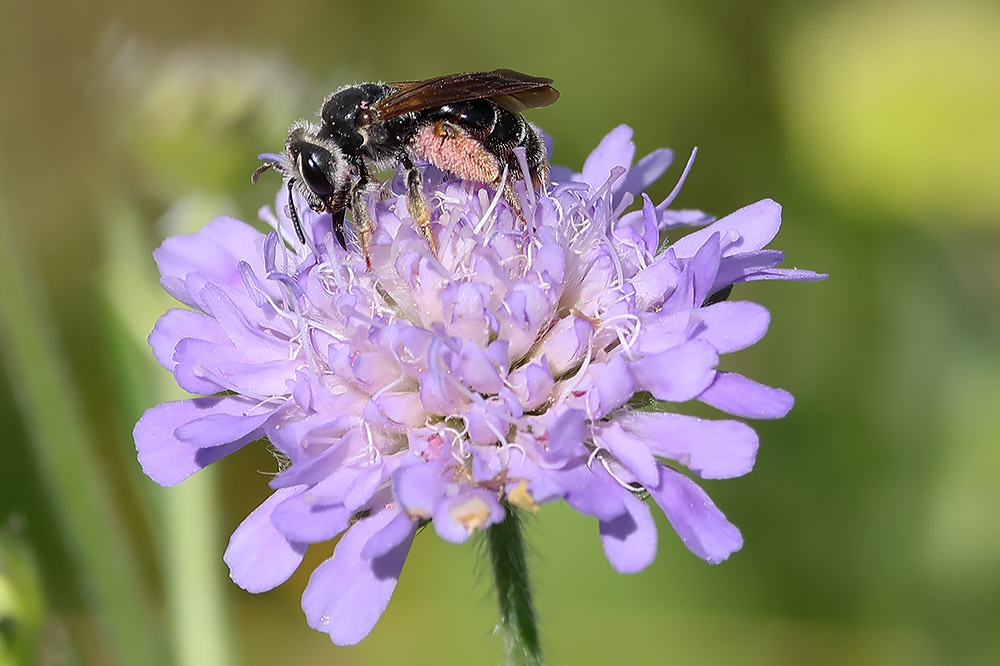
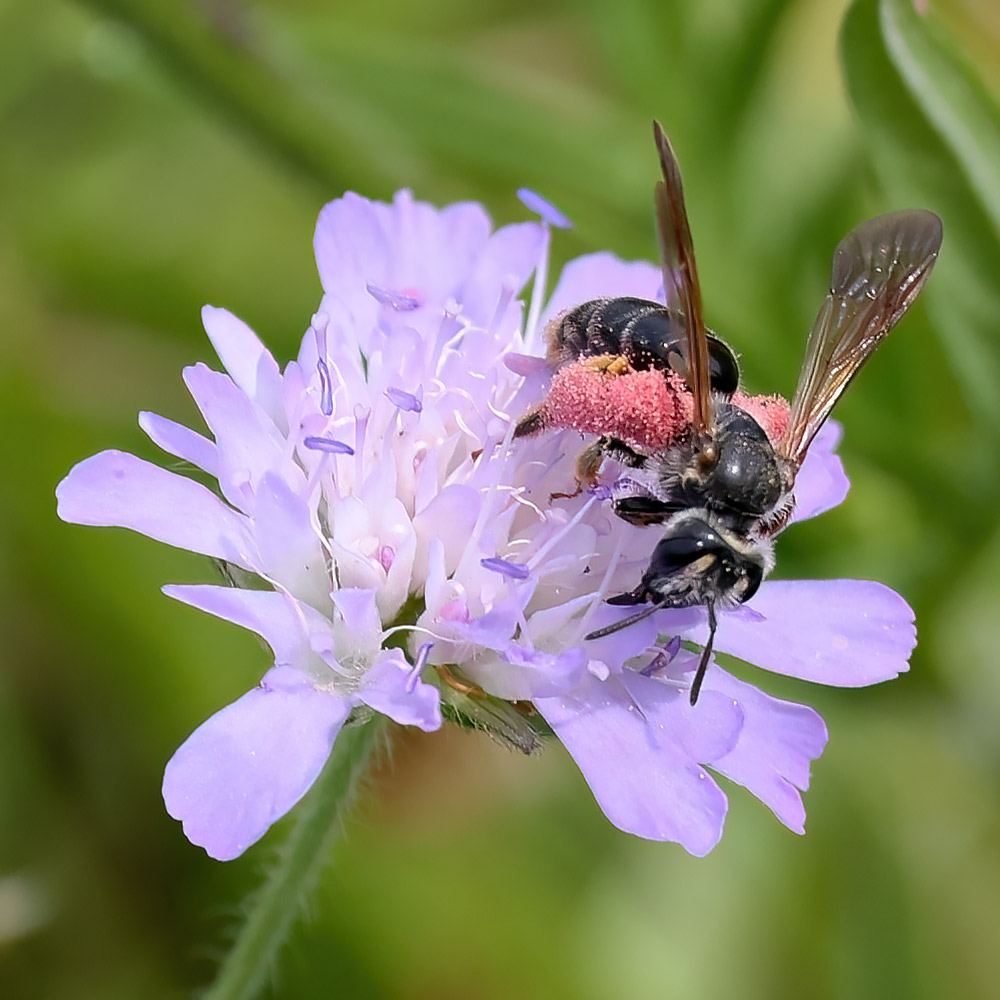
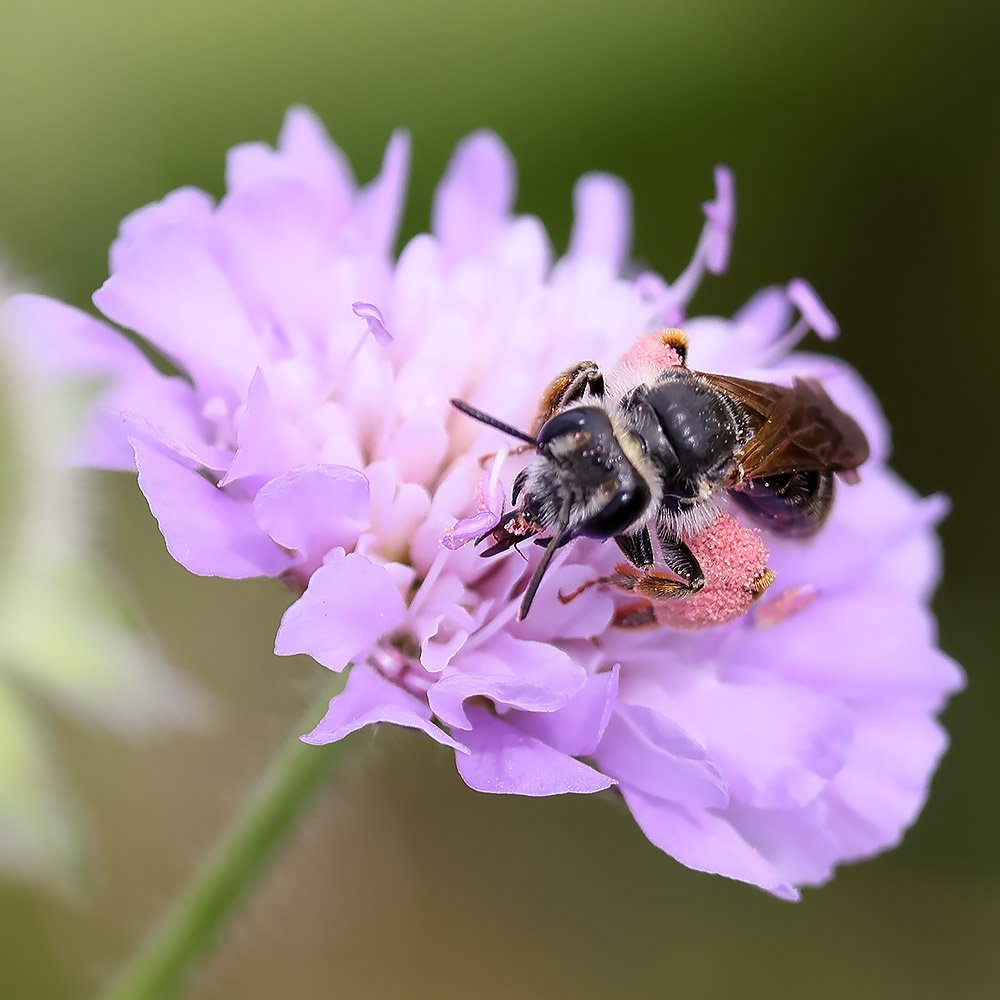
I also saw a probable brown-banded carder bee.
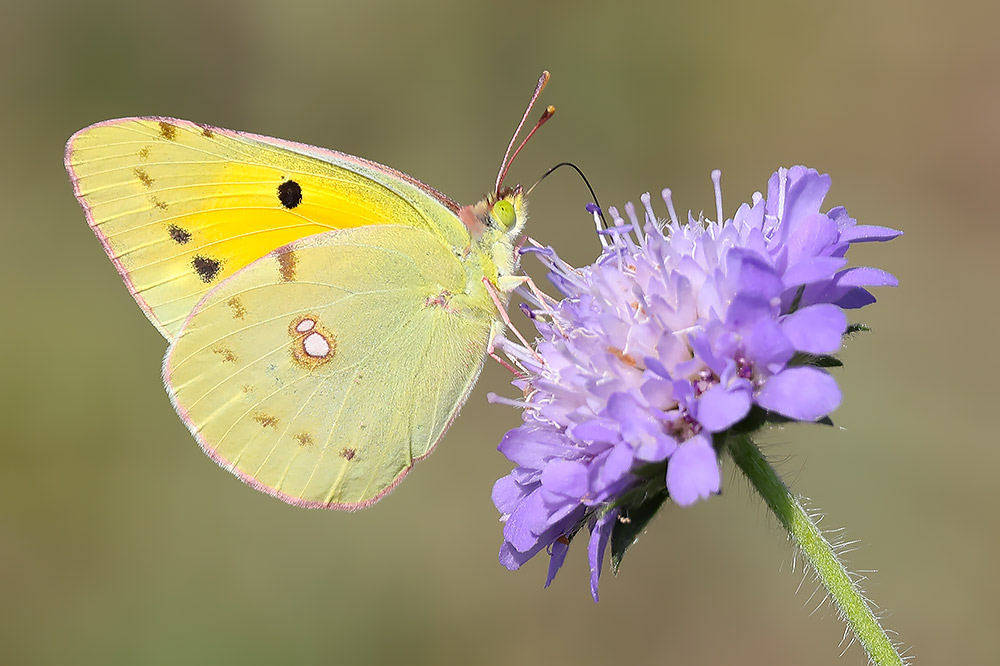
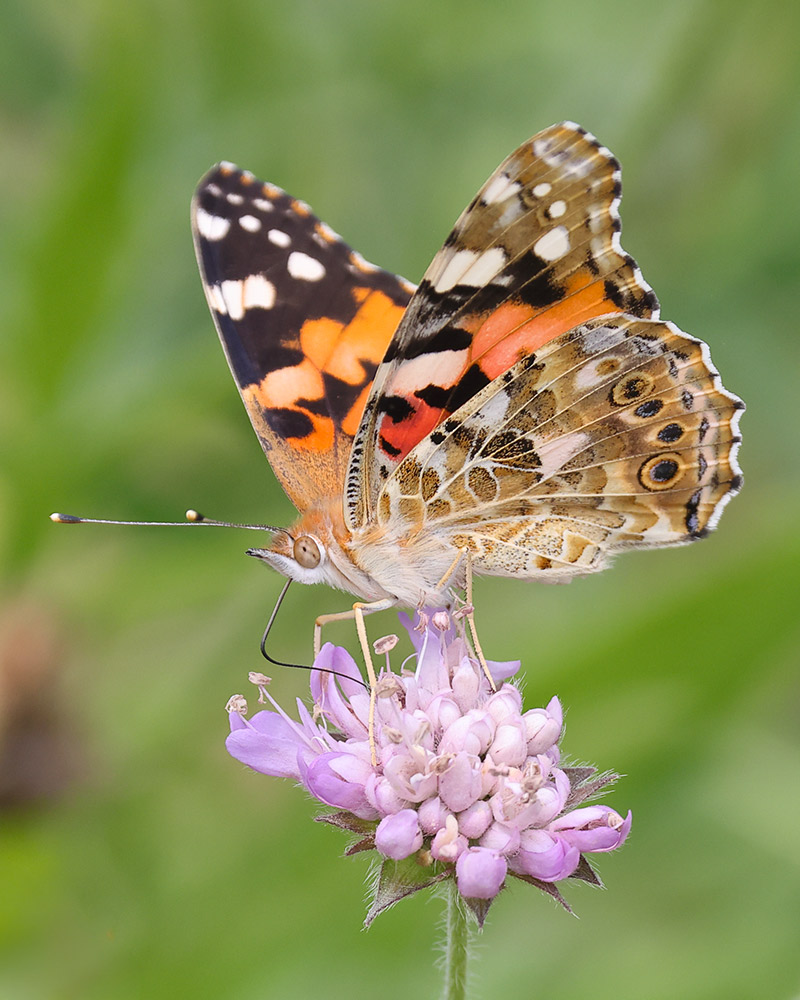
A hummingbird hawk moth was present, and a six-banded clearwing on 12th. I photographed clouded yellows (big influx at present) and painted lady butterflies.
Conditions were much less windy on 14th, and around Porthkidney, and there were some interesting insects flying.
Black mining bee Andrena pilipes
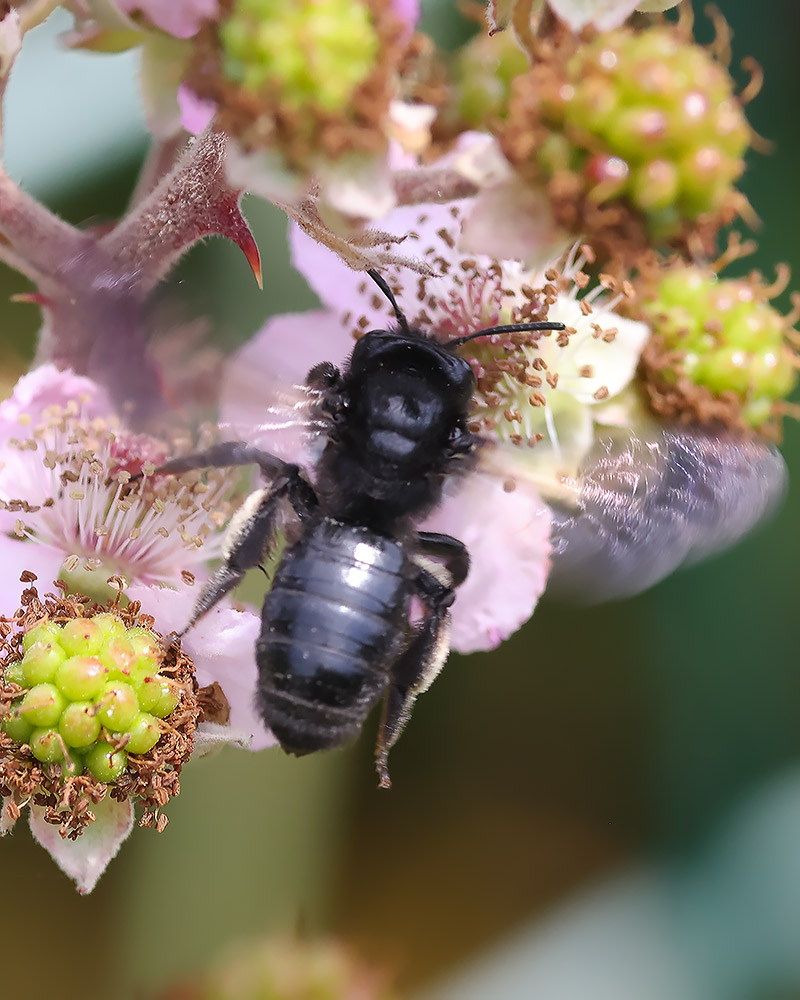
Black-thighed epeolus Epeolus variegatus
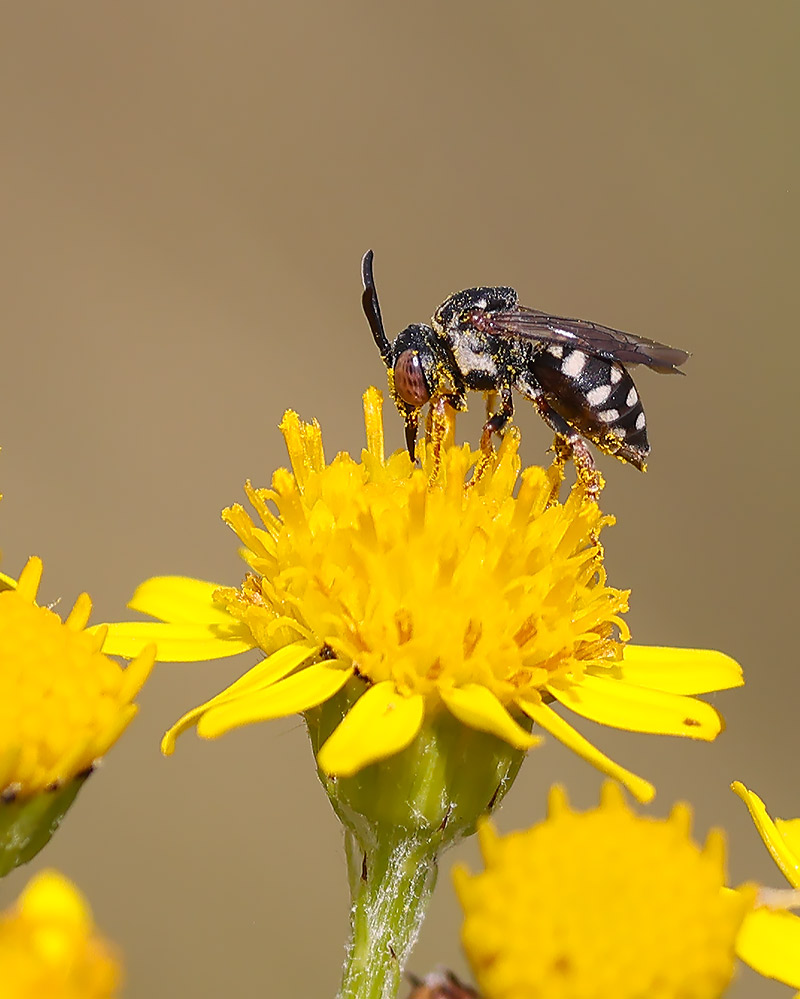
Plasterer bee Colletes daviesanus/fodiens/similis
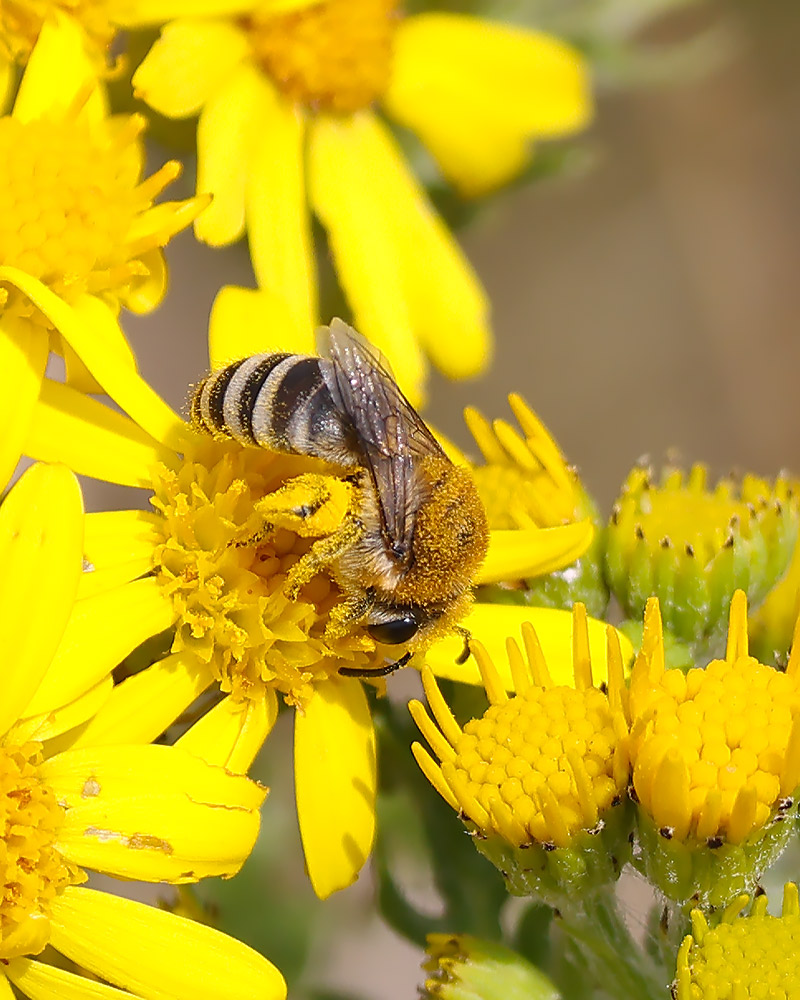
Sand tailed digger wasp Cerceris arenaria
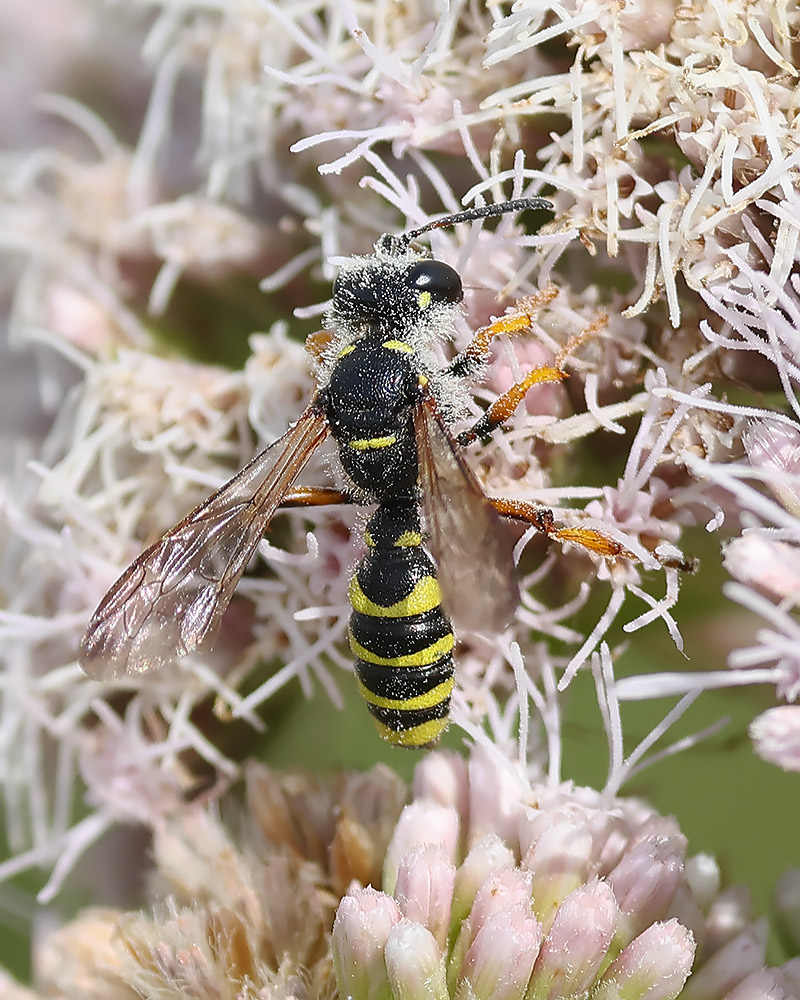
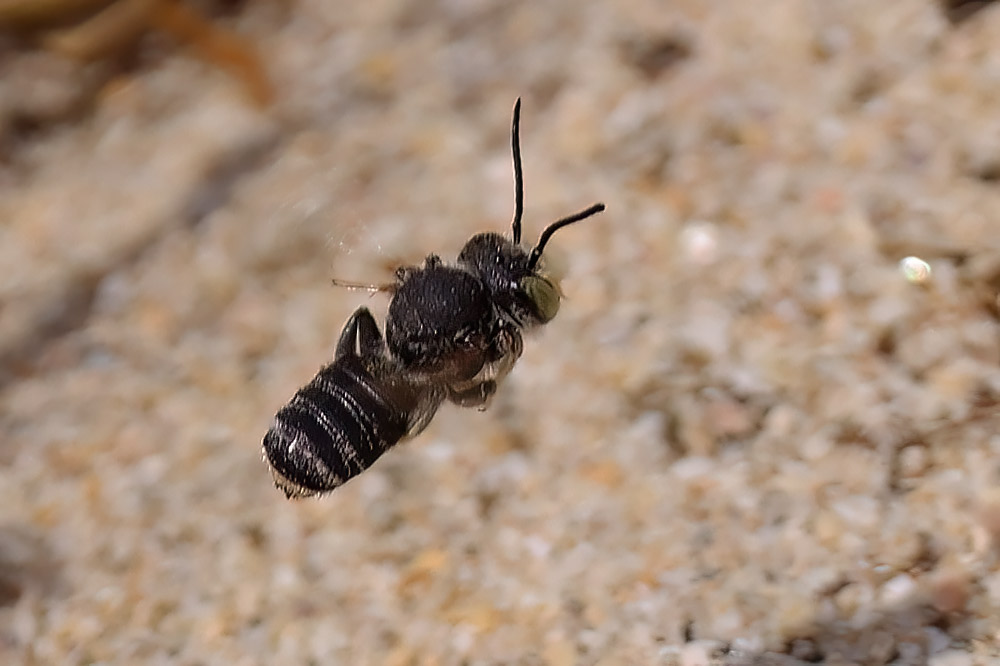
I found a loose colony of silvery leafcutter bees Megachile leachella in a dune slack.
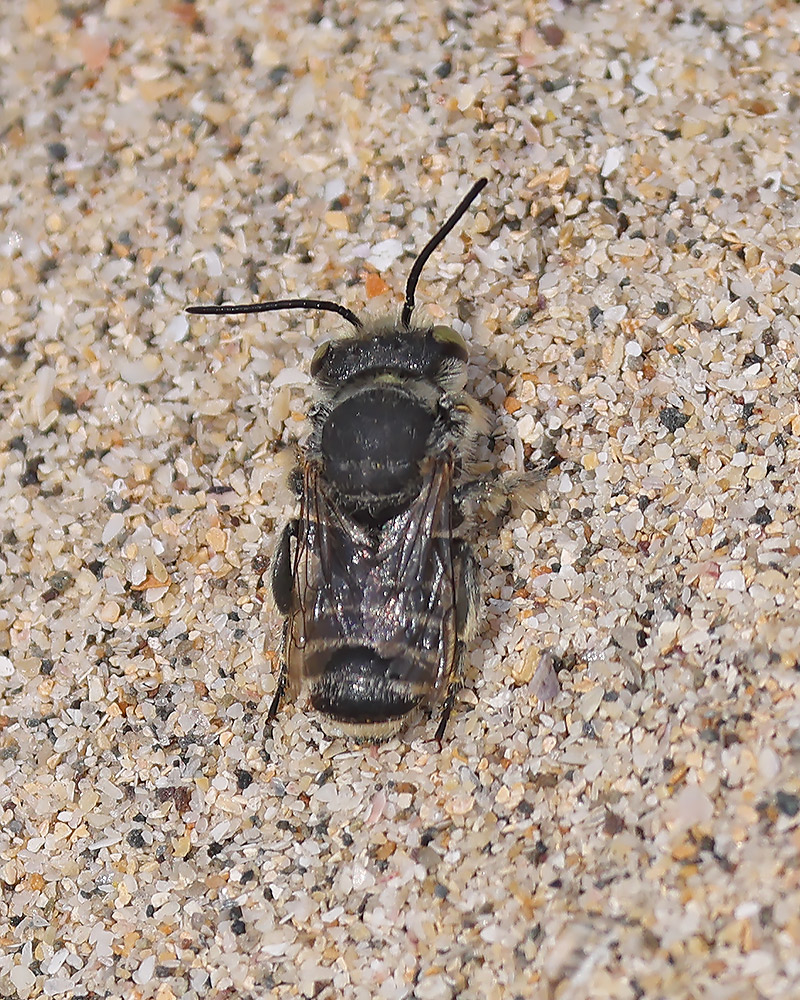
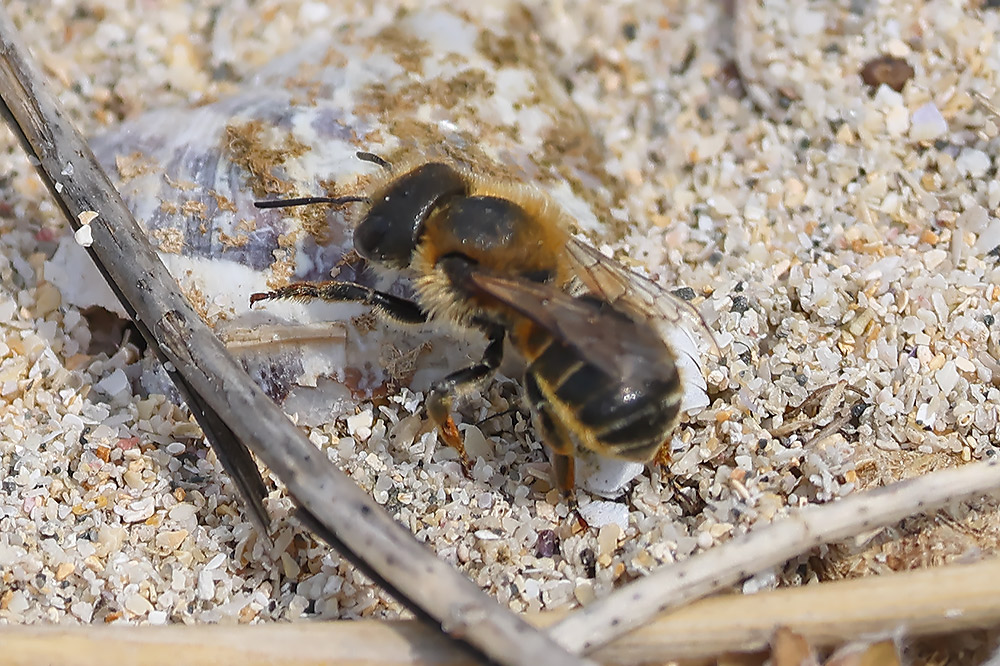
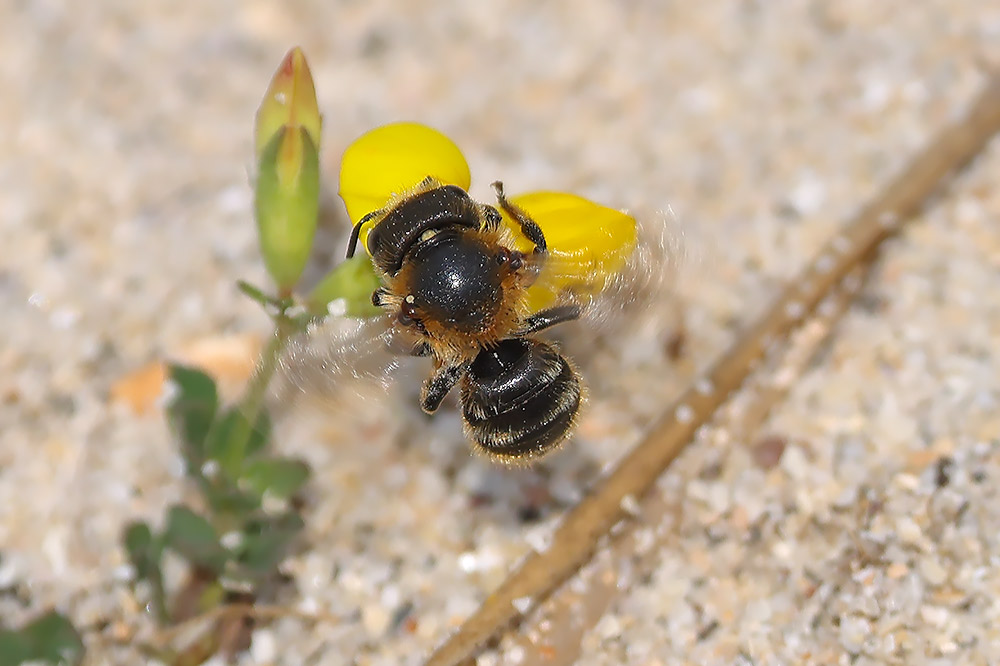
In the same slack I found several gold-fringed mason bees Osmia aurulenta, a scarce species that makes nests in snail shells and which occurs mainly in coastal habitats.
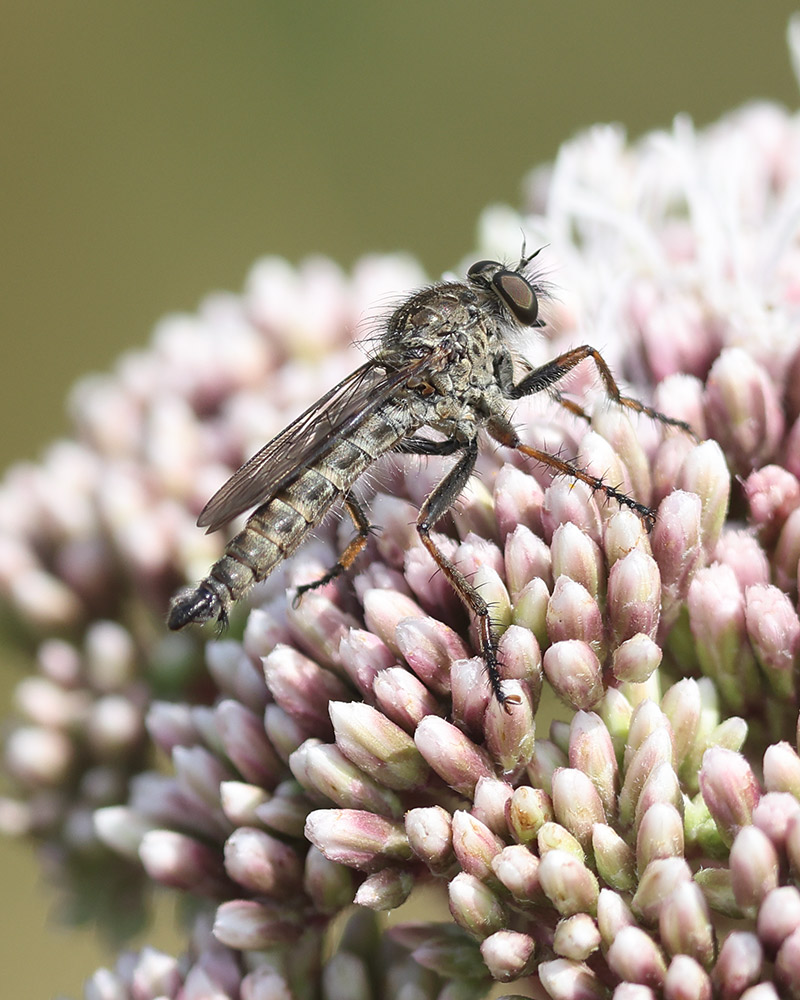
Kite-tailed robber fly Machimus atricapillus
9th. A return trip to Levant, though only a few spiny mason wasps Odynerus spinipes were still present, with their parasitic jewel wasps Chrysis viridula.
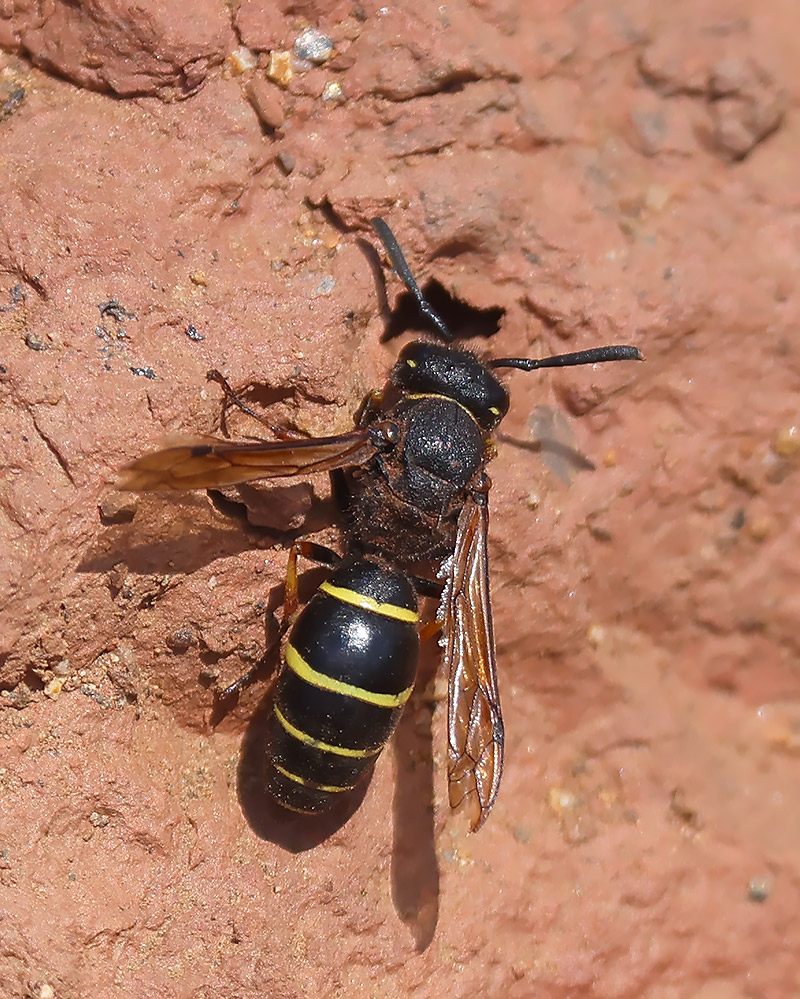
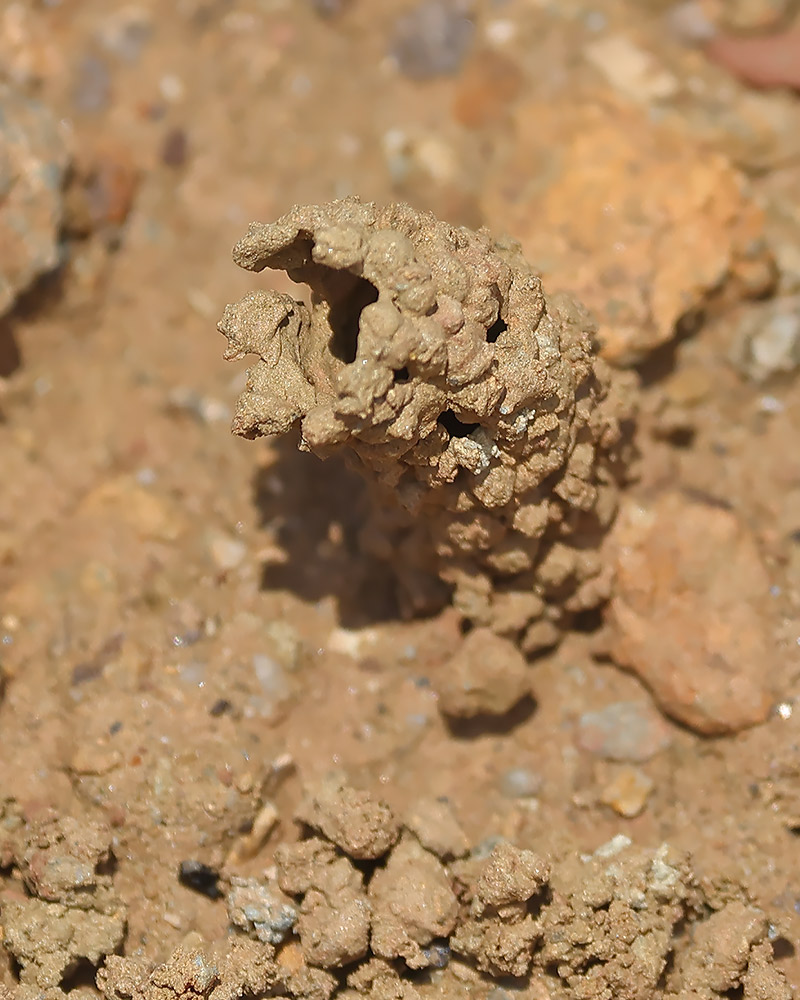
We also saw a few black mining bees Andrena pilipes, blue mason bee Osmia caerulescens, a metallic furrow bee, a hummingbird hawkmoth and a large green chafer beetle in flight.
Yellow-legged mining bee Andrena flavipes.
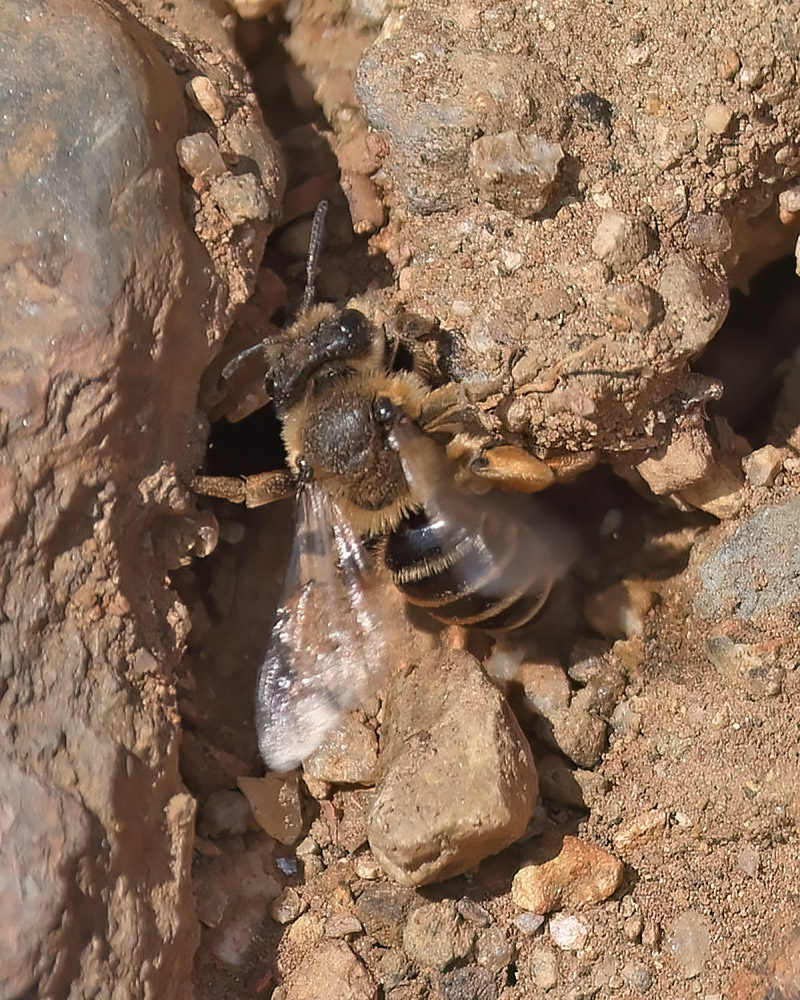
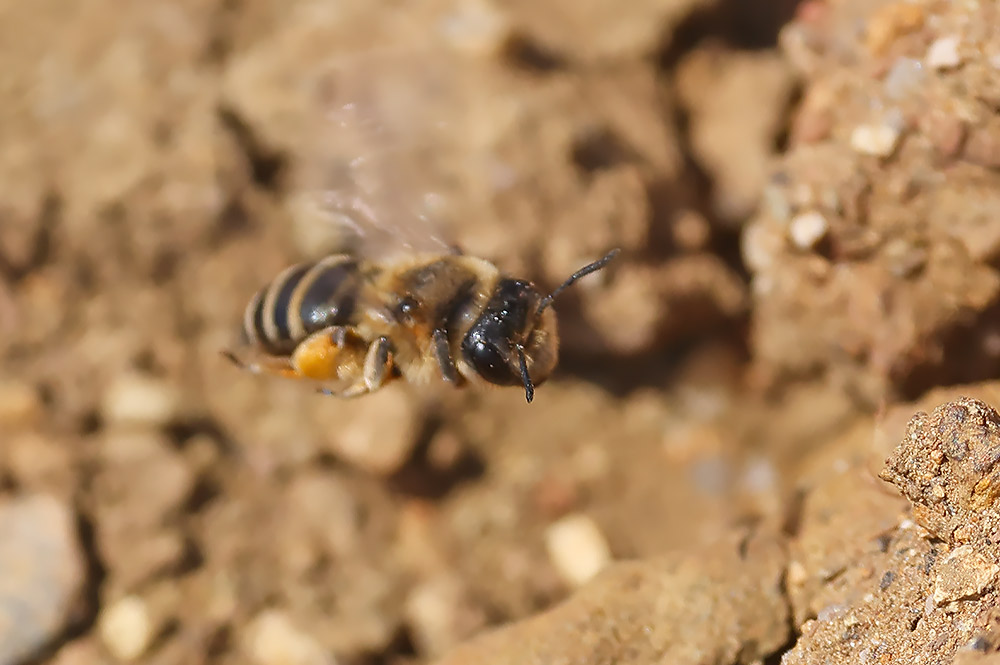
Its parasite Nomada fucata
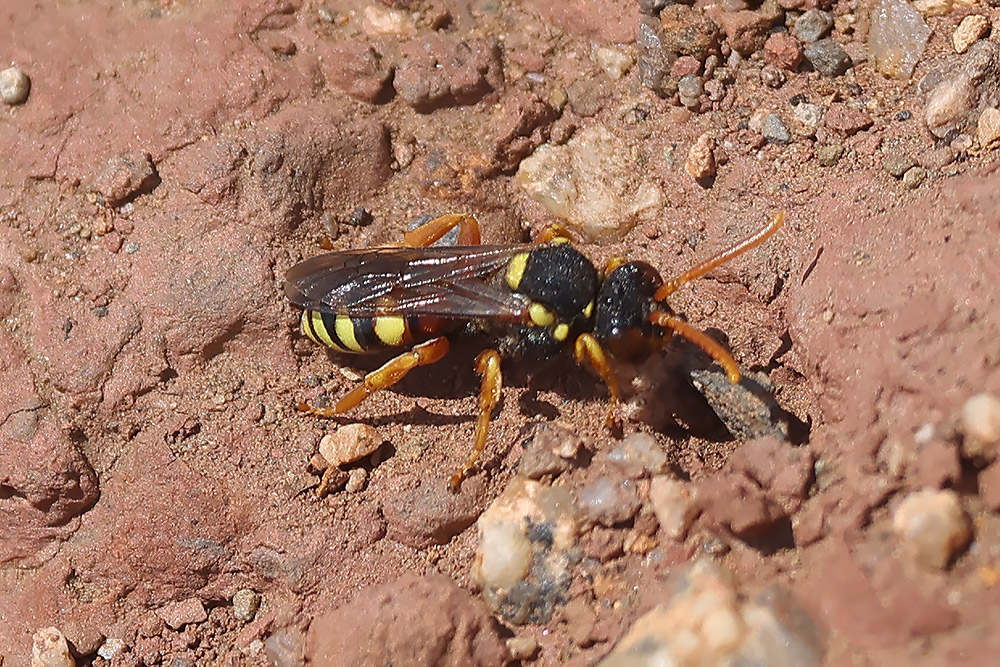
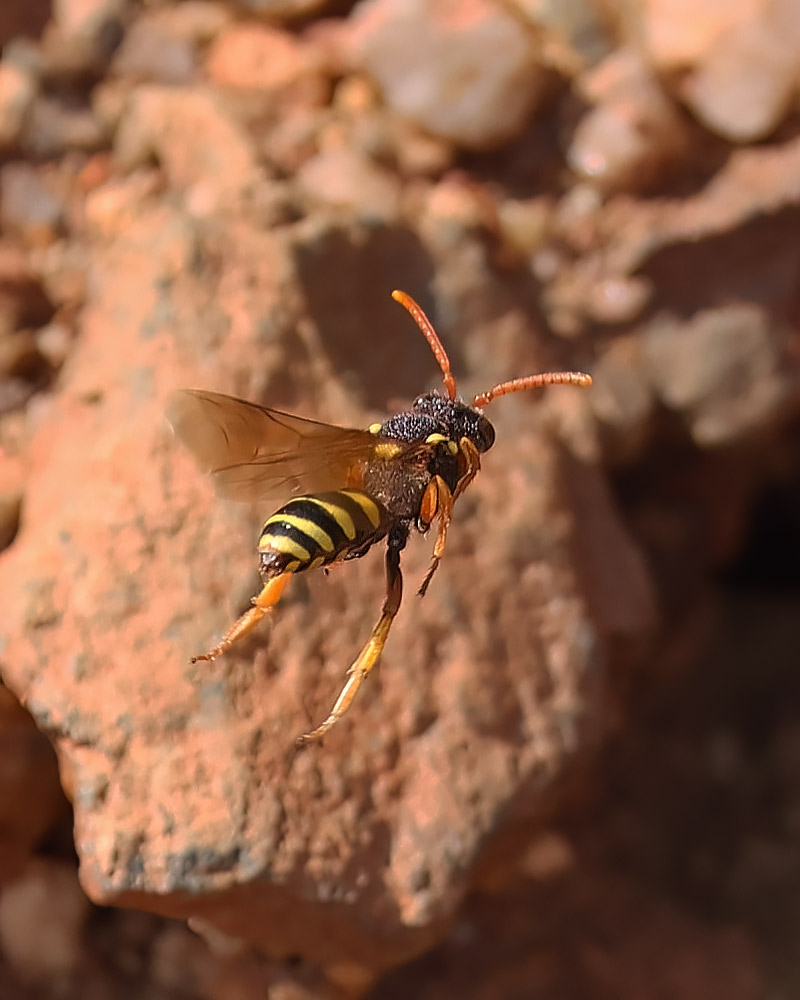
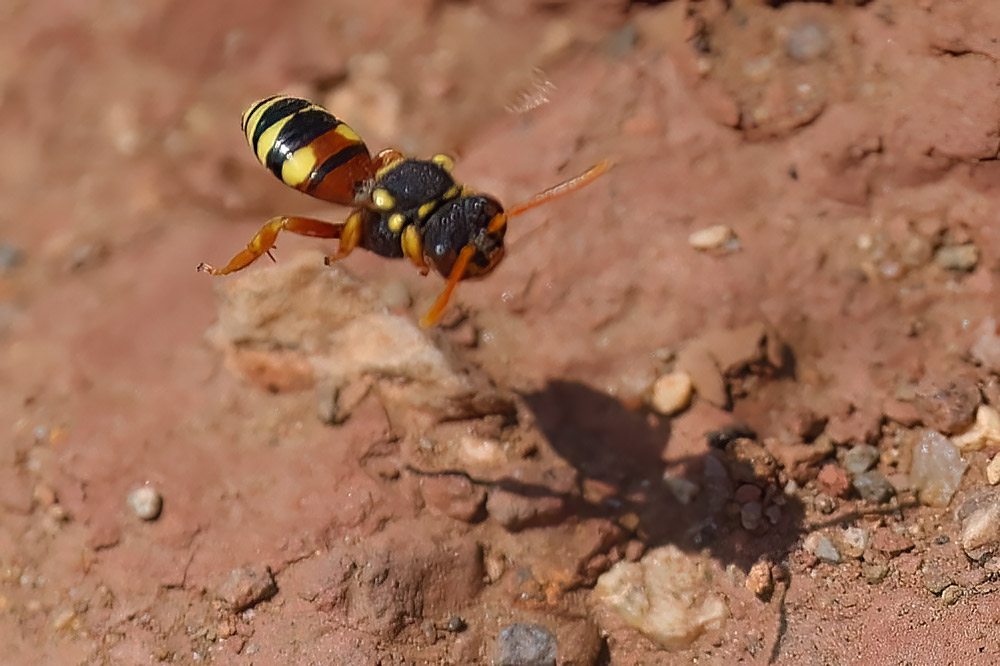
N. goodeniana was also present.
I saw my first black headed mining bee Andrena nigriceps, a scarce species with a foothold in West Cornwall. The photo is of a female.
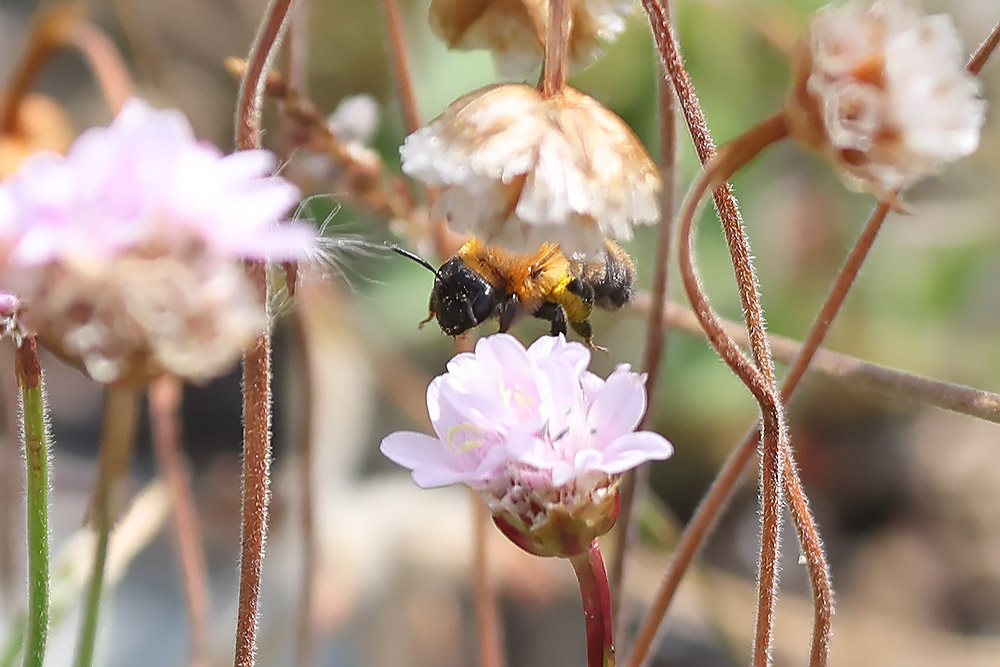
The photos below may be of a nearby male, though identification is difficult.
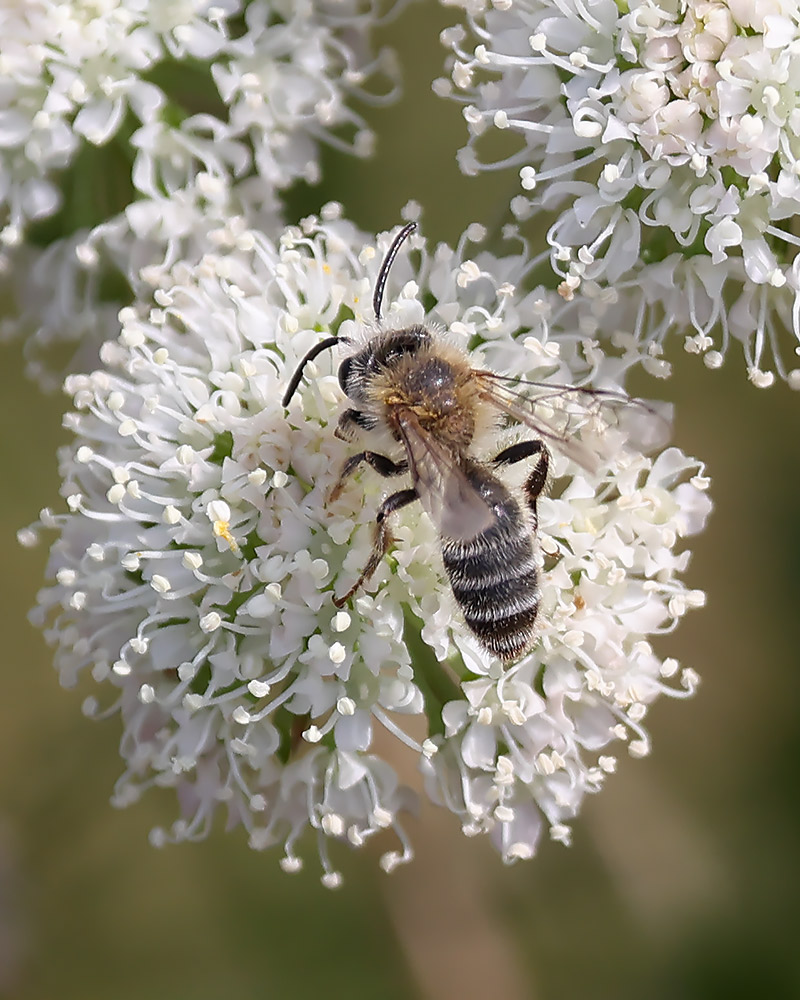
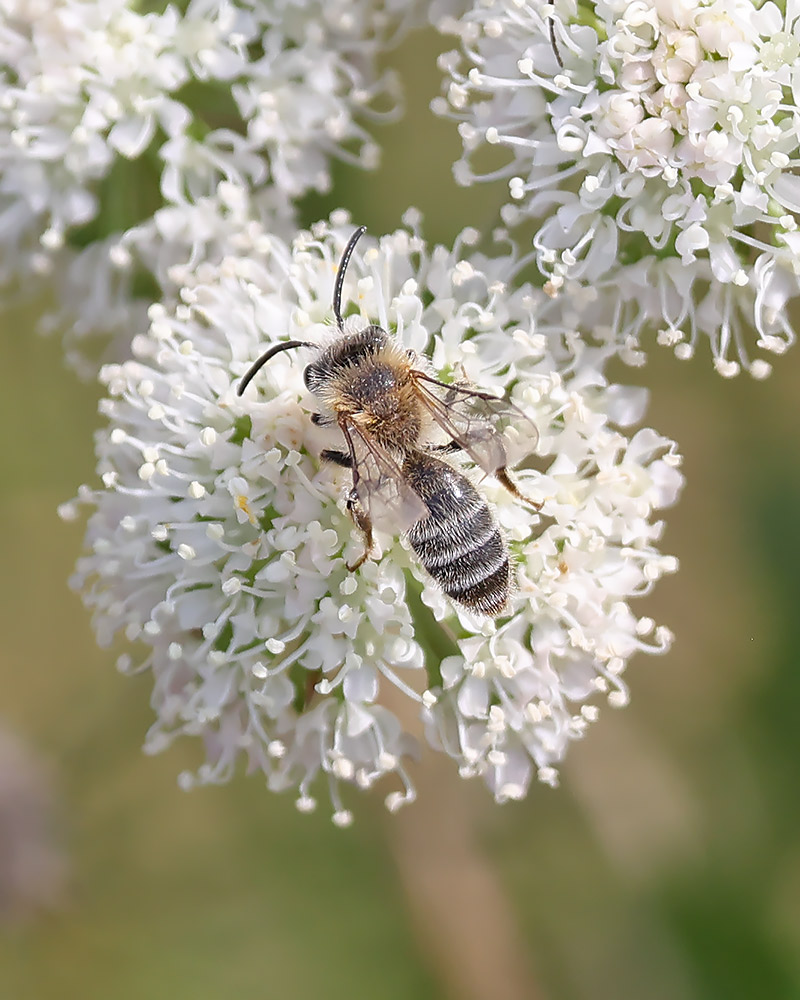
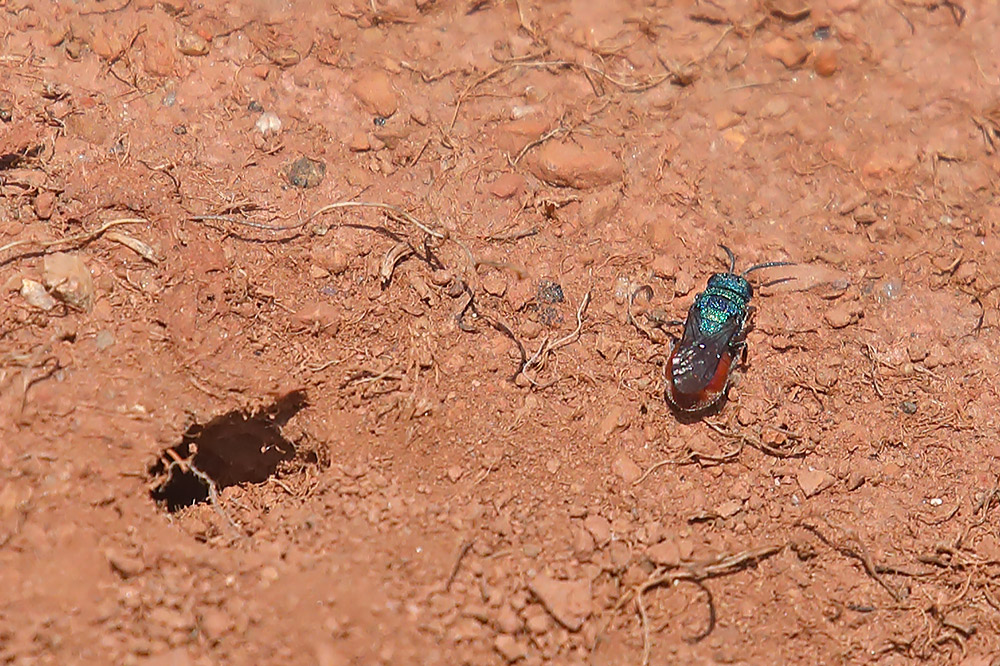
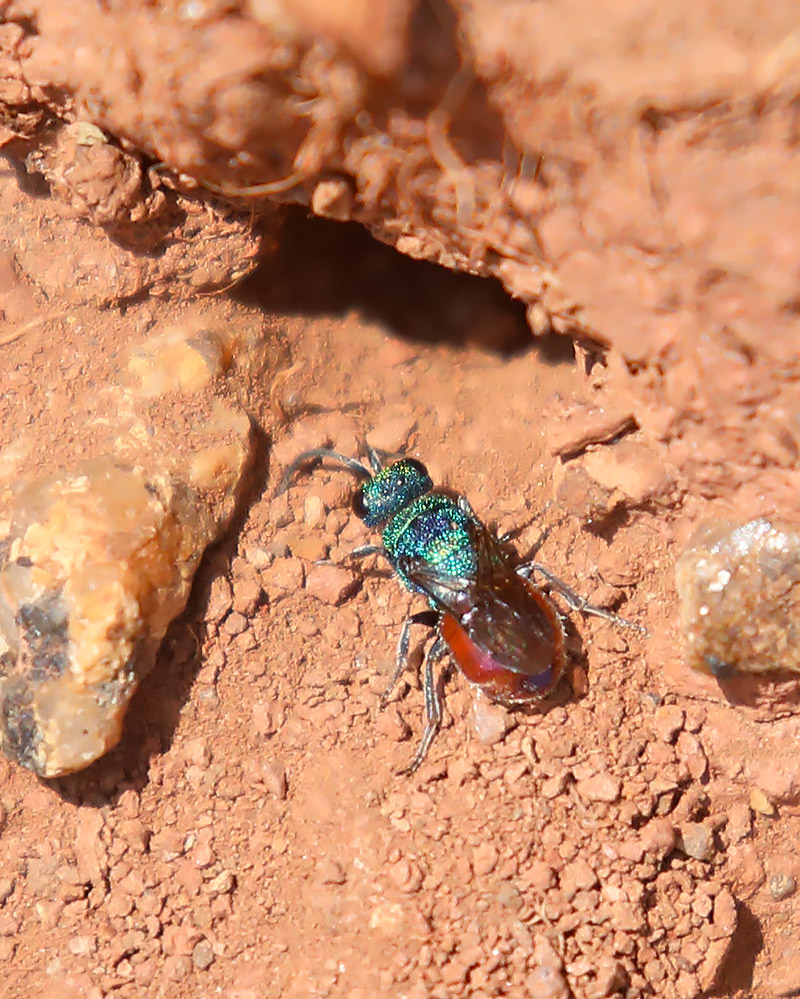
Several wasps and bees with red on their abdomens were present. first, the wasp Astata boops with its parasite Hedychridium cf. roseum. There appear to be few records from Cornwall. Top photo - male, second probably a female.
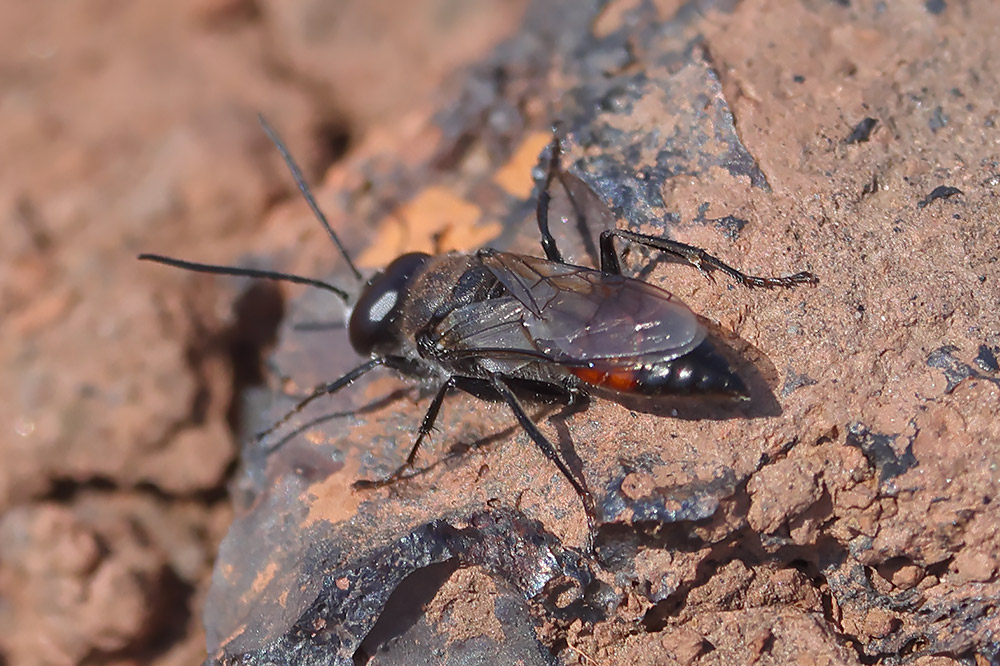
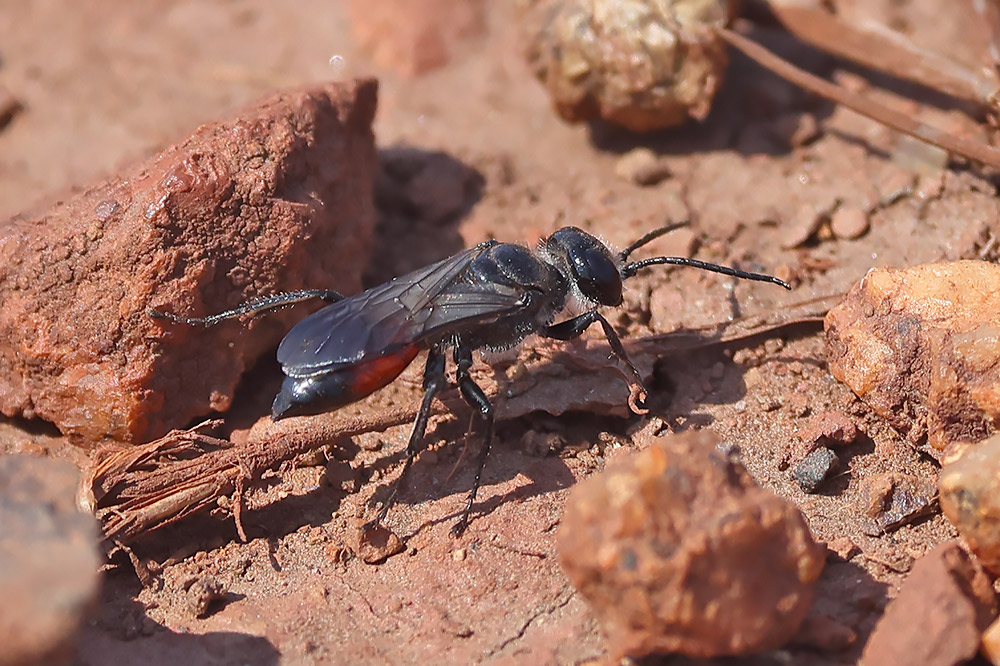
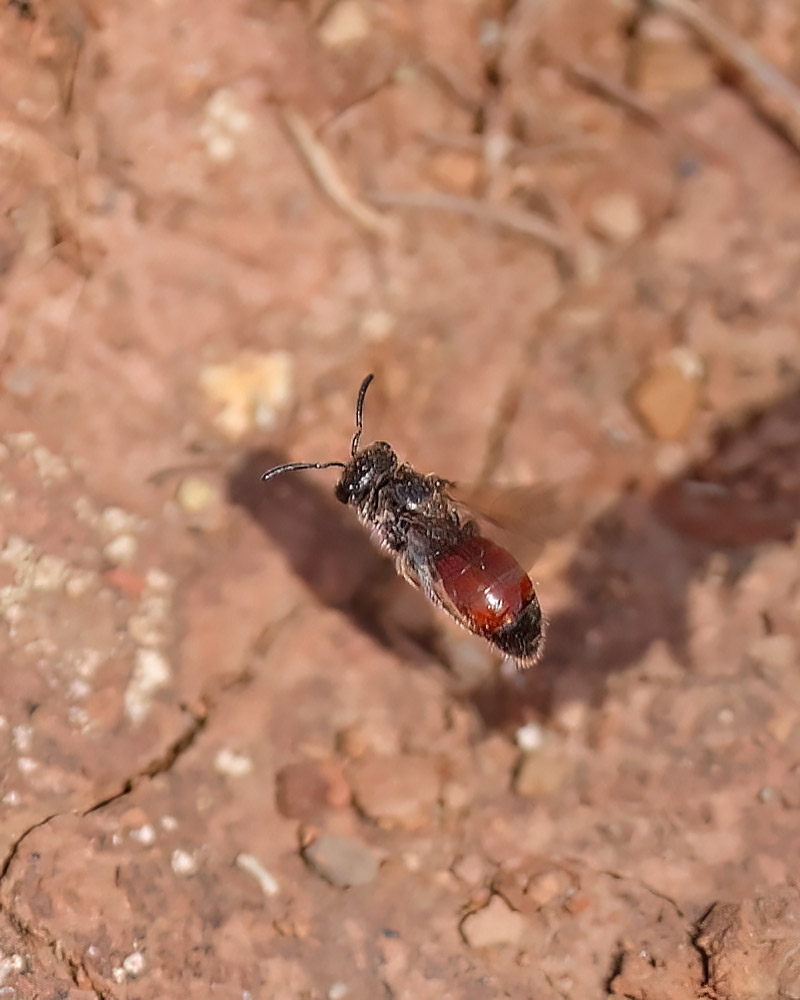
A blood bee Sphecodes sp.
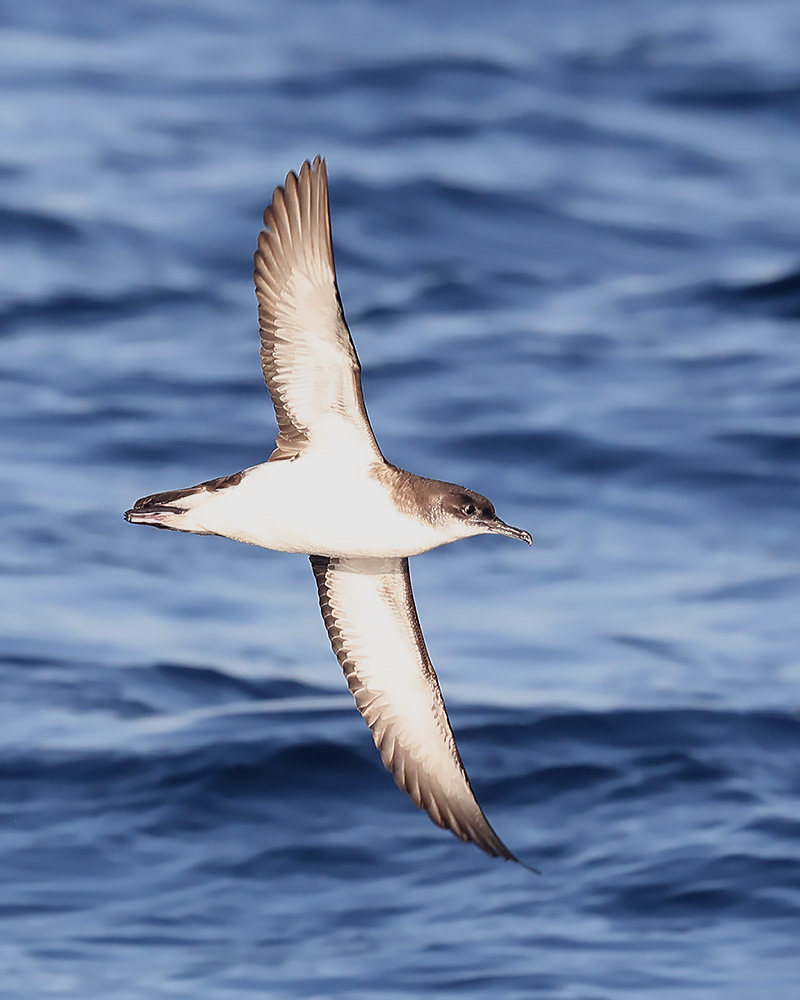
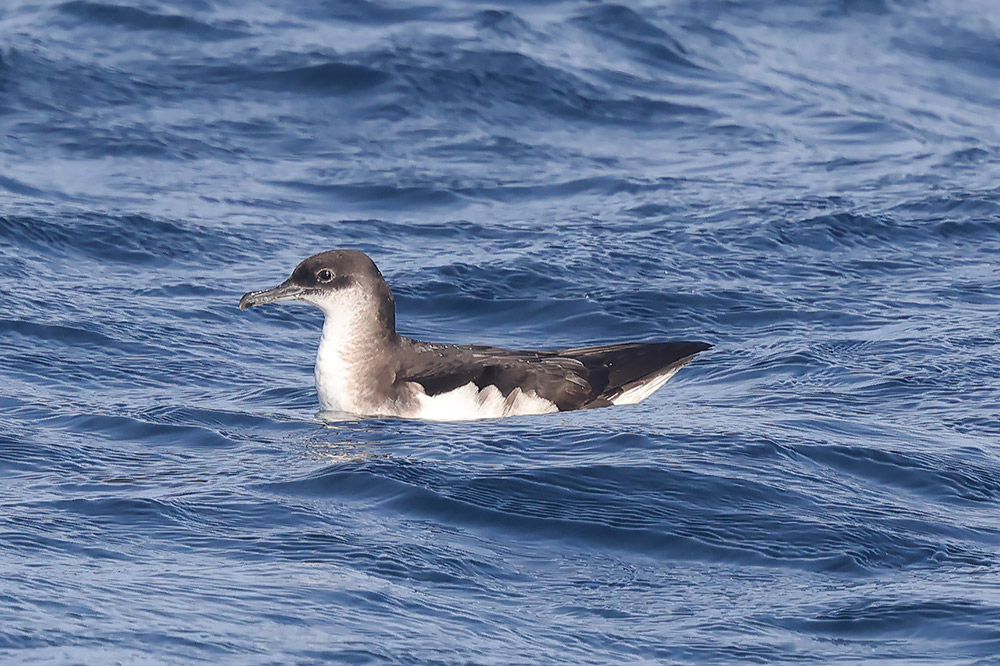
8th. A pelagic trip on the Mermaid from Penzance. There are few seabirds around at present, so most of the sightings were of Manx shearwaters.
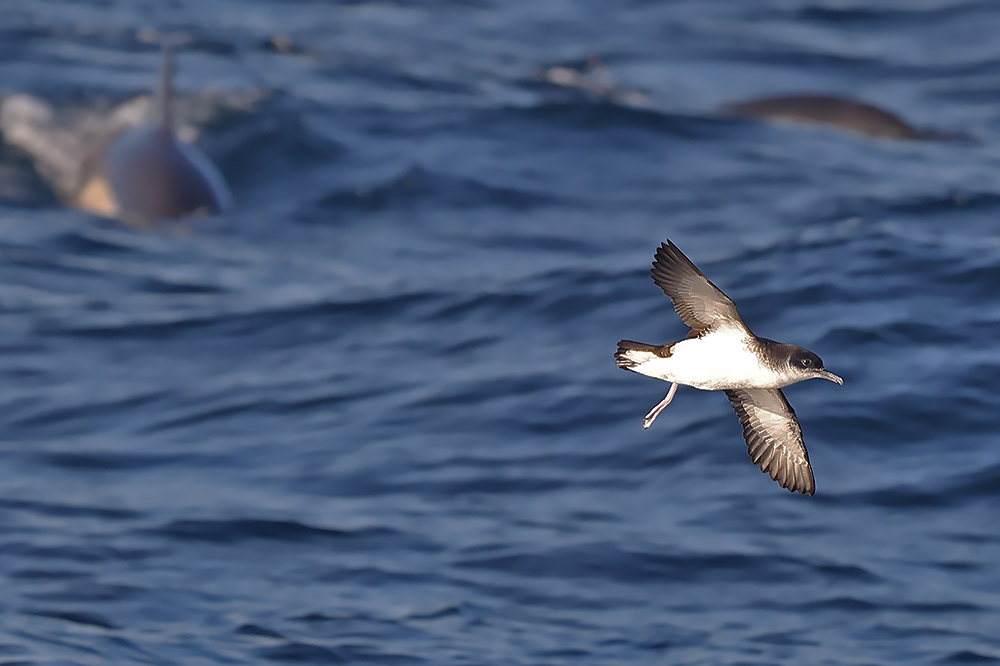
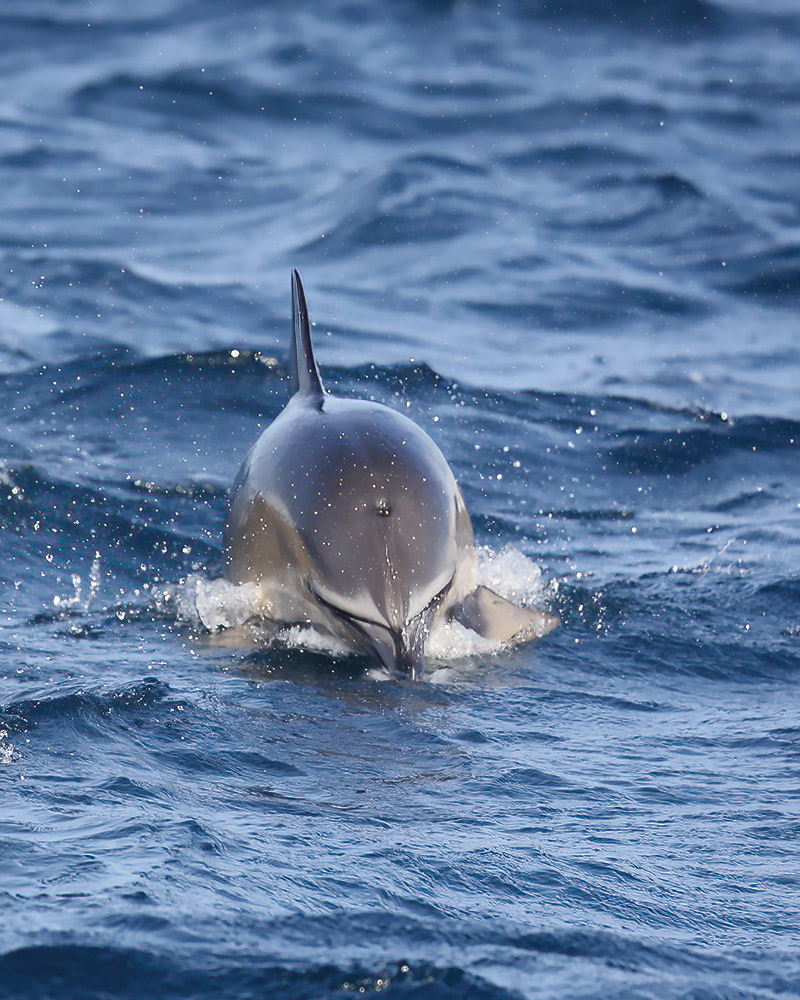
We met two pods of common dolphins (below). I also saw a large black fin that may have been a Risso's dolphin.