May 2026
Nocmig summary 1-8 May: whimbrel: 1st 18.32h; 2nd 22.00h; 5th 03.44h, 18.52h; 6th 18.40h; 7th 23.40h; 8th 01.38h; common sandpiper: 2nd 22.30h; 6th 22.38h; dunlin: 2nd 22.31h, 23.10h; 7th 23.58h; turnstone: 2nd 21.58h; oystercatcher: 4th 22.38h; 5th 01.09h, 22.56h; ringed plover: 8th 02.44h.
31st. A walk on Goonhilly Downs - lots of heath spotted orchids are now in flower.
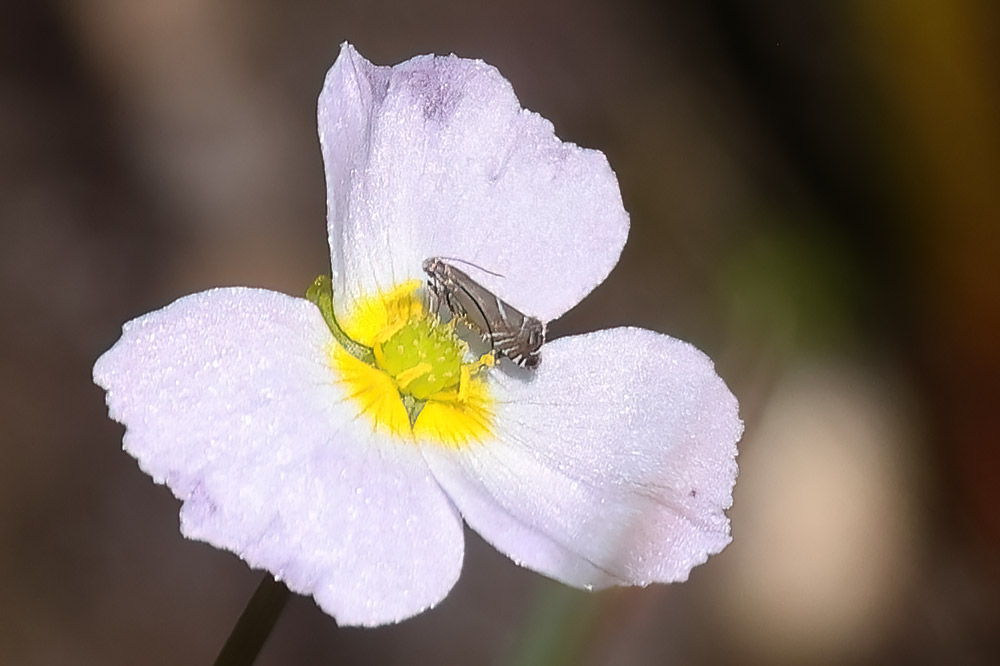
The cocksfoot moth Glyphipterix simpliciella on lesser water plantain.
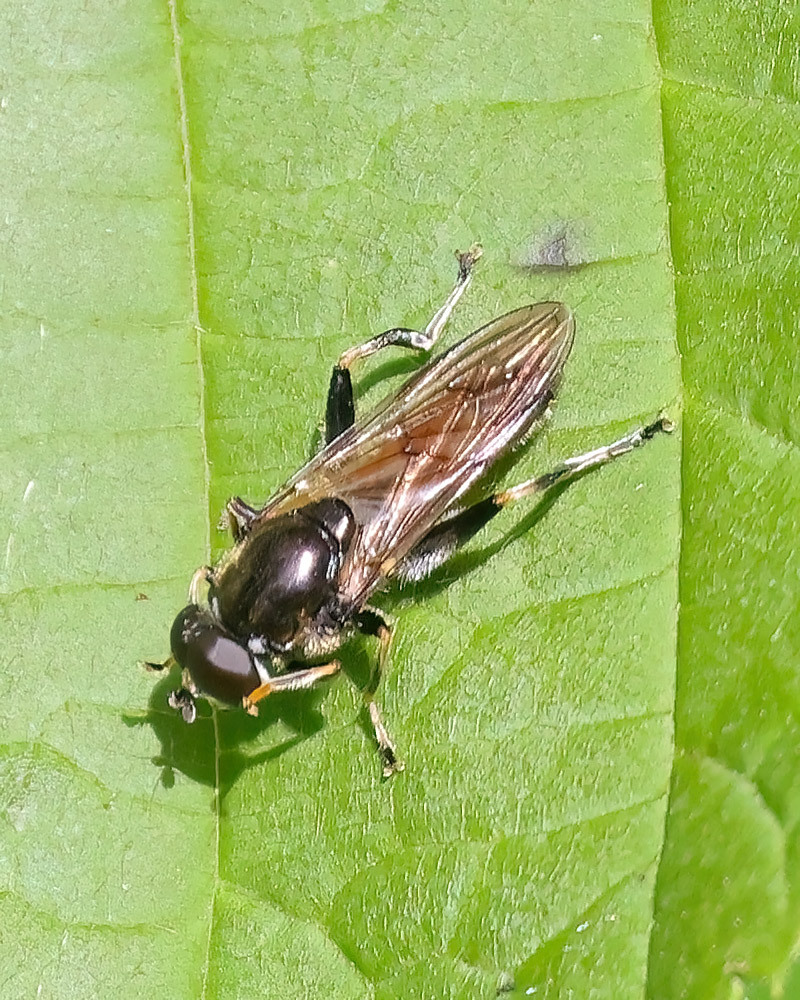
Orange-bellied leafwalker Xylota segnis.
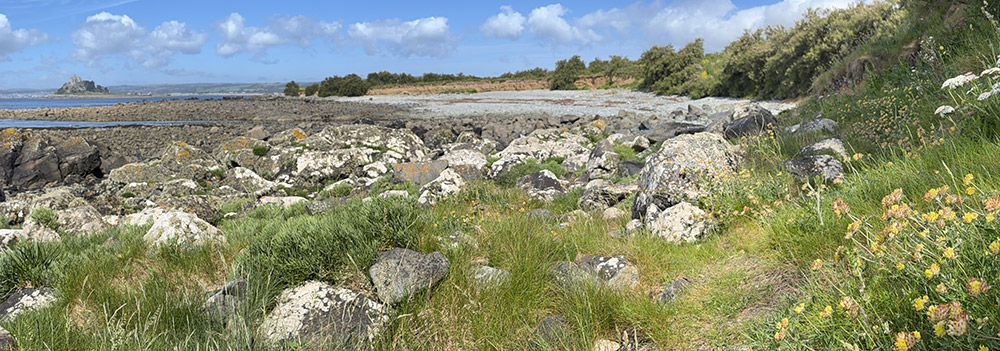
30th. Nanquidno - the purple viper's bugloss fields at Boscregan have been ploughed - presumably the plants will flower in a month or so? A few individuals were seen outside of the field. At Bartinney I saw invasive snowy mermaid/Chilean Iris Libertia chilensis flowering. Southern marsh orchids Dactylorhiza praetermissa were also in flower. Broad-bellied chaser, four-spotted chaser and an emperor dragonfly were around a pool. There are still lots of painted ladies around - fairly fresh individuals that may have migrated from France, and tatty butterflies that may have arrived from North Africa.
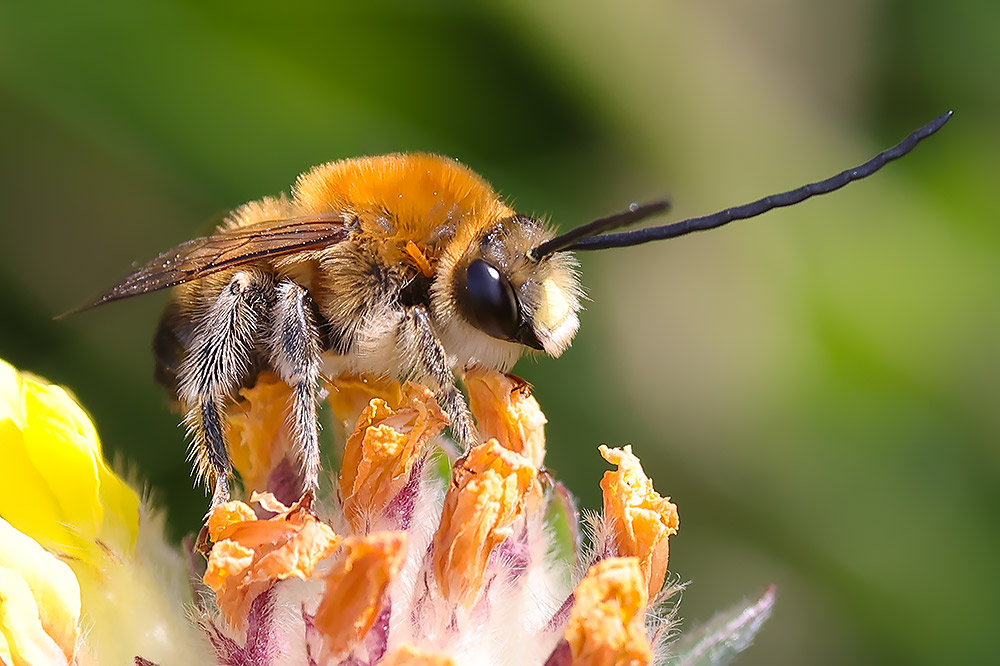
29th. Sex and deception. I've always wanted to see long-horned bees and was not disappointed. Spectacular insects, and very rare nowadays! Several males were flying near Perranuthnoe. Such an interesting lifestyle too - in the second image a bee is carrying a triungulin (oil beetle larva) which will eat its brood (or at least the pollen and nectar supplies) if transported to the burrow. We watched the beetles digging nest burrows in March. The triungulins congregate on flowers and emit pheromones that mimic those of female bees to attract the male bees. There is intense sexual selection in the bees - the males emerge first (around now) and have much longer antennae than the females so they can detect their odours. Orchids, such as bee orchids also mimic the female scent so males attempt to mate with the flower and transport its pollen. How do the triungulins get into the burrows if the females build them and do all the parental care?
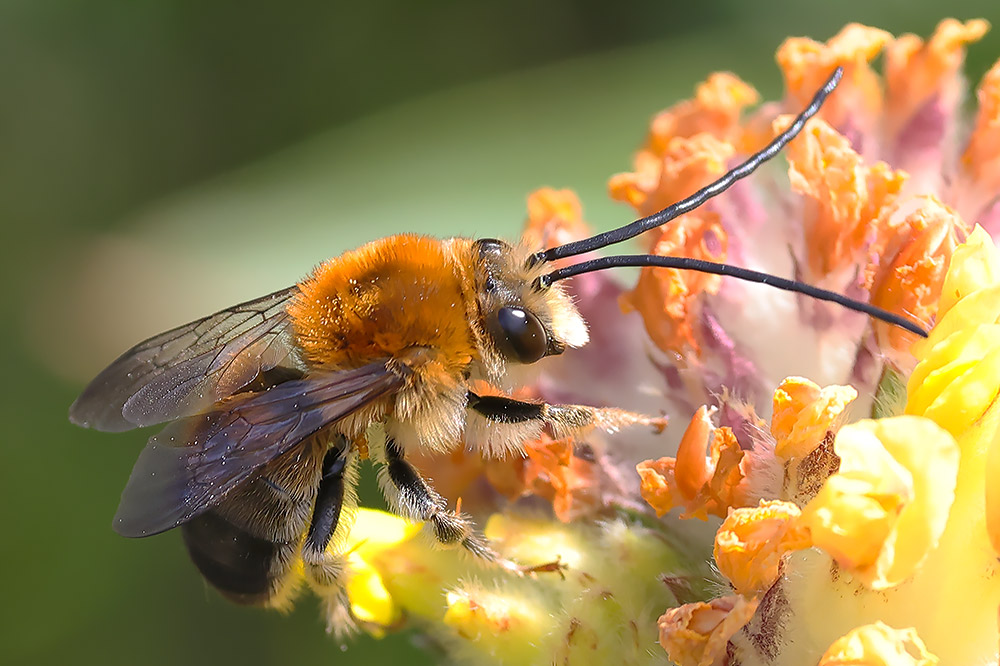
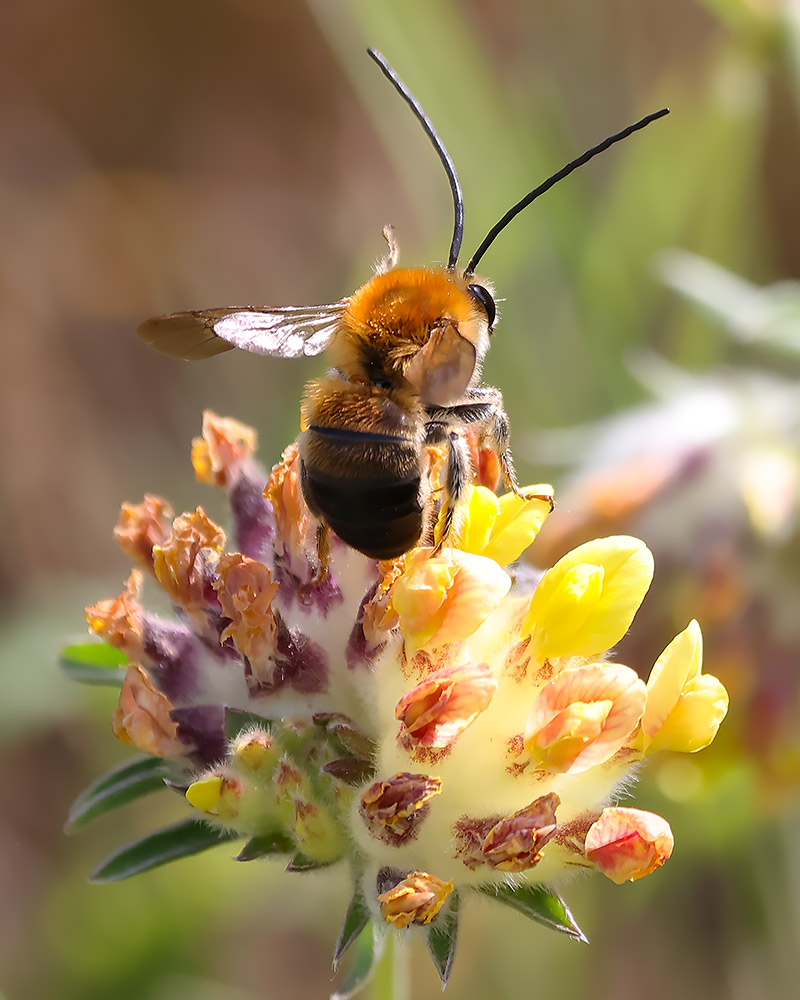
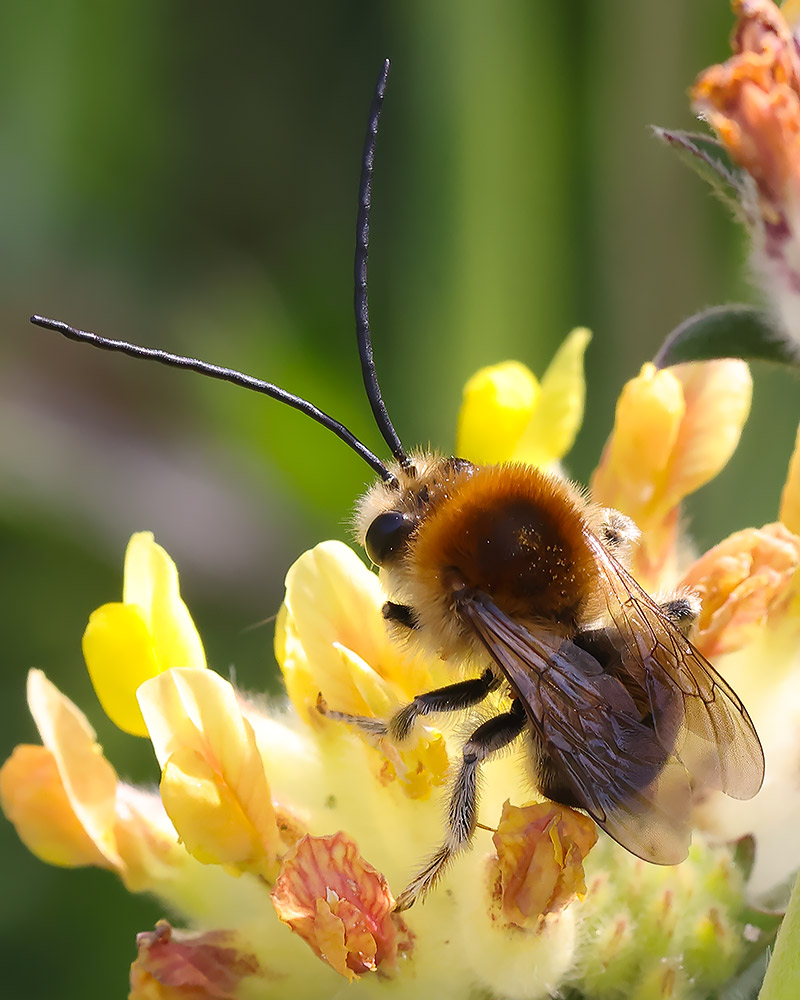
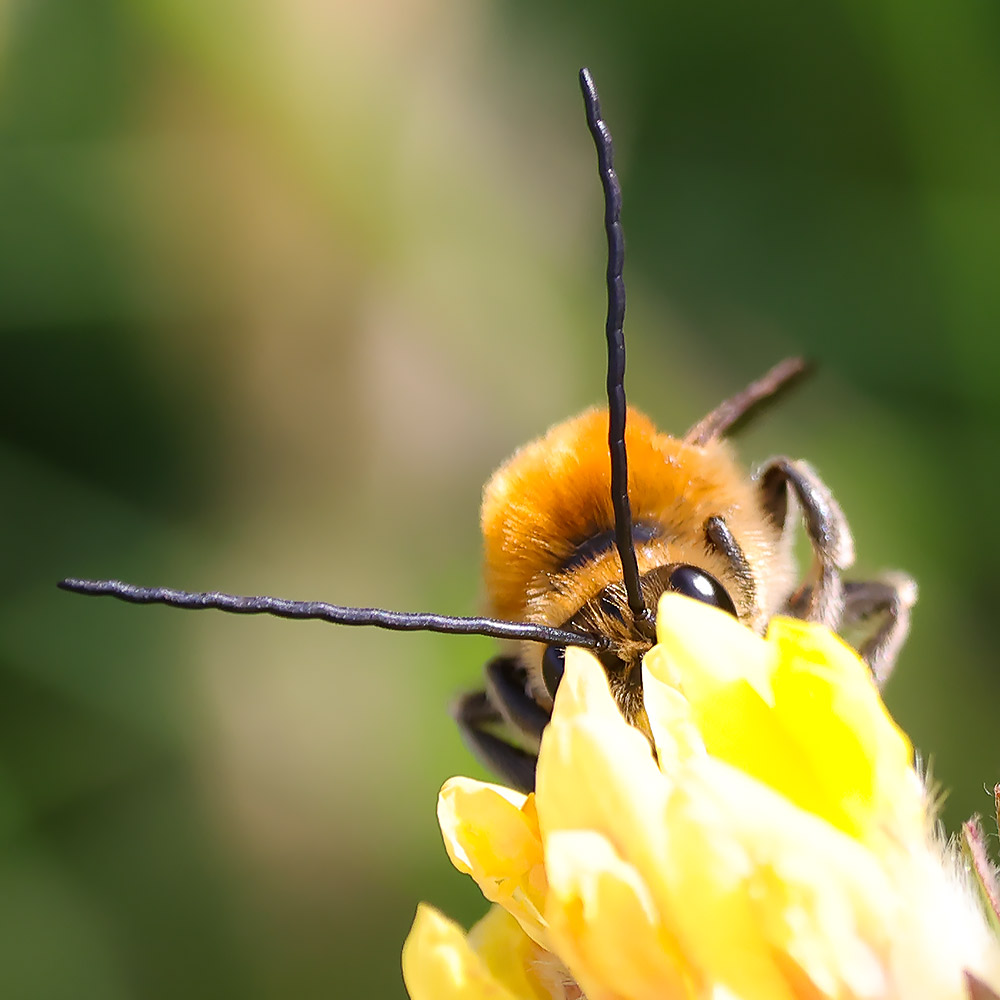
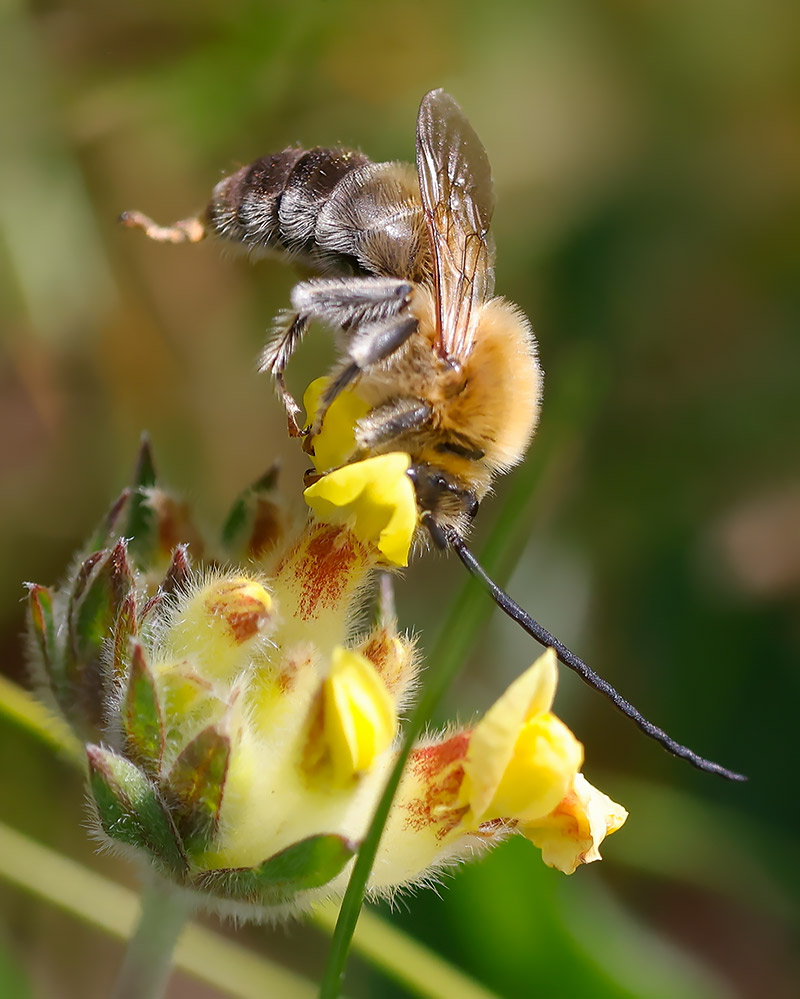
This hawksbeard mining bee Andrena fulvago is also carrying a triungulin.
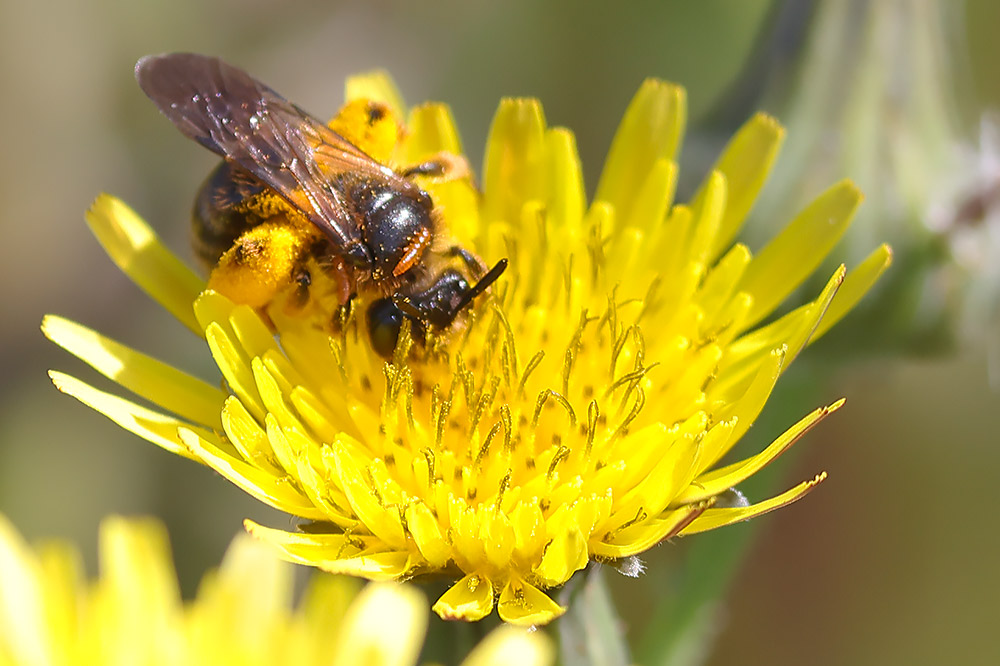
Wilke's mining bee A. wilkella was also present.
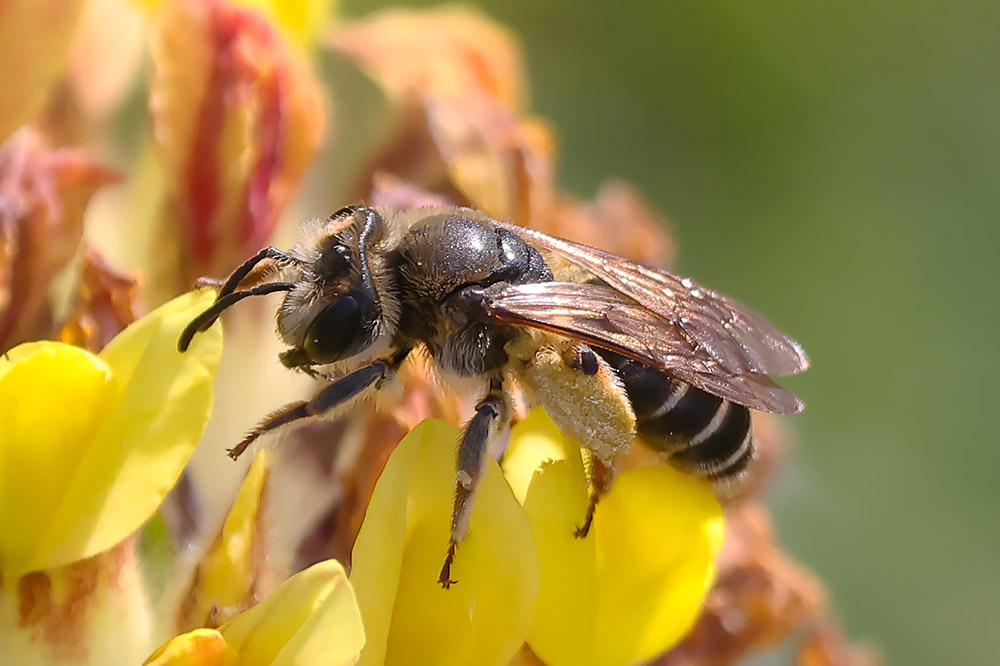
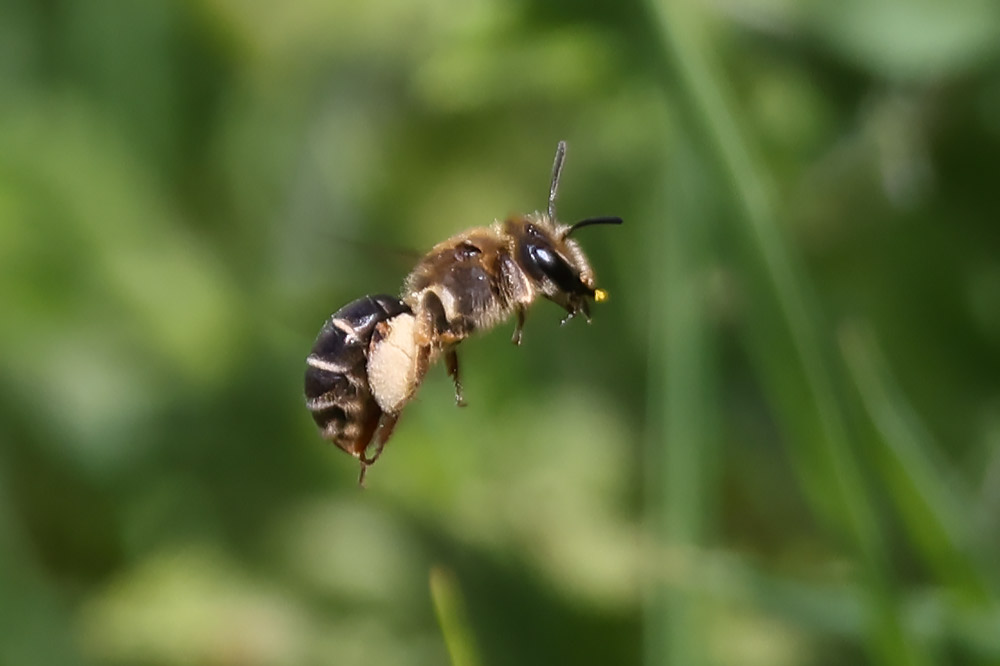
I also saw buffish mining bee A. nigroaenea and its parasite Gooden's nomad bee Nomada goodeniana.
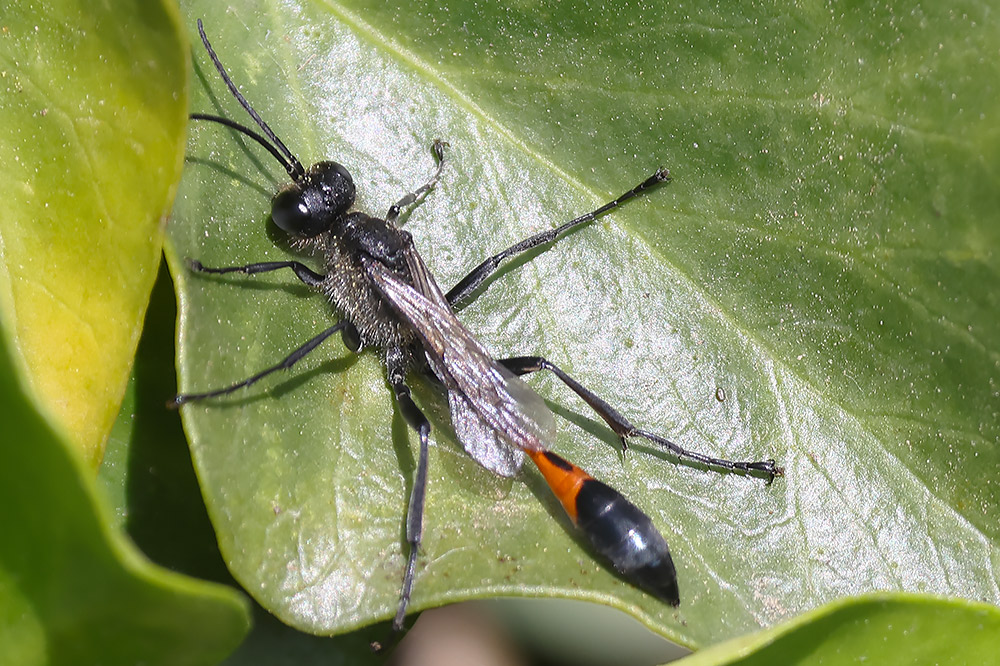
The red-banded sand wasp Ammophila sabulosa.
A red kite flew through.
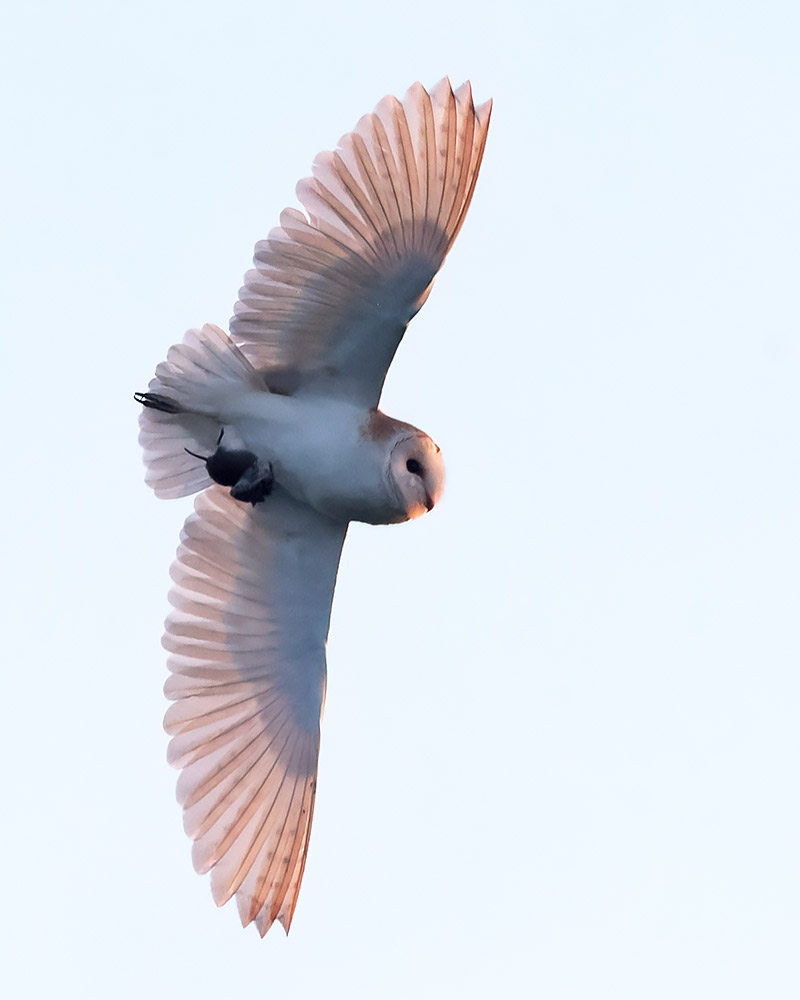
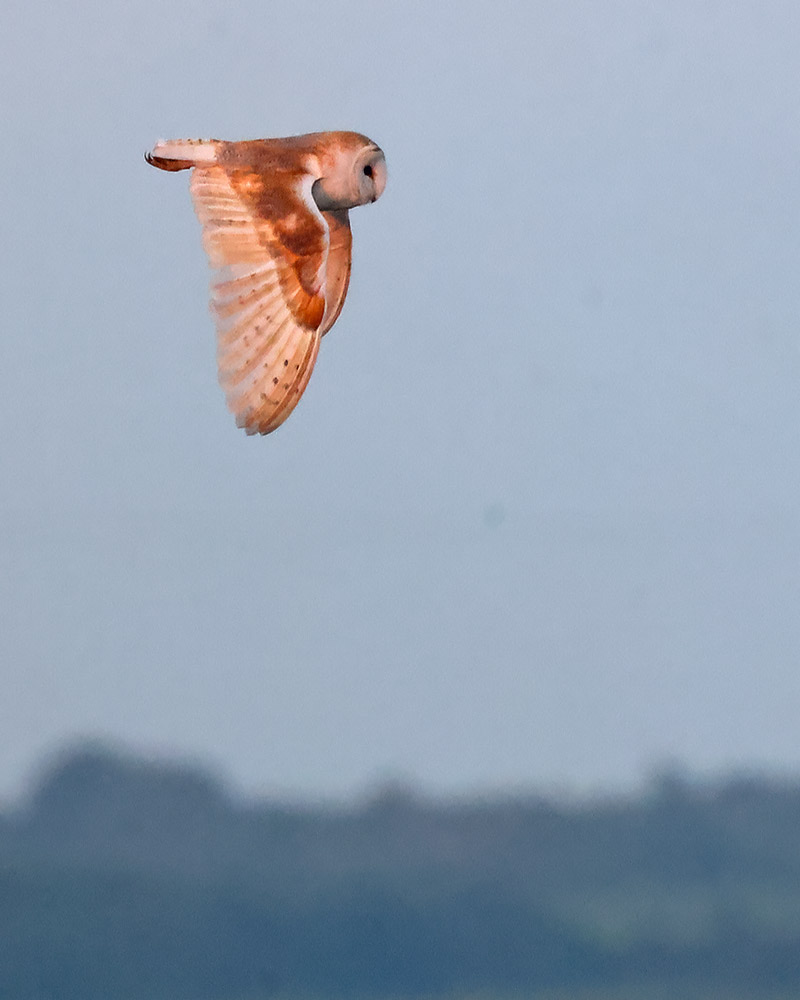
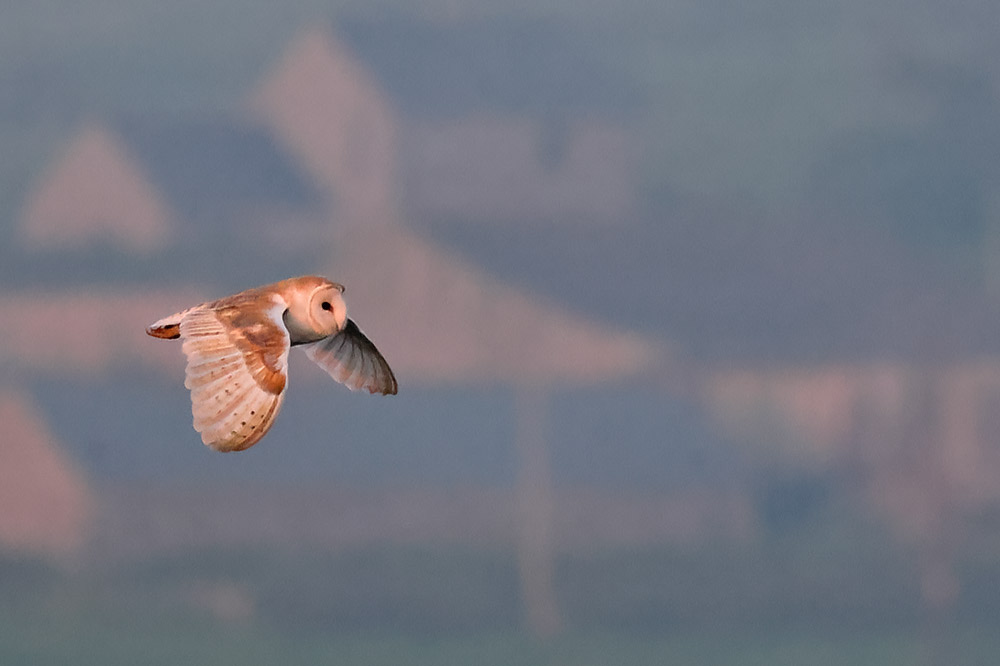
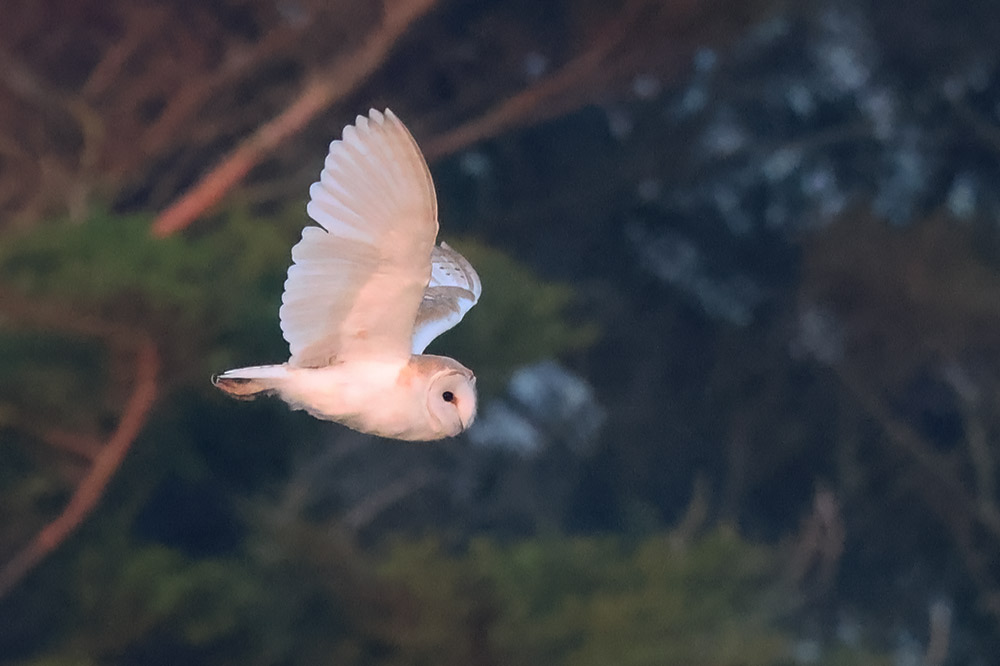
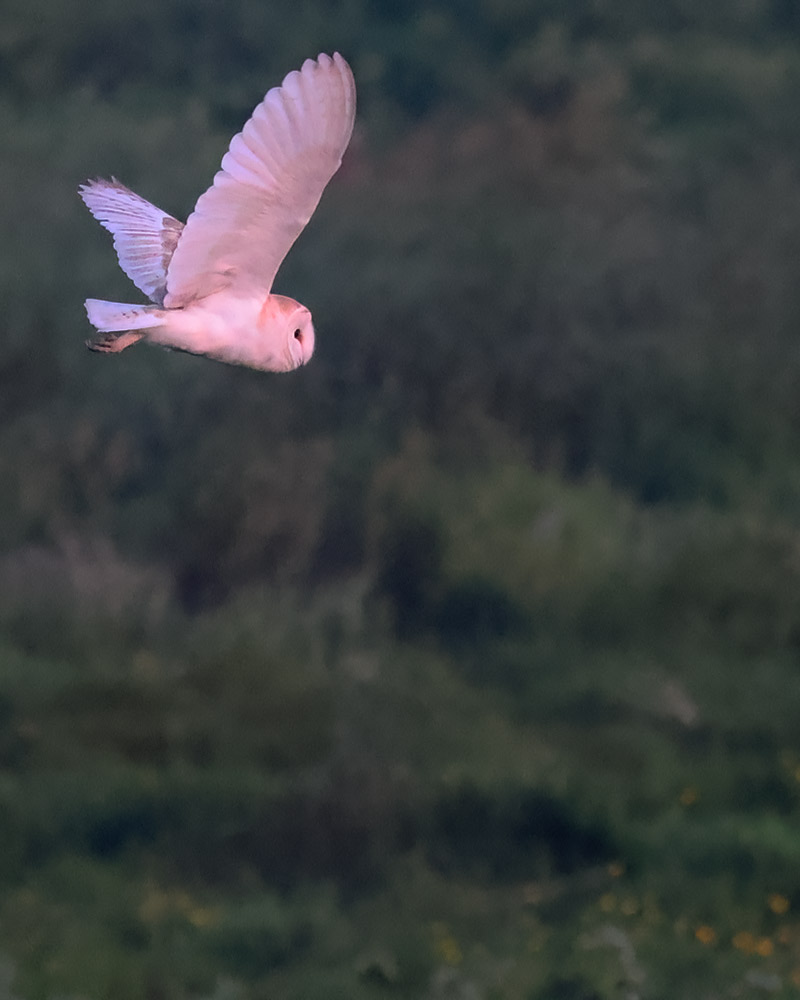
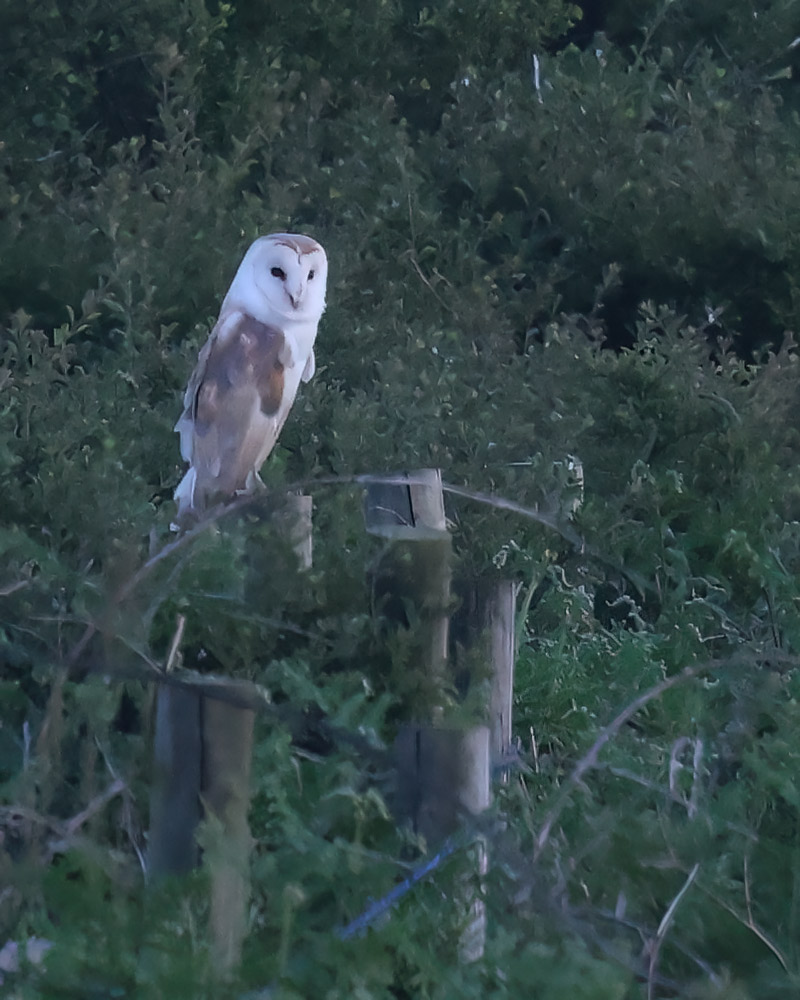
27th. Hetty saw a red kite fly low over the hose. I saw a whimbrel on the Island. Back the West Penwith, and more time with the barn owl.
25th. Trengwainton Gardens near Penzance - 2 red kite, great spotted woodpecker, and a calling nuthatch.
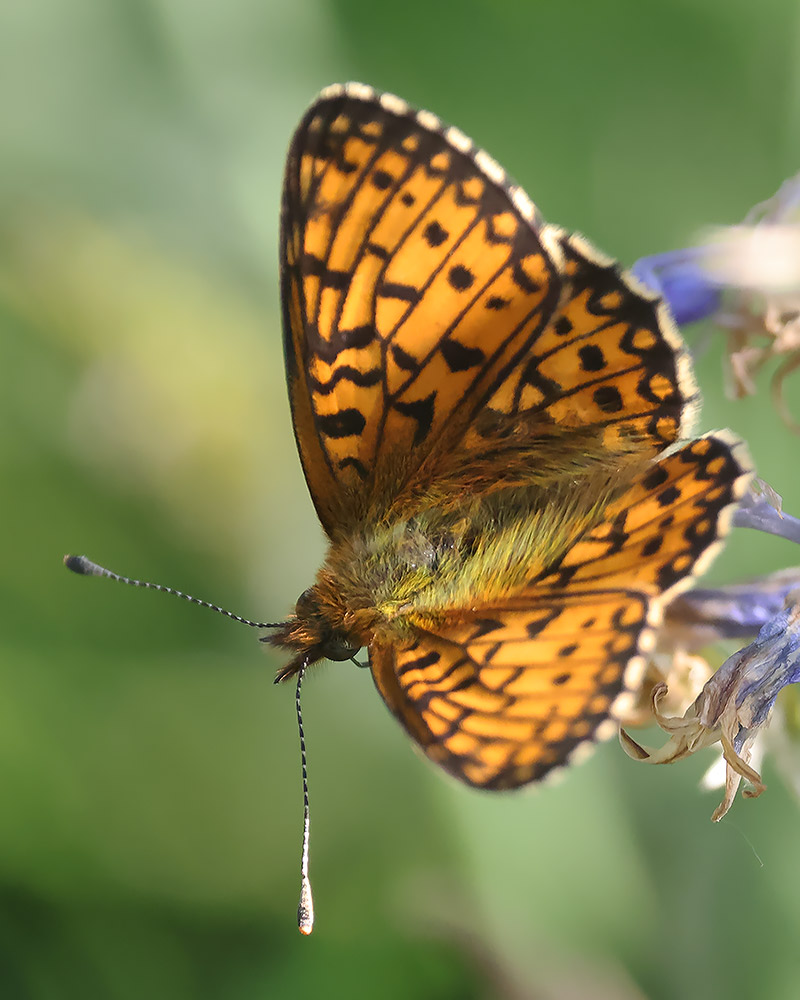
James found a male red-backed shrike at Foage, but I could not refind it in the late afternoon. There were at least 2 small pearl-bordered fritillaries flying.
There are scores of painted ladies flying, some almost when it is dark, and there were scores of silver-y moths on valerian at Zennor.
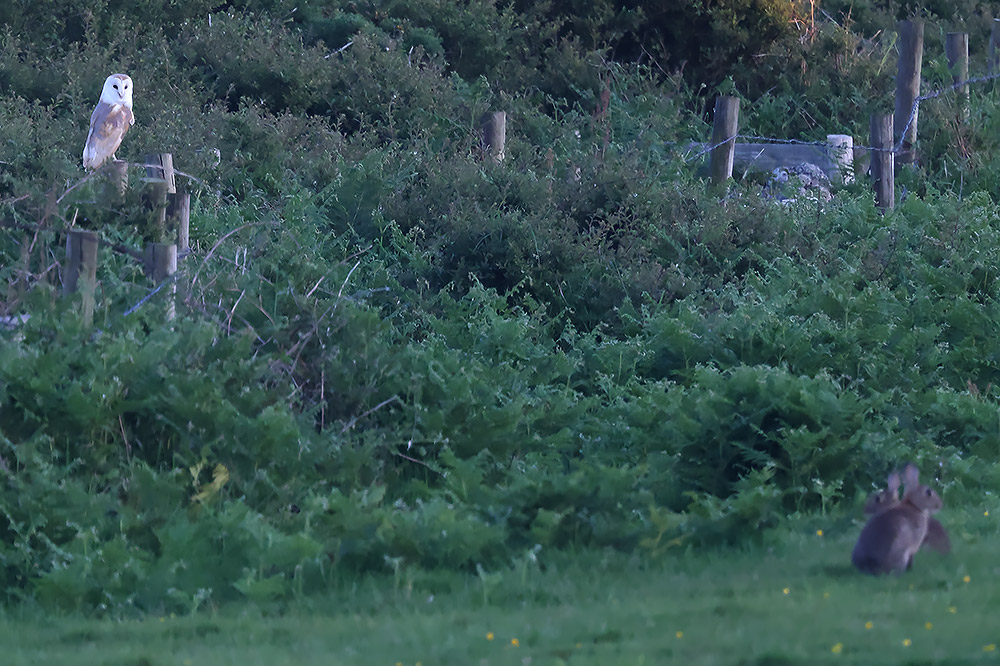
We walked on the Penwith moorlands on the warmest evening of the year, seeing a barn owl, sparrowhawk, badger and a fox. A second barn owl flew close to the road as drove back. We heard probably two nightjar on the moorlands.
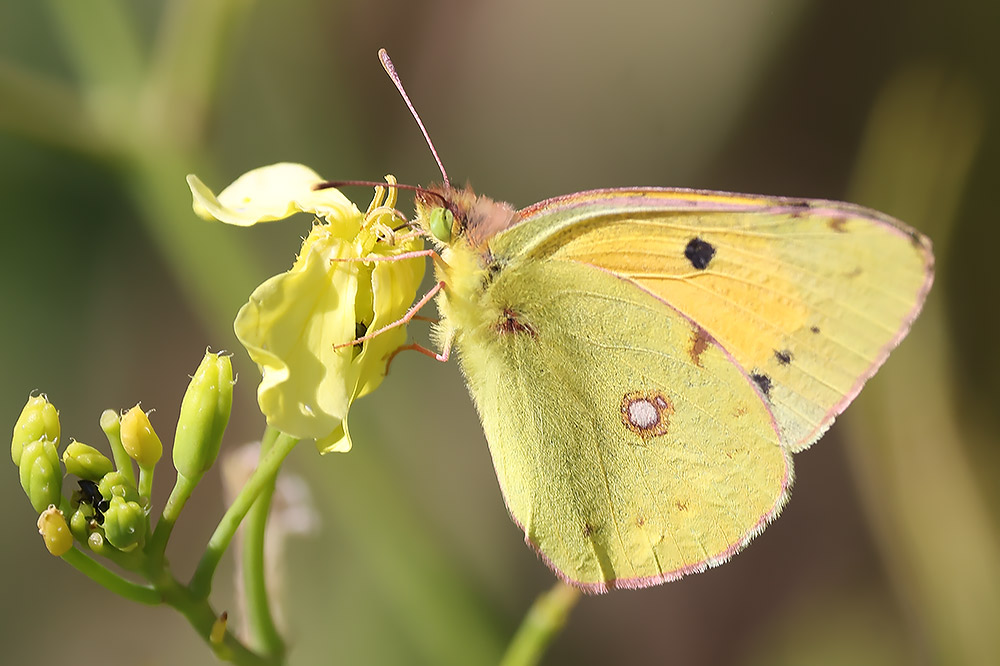
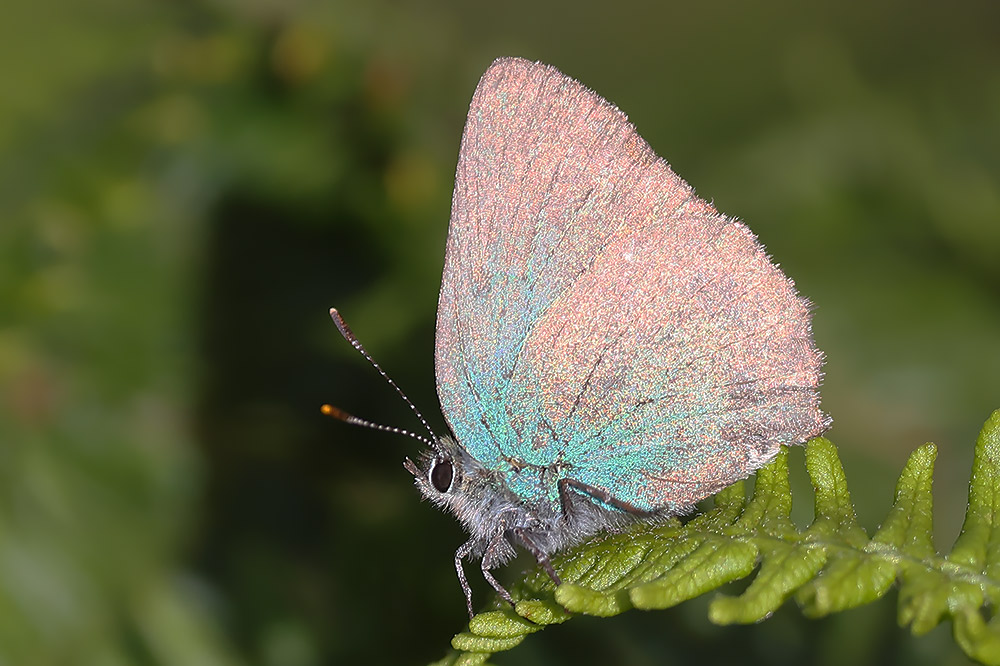
24th. Kenidjack. Clouded yellow, green hairstreak and common blue butterflies. Lots of painted ladies too.
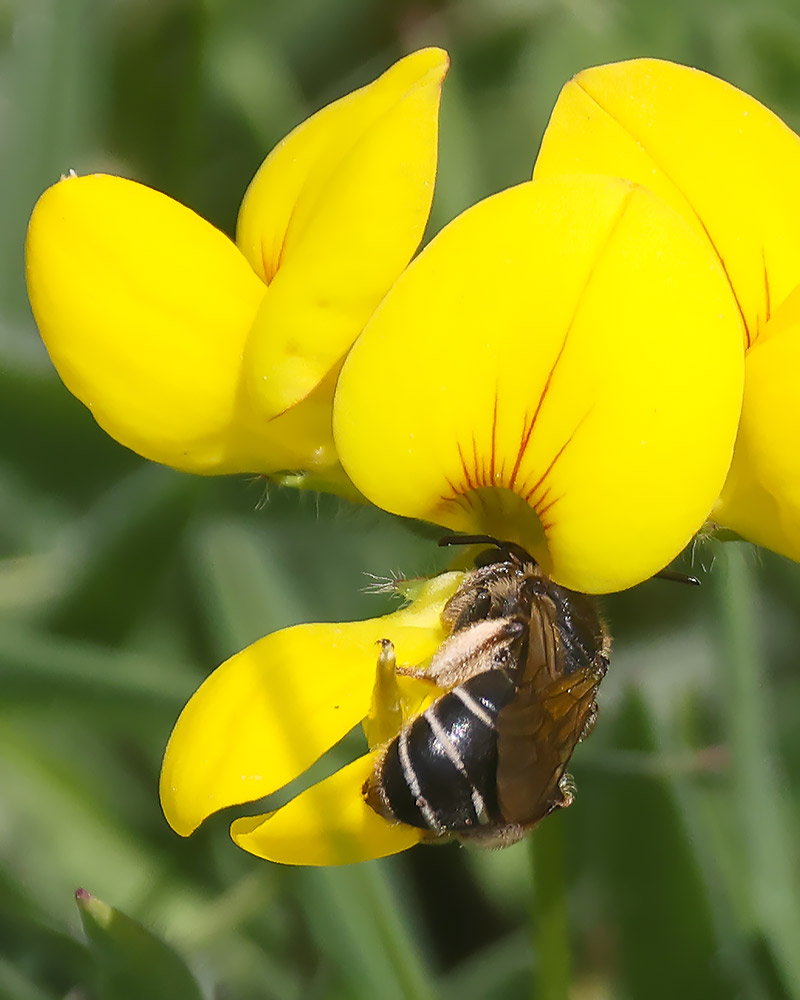
Wilke's mining bee Andrena wilkella fed on the vetch.
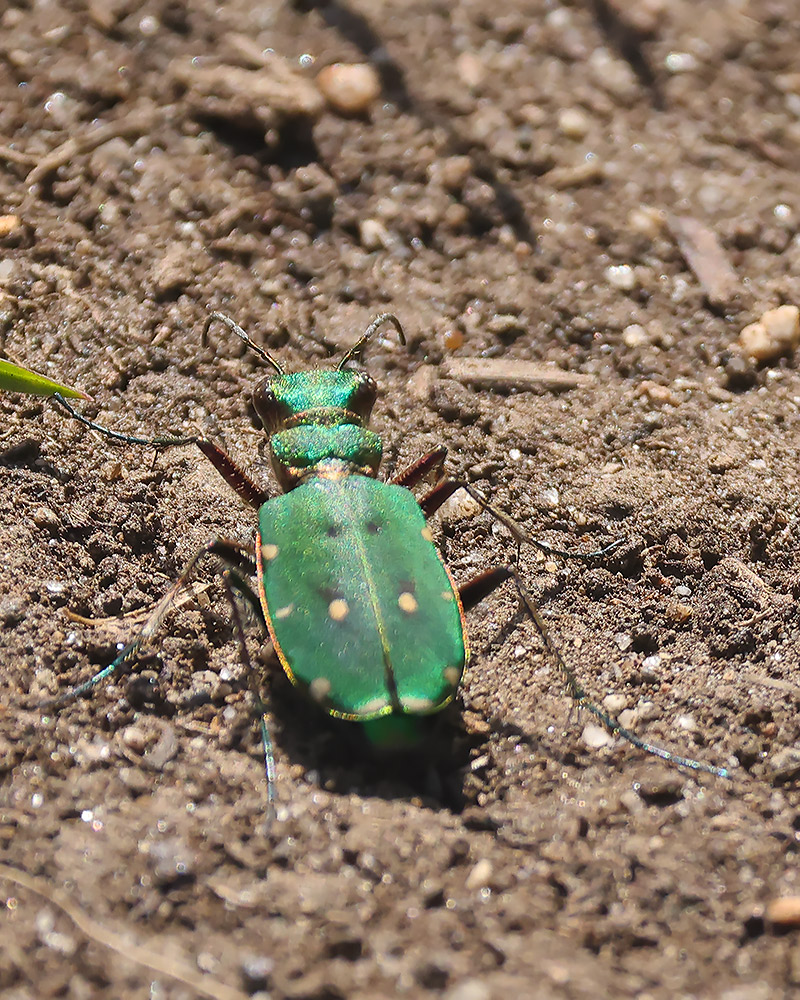
Green tiger beetle.
One wheatear seen.
23rd. A single Risso's dolphin with a broken tip to the dorsal fin in the bay.
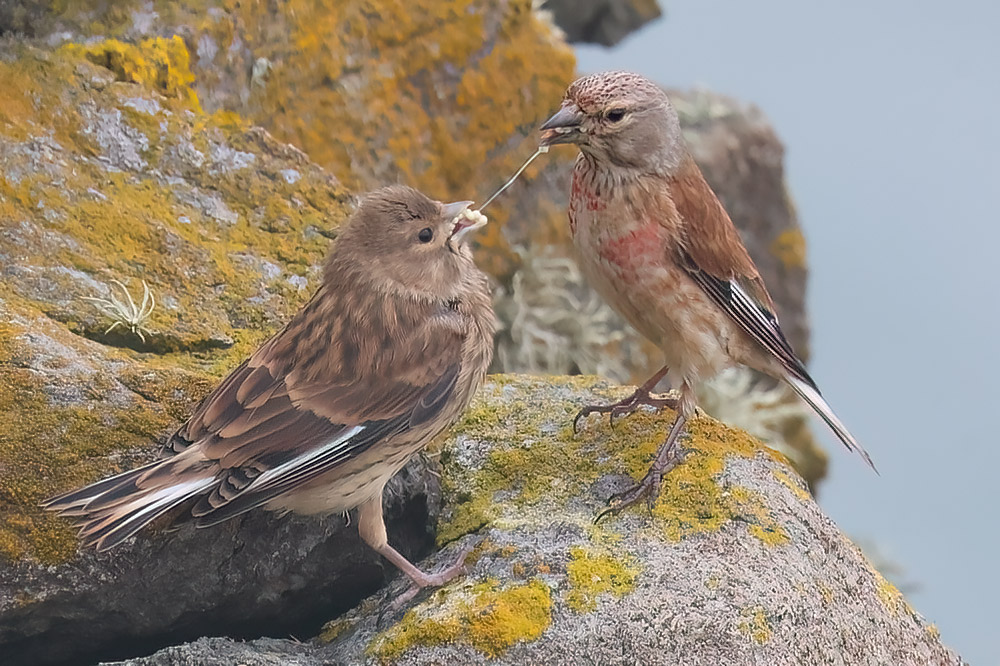
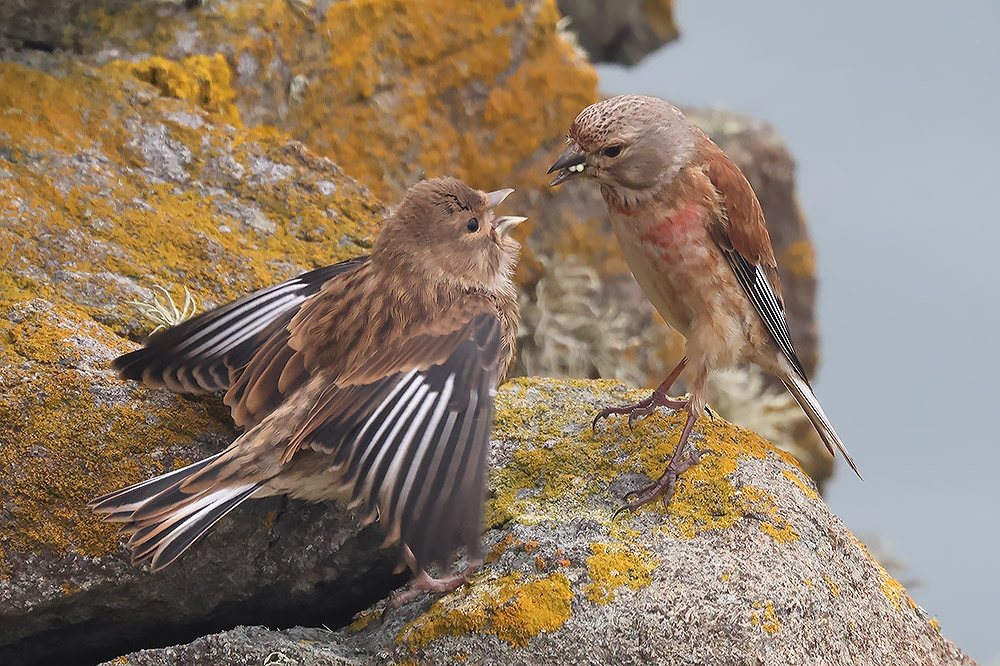
Linnet feeding a chick on The Island.
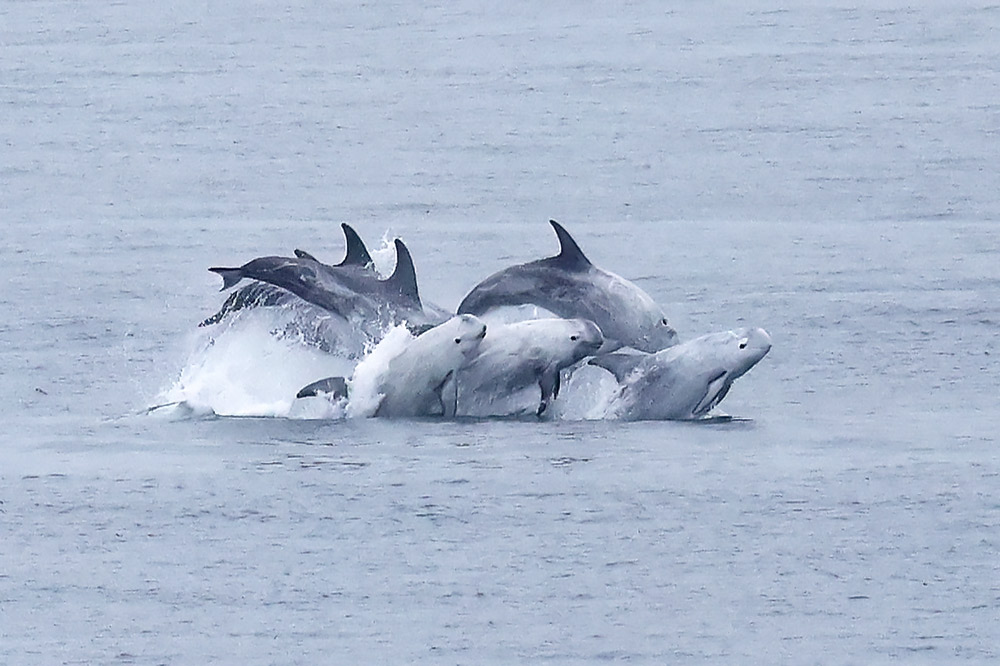
22nd. A pod of Risso's dolphins gave some great views in the bay. There may have been 11 individuals, including 9 that formed a tight group.
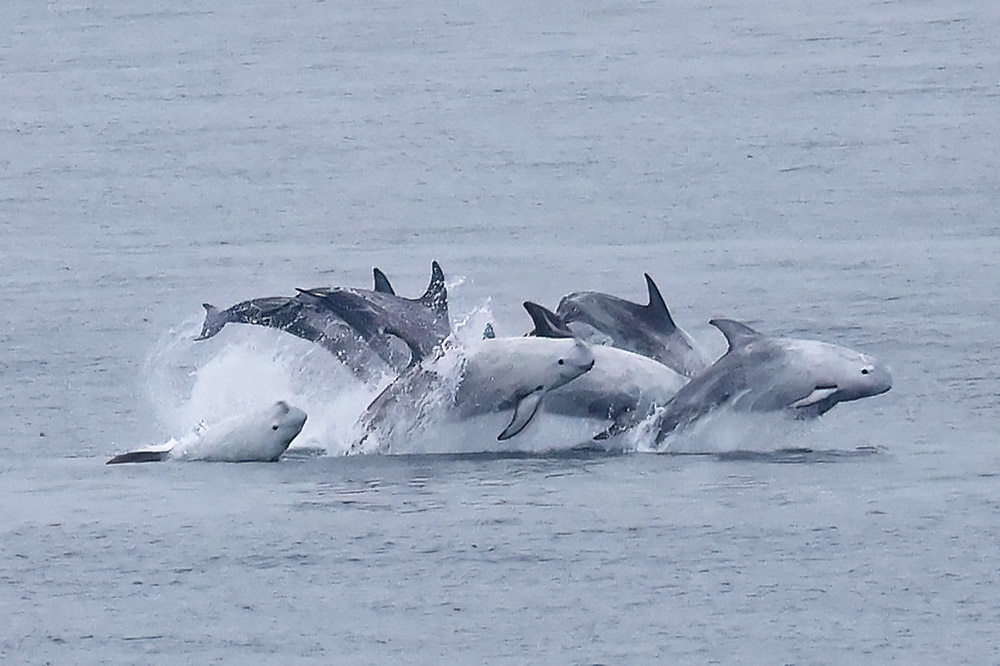
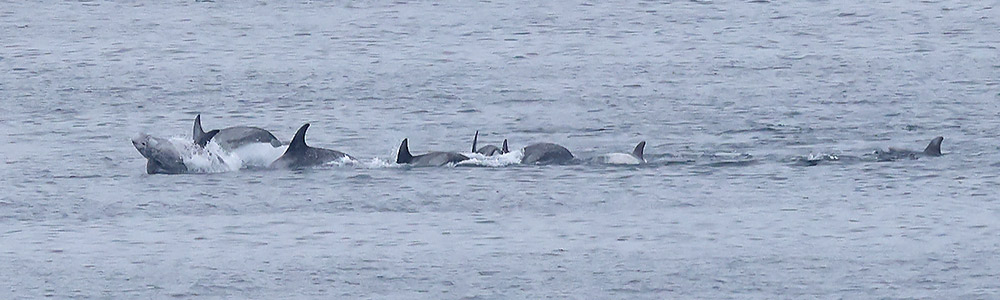
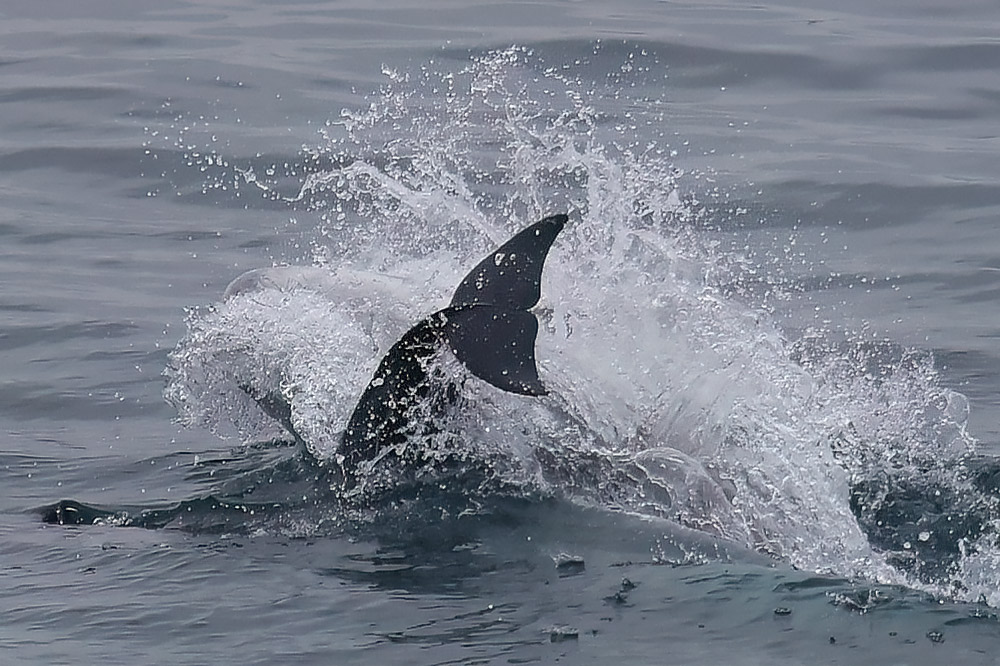
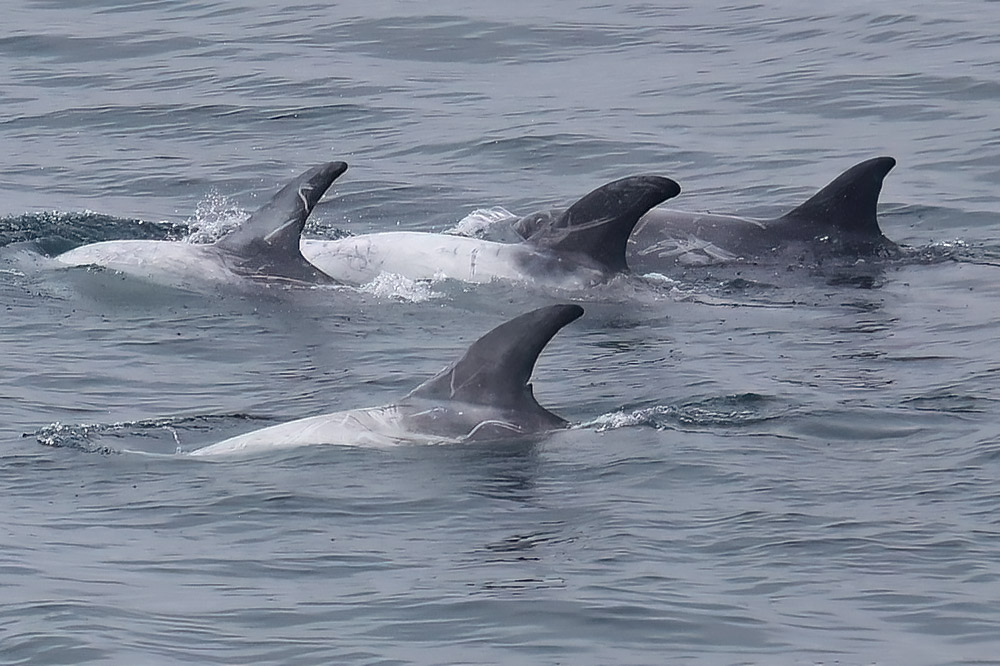
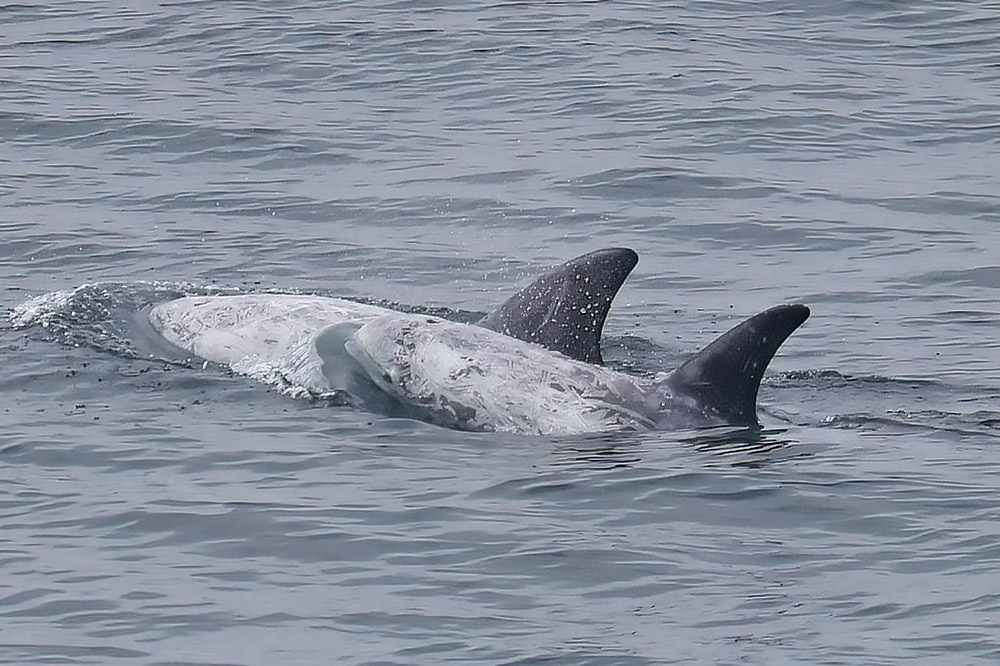
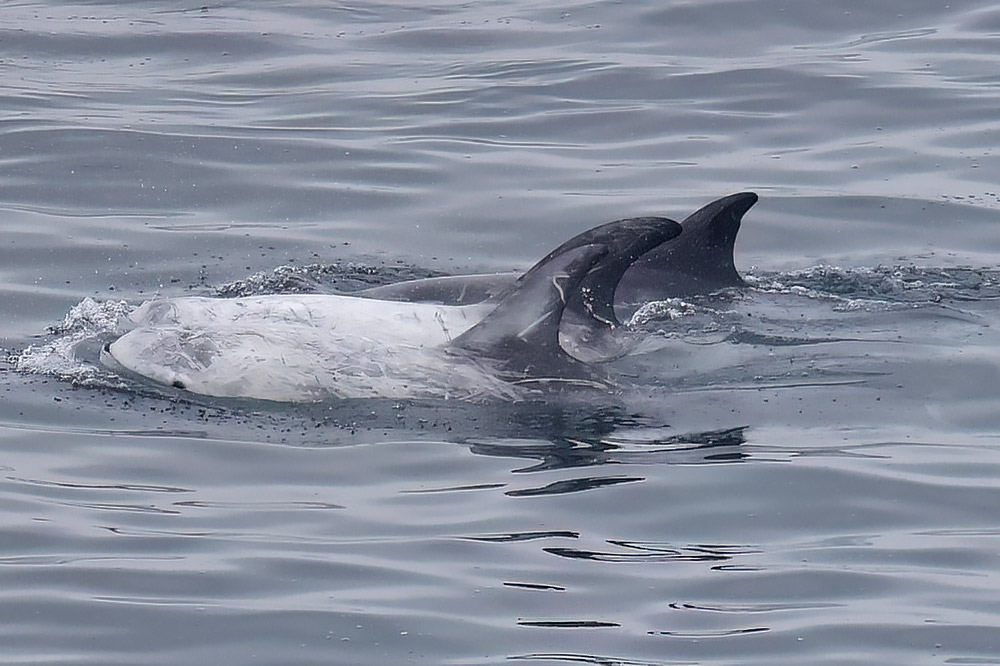
In the afternoon, we went to Loe Pool and I had some distant views of the drake American wigeon.
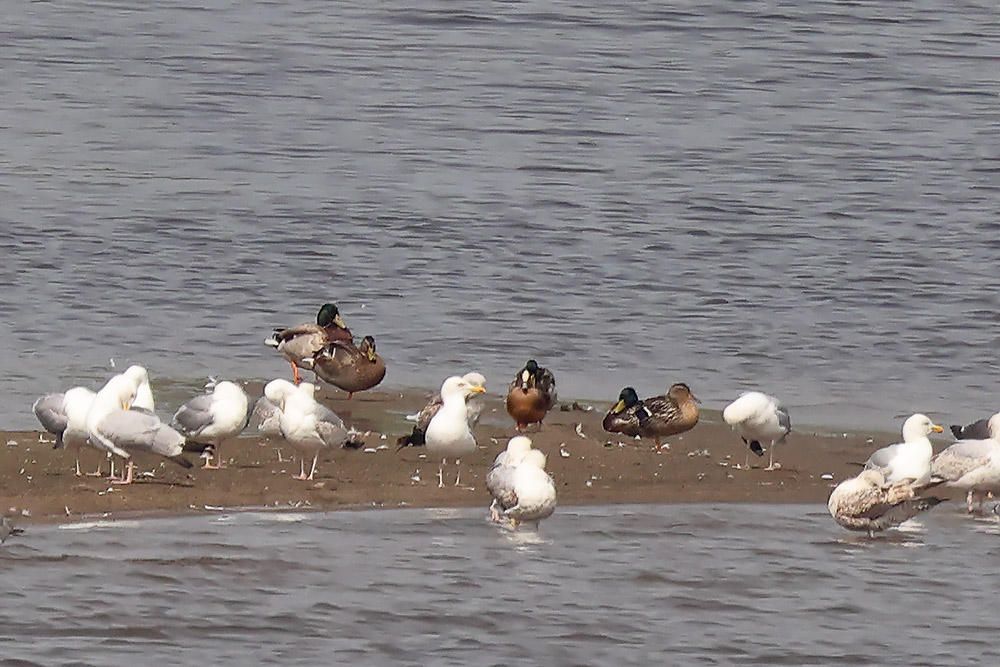
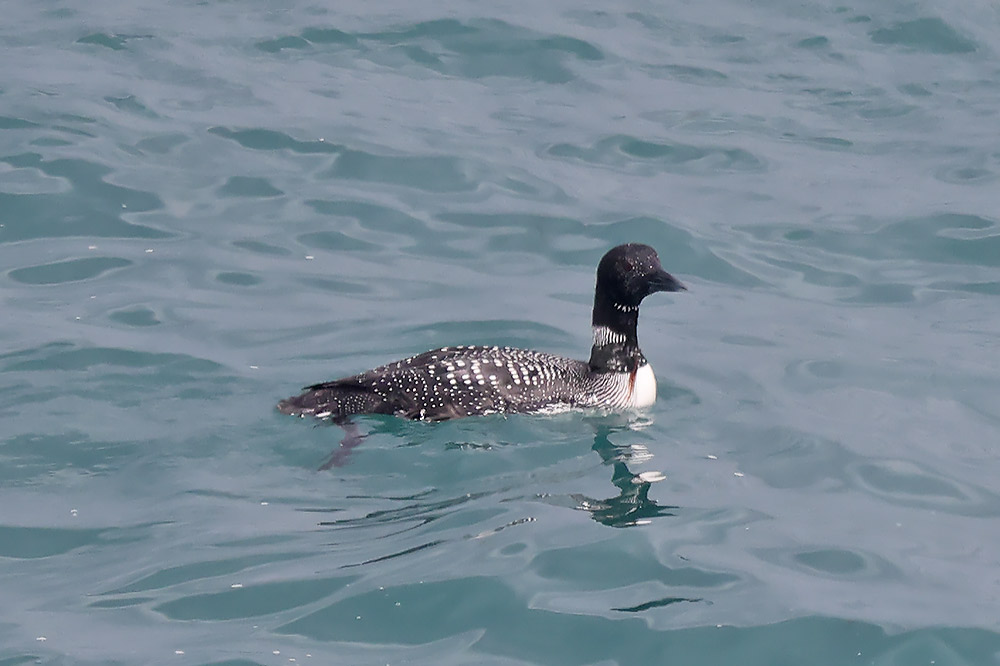
20th. Four whimbrel, a dark-phase Arctic skua, storm petrel and a sooty shearwater from The Island. A summer plumage great northern diver was close offshore, and an ocean sunfish more distant.
19th. No sign of the Kentish plover at Marazion in very strong winds. About 100 sanderling, 2 dunlin and 4 ringed plover there.
17th. The Risso's dolphins have been tricky to pin down this year, though up to 6 showed nicely off The Island today.
15th: whitethroat still singing on The Island. Seen on most days prior to this too, but this was probably the last sighting.
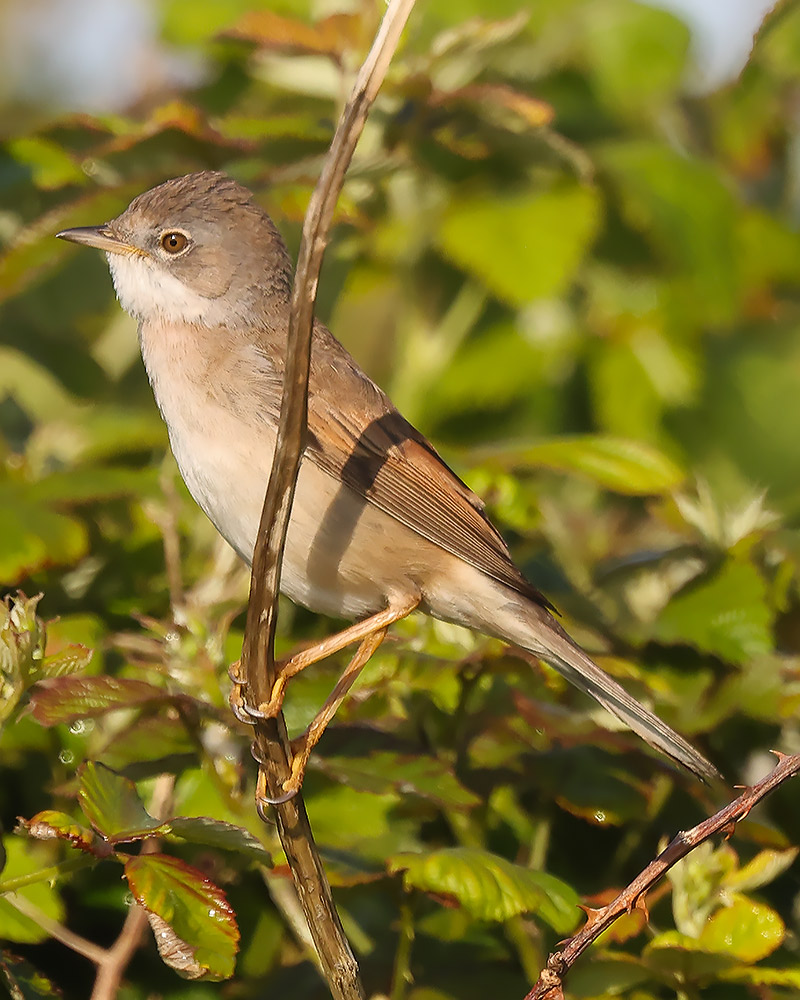
9th: 3 swift over town. Perranuthnoe: ca. 40 whimbrel, 2 dunlin, sand martins and the short-fringed mining bee Andrena dorsata.

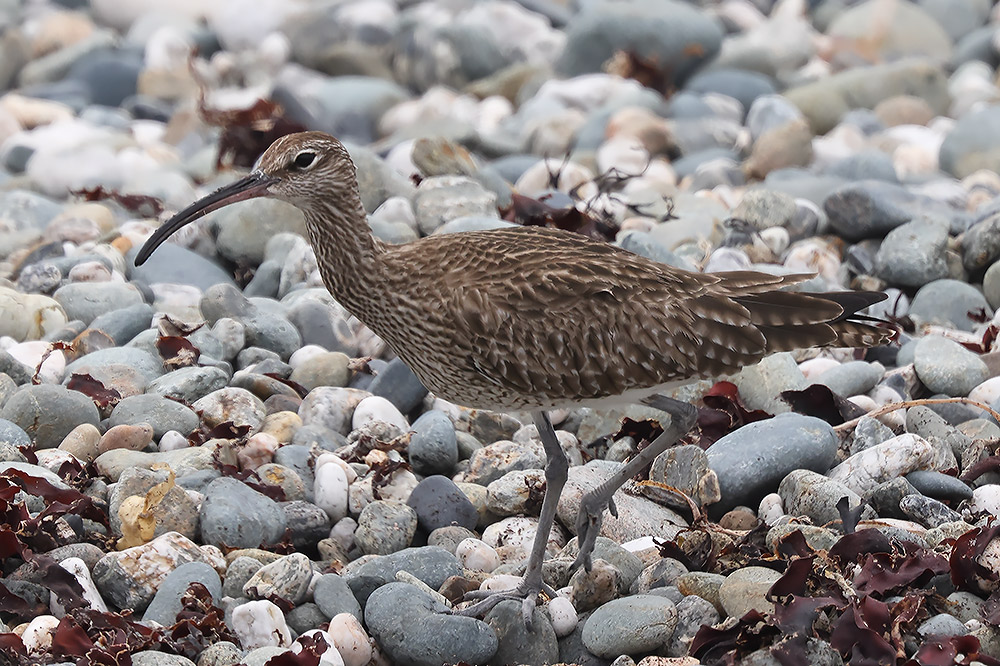


8th. Liam scoped a pheasant on Clodgy Point from the Island. Great northern diver offshore too.
7th: Godrevy: 5 sanderling, 8 whimbrel, sand martins and a tawny mining bee Andrena fulva. My 100-500mm lens is back from Canon and repaired to a high standard.
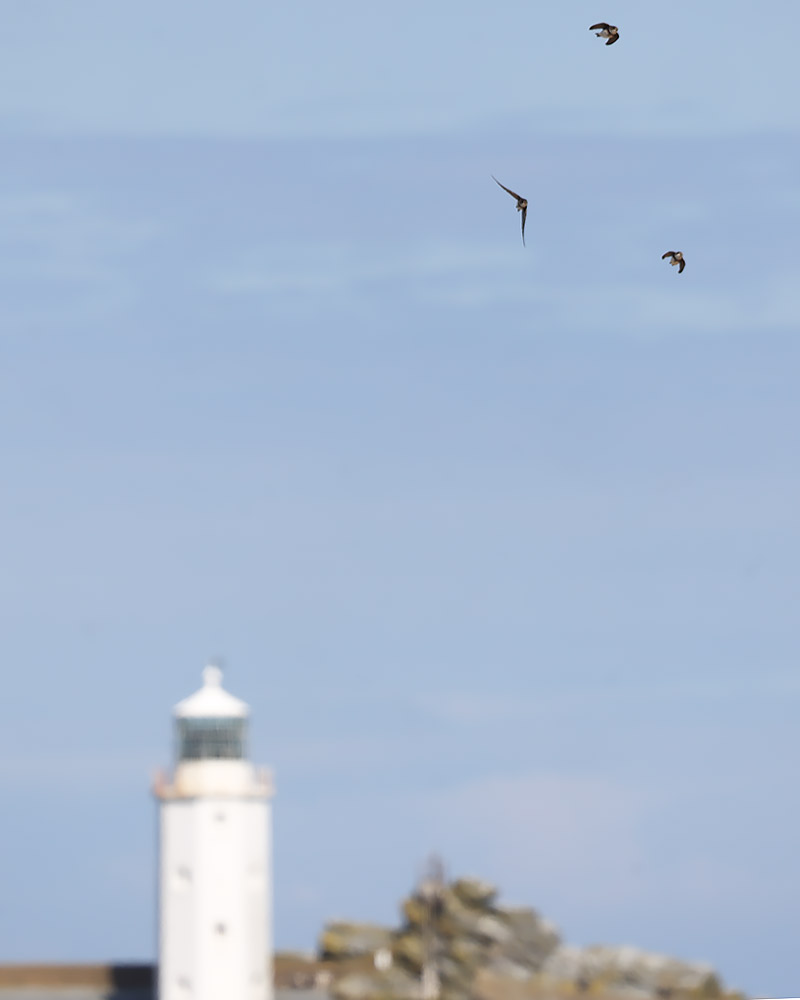
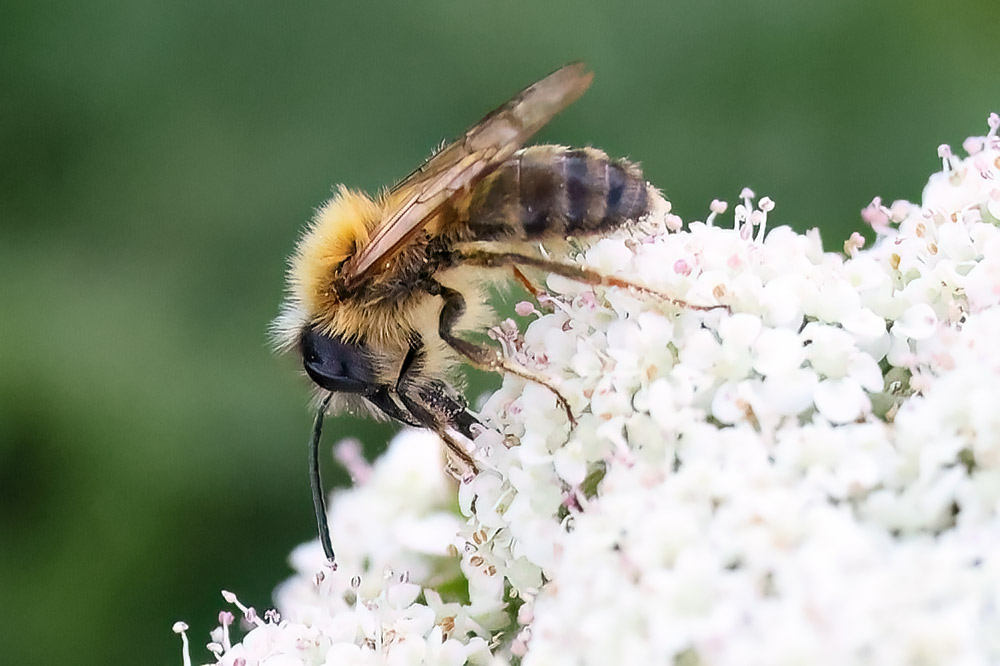
6th: 2 Egyptian geese Chew Valley lake; two also at Ham Wall, where I also saw ca 10 hobbies and heard several bitterns. Lots of garden warblers singing too.

Reed warbler singing.

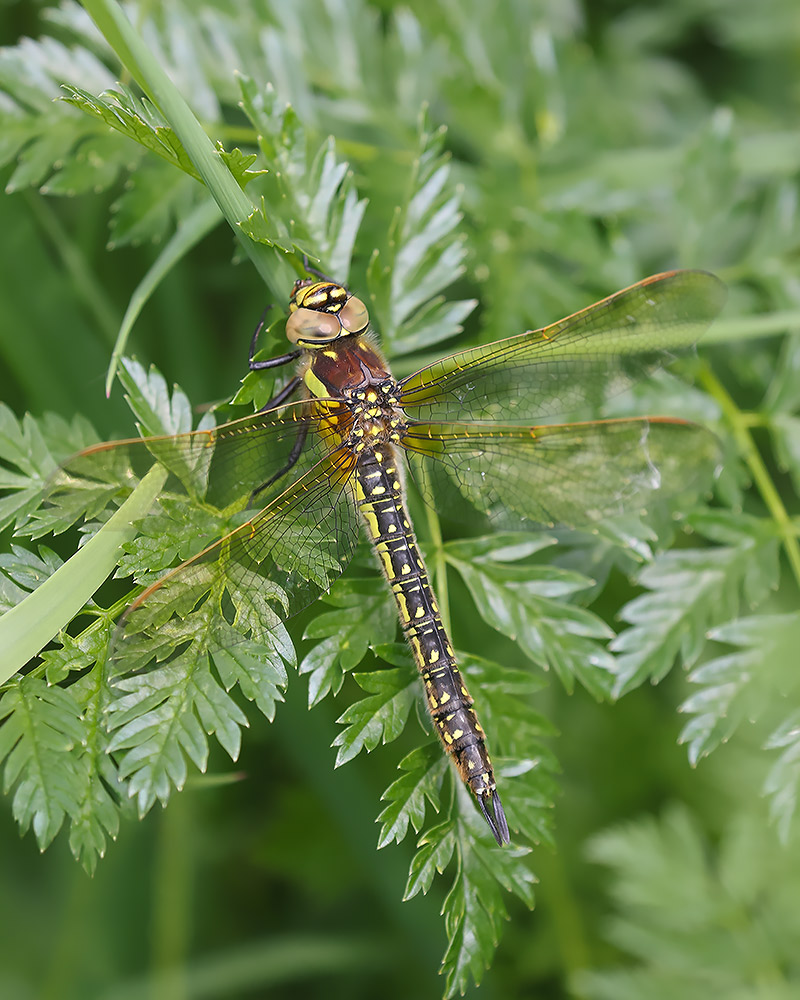
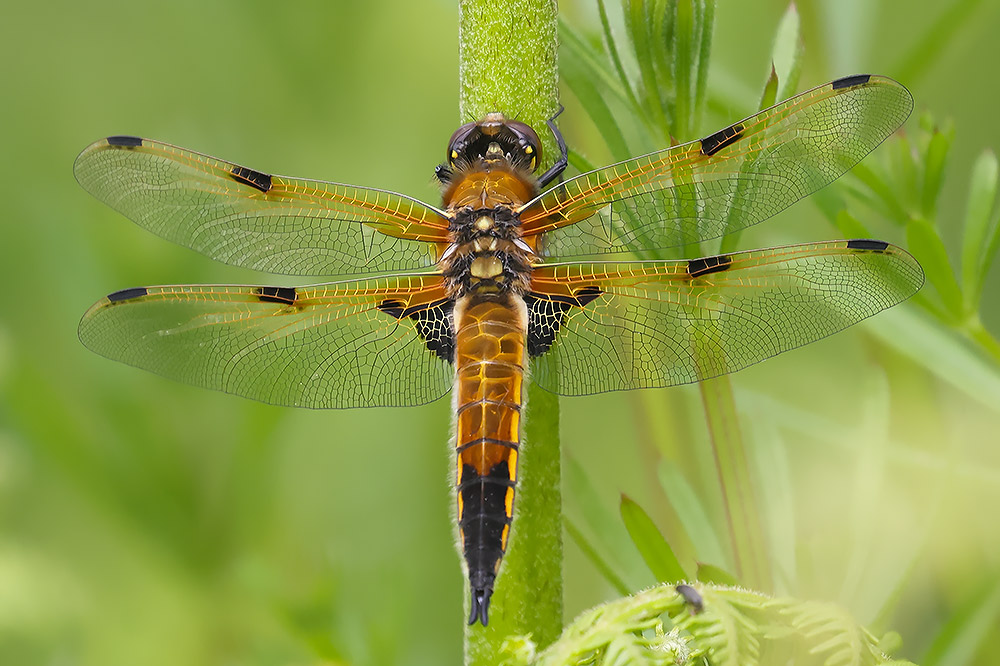
There were also a brown hare, 2 grass snake, hairy dragonflies and four-spotted chasers present. The hobbies only started being obvious once it was warm enough from the dragonflies to fly.
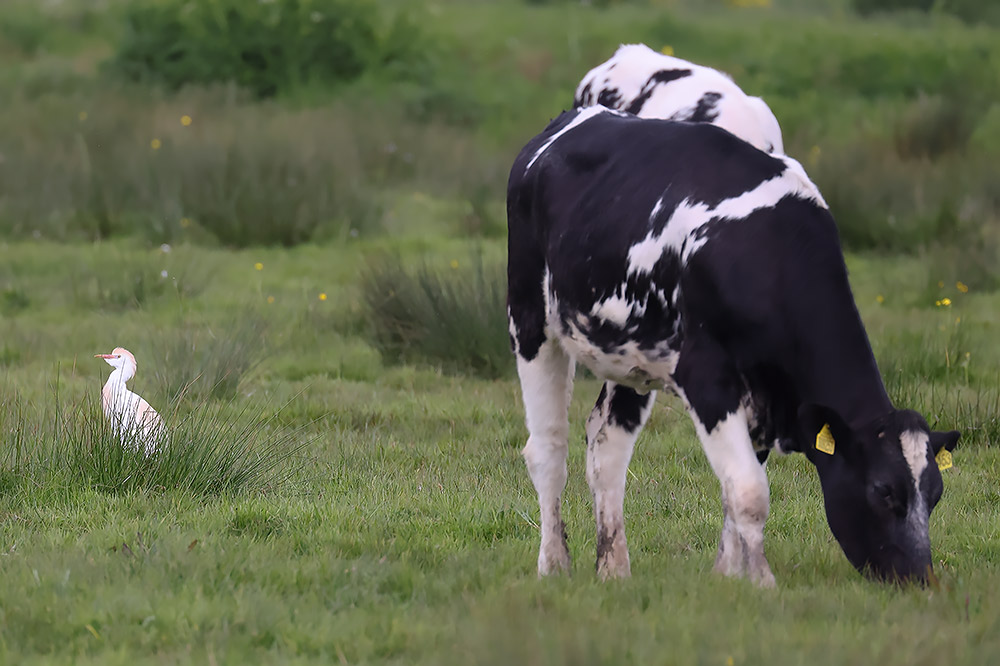
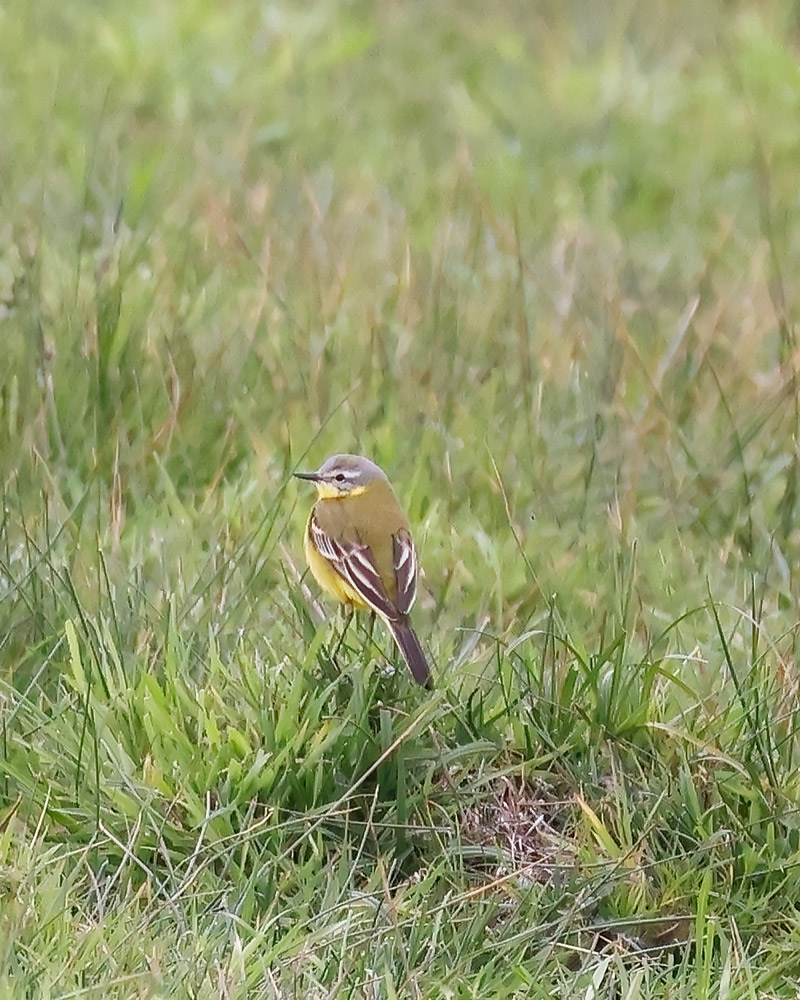
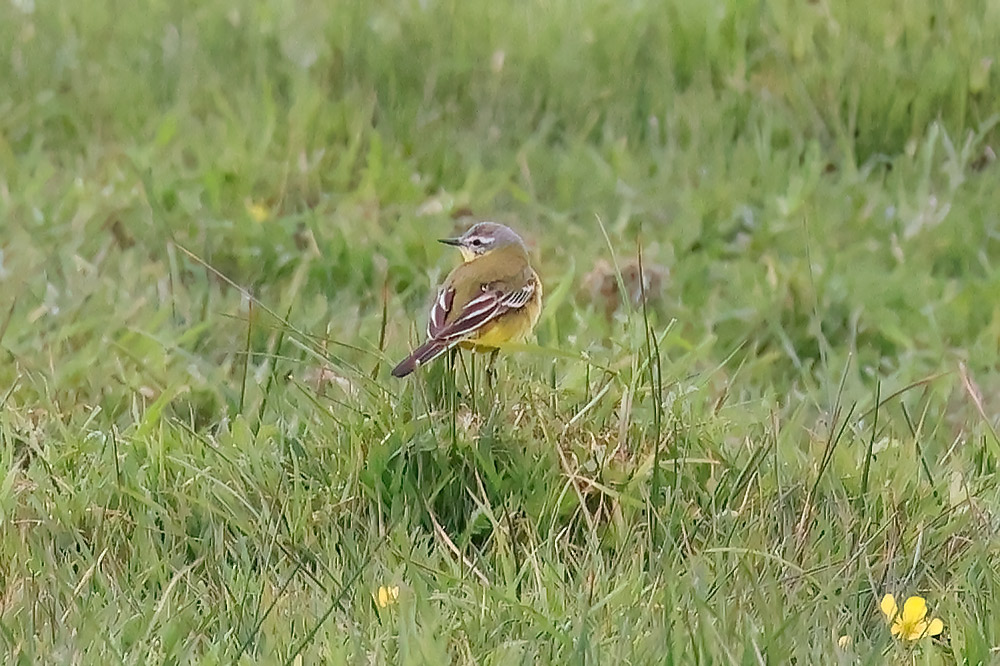
At Tealham Moor I saw about 5 cattle egret, a male Channel wagtail (retuning bird?) and a female flavissima-type yellow wagtail.

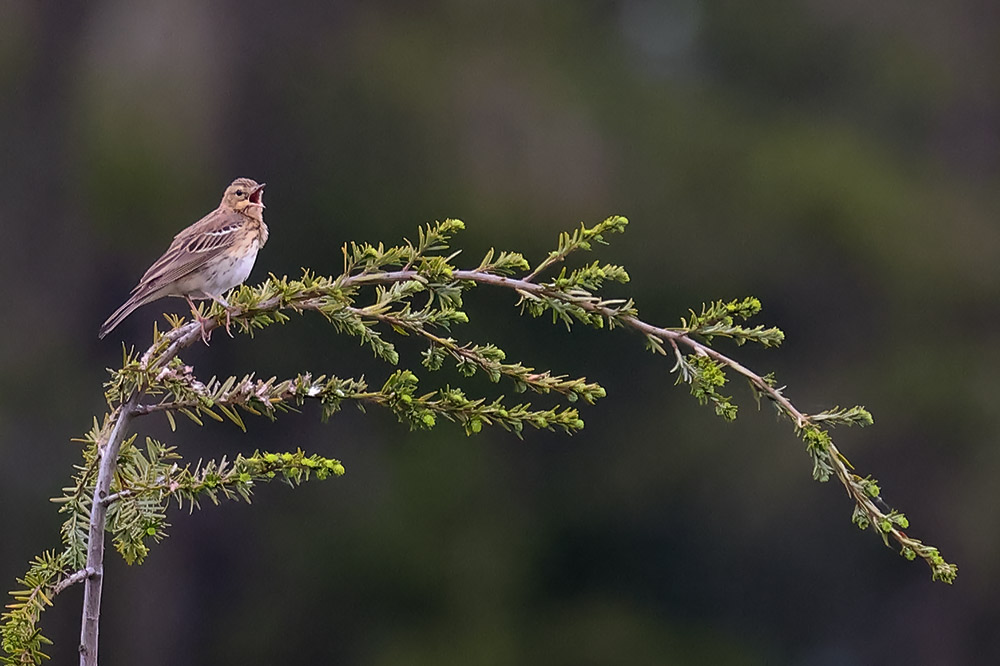
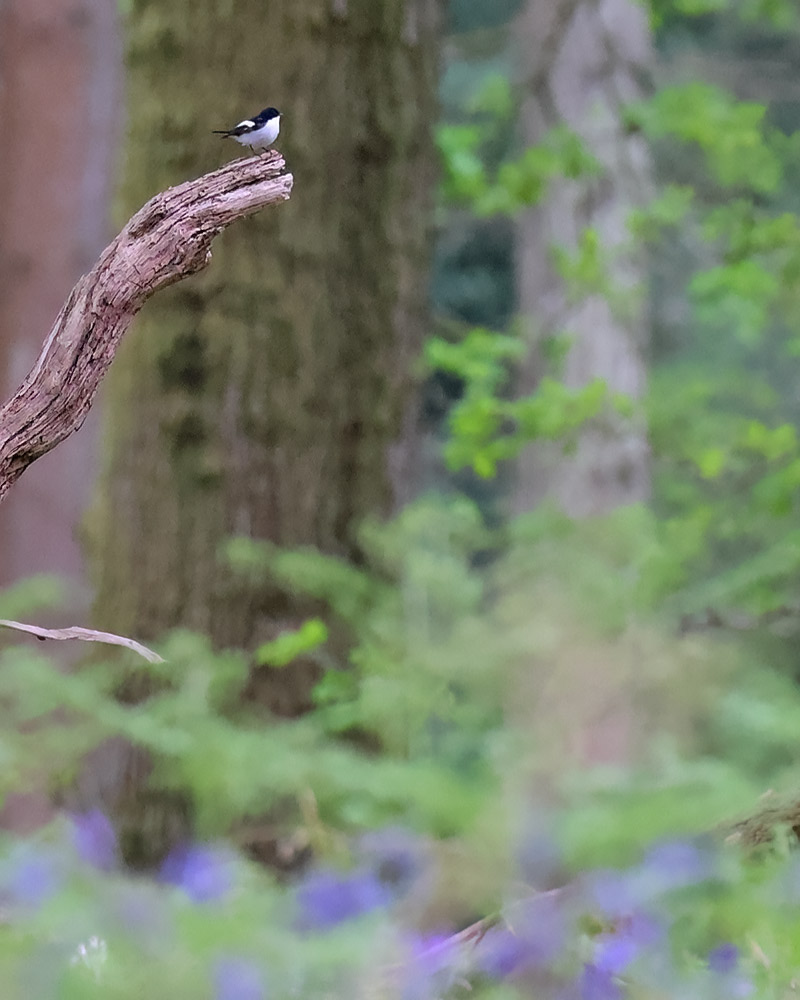
5th: Forest of Dean. Two tree pipit on Crabtree Hill, Redstart (male), pied flycatcher (male) and treecreeper at Nagshead.
3rd. Pilning wetlands: 2 lesser whitethroat and 2 little ringed plover.
1st. News came out of an adult male LESSER KESTREL at Croft Pascoe just before I was about to travel to Bristol. I managed to see it on my drive there.