August 2026
31st. We saw a Scilly shrew near Porth Hellick.
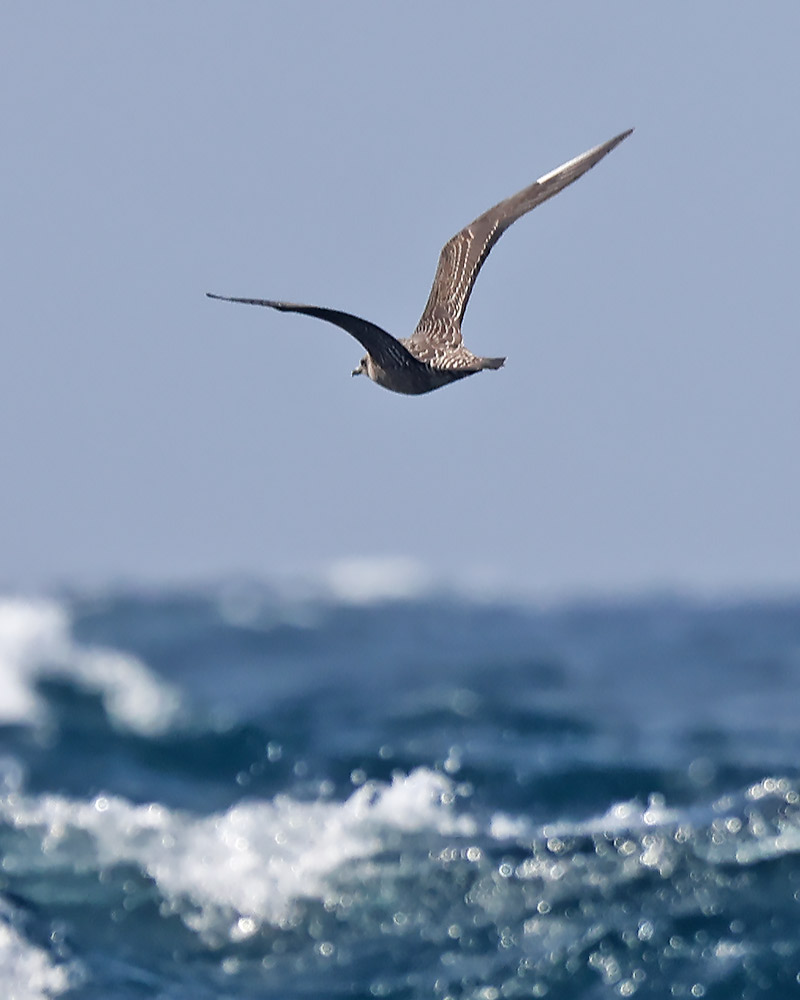
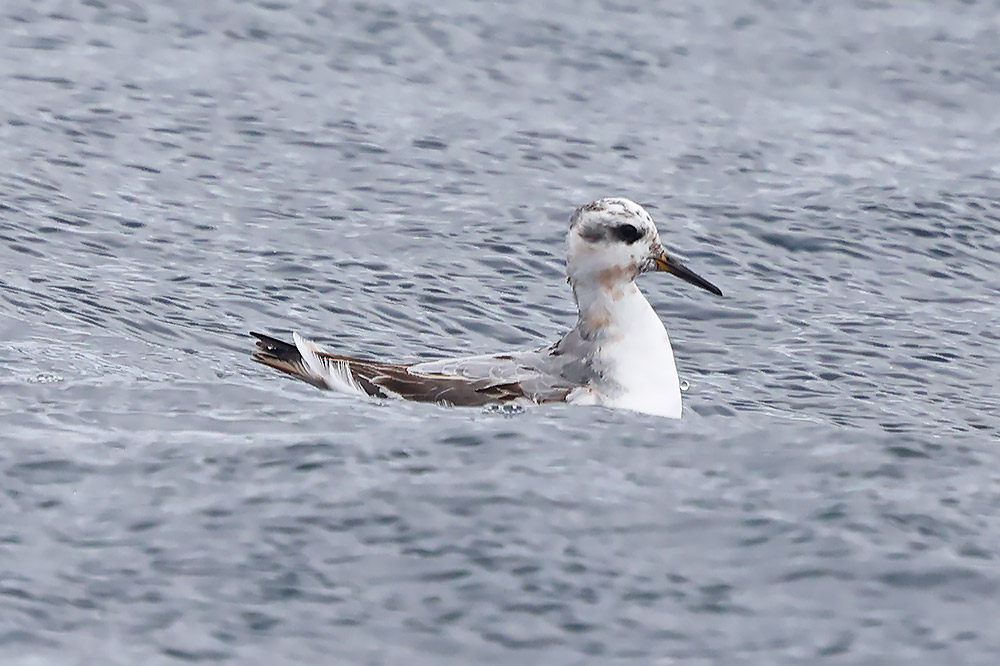
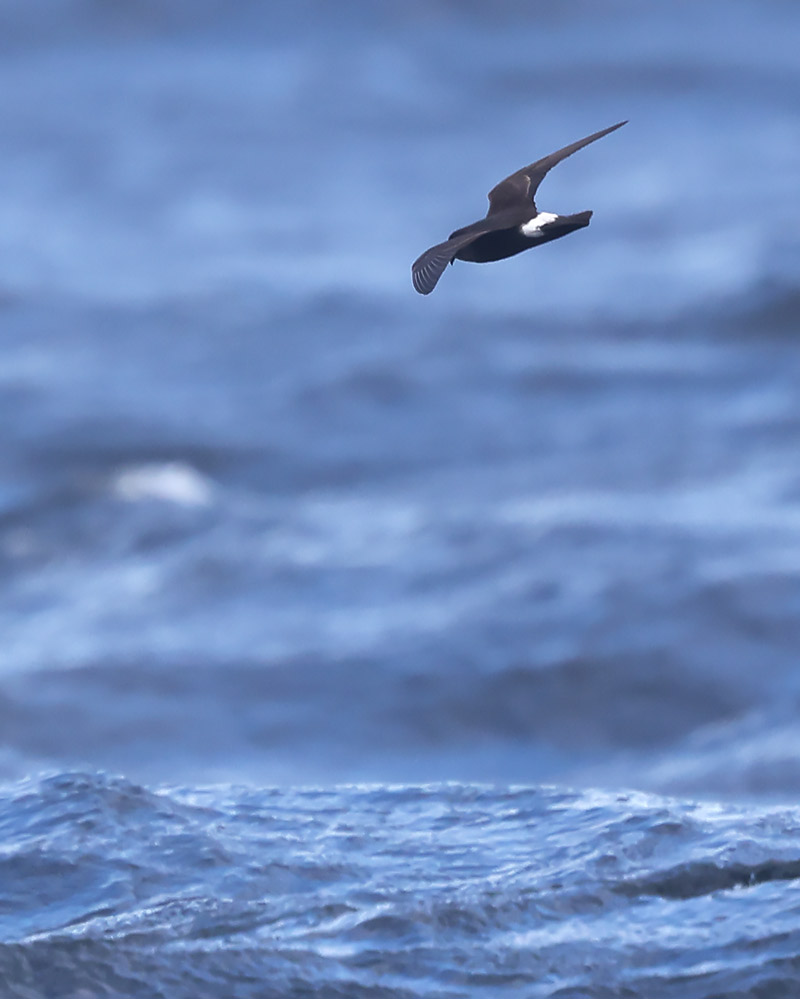
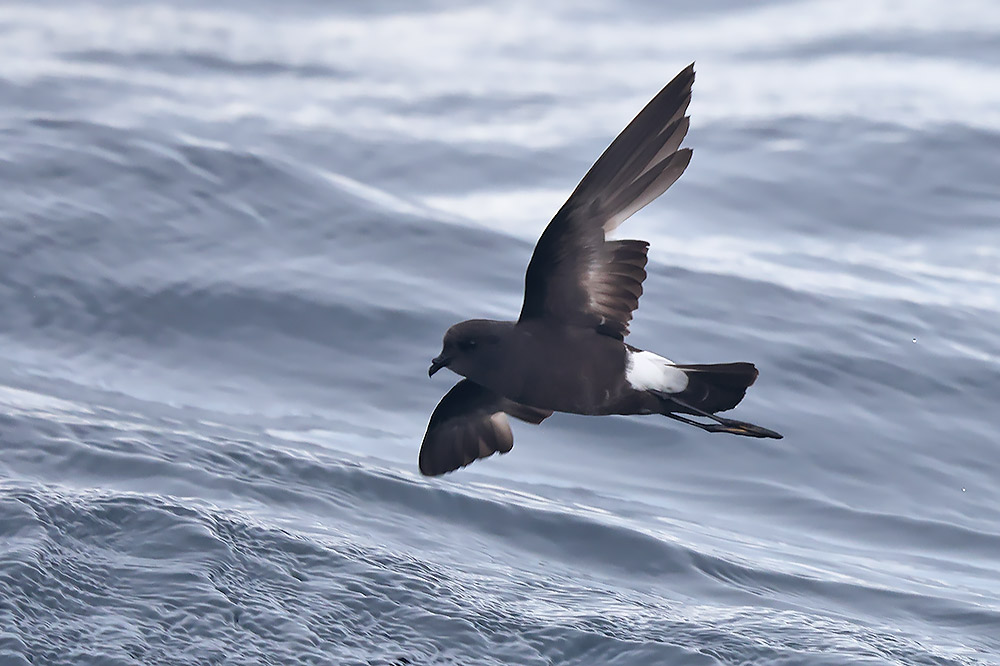
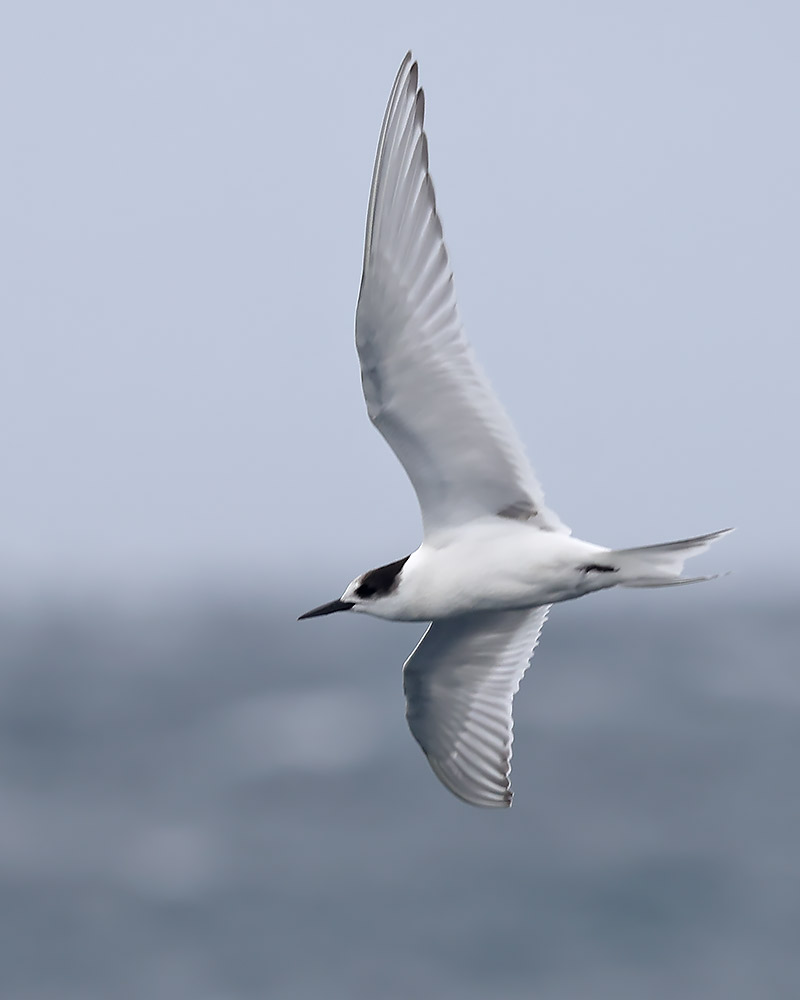
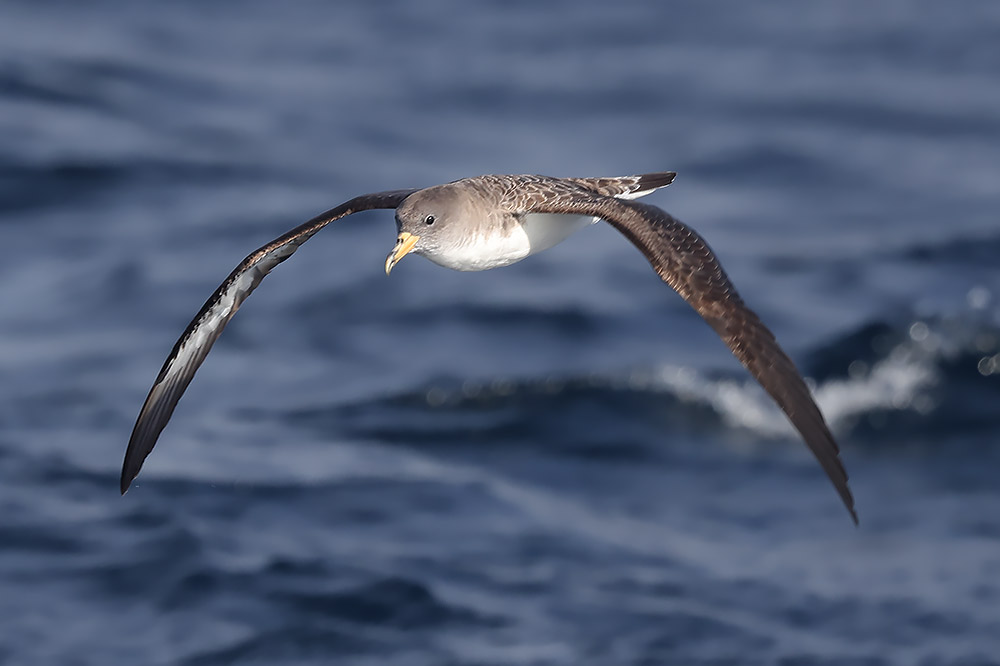
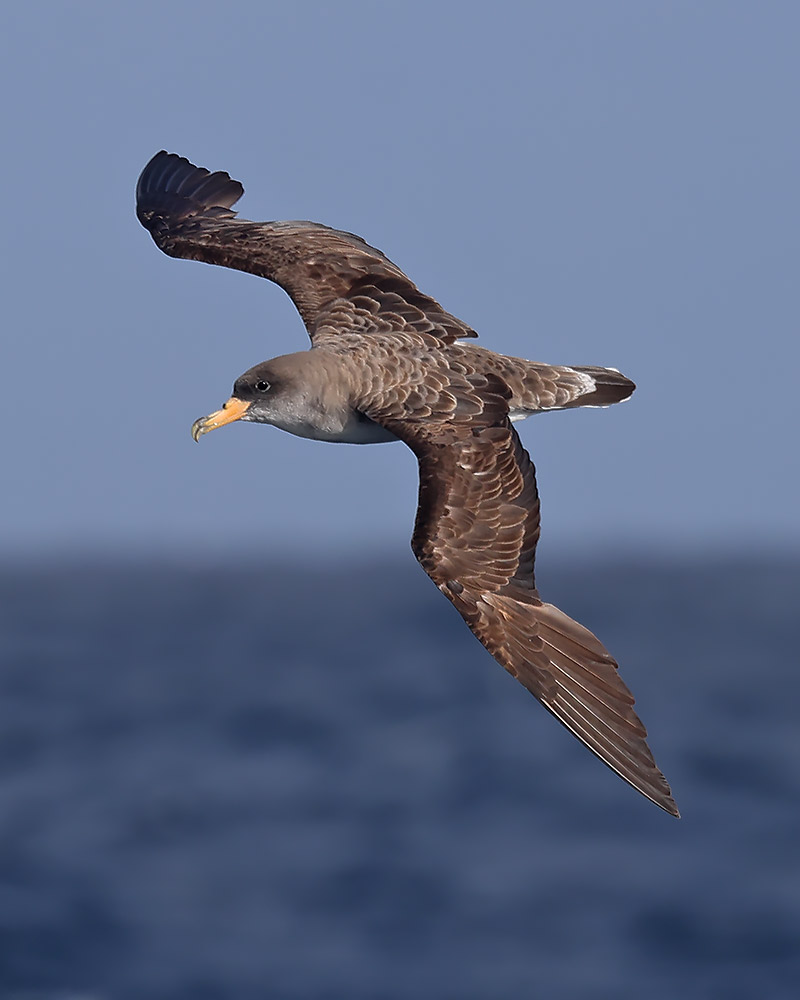
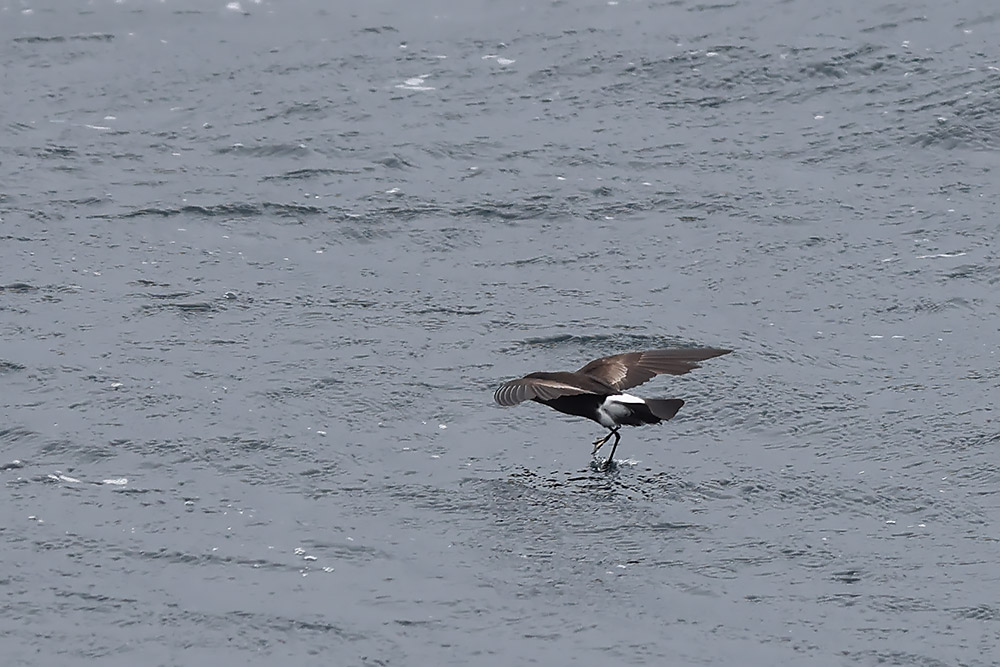
30th. A calmer day for a pelagic, though still Force 5-6 W winds. This time we headed 5 miles south of St Mary's. We saw 36 Wilson's petrels, 5 European storm petrels, 250 great shearwaters, 50 Cory's shearwaters, 6 sooty shearwaters, a juvenile long-tailed skua (my first on a pelagic trip), 2 grey phalarope and an Arctic and common terns.
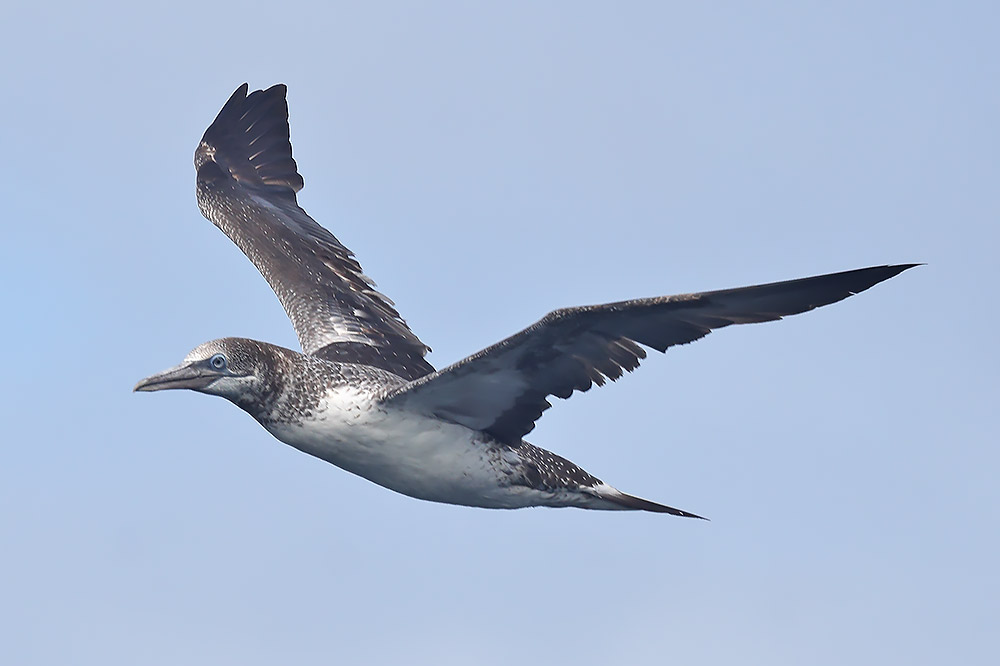
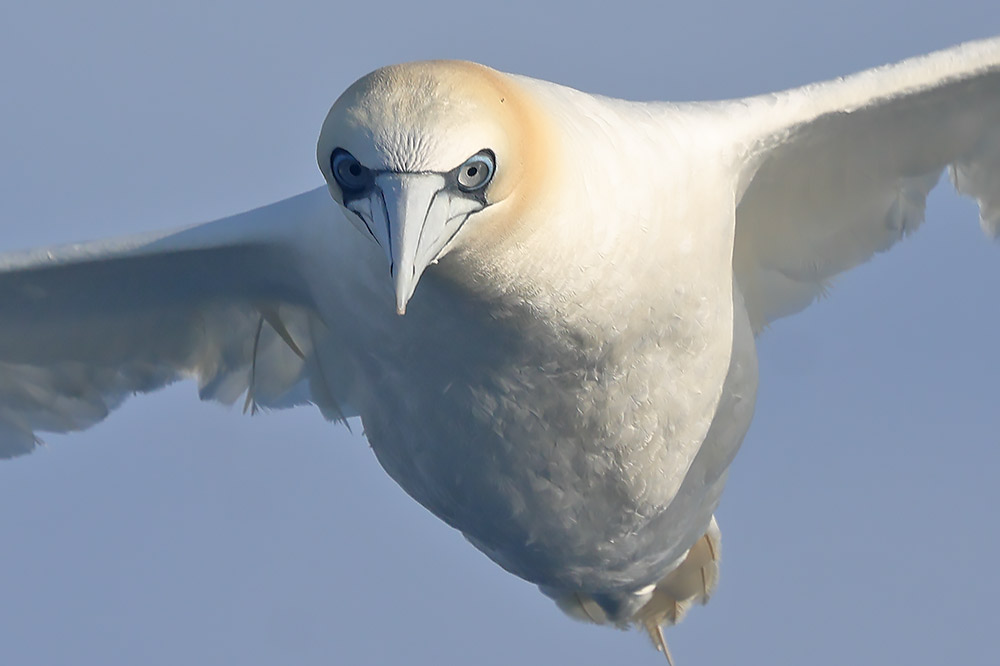
Gannets
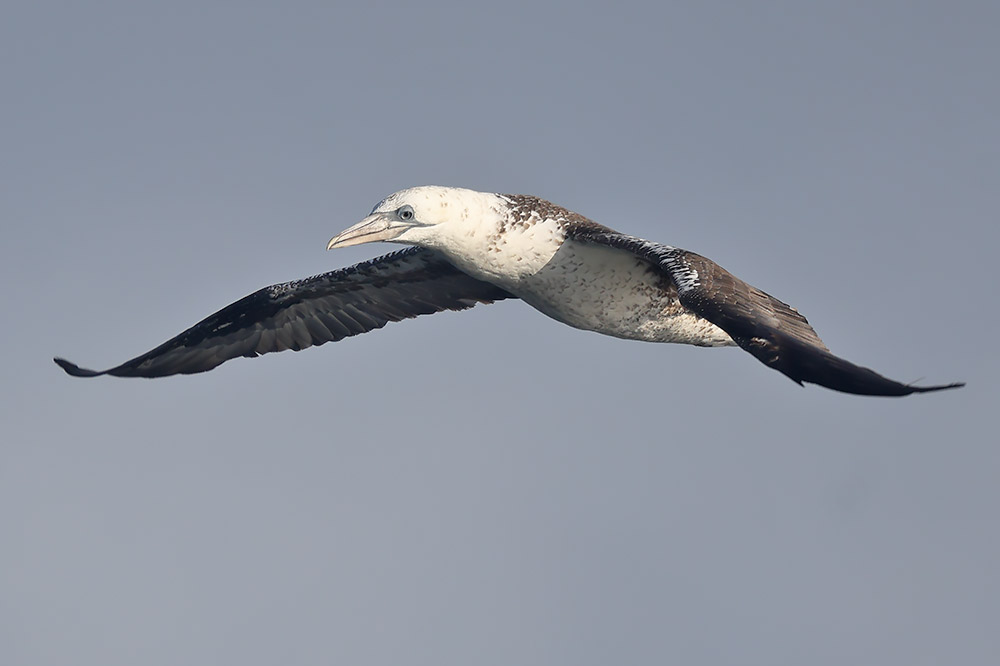
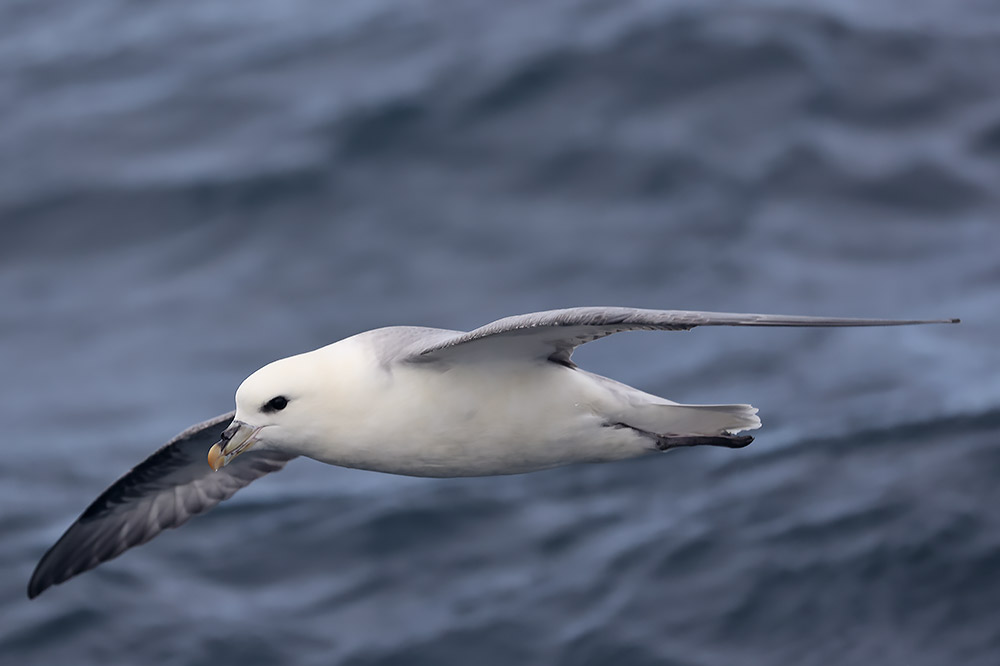
Fulmar
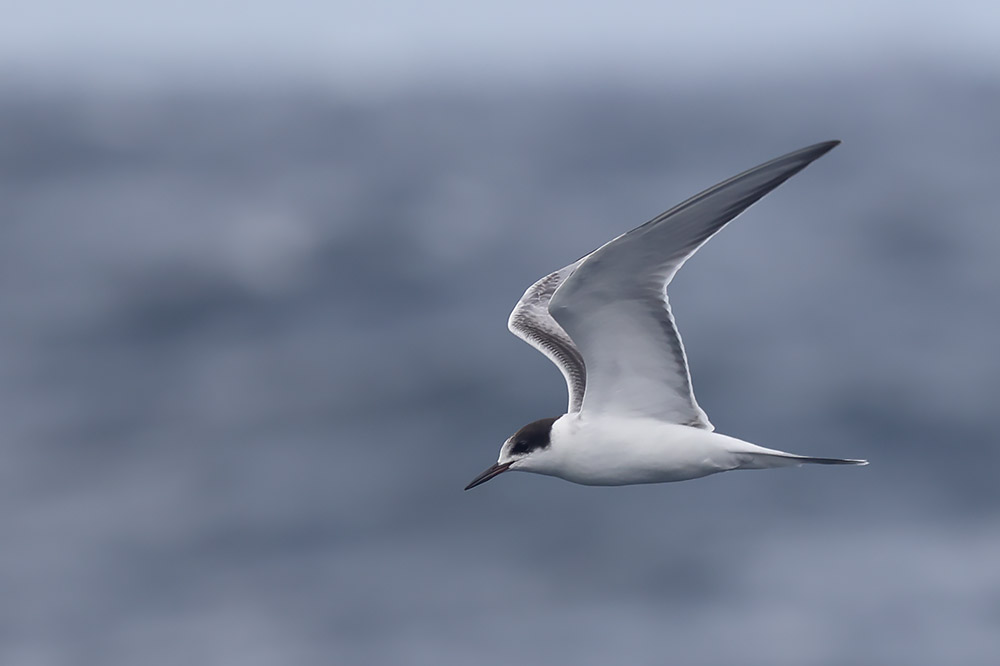
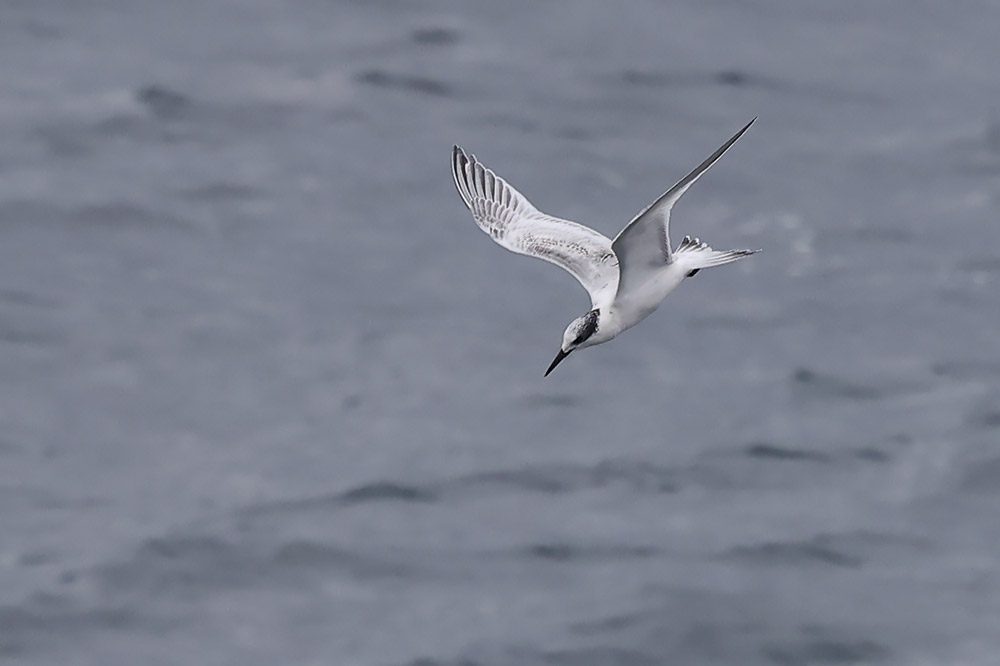
Common tern
Manx shearwater
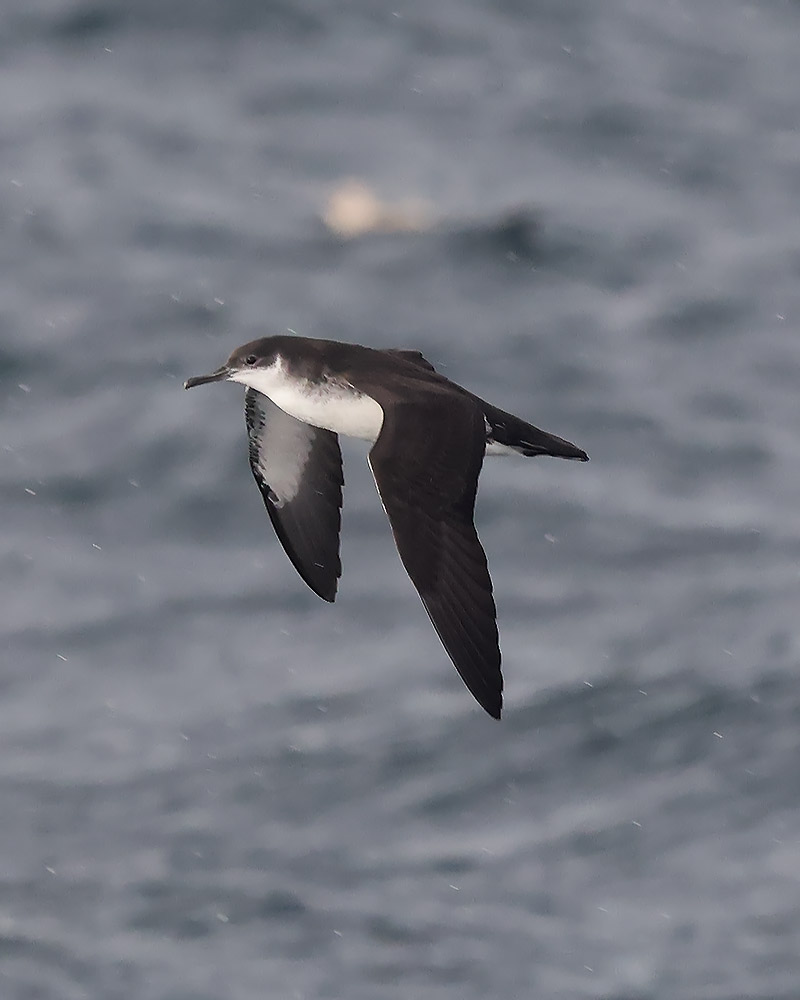
Sooty shearwater
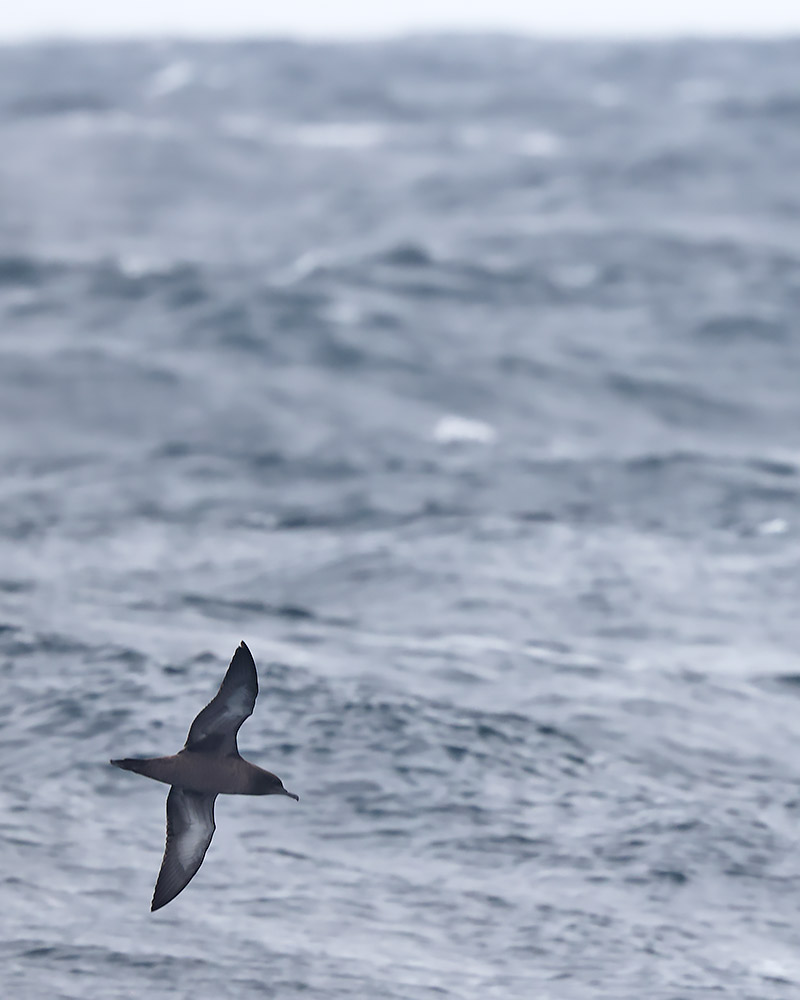
Great shearwater
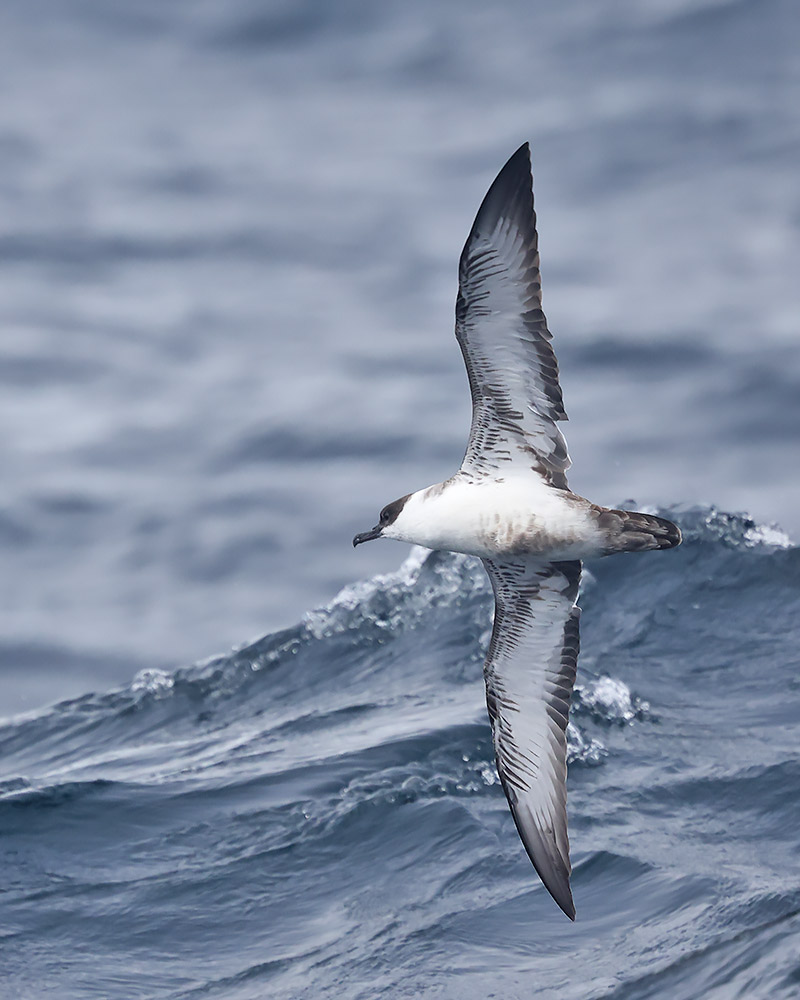
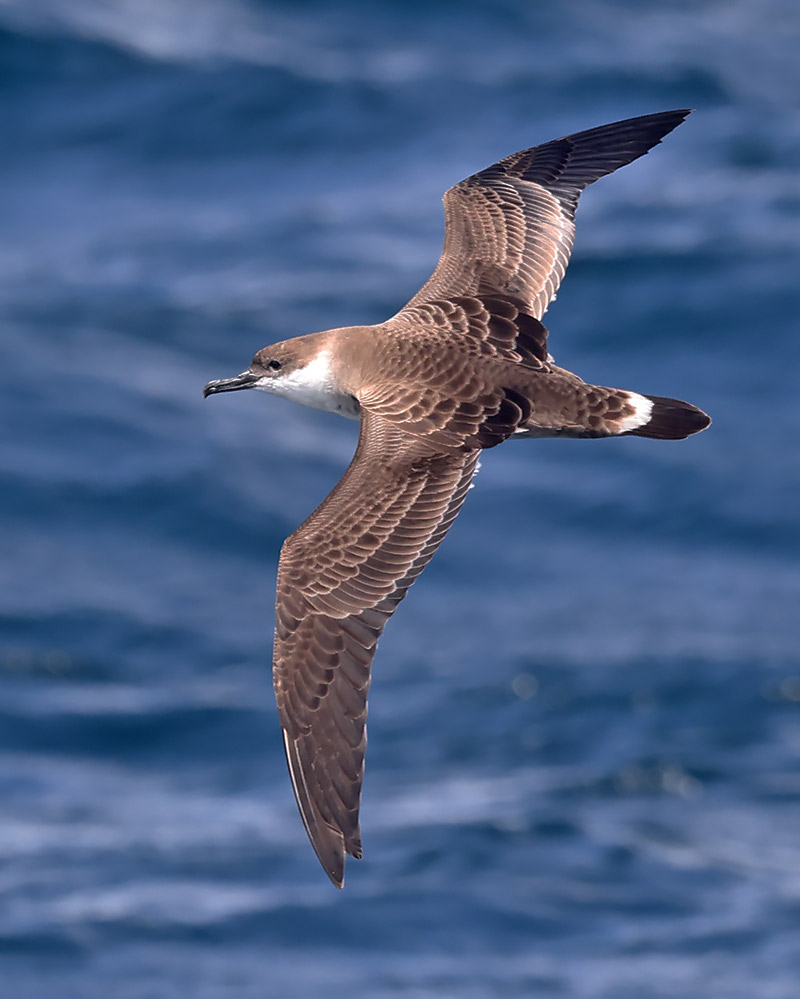
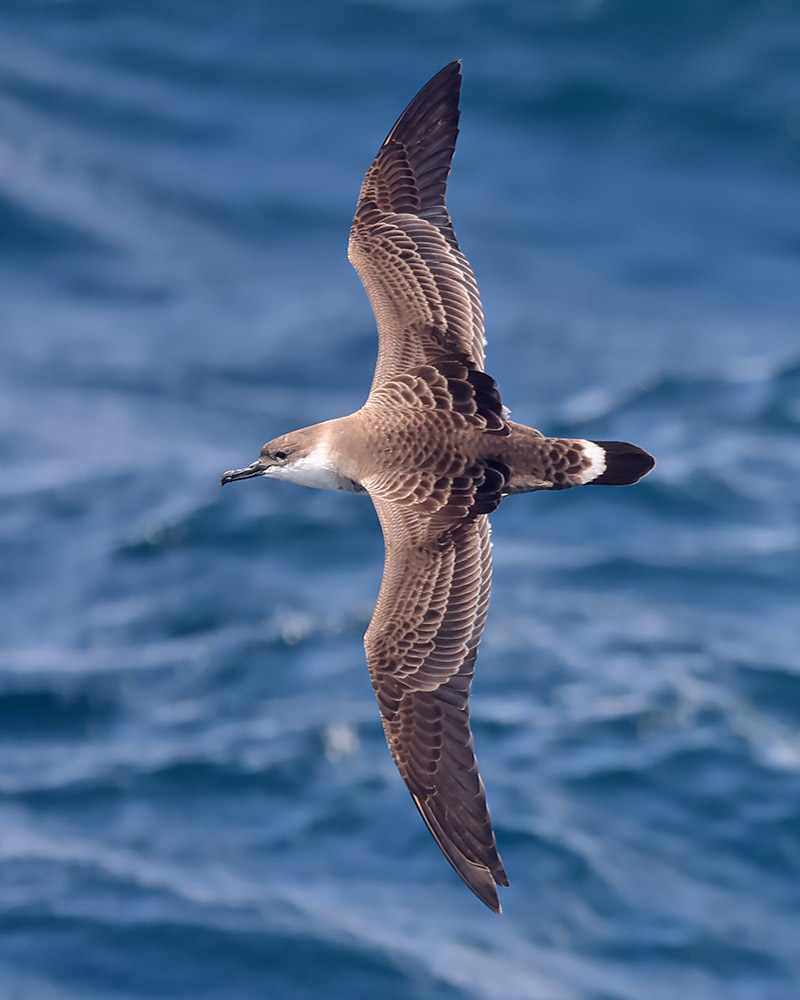
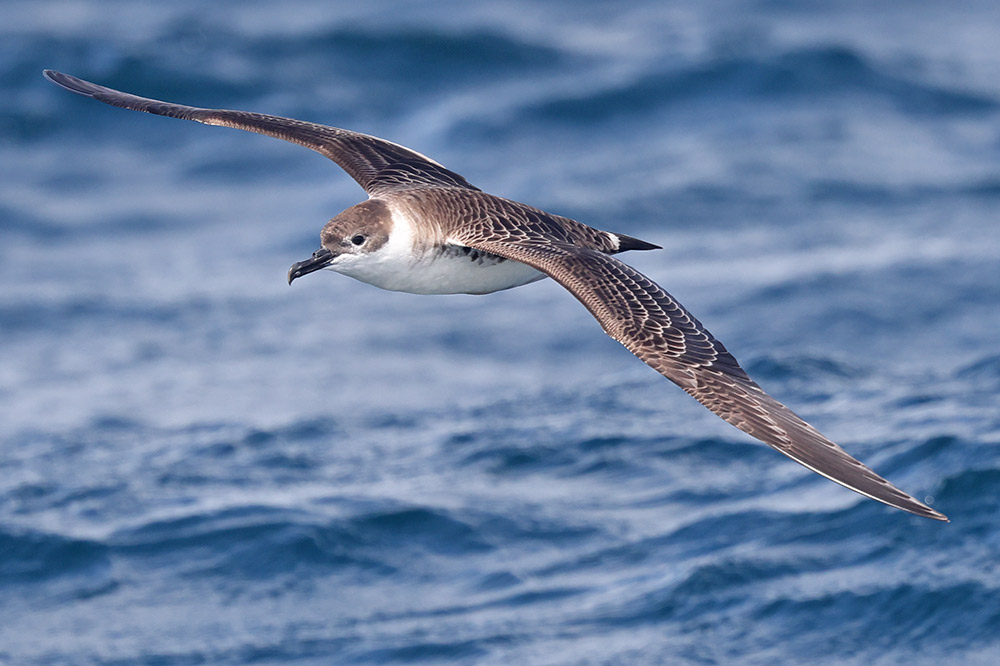
Cory's shearwater
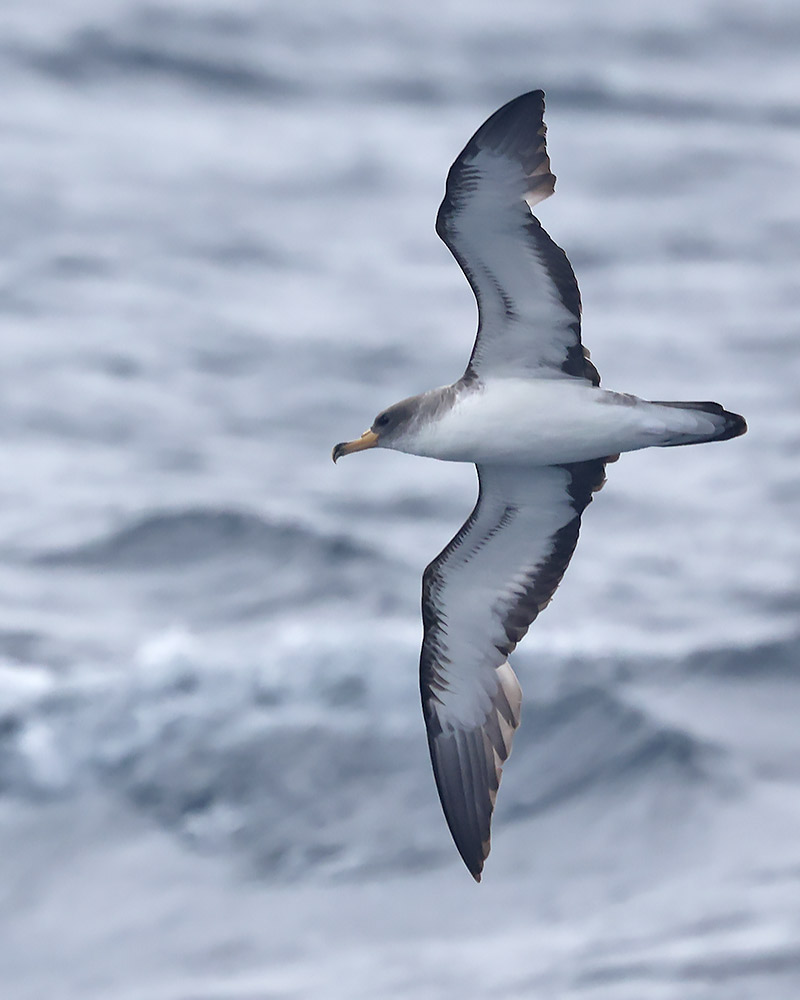
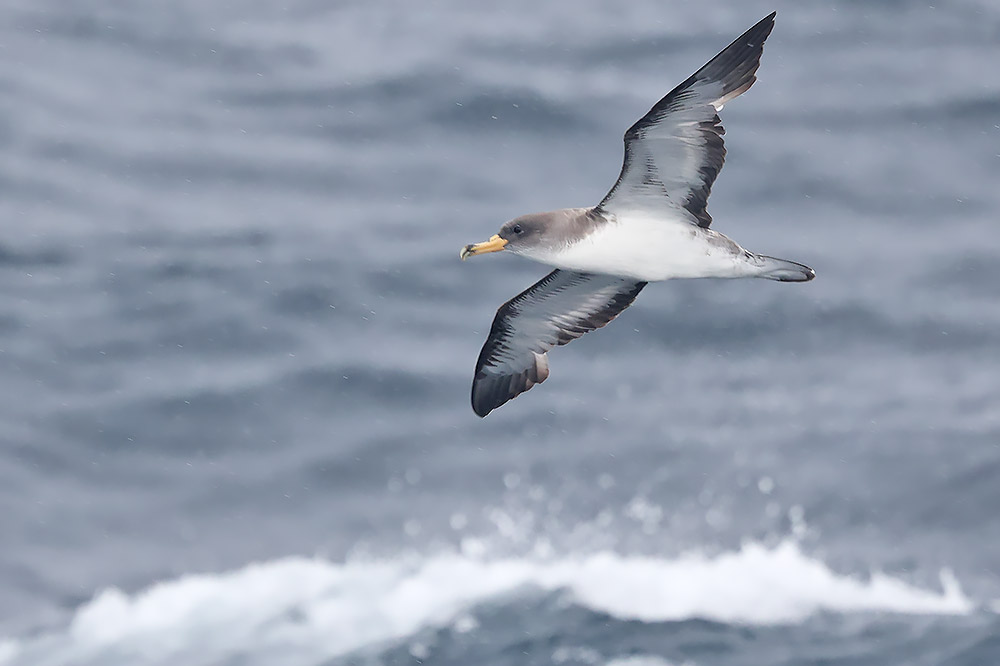
Juvenile long-tailed skua
Grey phalarope
European storm petrel
Wilson's petrel
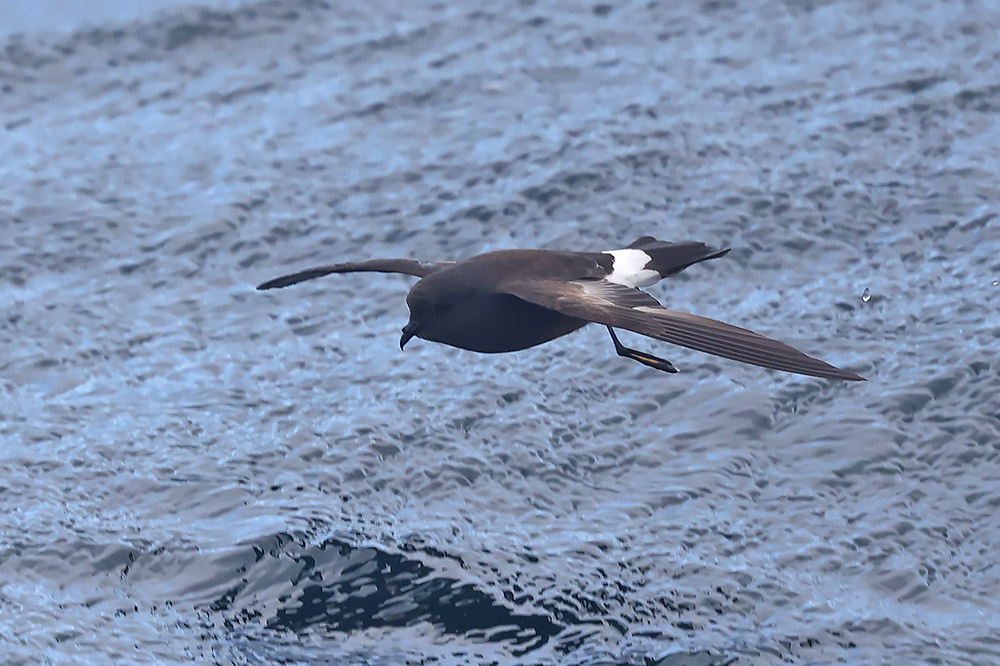
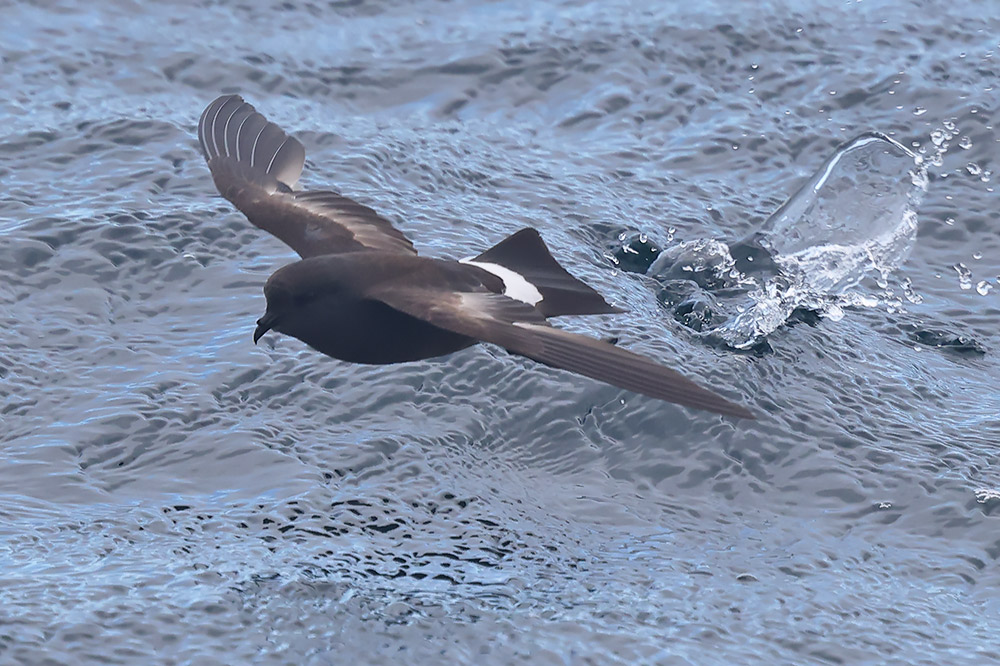
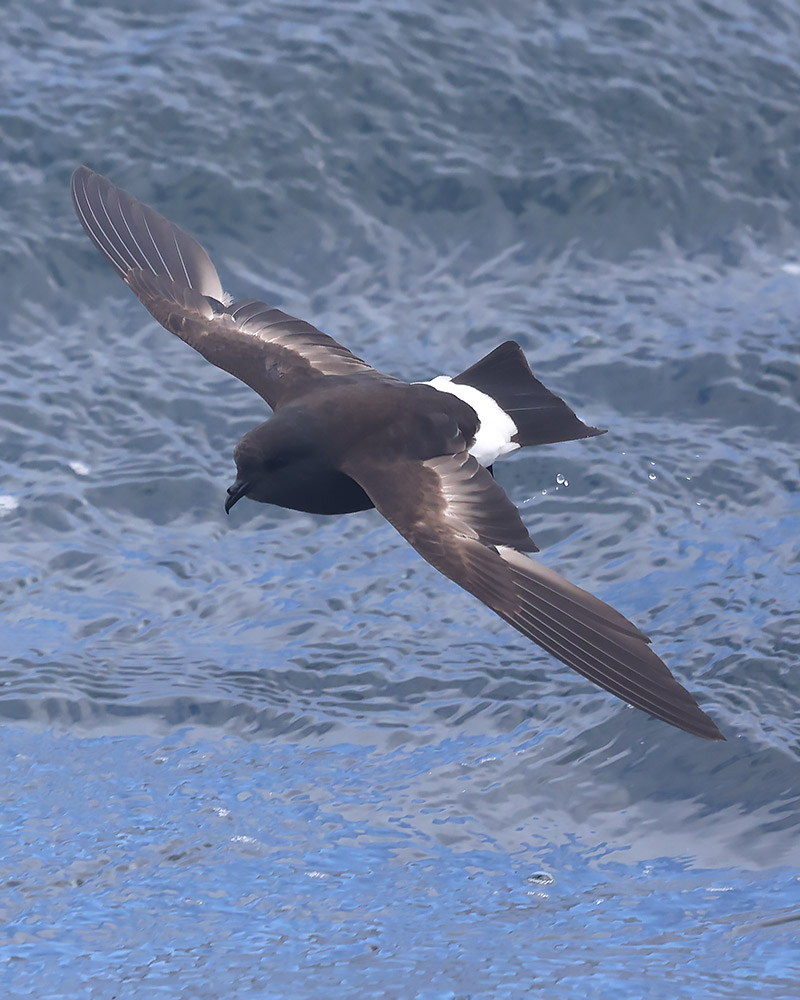
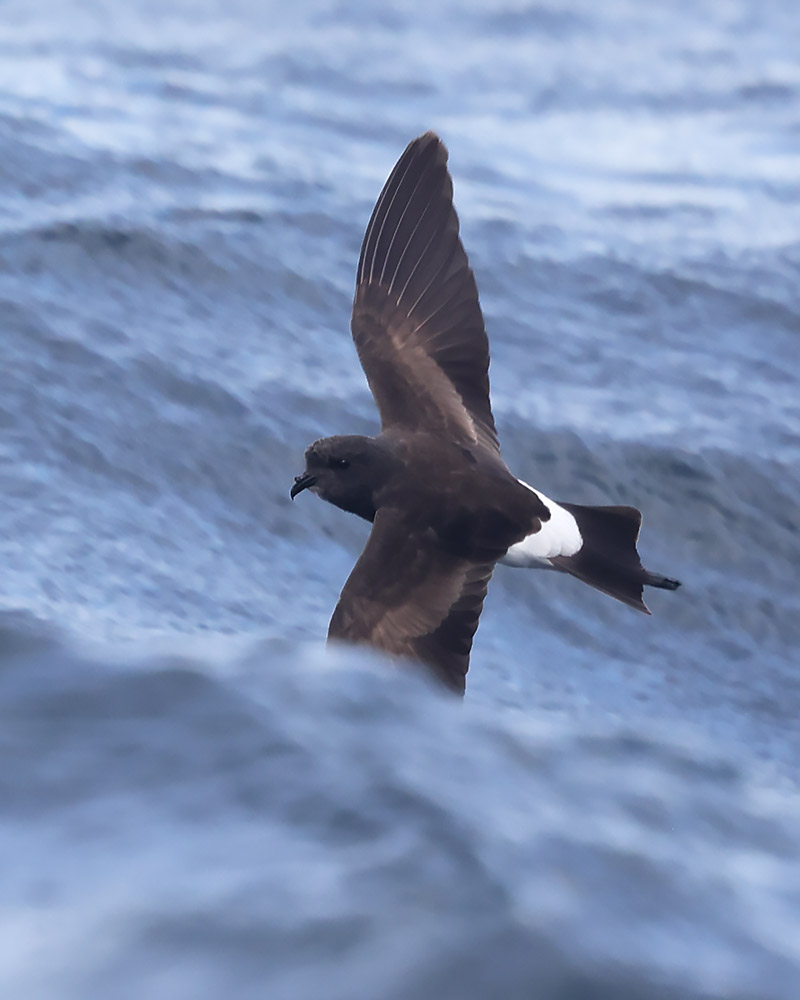
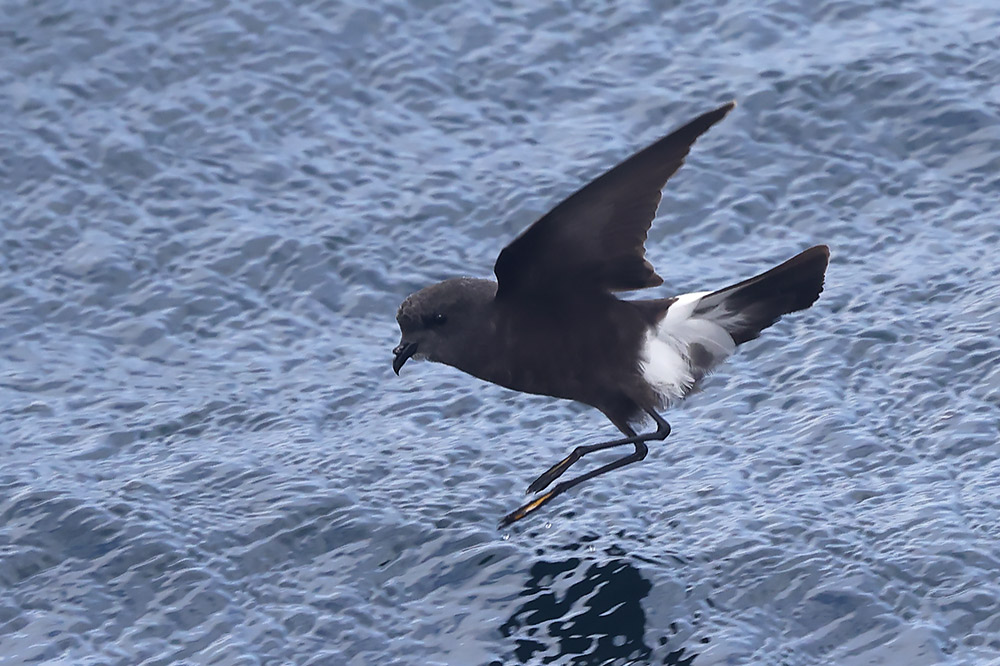
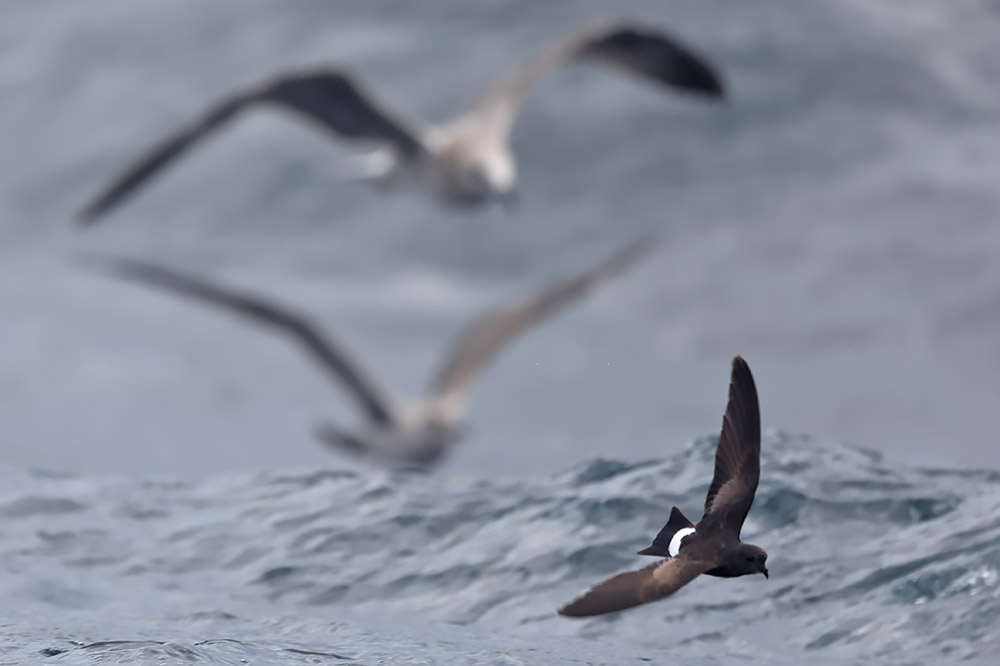
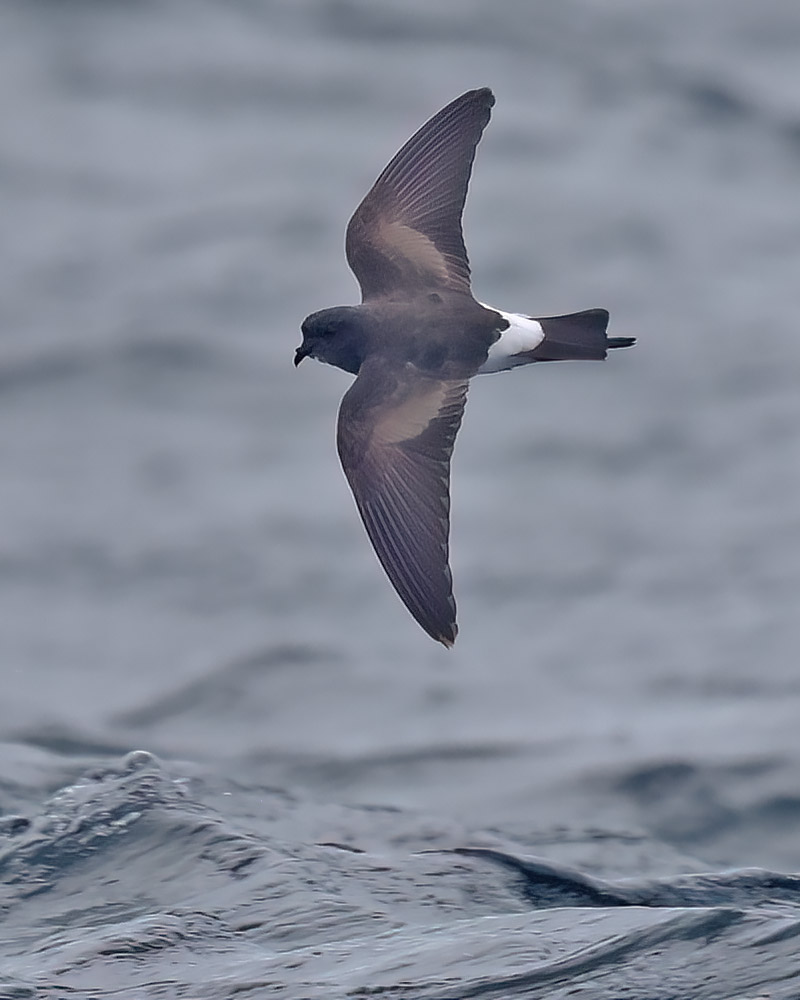
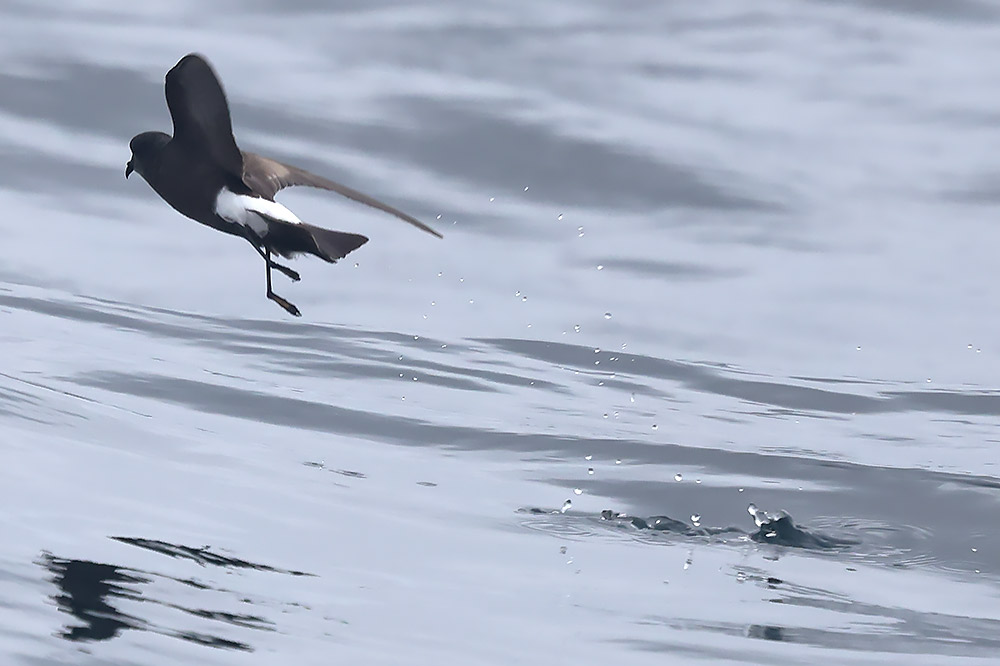
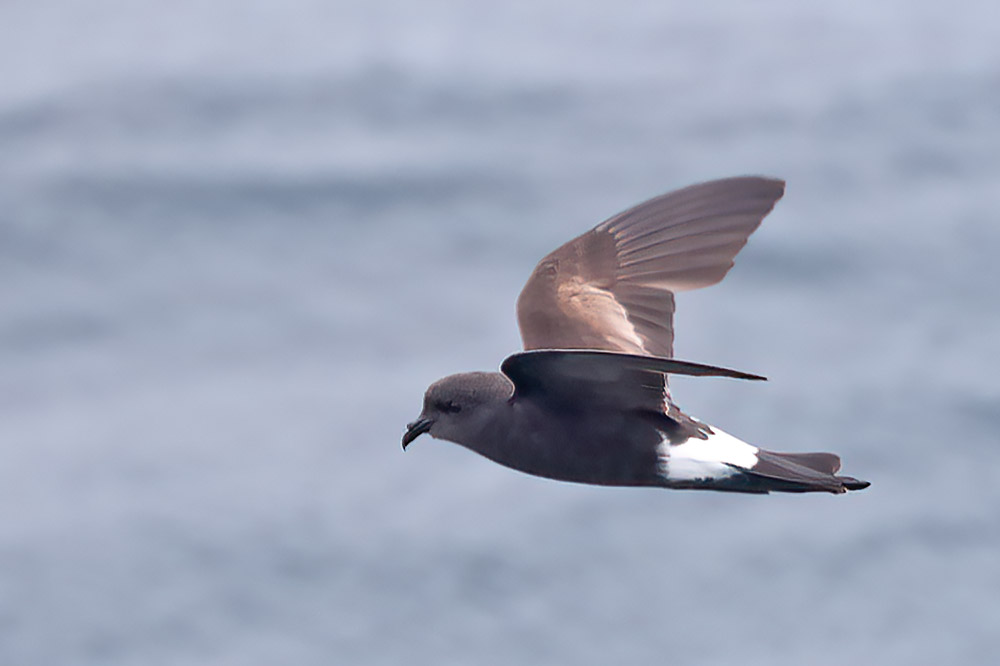
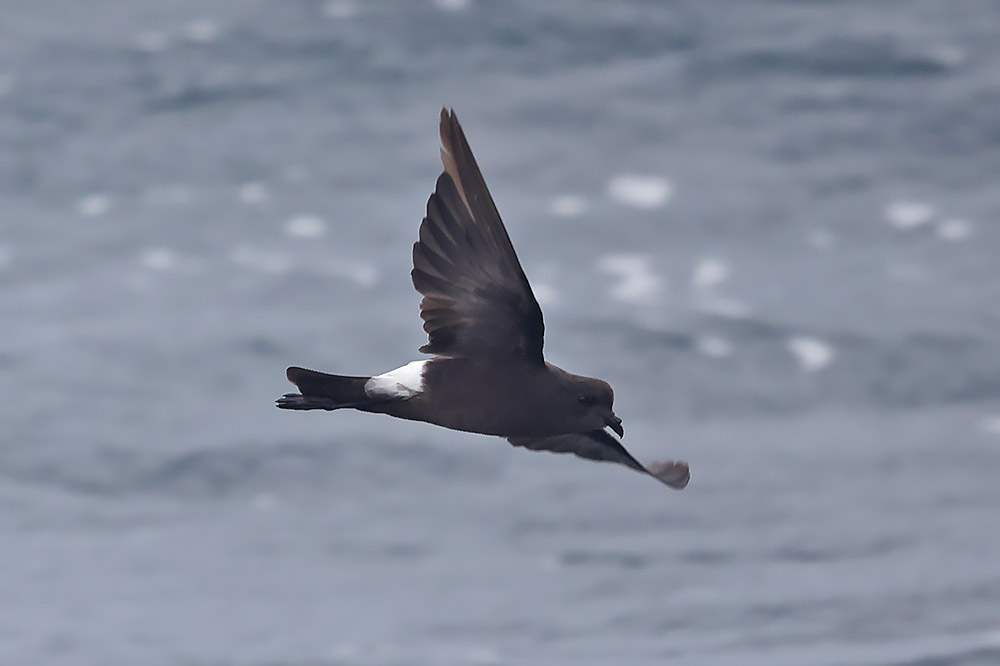
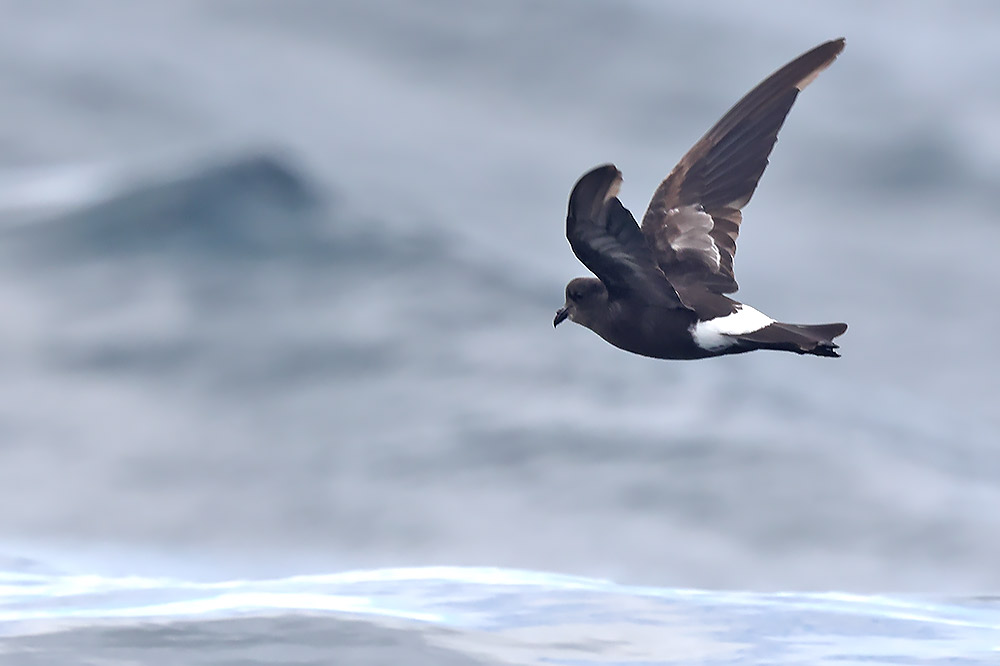
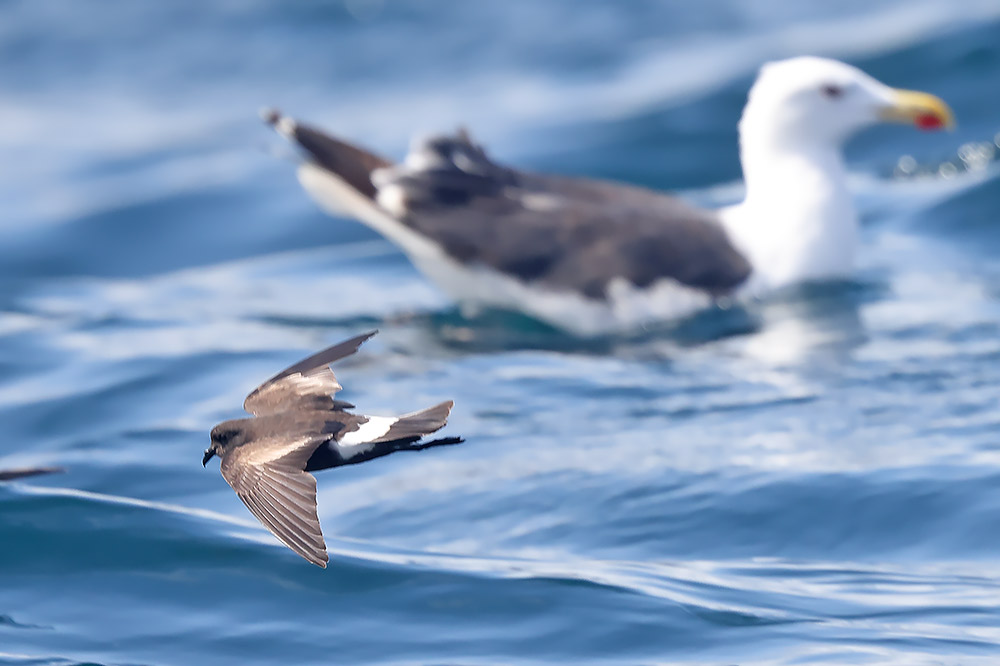
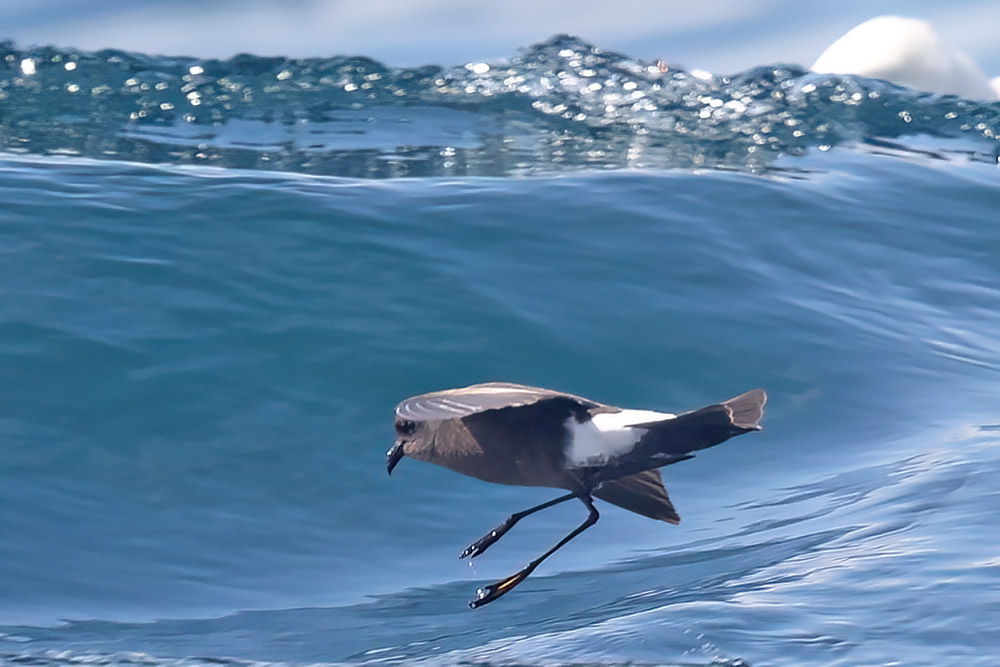
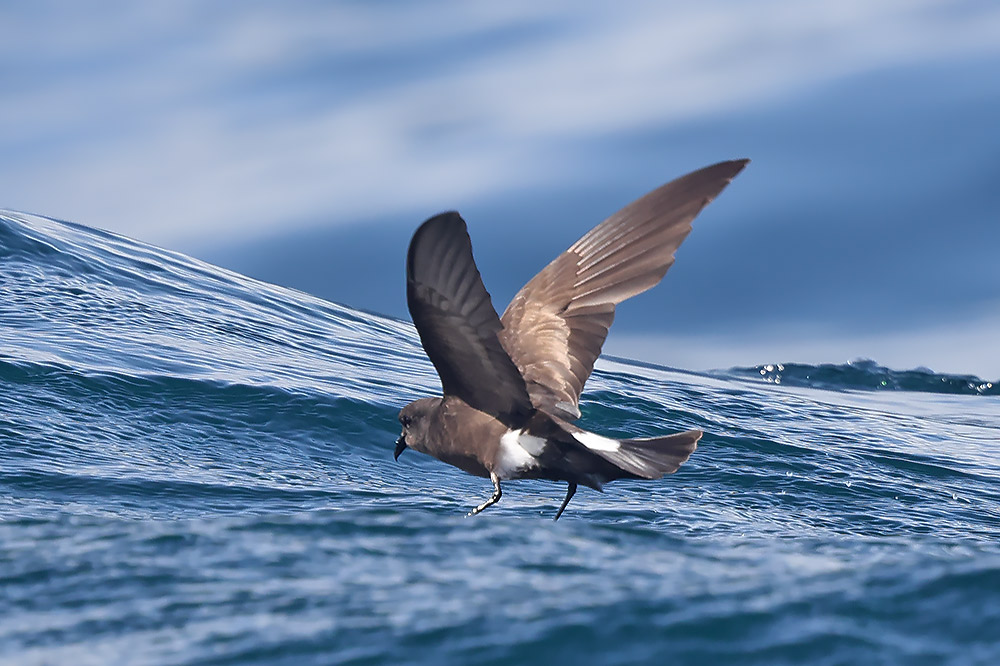
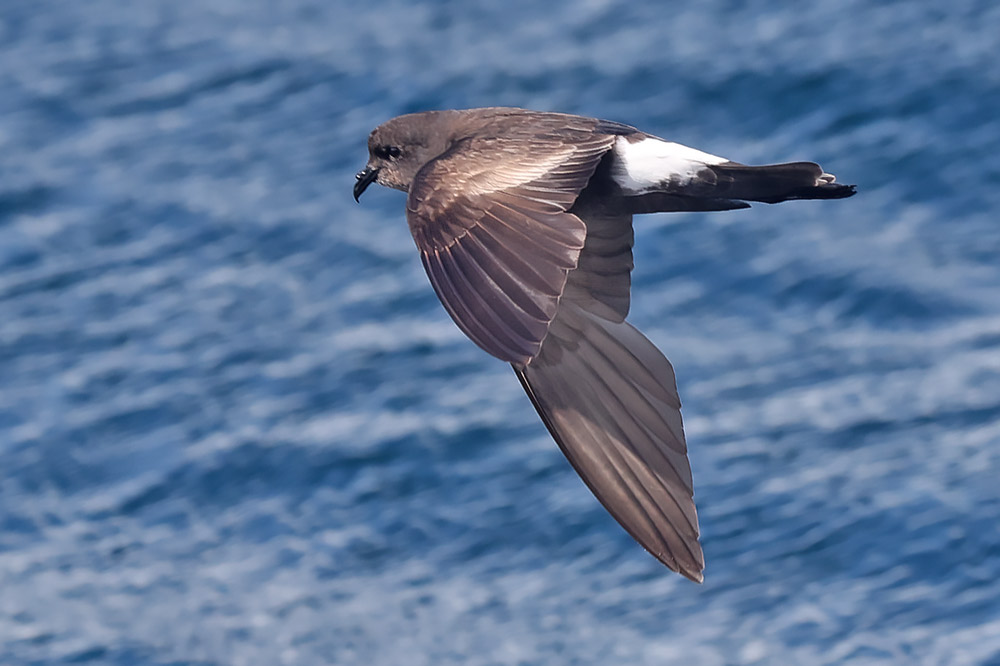
29th. A pelagic in a Force 8 (gusting Force 9) gale! We went to Seven Stones Reef 11 km NE of St Martin's, and returned to some shelter close to St Martin's. We saw 14 Wilson's petrels, 10 storm petrels, 15 great shearwaters, 50 Cory's shearwaters, 3 sooty shearwaters an Arctic tern and a raven. A few common dolphins passed by. Video below.
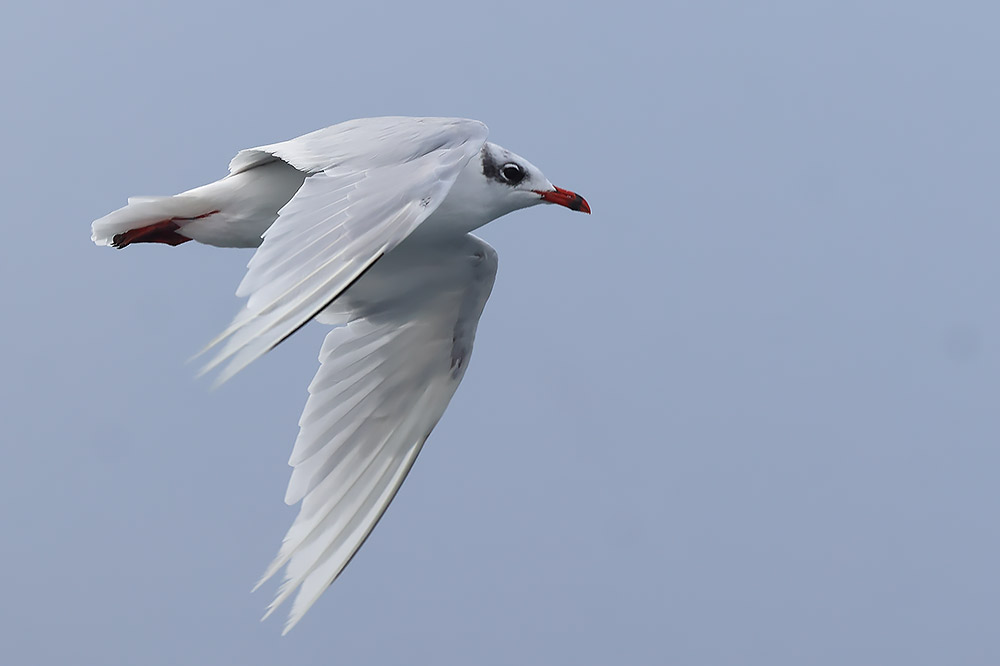
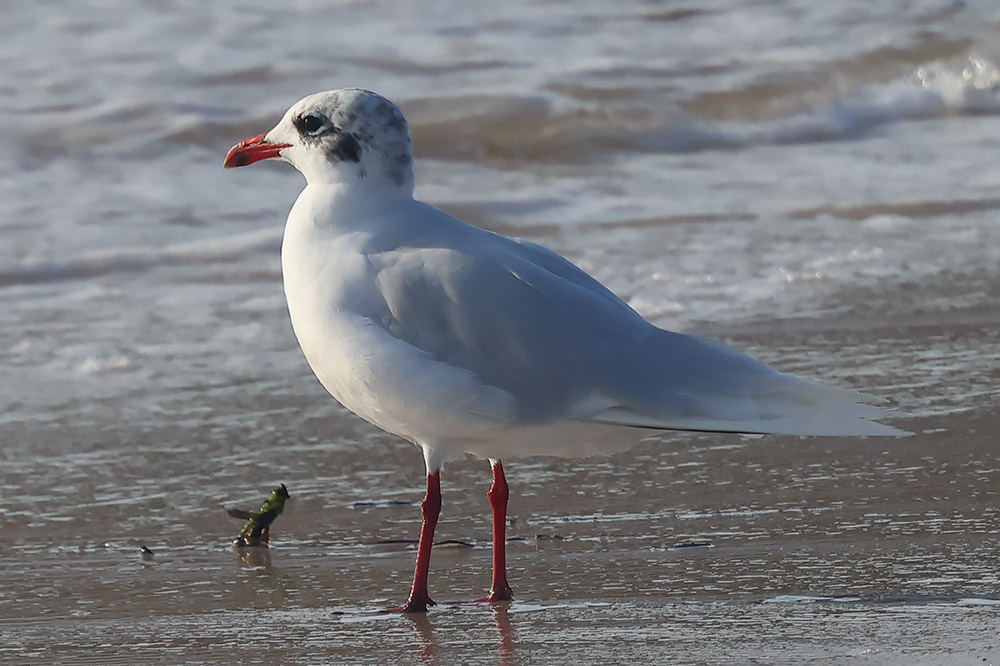
Mediterranean gull adult winter
Arctic tern
Cory's shearwater
European storm petrel
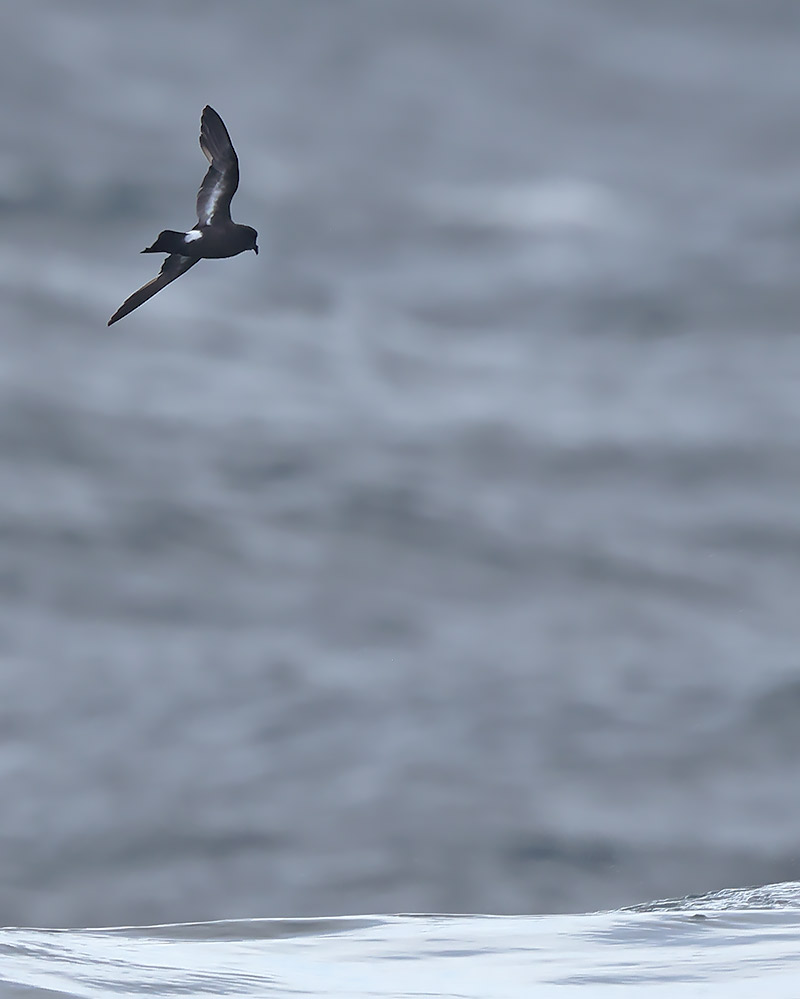
European storm and Wilson's petrels
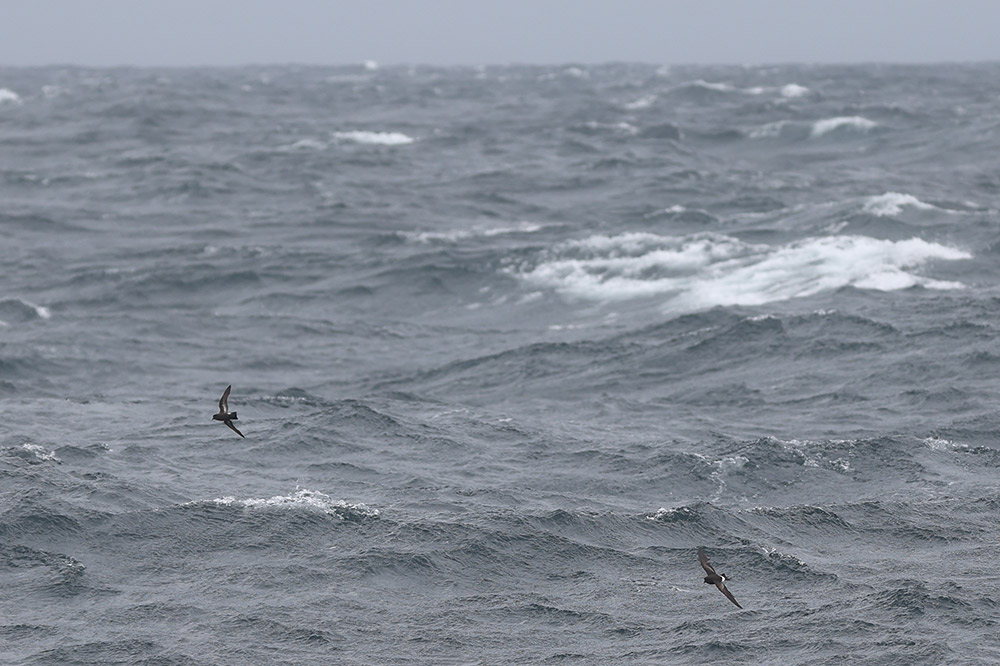
Wilson's petrel - it took me 12 pelagic trips to see one of these. Currently, they are more abundant than storm petrels, which there are few of this year
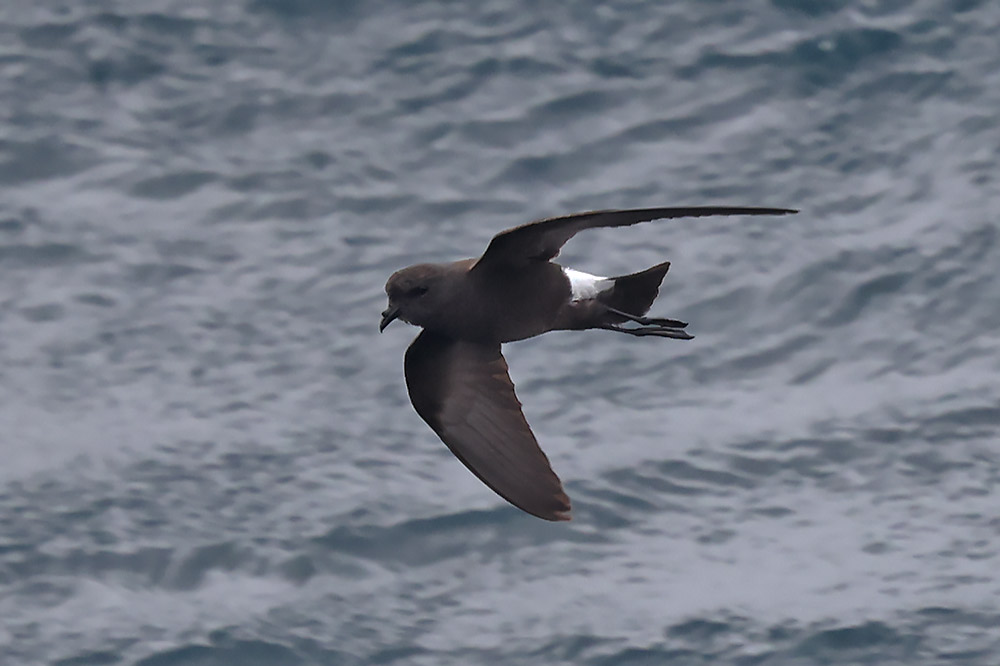
A bird with pronounced carpel bats with dark secondaries
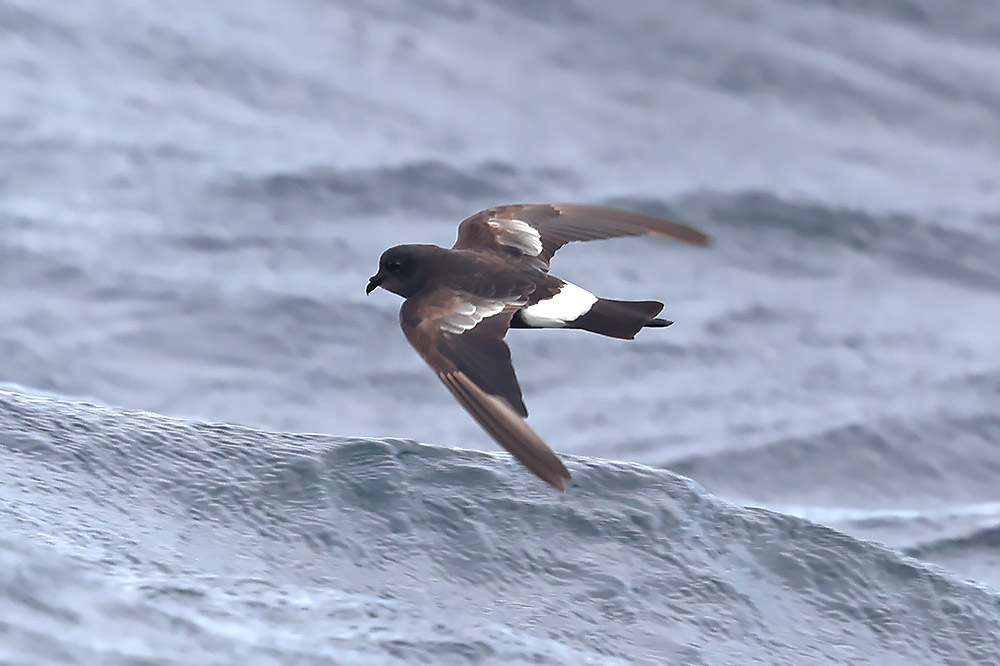
Not a great photo, but a bird with a pale underwing coverts and some pale on lower belly
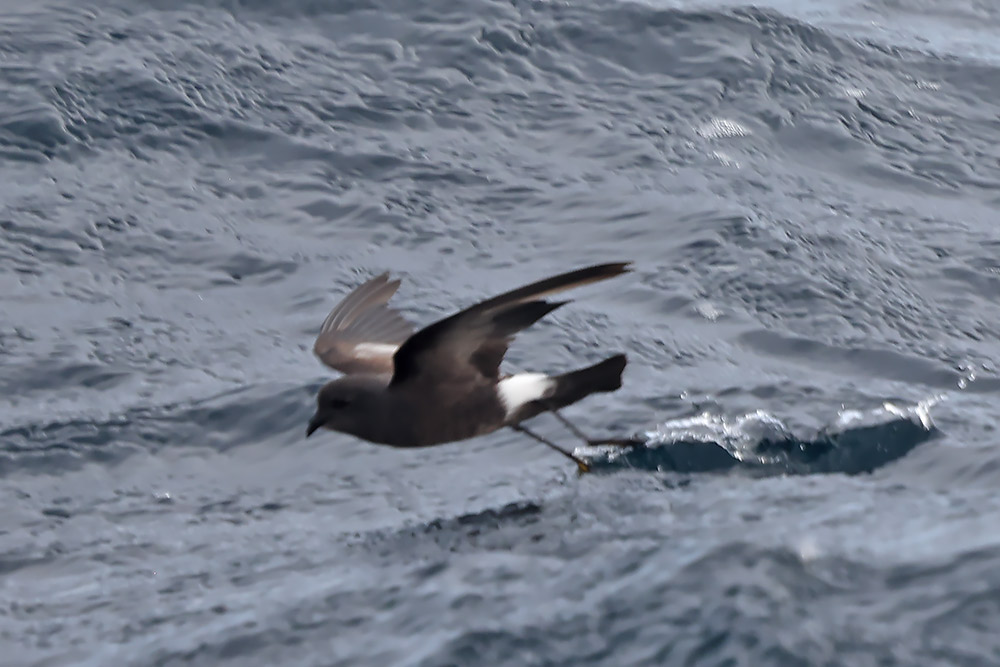
A bird with white thighs
28th. I heard a pied flycatcher calling repeatedly on the walk to Lower Moors.
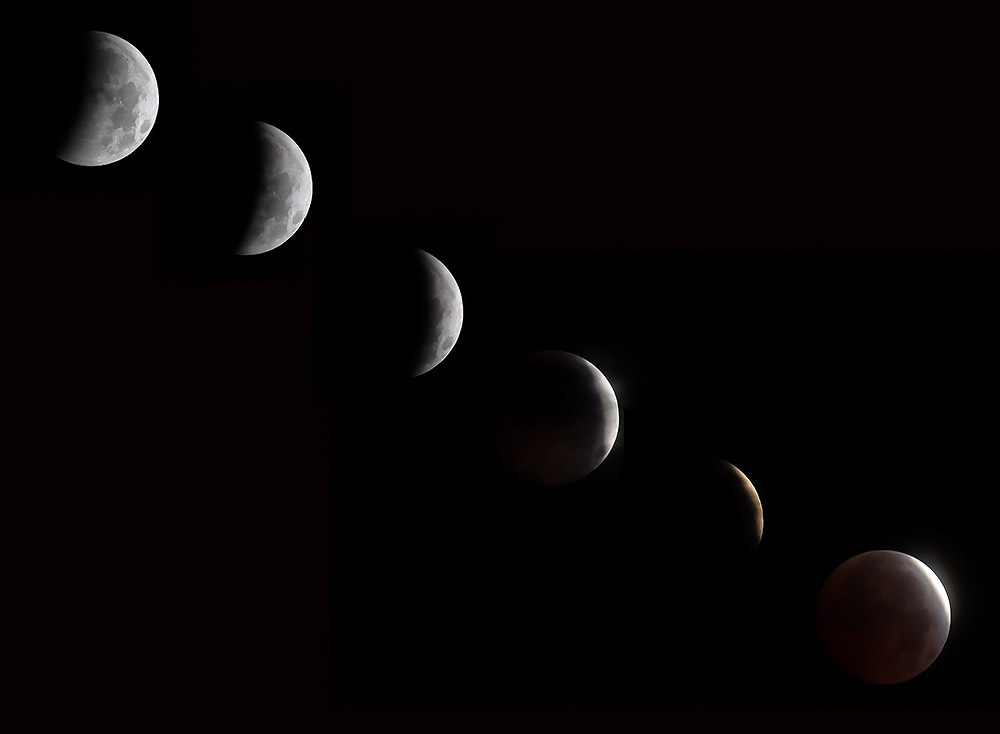
Composite with about 15 mins between each image of the 93% partial eclipse of the blood moon, Scilly, August 28th 04.05-05.18h.
27th. We crossed on the Scillonian III in her last summer of sailing, in calm conditions to St Mary's, Isles of Scilly. We stayed for 2 weeks at Newfort House, Porthloo, which was excellent. On the crossing I saw 4 Cory's shearwater, a Wilson's petrel and a bonxie and enjoyed using my new 12 x 42 Kite Optics image stabilised binoculars.
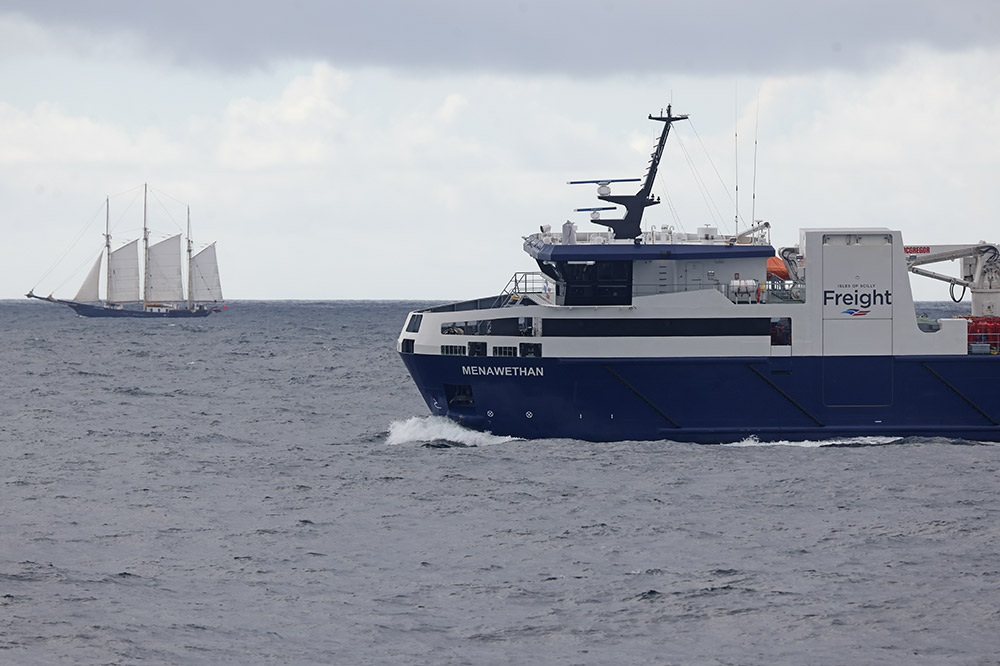
The new freight ship, Menawerthan.
There was a pale warbler with a lot of yellow in its legs at Porthloo Duck Pond, probably a juvenile reed warbler. On Porthloo Beach I saw 19 sanderling, 23 ringed plover, 2 dunlin, a whimbrel and 2 Mediterranean gulls (adult below). At the Lower Moors hides I saw a water rail, 8 snipe, a reed warbler and heard a Cetti's warbler.
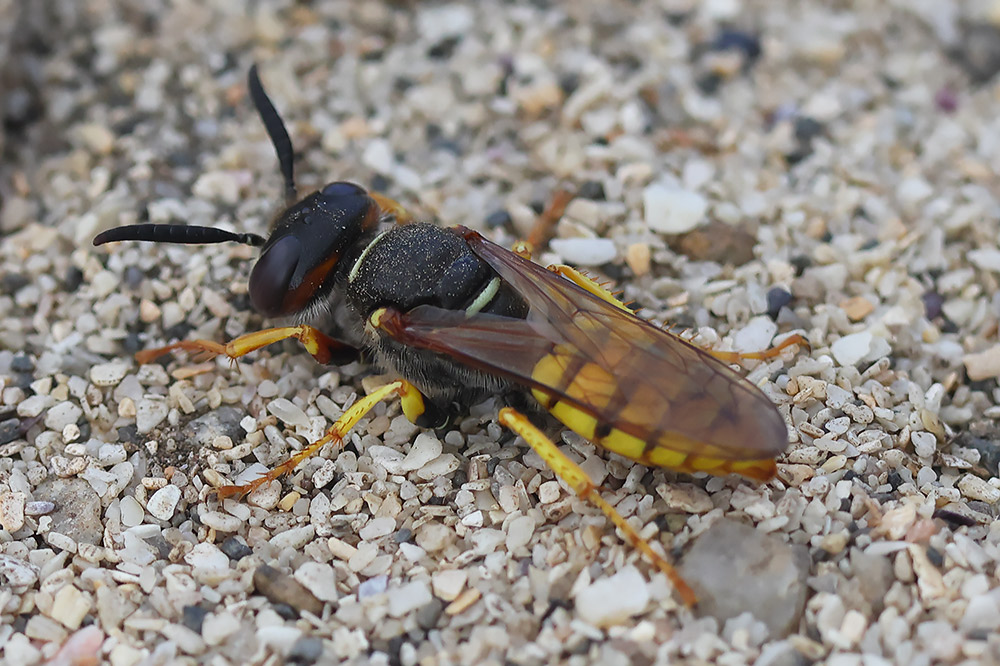
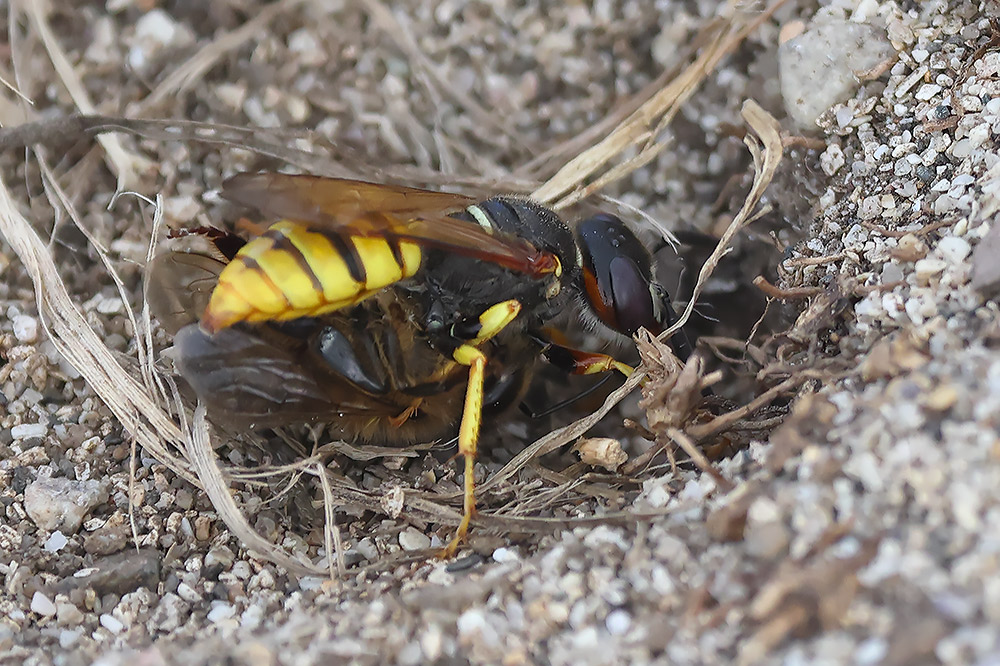
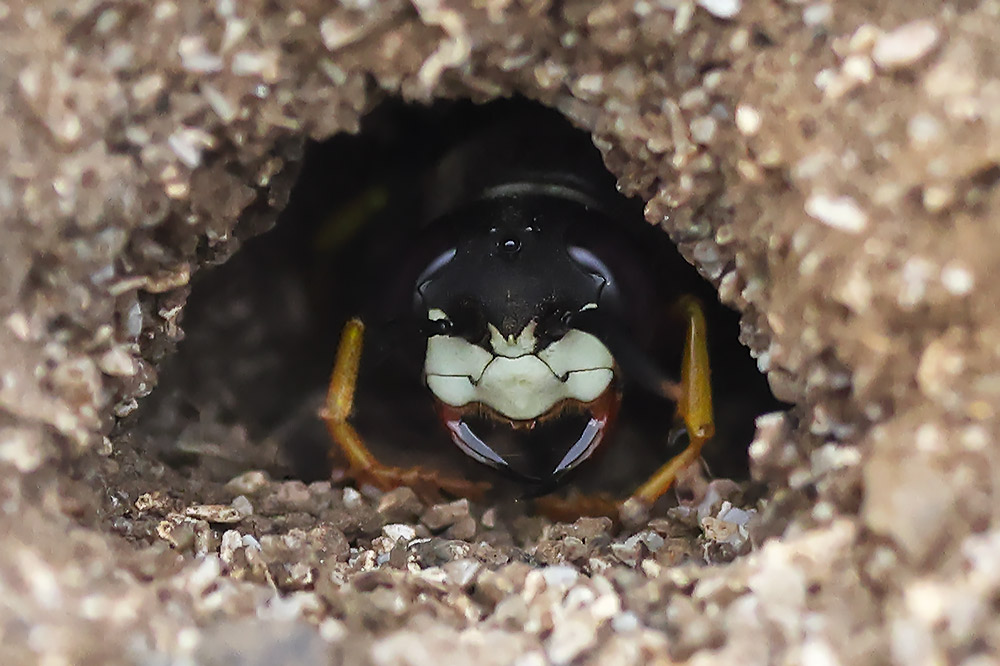
26th. Michele noticed beewolves on the Island, in the area around the waste bin coming up from Porthmeor Road. They seem to have spread rapidly recently, though I was surprised to see them in such a disturbed area.
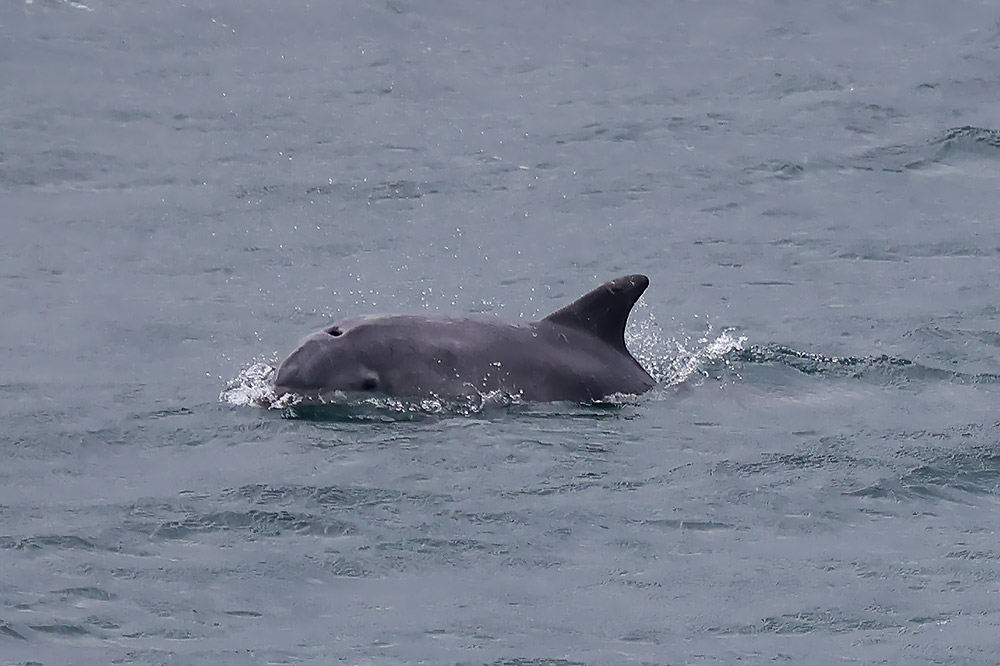
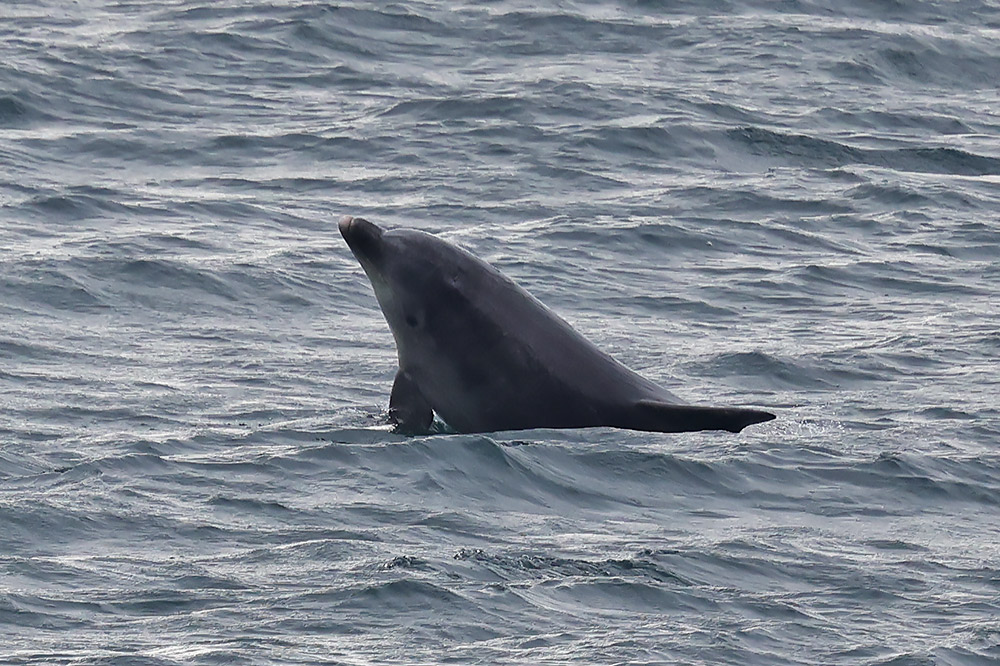
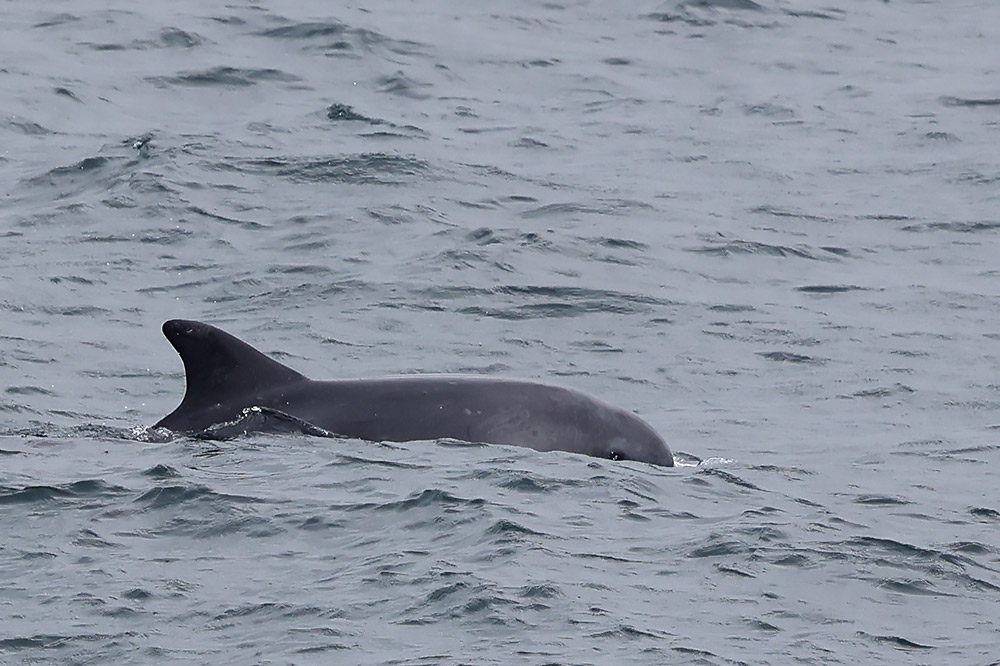
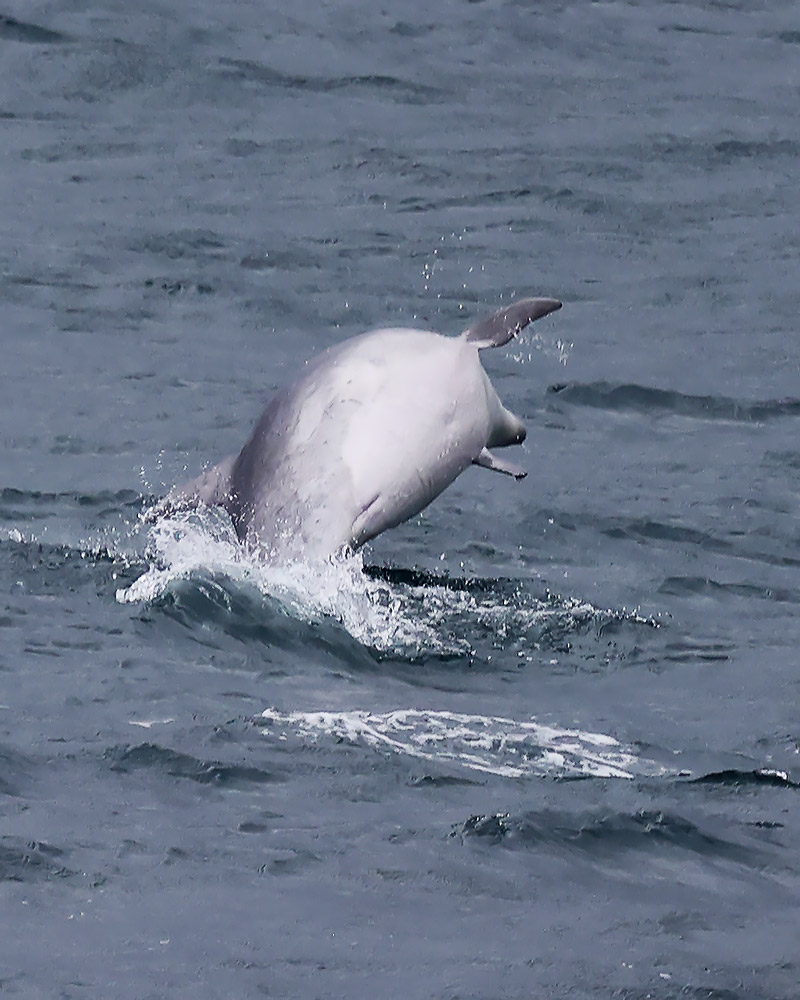
25th. A ringed plover flew inland over The Island, calling, and a bottlenose dolphin appeared in the bay.
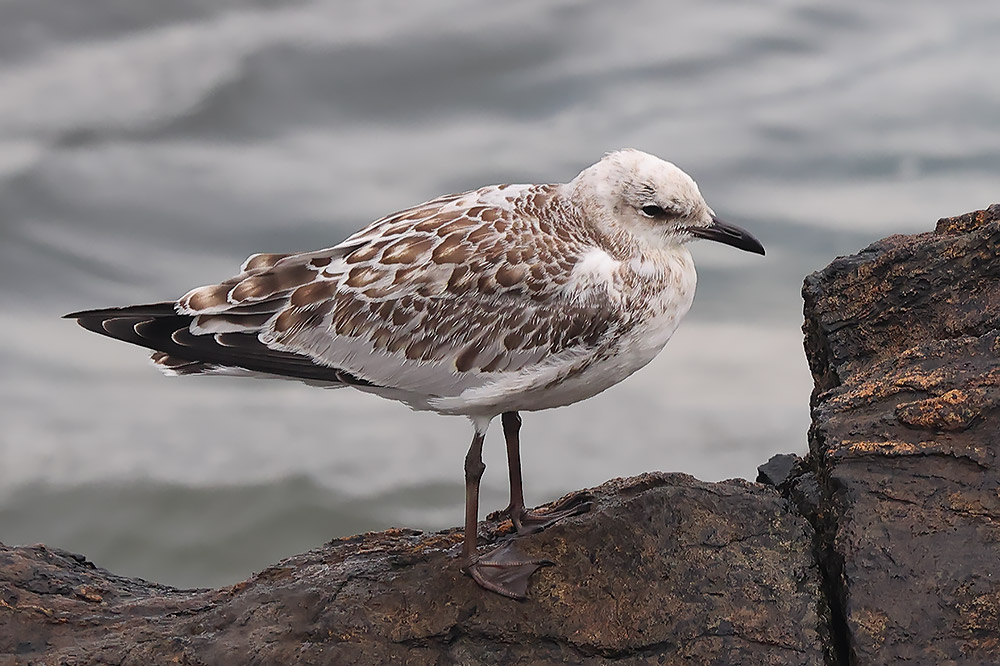
A juvenile Mediterranean gull.
Several Sandwich terns moving through.
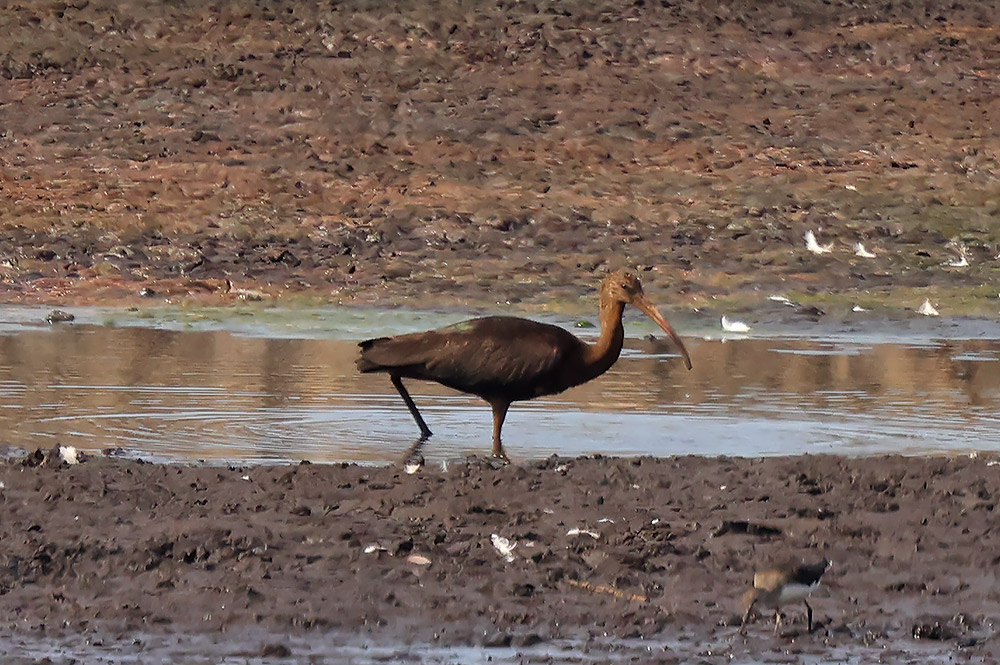
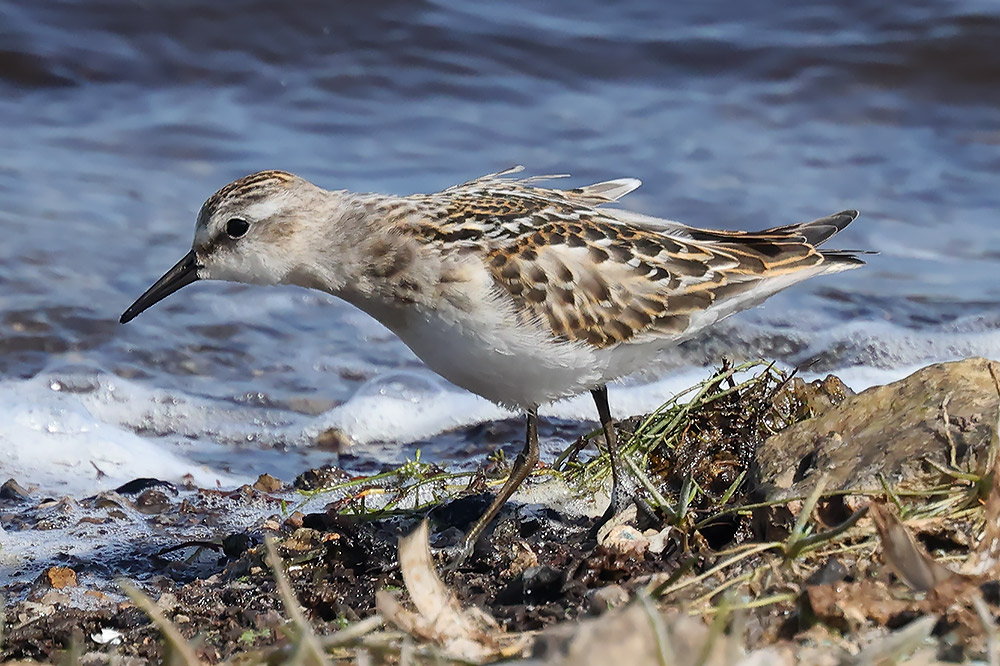
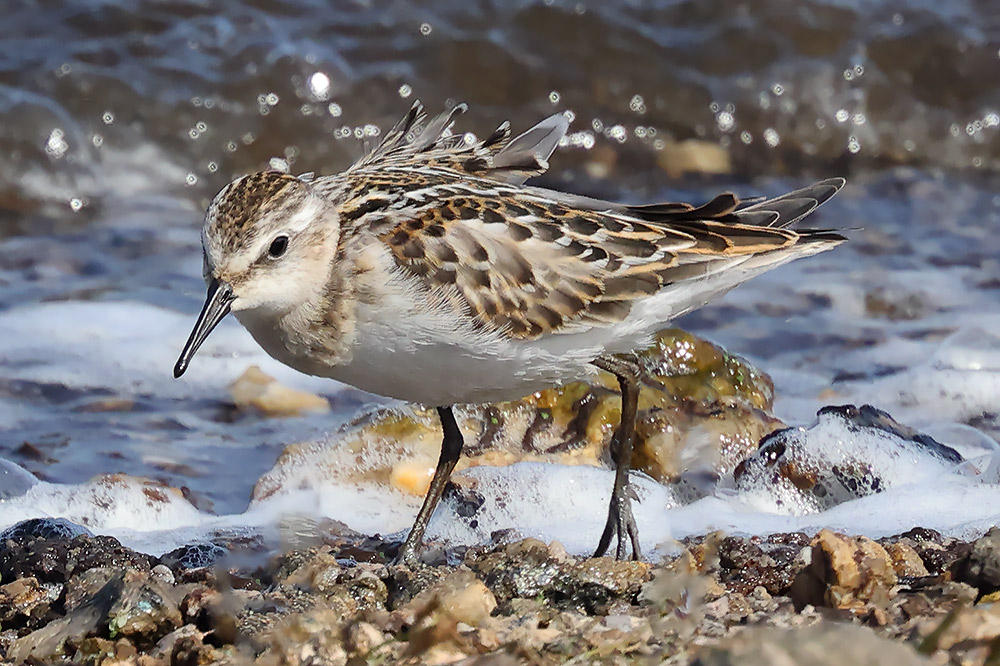
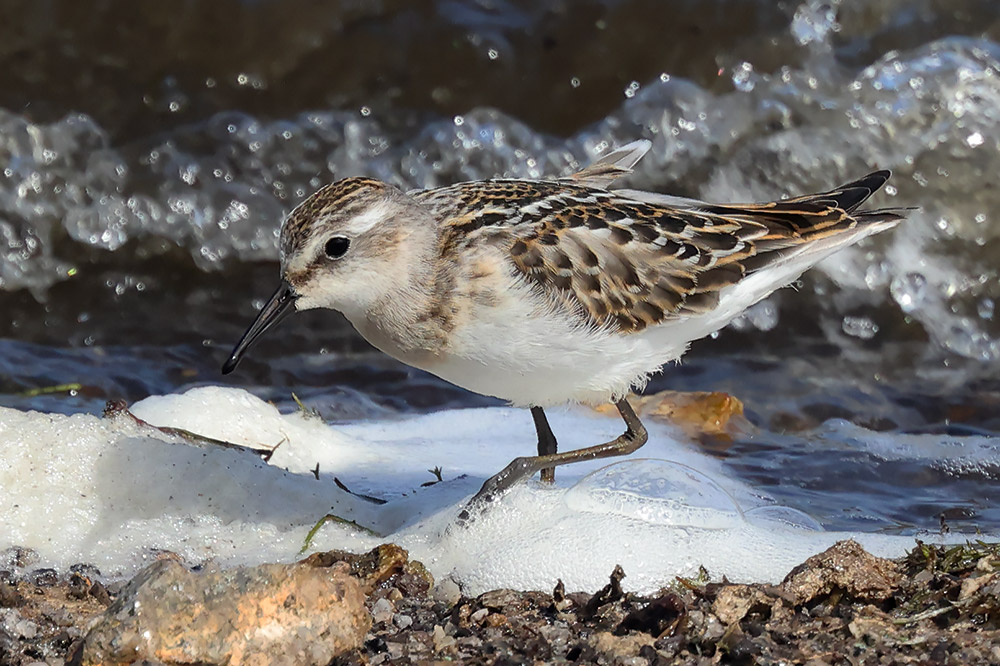
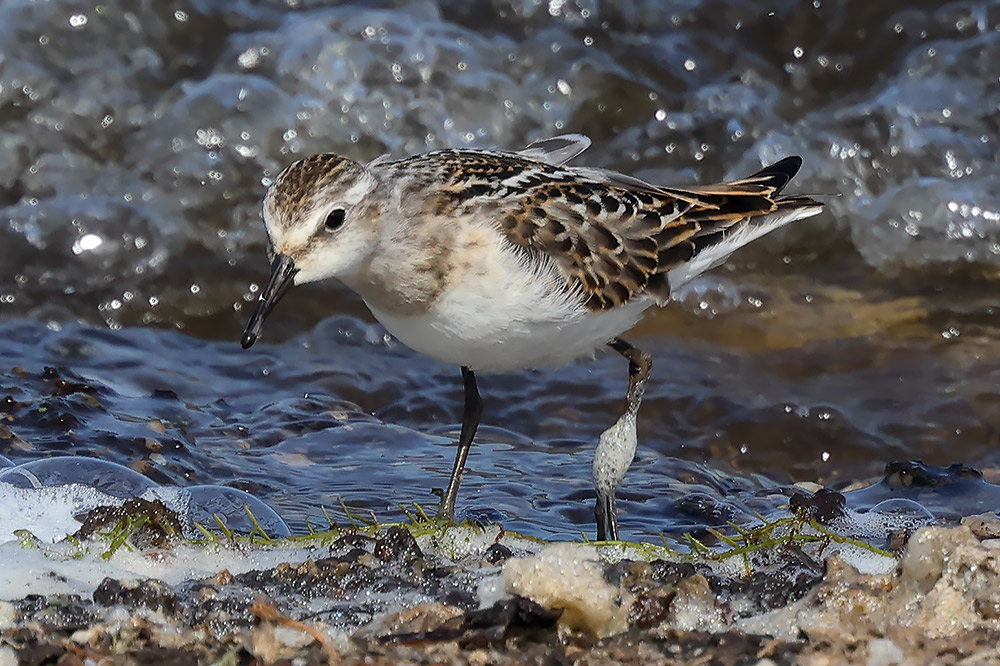
24th. Drift Reservoir with Billy. We saw the glossy ibis, a great white egret, peregrine, the juvenile yellow-legged gull, and a great diversity of waders: 2 wood sandpipers, 5 green sandpipers, 7 common sandpipers, 6 greenshank, redshank, ruff, snipe, and 14 ringed plovers. Highlight was a confiding little stint.
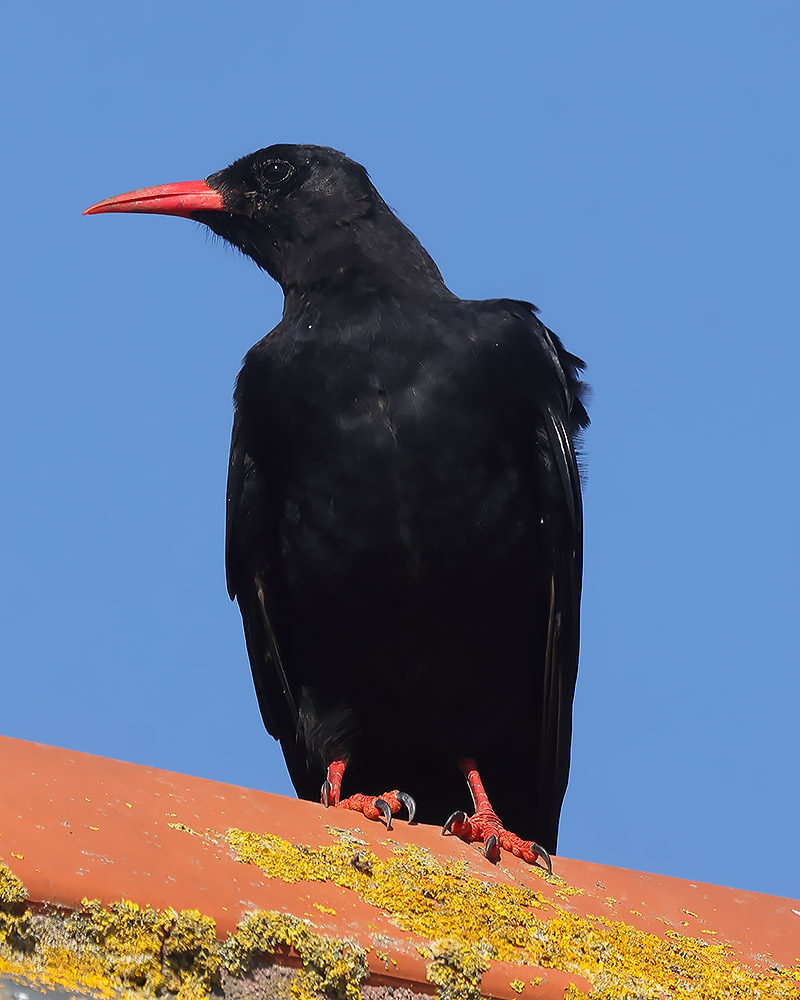
23rd. Rose An Hale reserve near Gurnard's Head was established in memory of wildlife filmmaker Vicky Stone in March this year. The ponds there have considerable wildlife potential, and have attracted some interesting species already. I saw a golden-ringed dragonfly there. Nearby, someone feeds the choughs in Treen and about 20 were around their house.
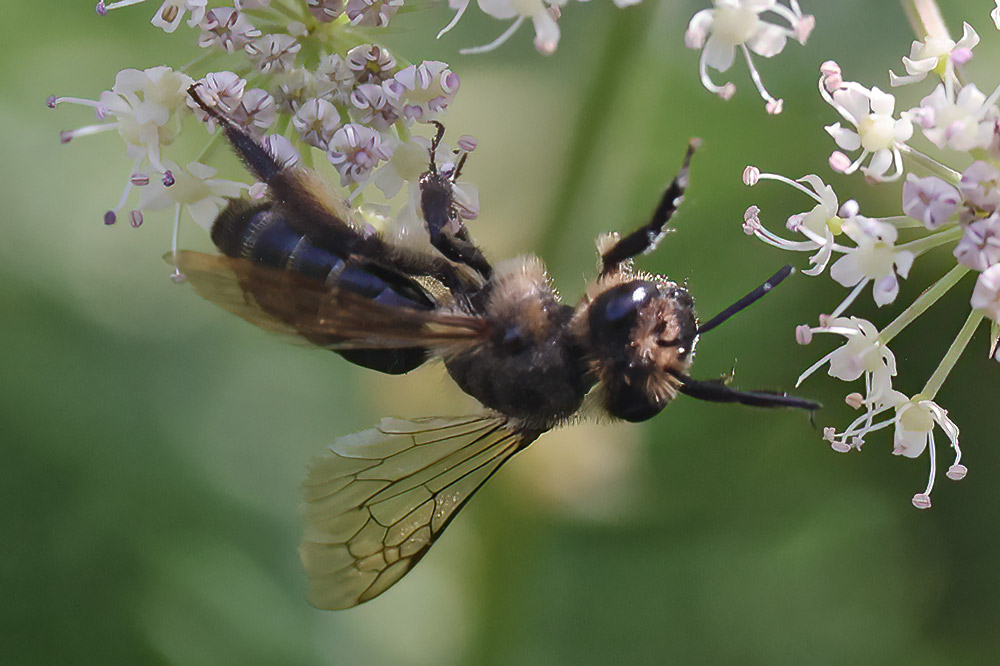
In the Foage valley I spotted 2 Perkins' mining bees and a golden-ringed dragonfly around Rosemorran.
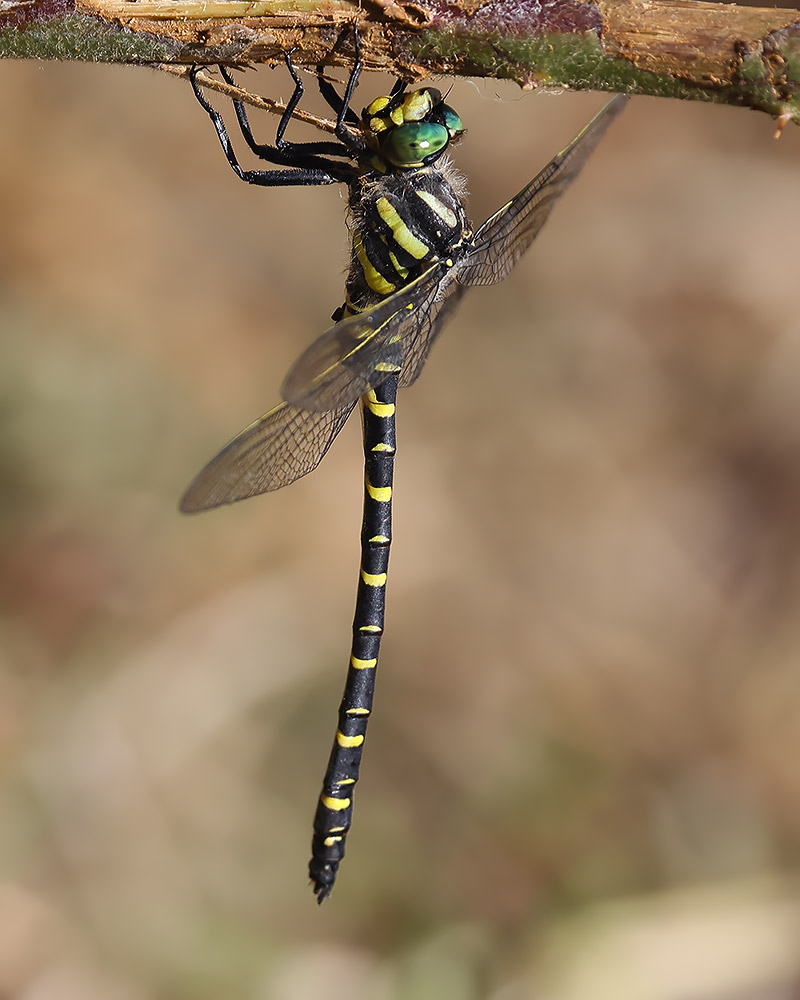
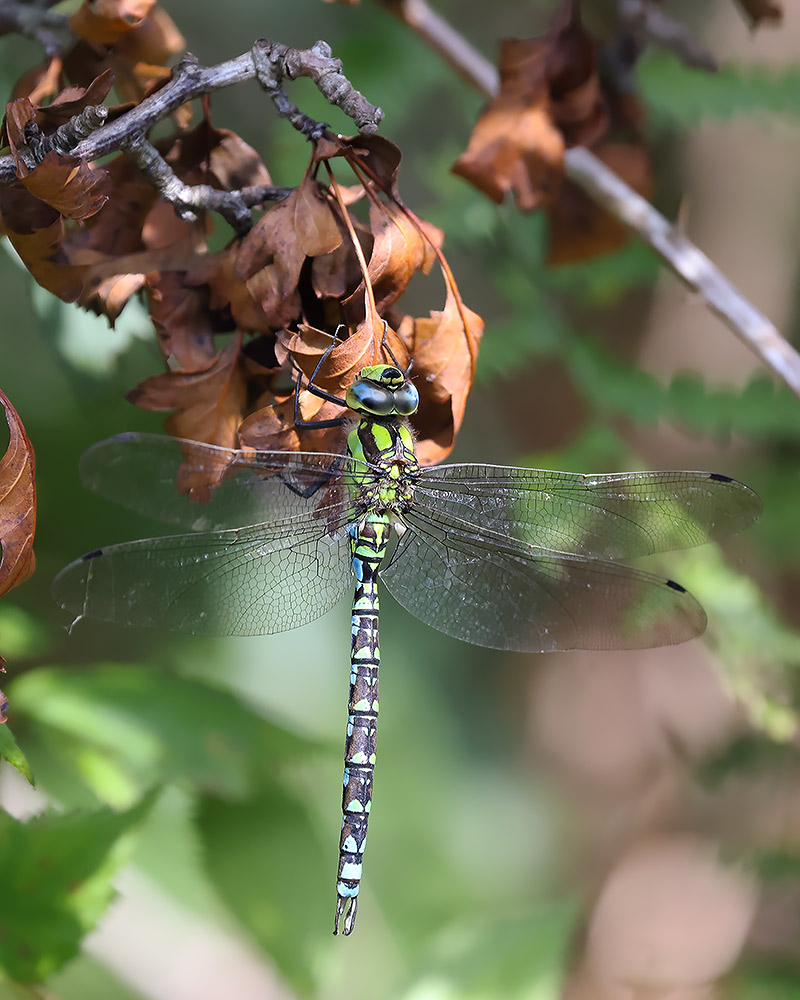
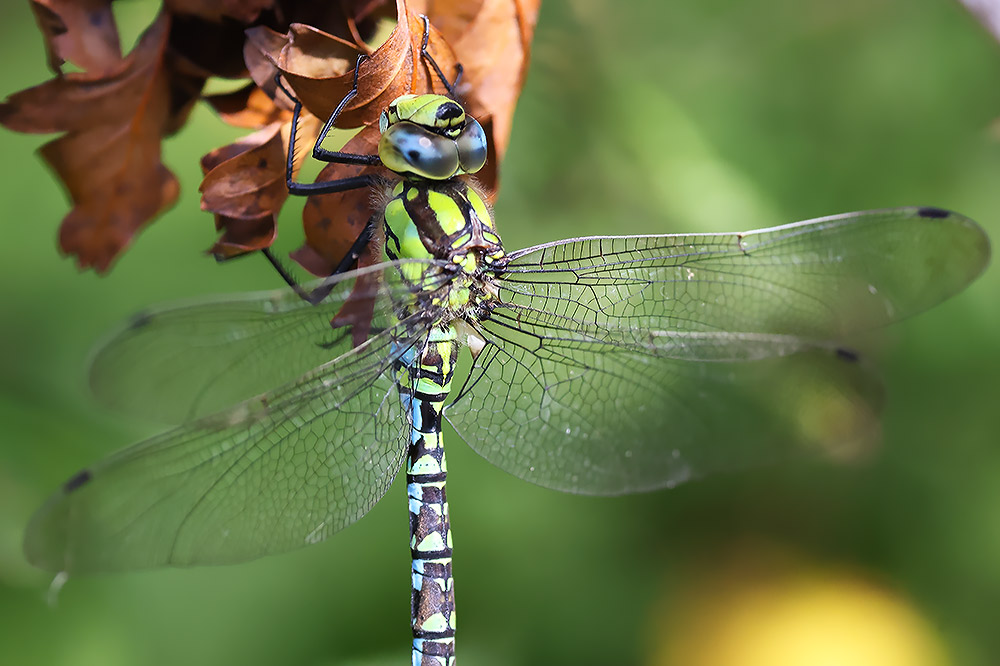
At least one of the hawker dragonflies patrolling the lane was a southern hawker and eventually settled.
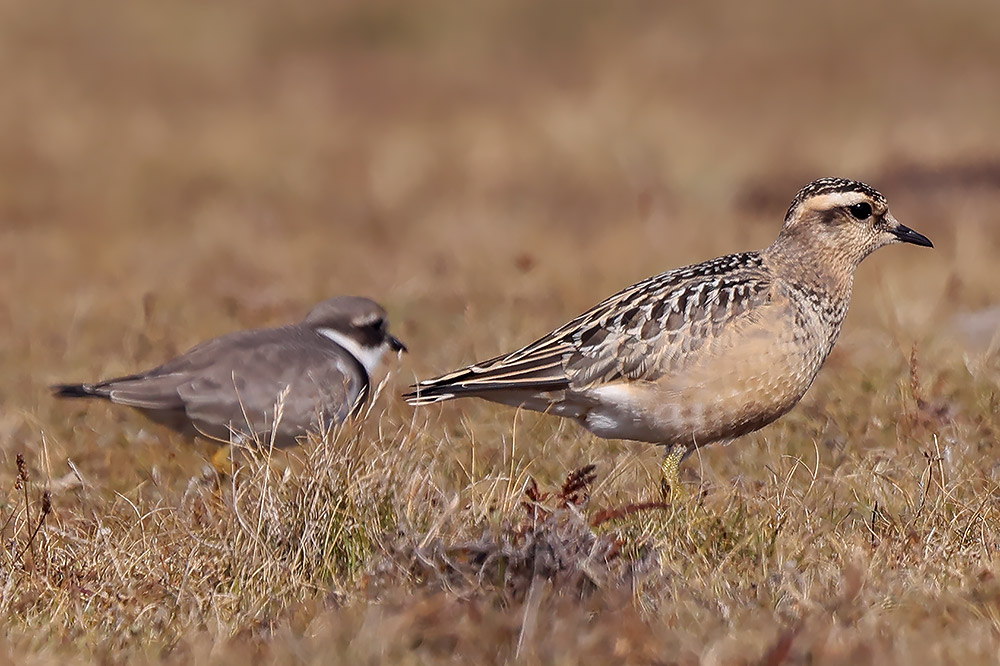
At Porthgwarra, I caught up with the two dotterel associating with a ringed plover. I sat with Florie and let the birds approach us unfazed.
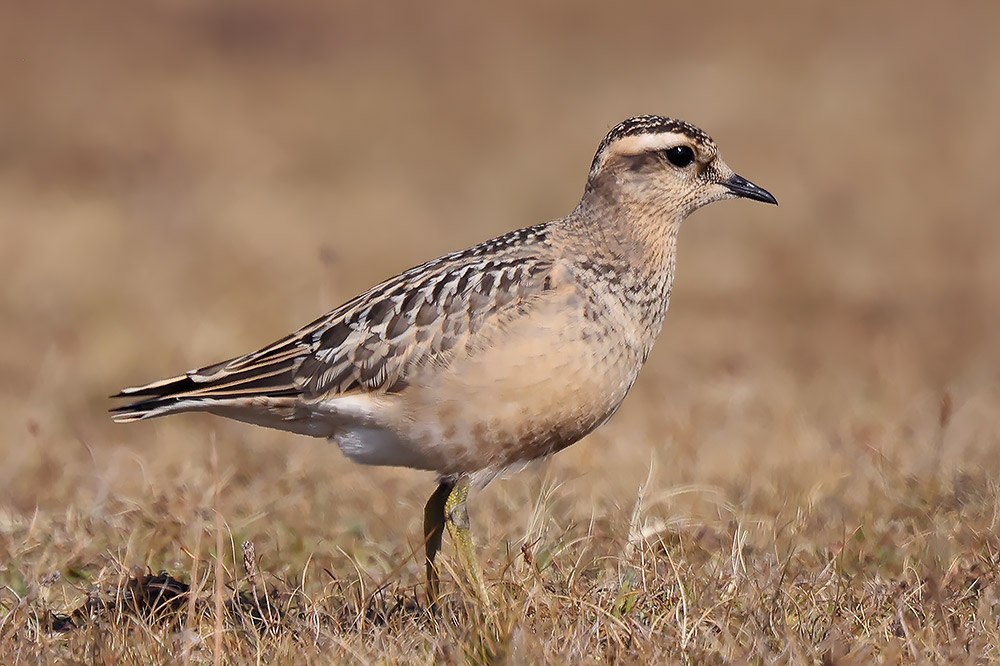
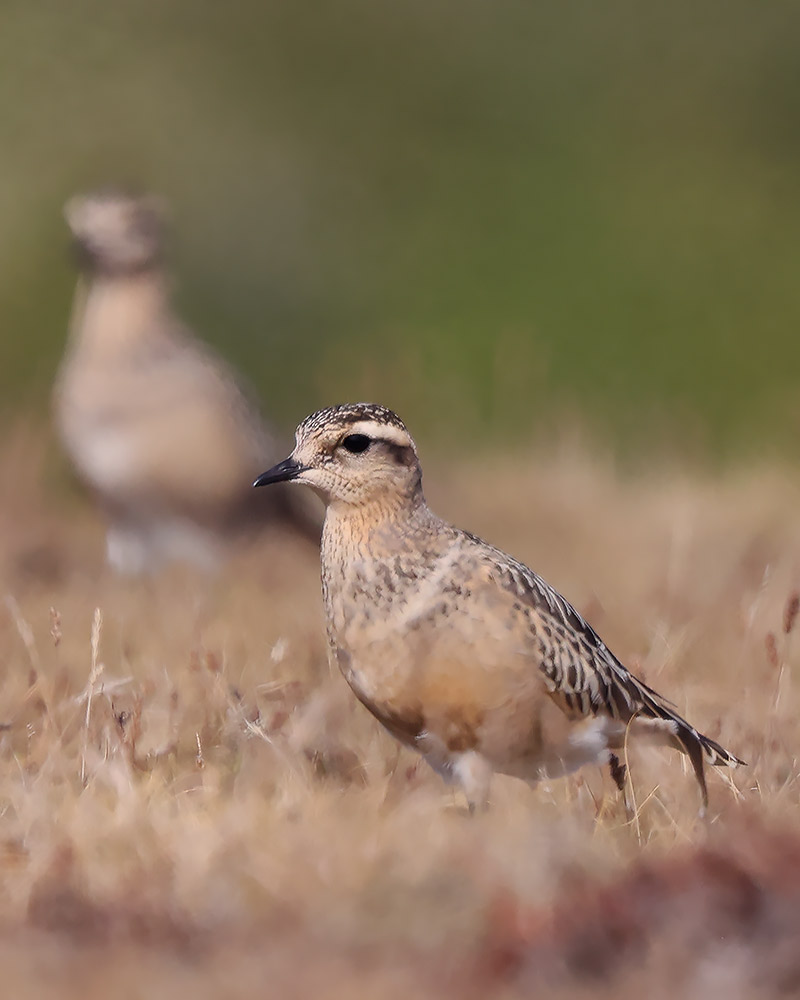
22nd. I was planning to go to Drift and Marazion and got to neither. I stopped at Boscathnoe Reservoir, and saw some great dragonflies.
Common darter
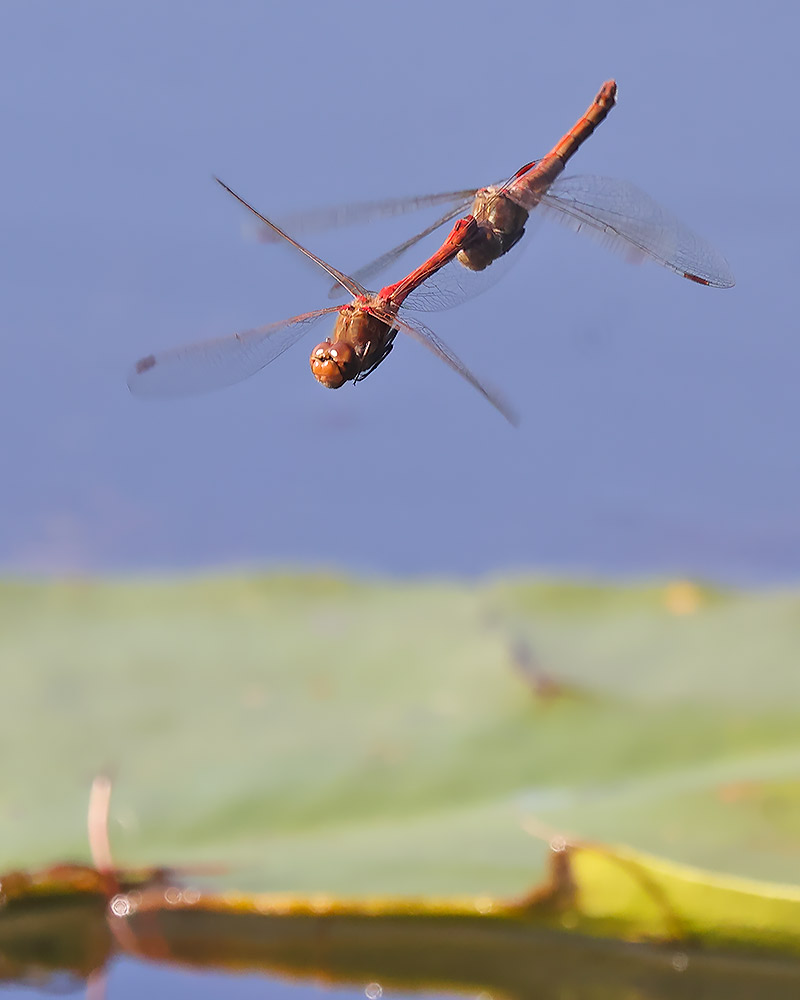
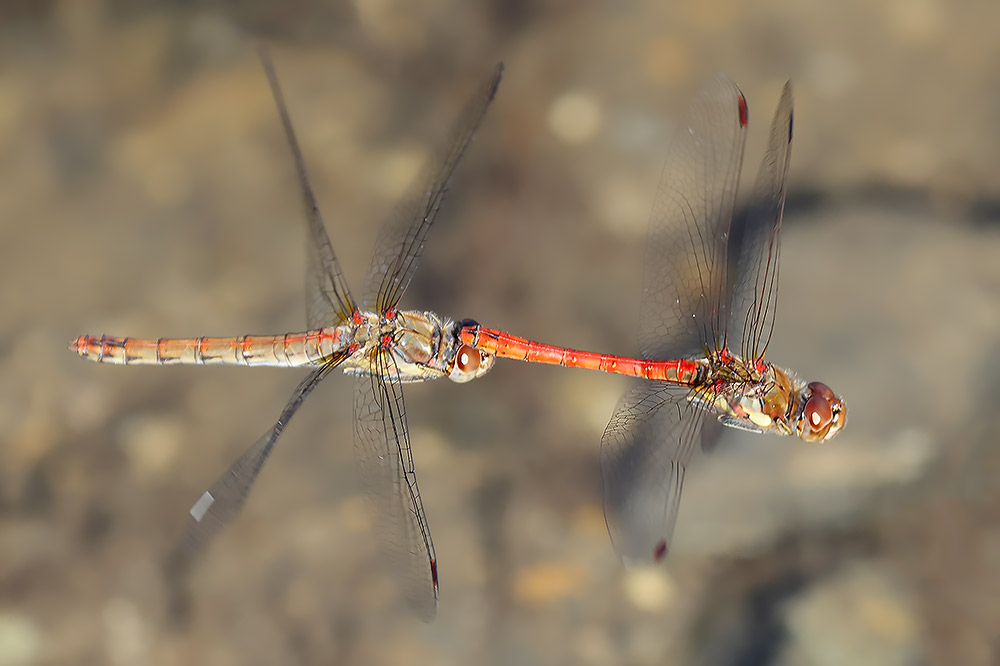
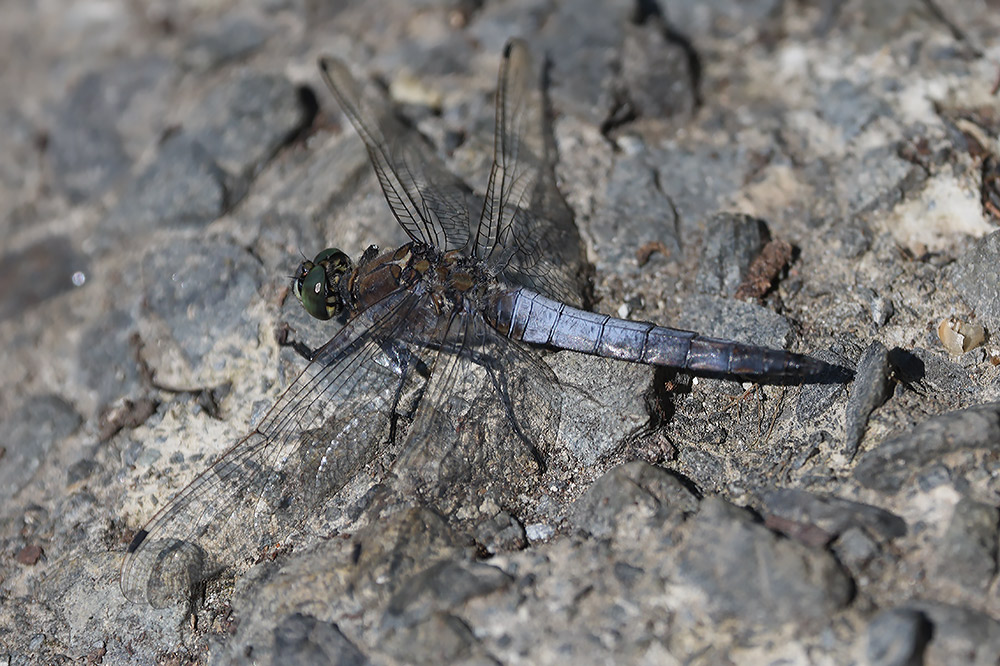
Black-tailed skimmer
Emperor males
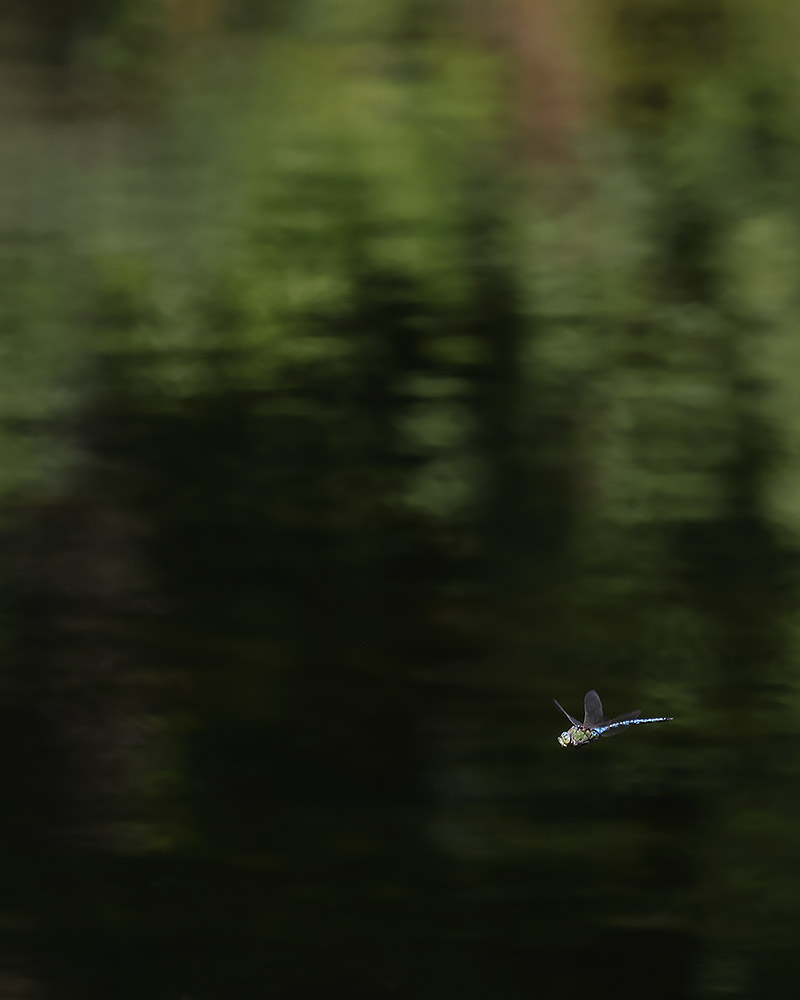
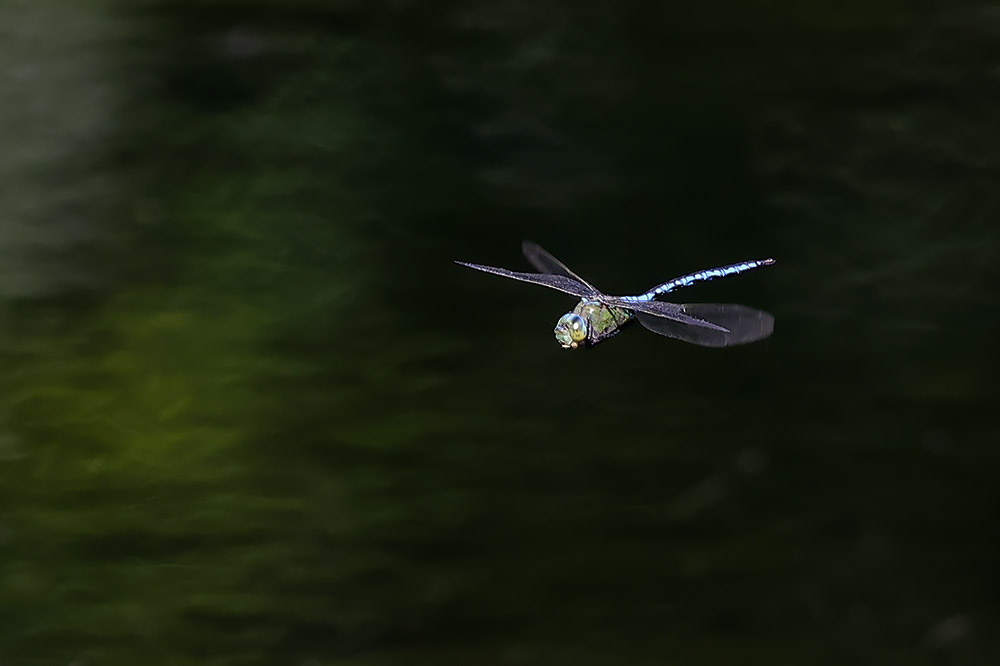
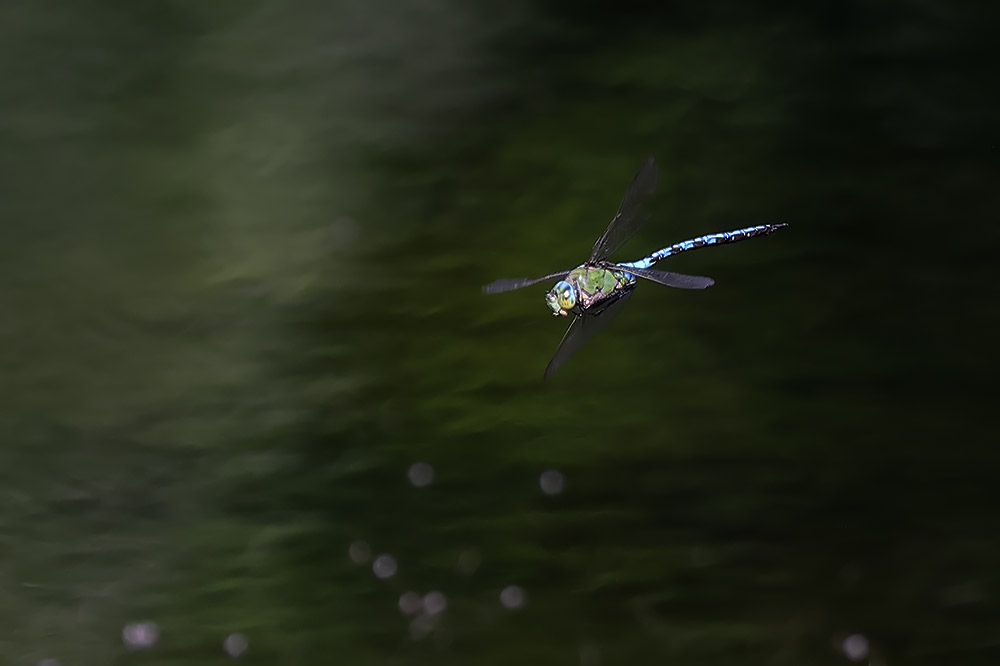
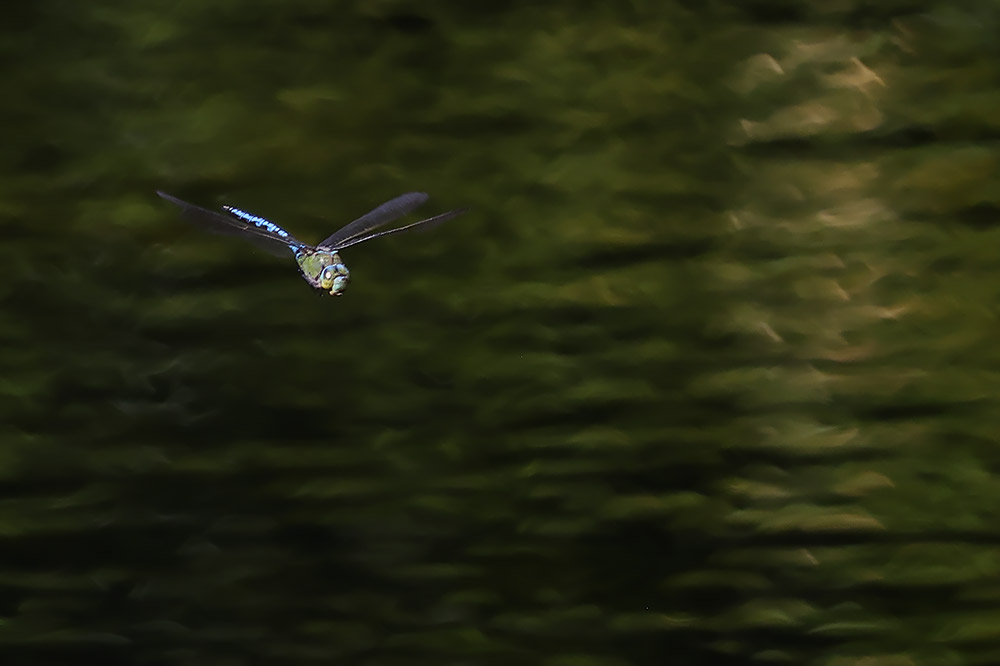
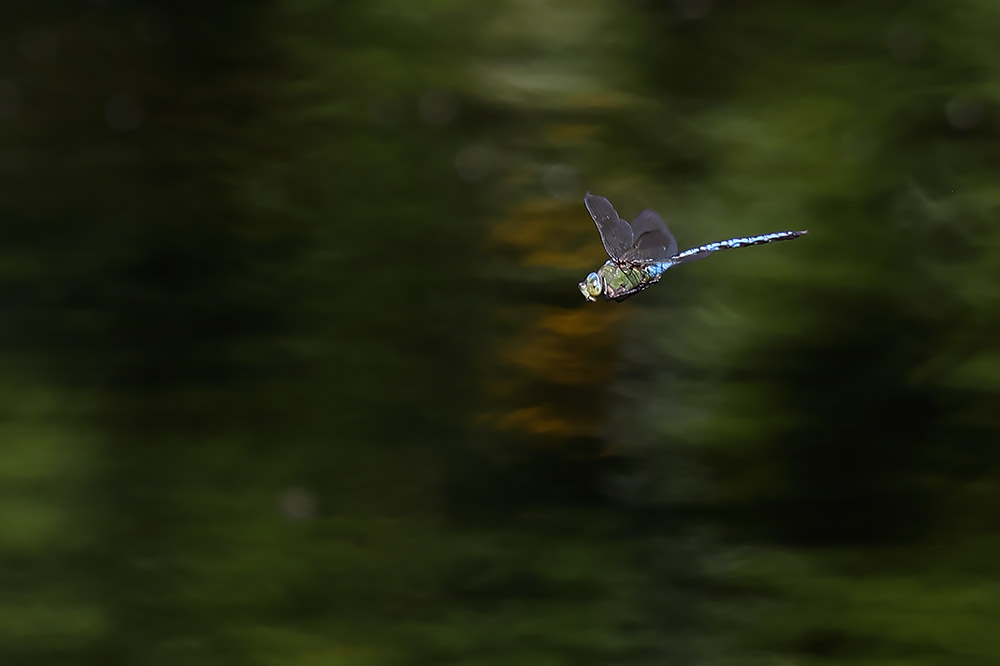
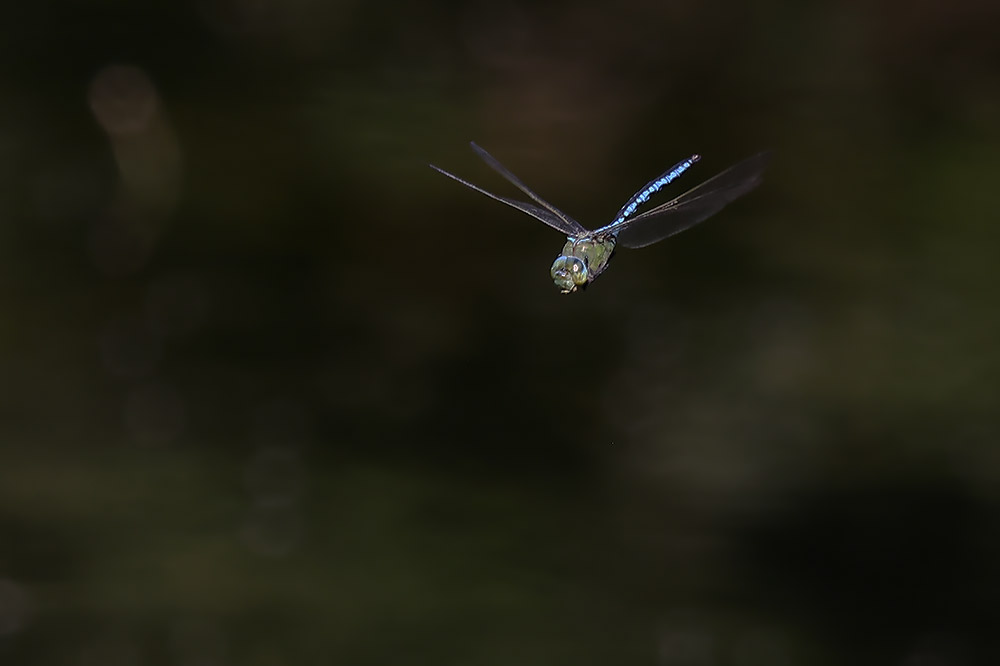
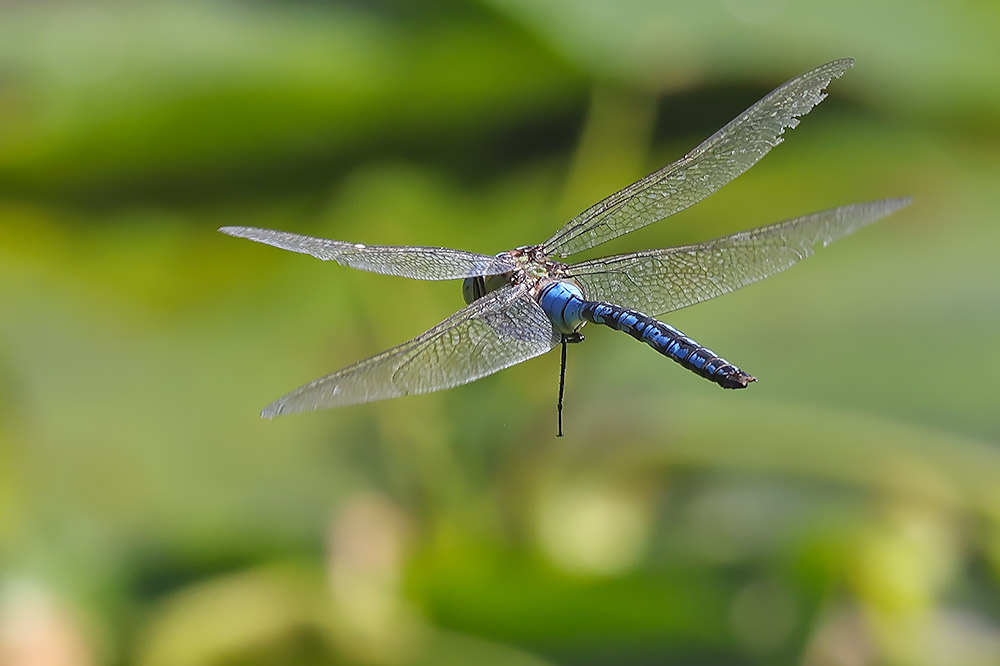
Lesser emperor. A rare species that now breeds in Cornwall. First recorded in the UK in 1996 and in Cornwall in 1997, breeding in 1999.
Male
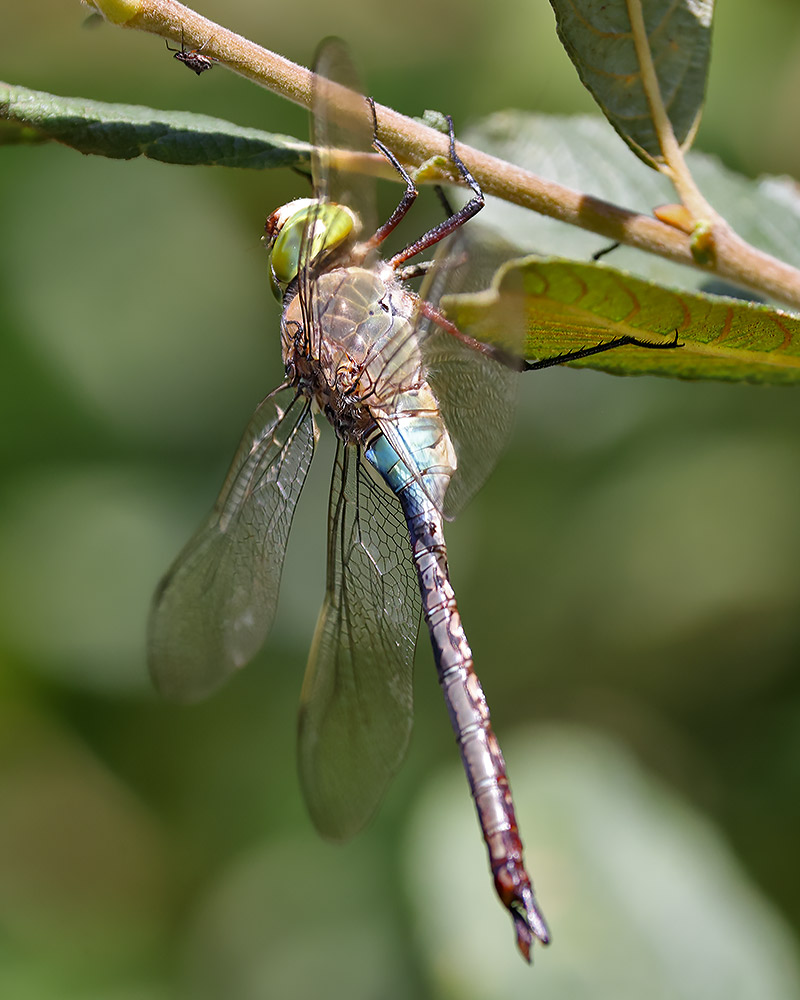
Female
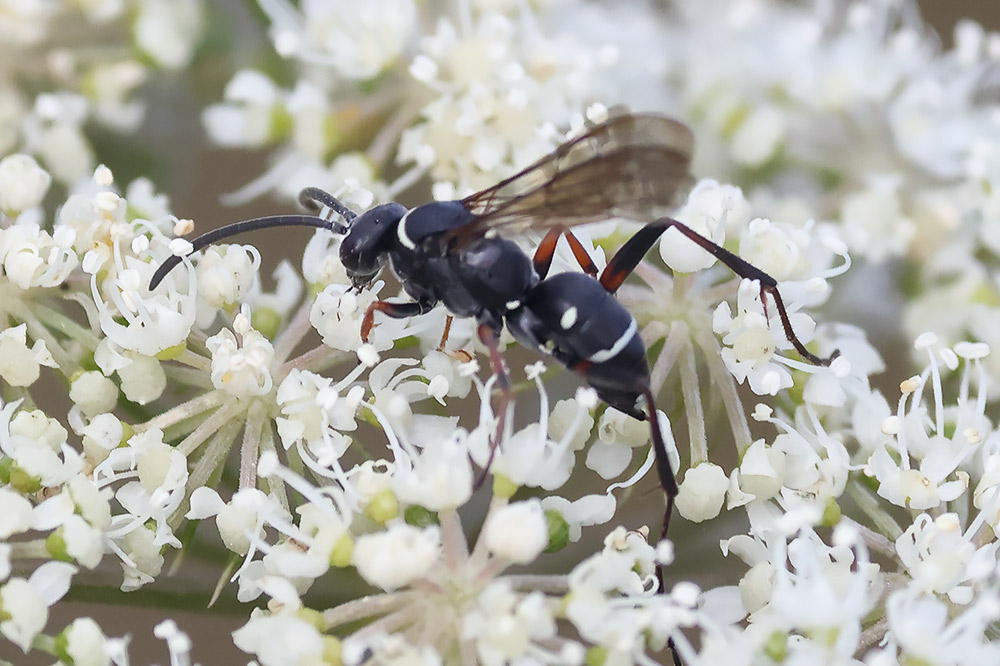
I then went looking for the rare Perkins' mining bee Andrena rosae. Much of its favourite flower, angelica, has gone over now and I failed to see any at Woon Gumpus common. I did see the spider wasp Ceropales maculata however, a local species restricted to the west and north of Britain.
At Rosemorran/Foage I saw a spotted flycatcher and photographed some interesting insects. I saw a yellow-winged blacklet Cheilosia impressa.
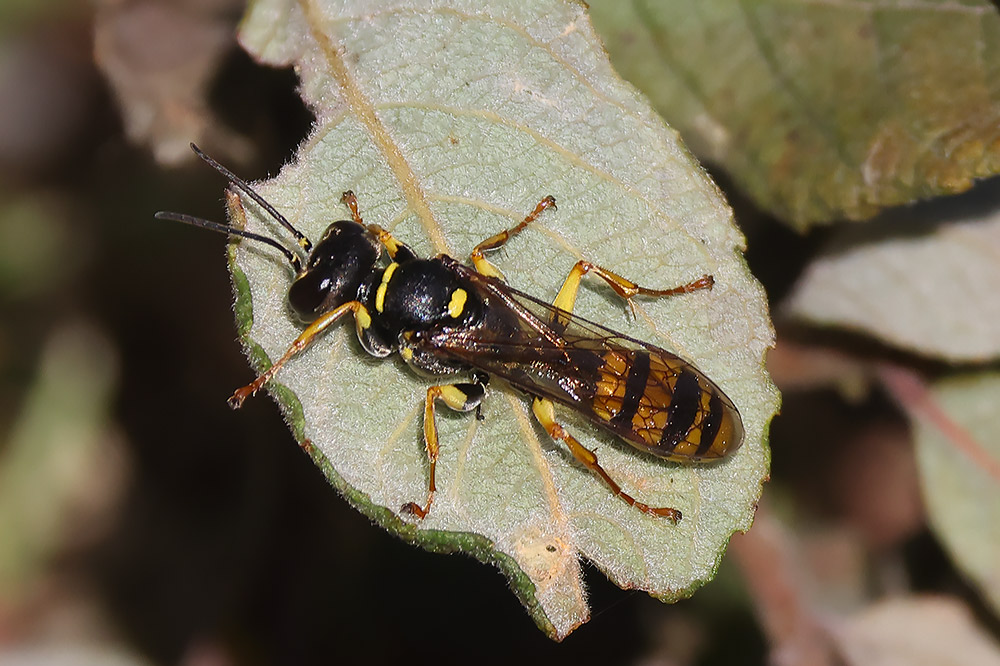
Field digger wasp Mellinus arvensis
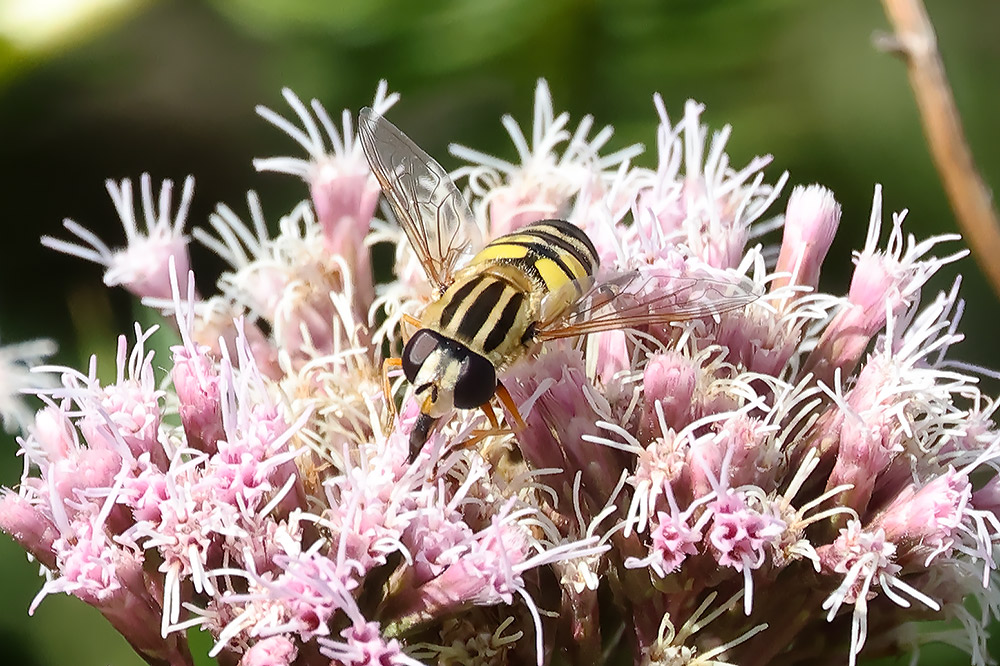
Lemon marsh fly Helophilus trivittatus
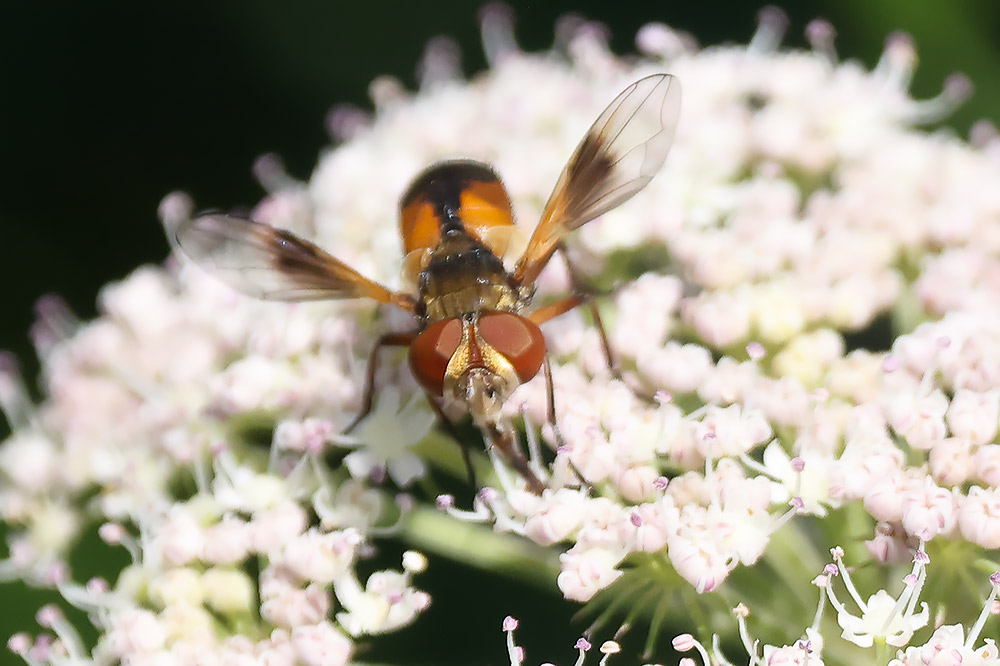
The striking tachinid Ectophasia crassipennis, a recent colonist that first arrived in the UK in 2019.
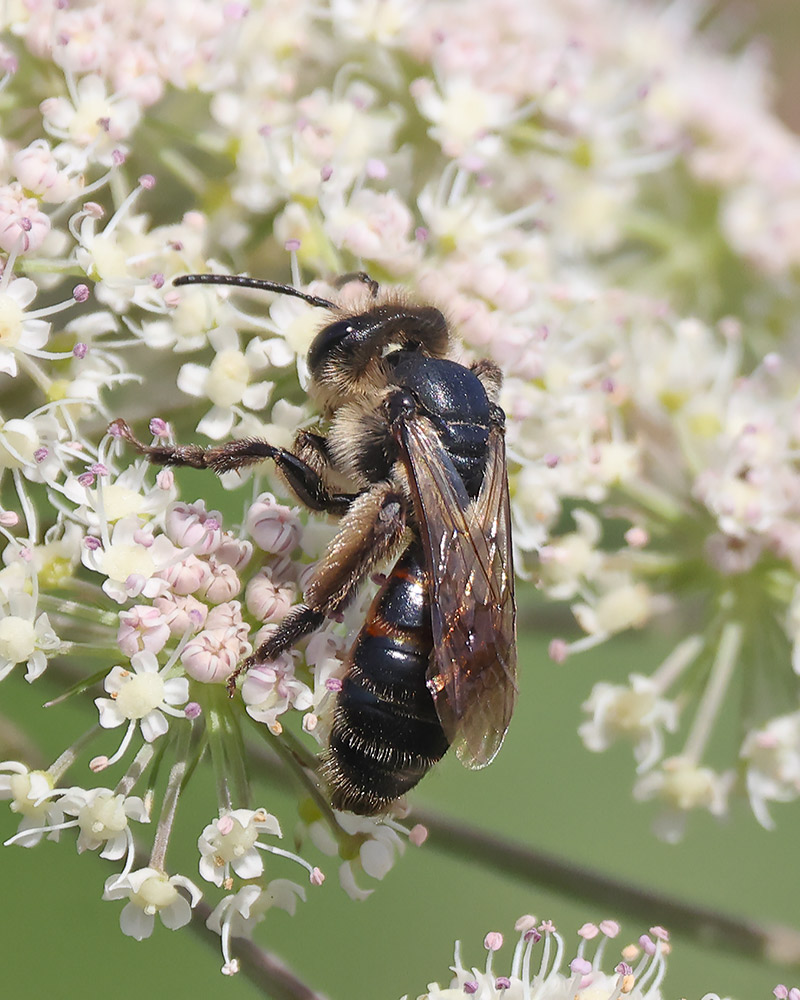
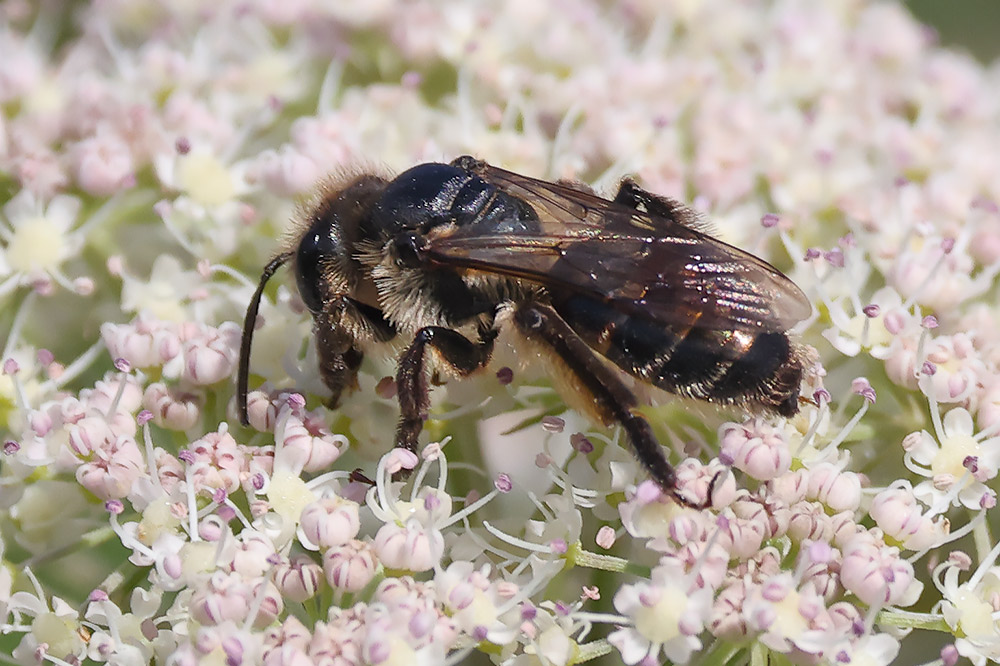
I eventually found a female Perkins' mining bee on an isolated angelica plant.
21st. A pale-phase pomarine skua off the Island and two other skua (pale and dark) that may have been Arctics. A redshank called.
20th. An excellent morning seawatch off the Island: 2 Wilson's petrel, 10+ storm petrel, 120+ Cory's shearwater, 3 sooty shearwater, 2 Arctic skua, 15 Sandwich tern, 3 common scoter, black-tailed godwit, 19 whimbrel.
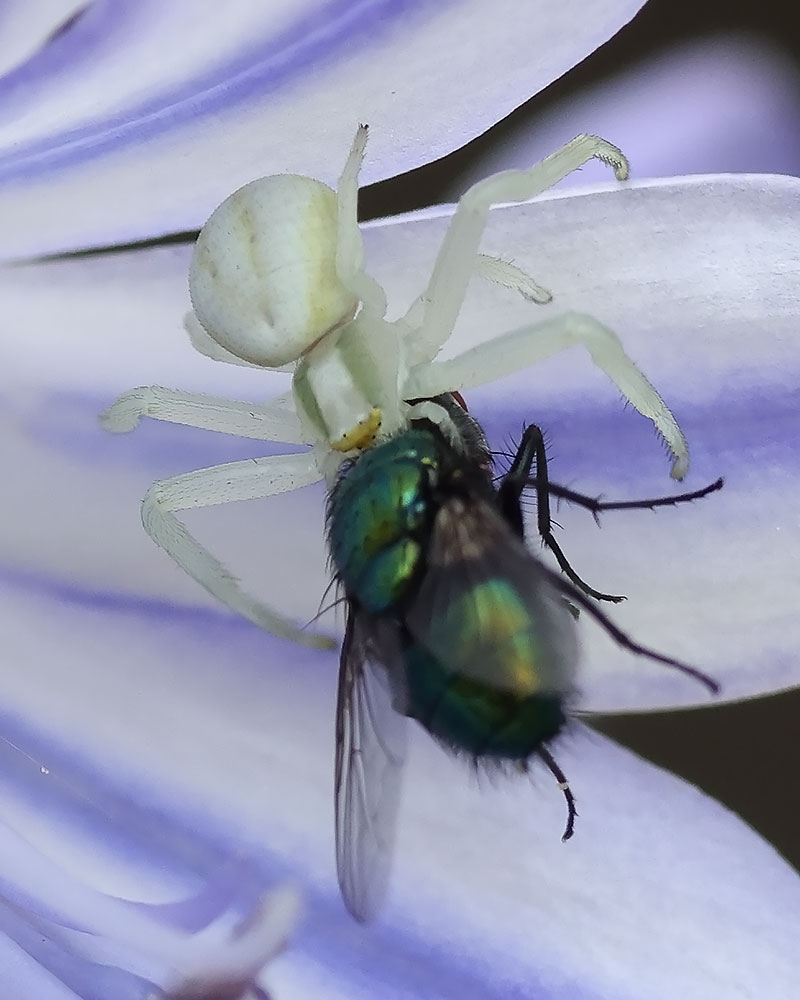
14th. A flower crab spider eating a fly in the Bristol garden.
13th. A couple of pale waders flew East past the Island. Initially I thought they were sanderling, but the black behind the eye meant they were probably grey phalarope. Several were seen around Scilly and Pendeen about the same time. I also saw a whimbrel, an ocean sunfish and a leaping bluefin tuna.
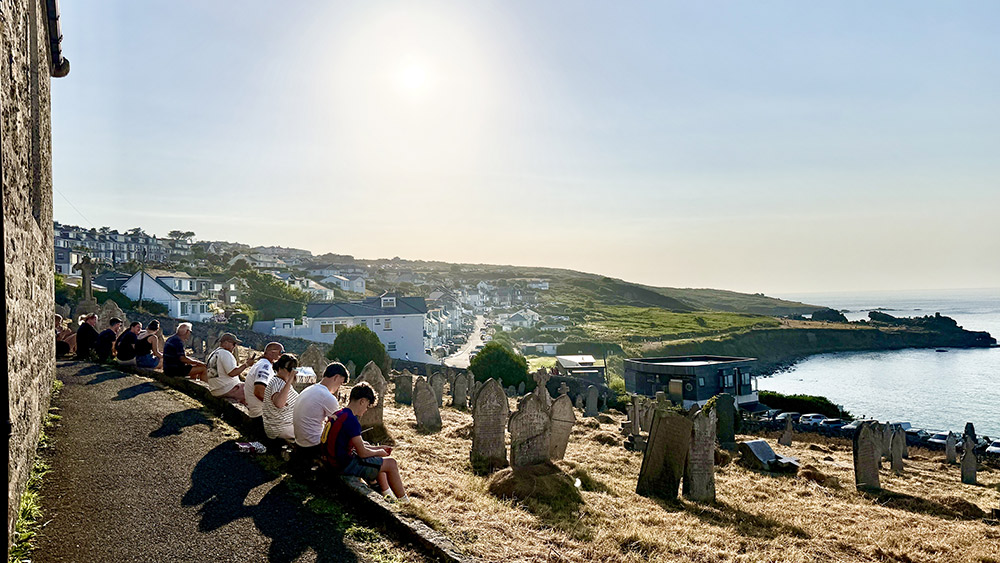
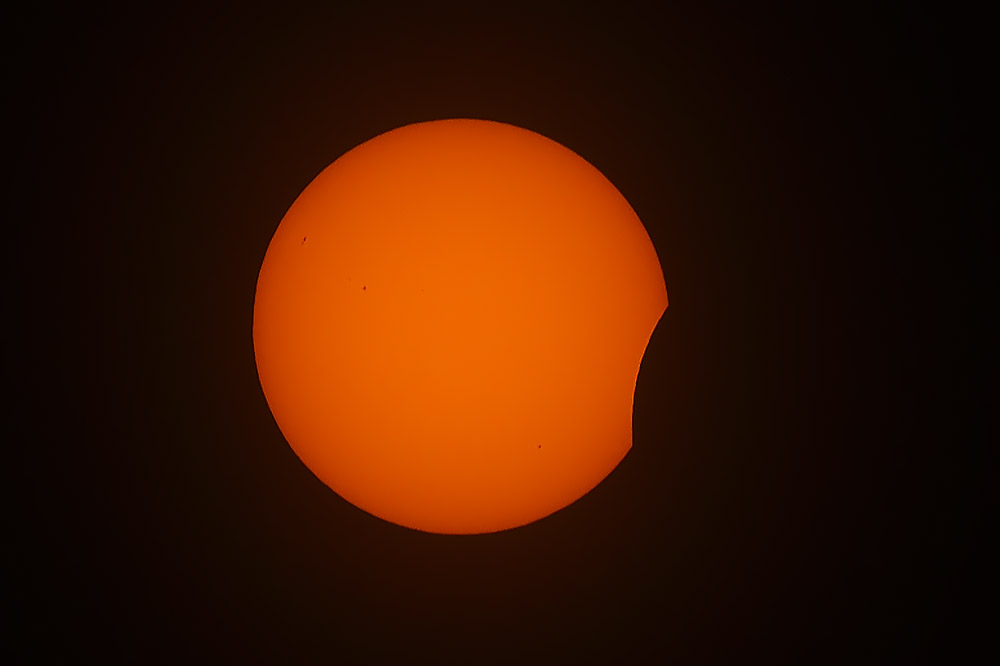
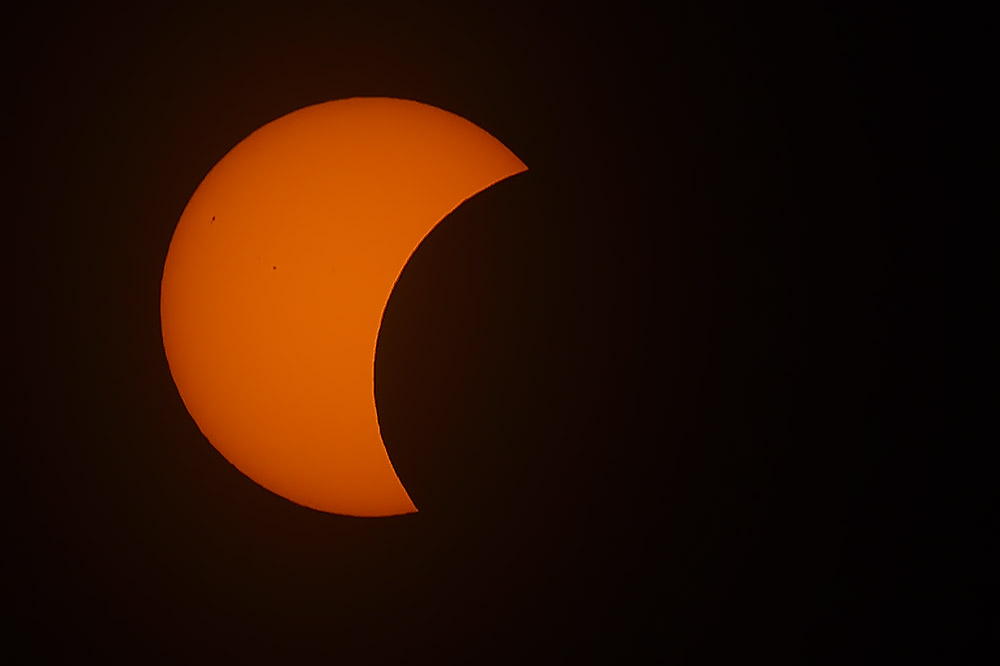
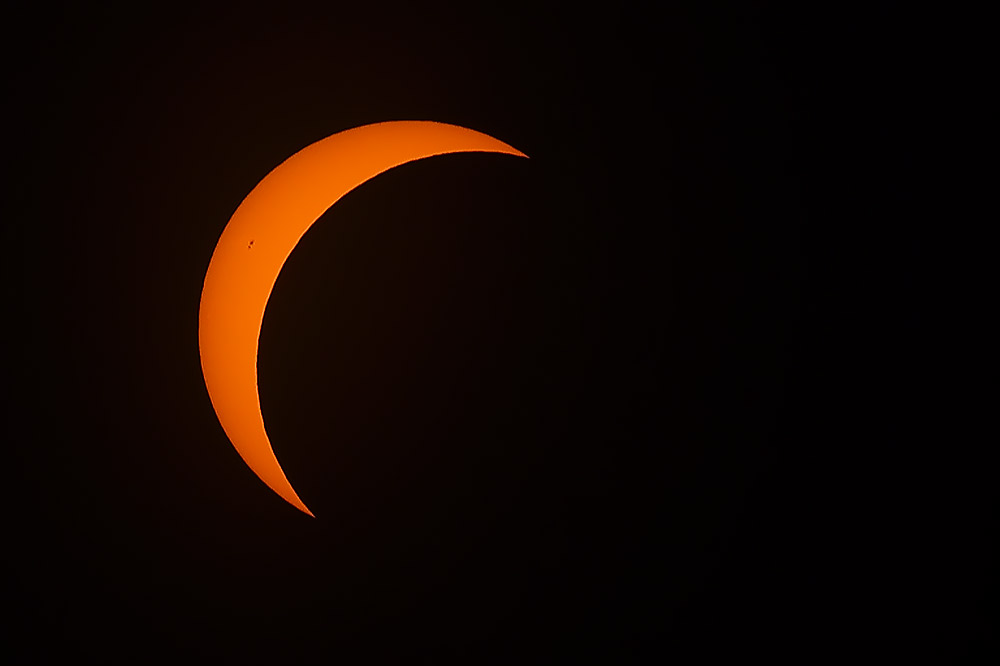
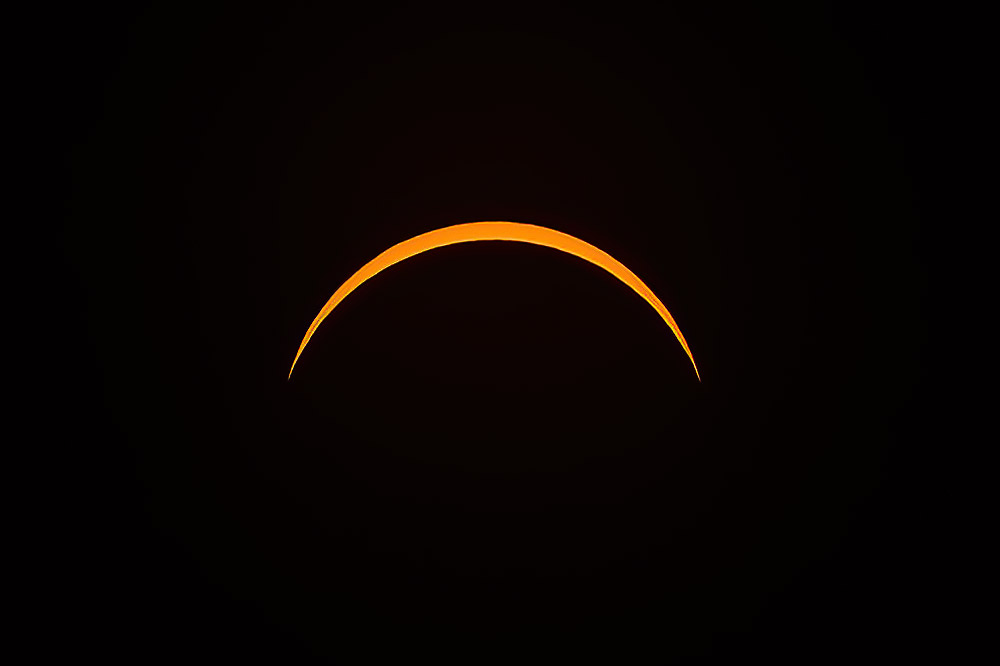
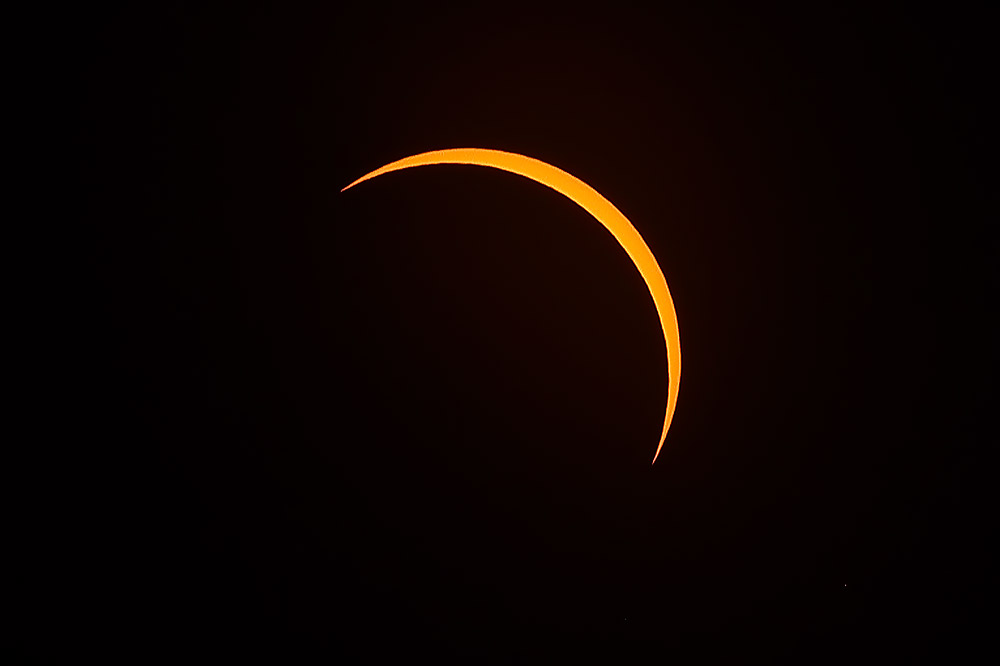
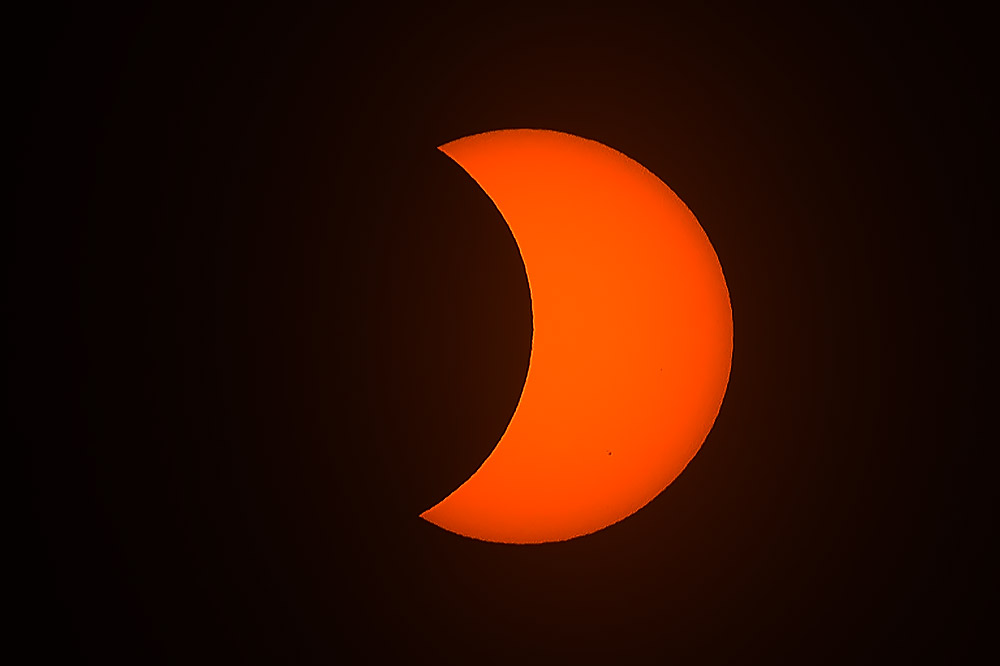
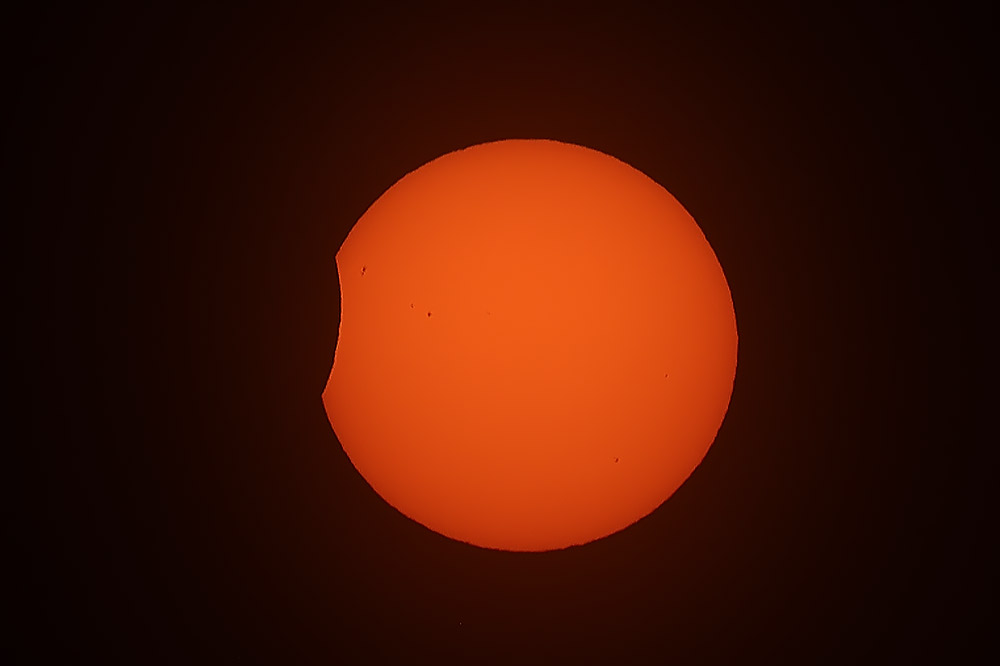
12th. I was in St Ives for the solar eclipse, and watched it from Barnoon Cemetery in a relaxed and friendly atmosphere. I used a Daystar wrap-around solar filter attached to the 100-500mm lens with masking tape, and was impressed with the results. Sunspots are visible too.
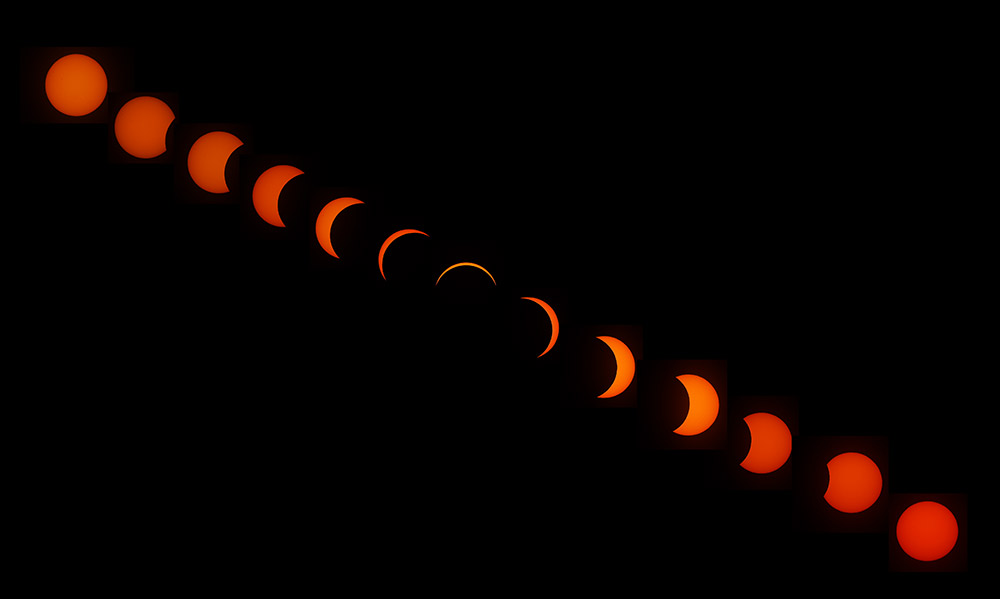
Not done with mathematical precision, but a ca.10 min composite image with 5 mins each side of the middle arc at peak eclipse (ca.96% coverage).

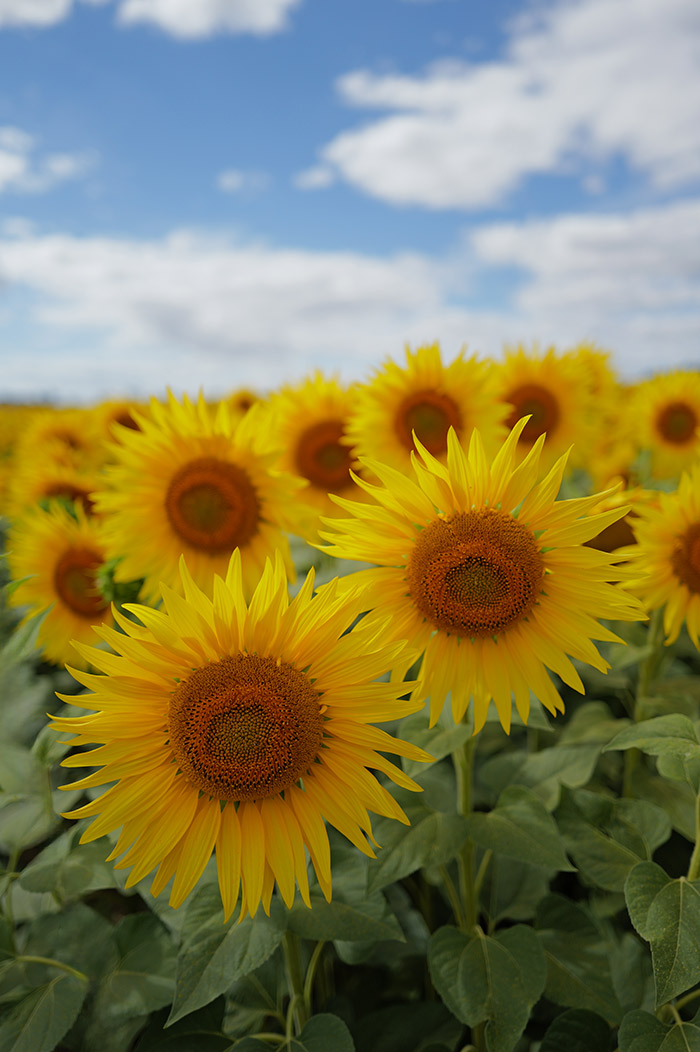
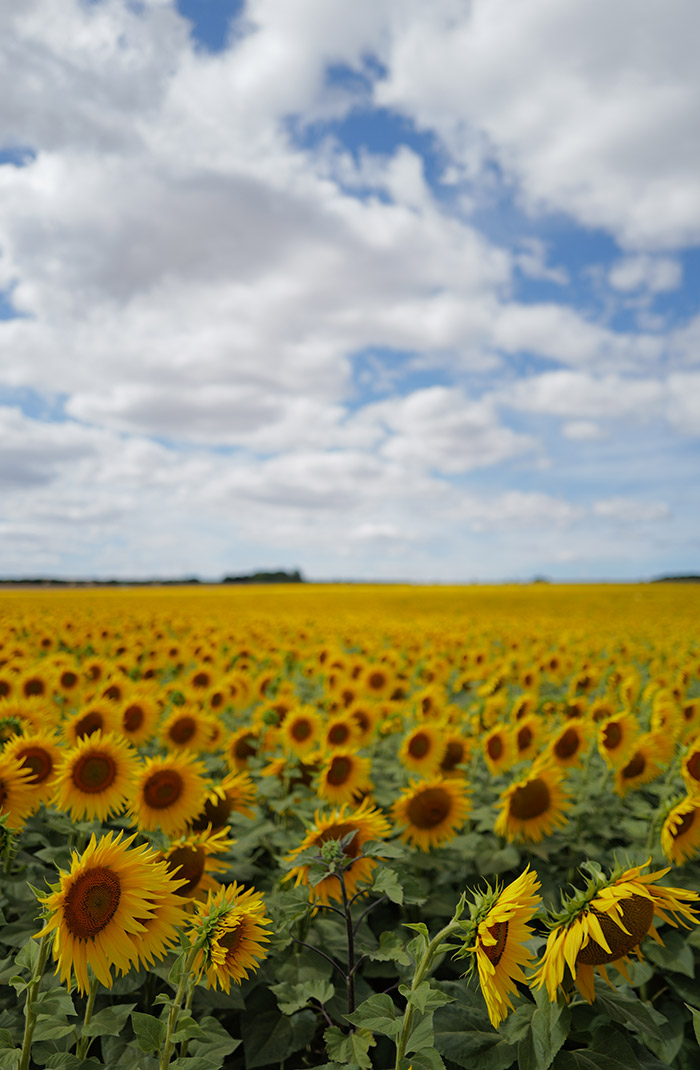
I bought a Leica Q3 and love its simplicity and sophistication. Not great for wildlife, but I love the image quality, the fast lens gives great bokeh at f1.7 so will be great for landscapes. Some photos of the sunflower trail near Dorchester for Mona's birthday on 6th.
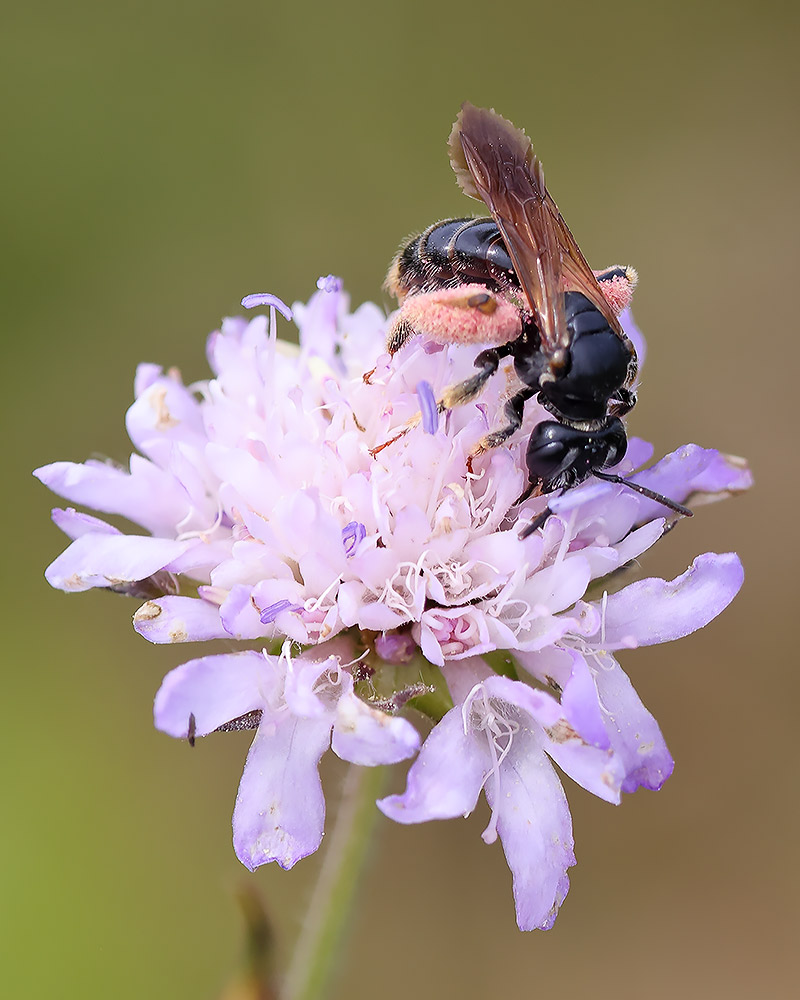
1st. Large scabious bees are still flying at St Uny's churchyard.
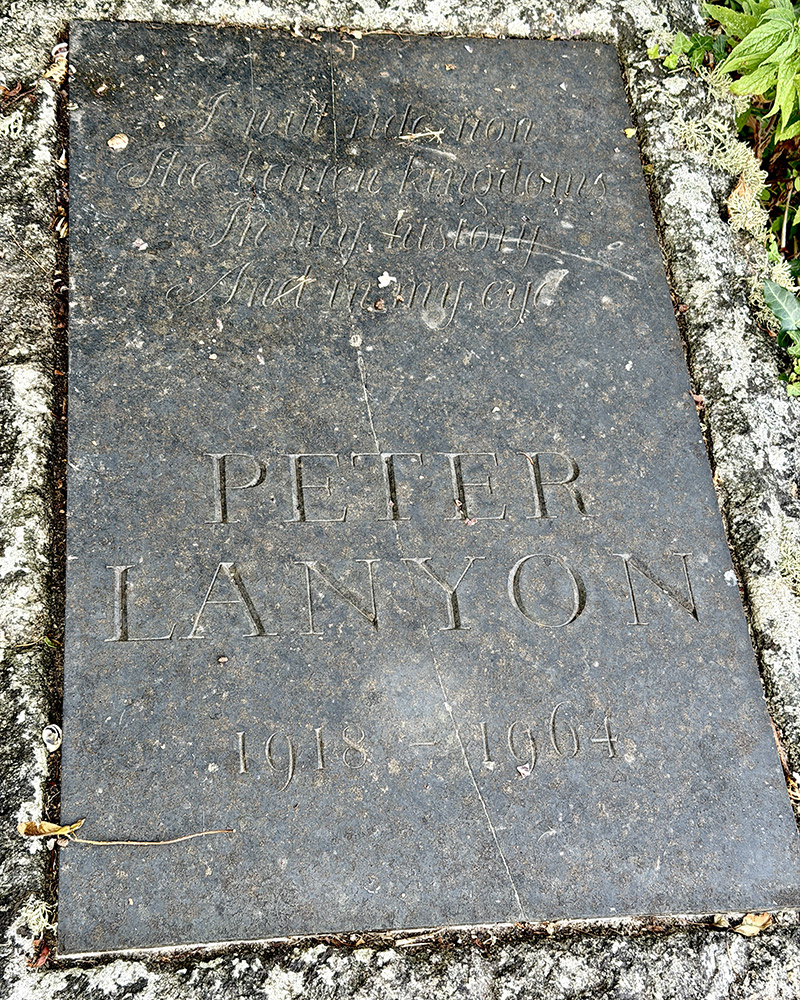
We found Peter Lanyon's gravestone there. The inscription reads
I will ride now
The barren kingdoms
In my history
And in my eye
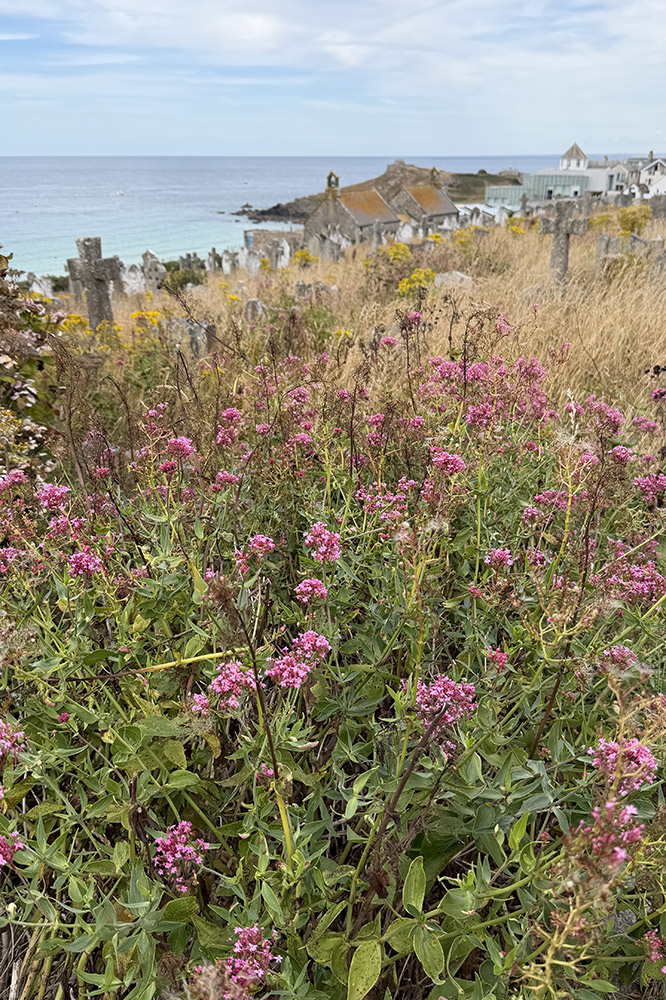
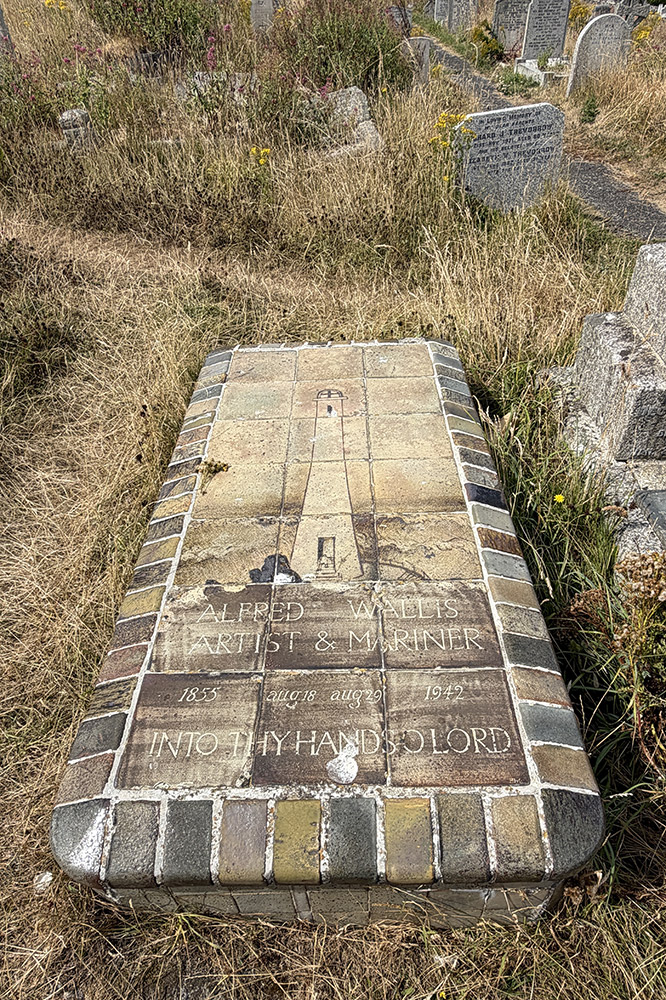
Barnoon churchyard has abundant ragwort and valerian at the moment.
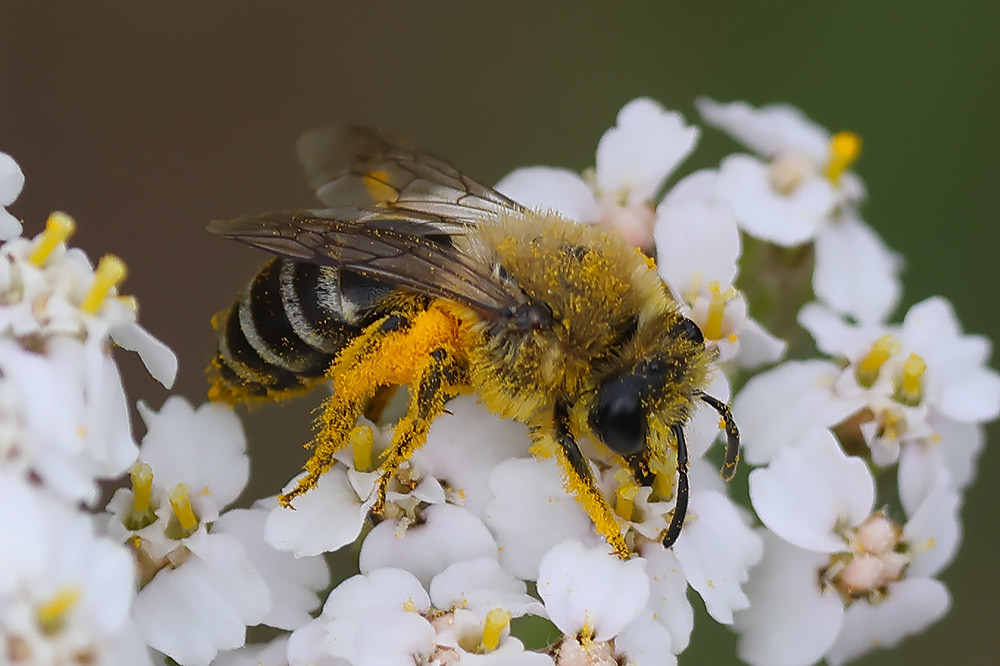
A Colletes bee, maybe daviesanus was also present.
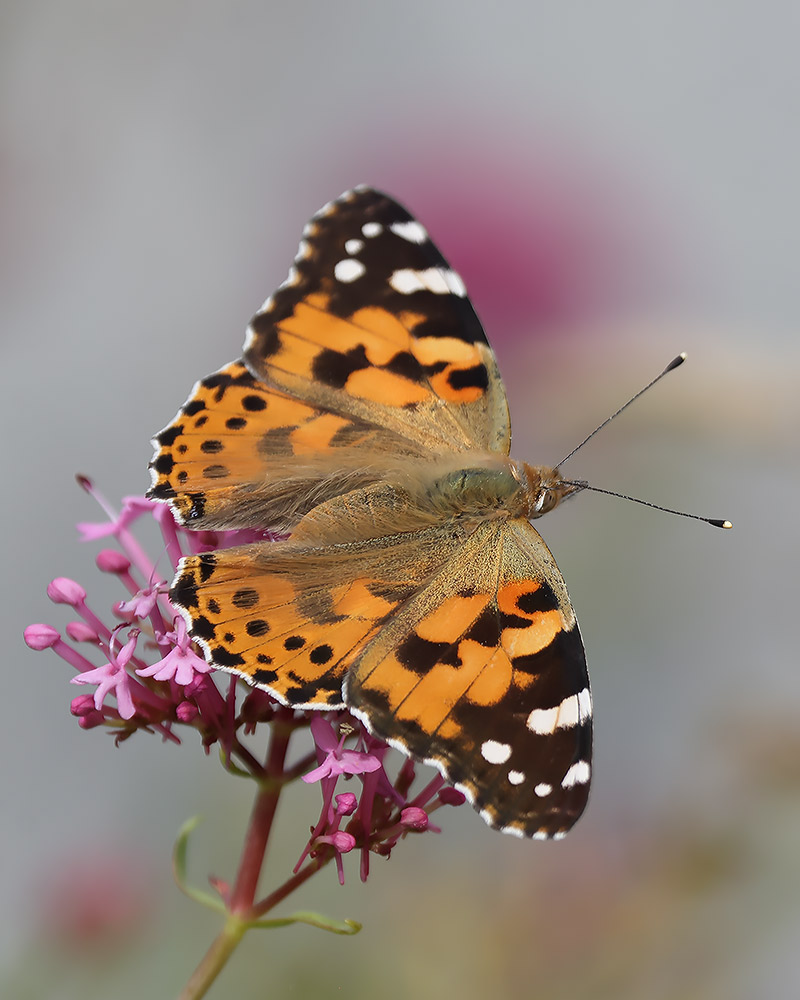
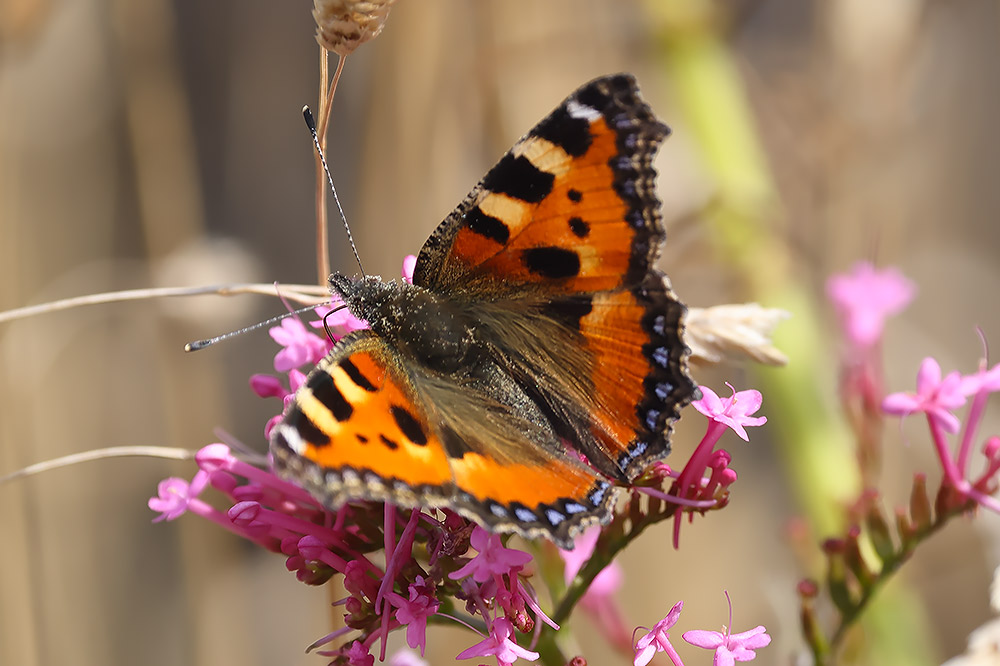
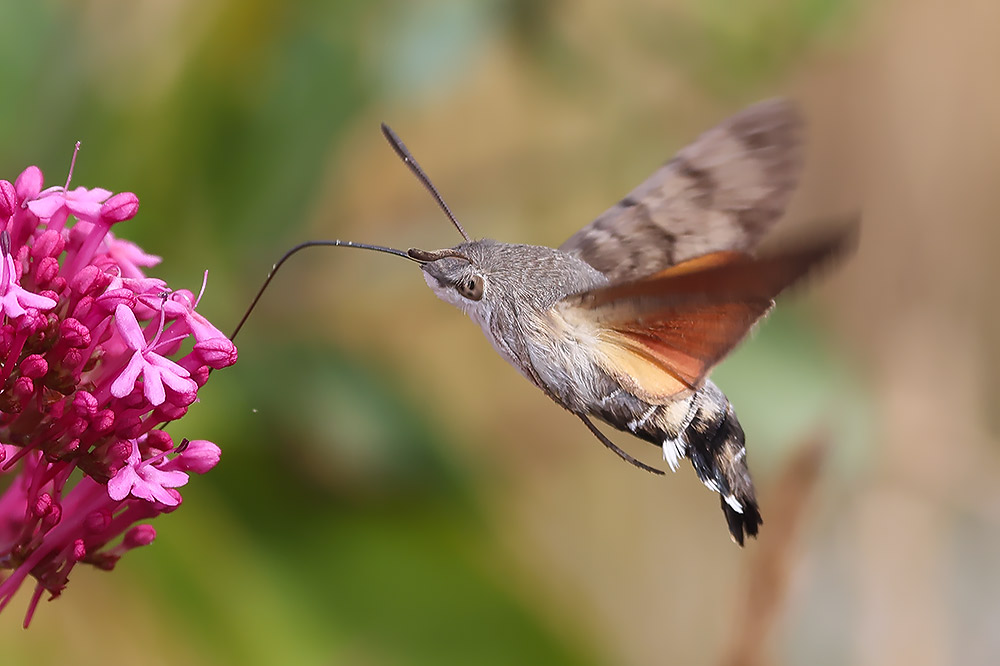
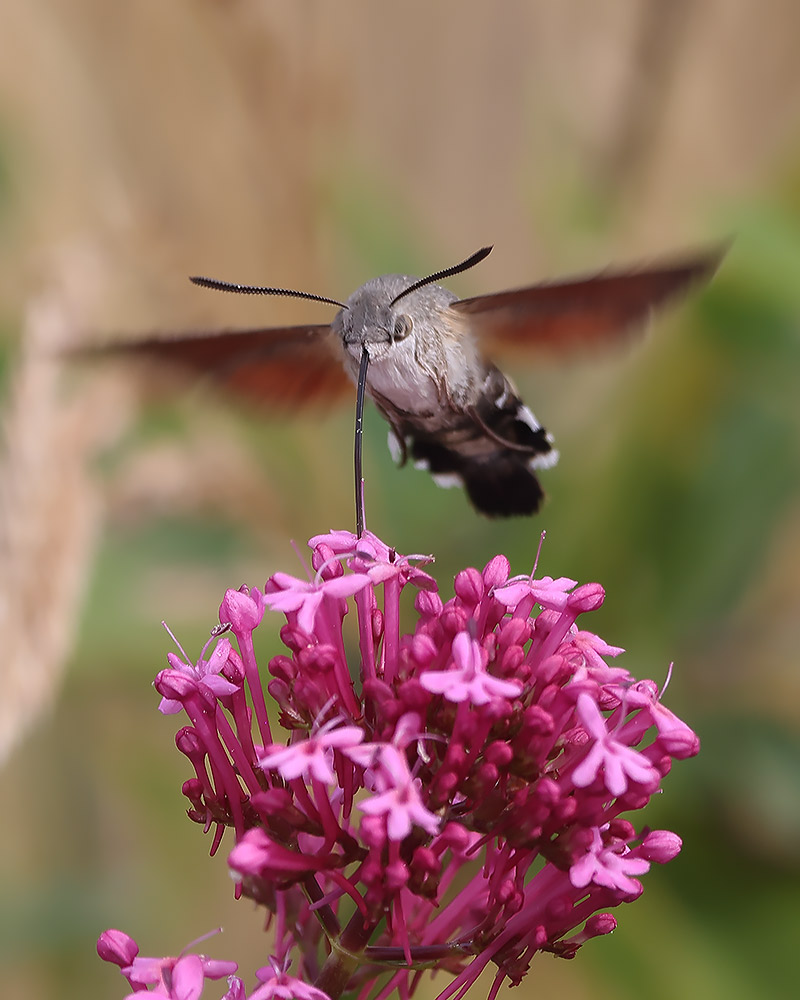
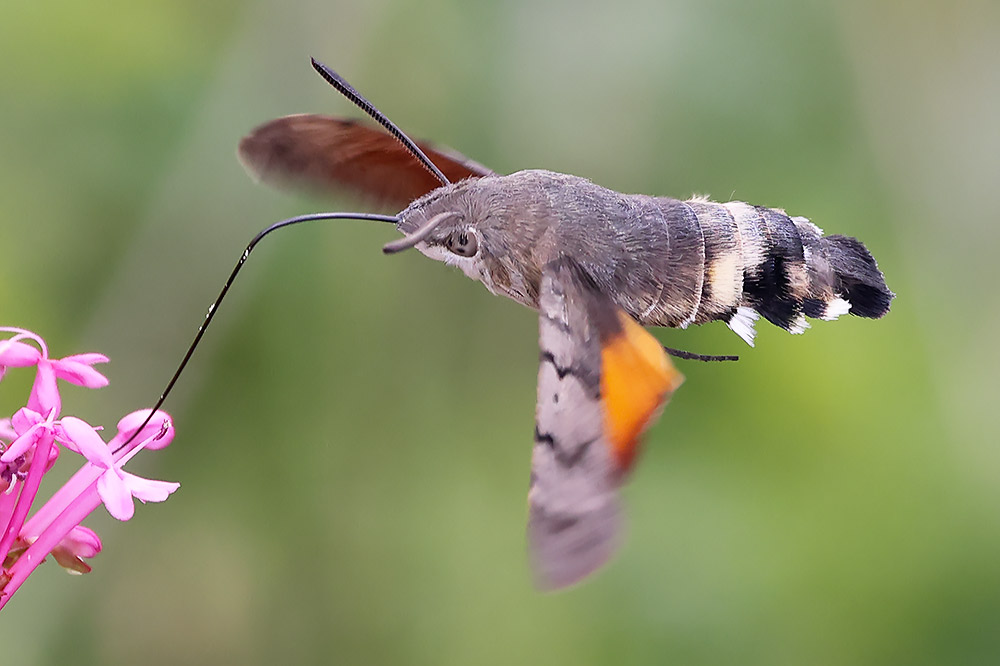
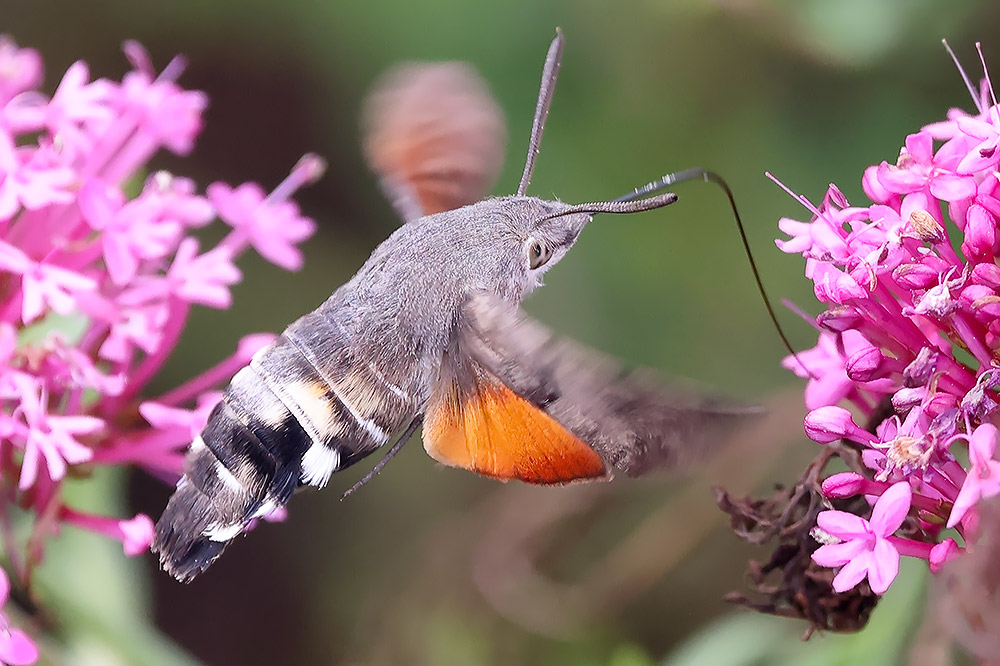
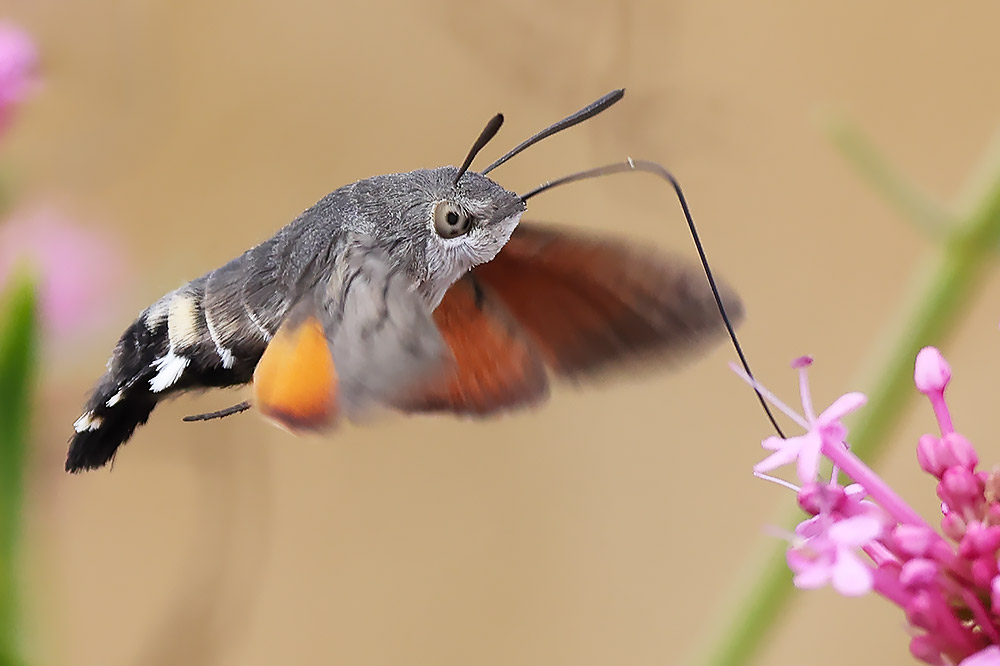
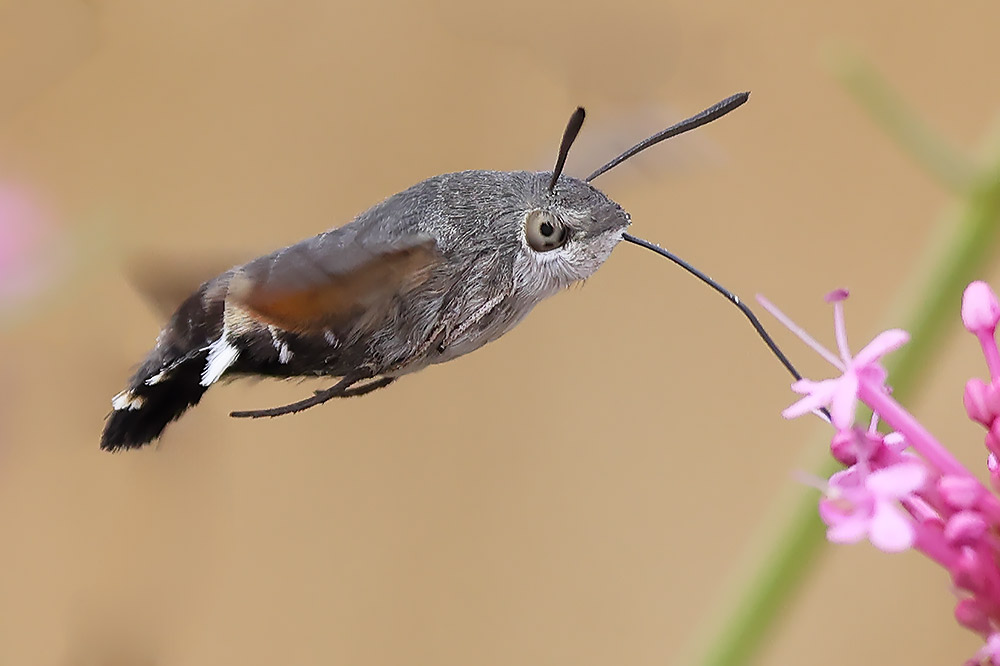
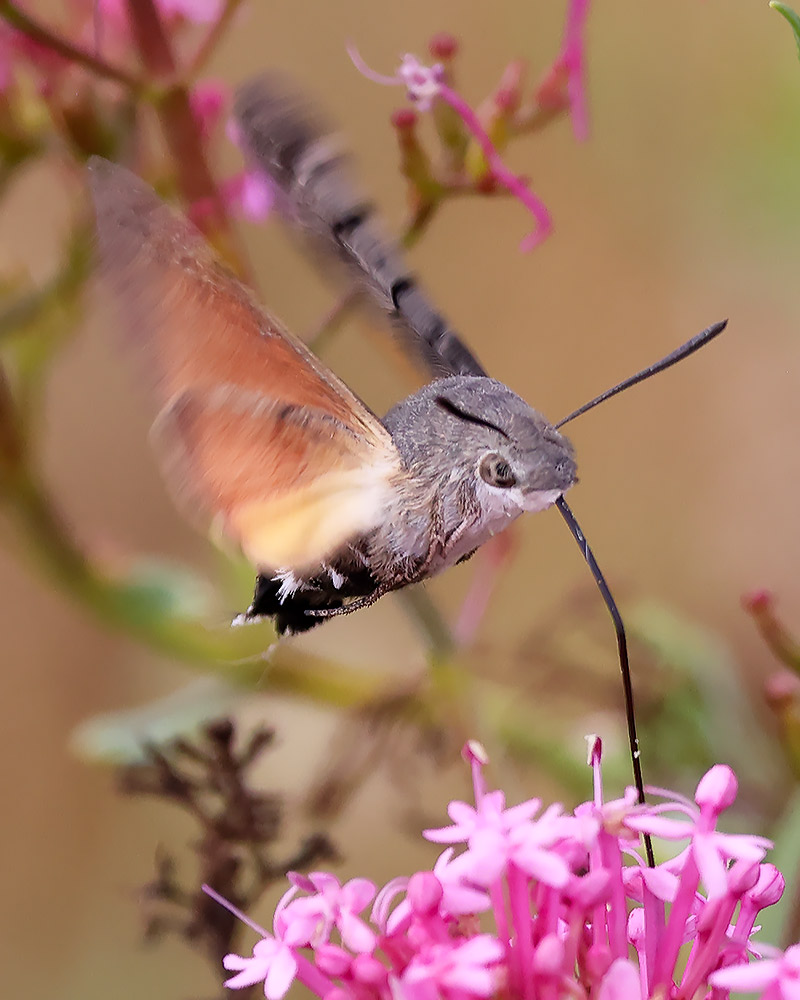
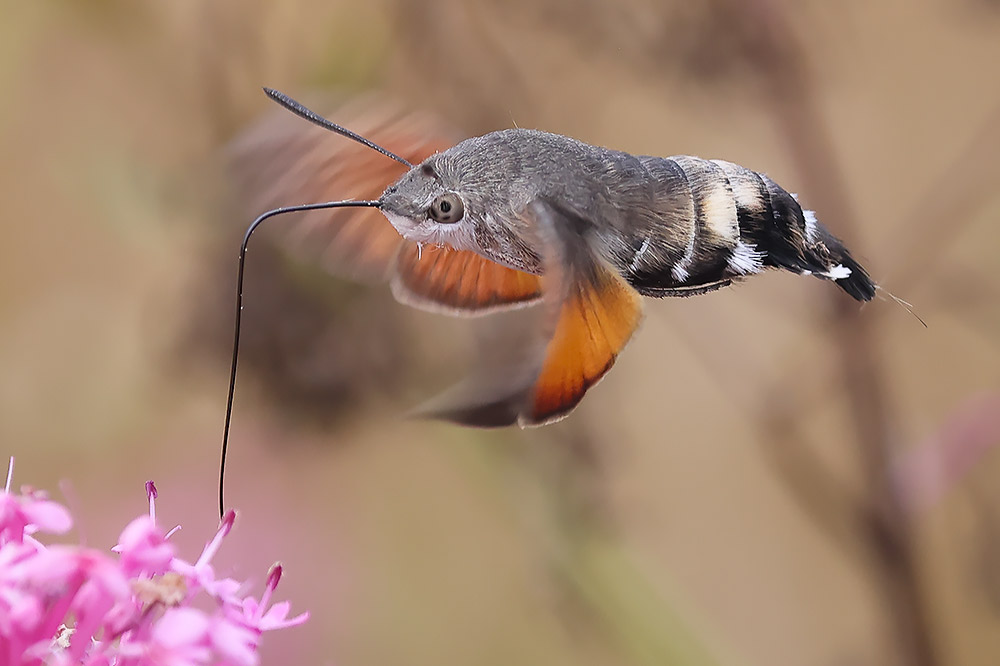
I saw large white, clouded yellow, common blue, red admiral, painted lady and small tortoiseshell butterflies there. I've never seen as many hummingbird hawkmoths.